Xu Jiawei, Wang Yulei, Hua Xiaohui, Xu Jiheng, Tian Zhongxian, Jin Honglei, Li Jingxia, Wu Xue-Ru, Huang Chuanshu
Nelson Institute of Environmental Medicine, New York University School of Medicine, Tuxedo, NY 10987, USA.
Current address: Department of Pediatrics, Union Hospital, Tongji Medical College, Huazhong University of Science and Technology, Wuhan 430022, China.
Oncotarget. 2016 Jun 7;7(23):34112-30. doi: 10.18632/oncotarget.8746.
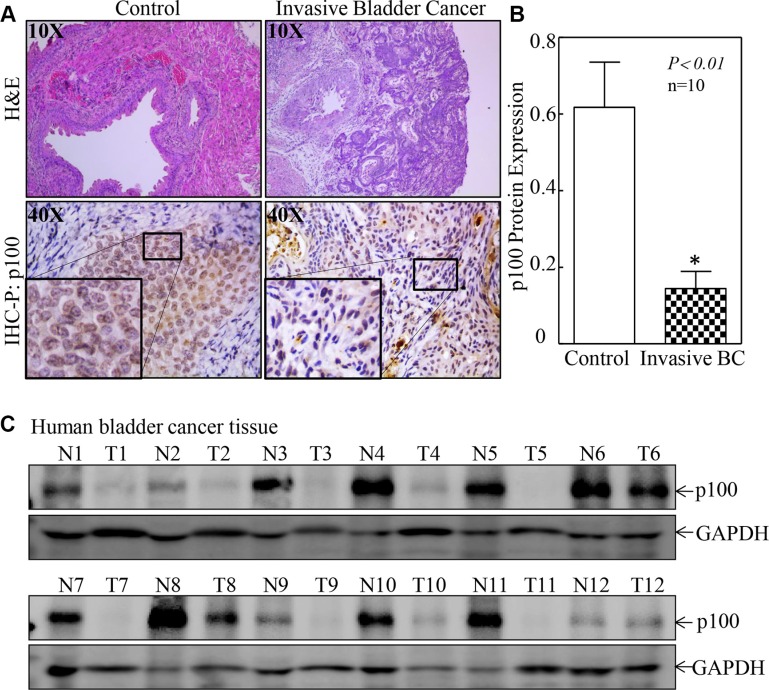
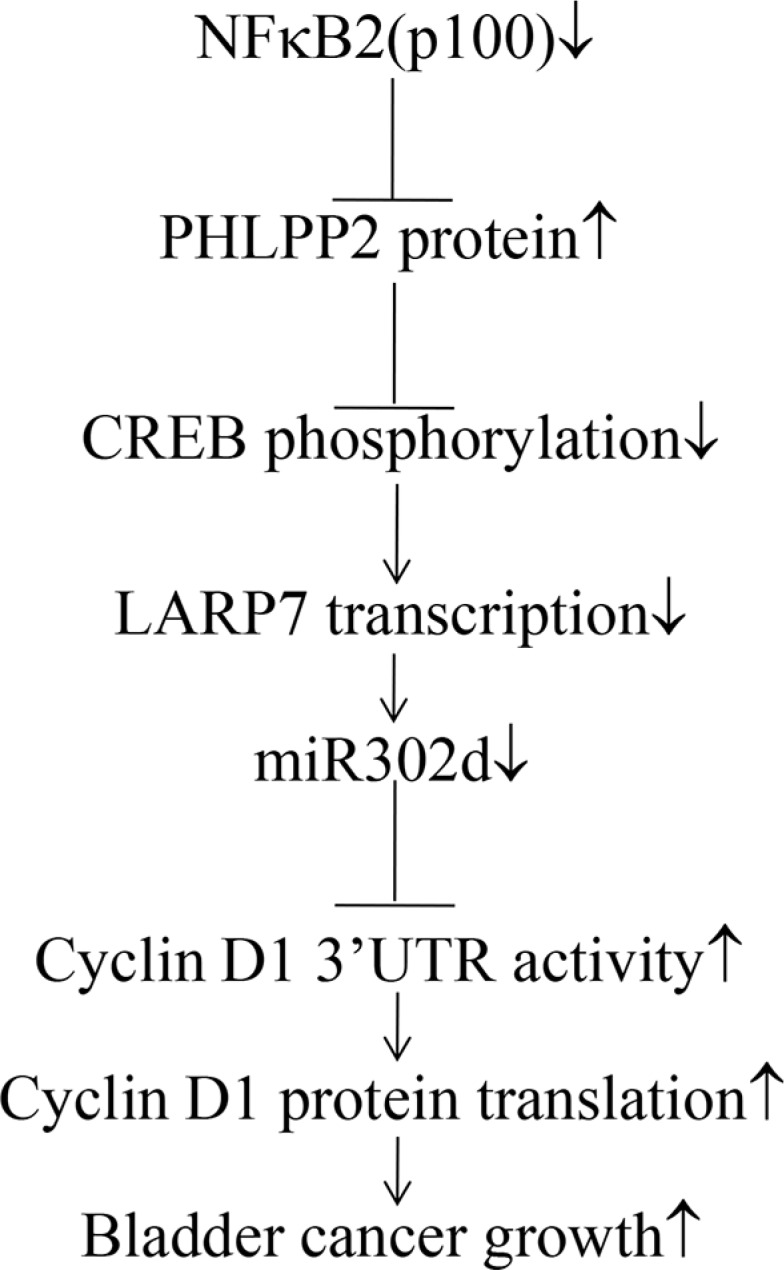
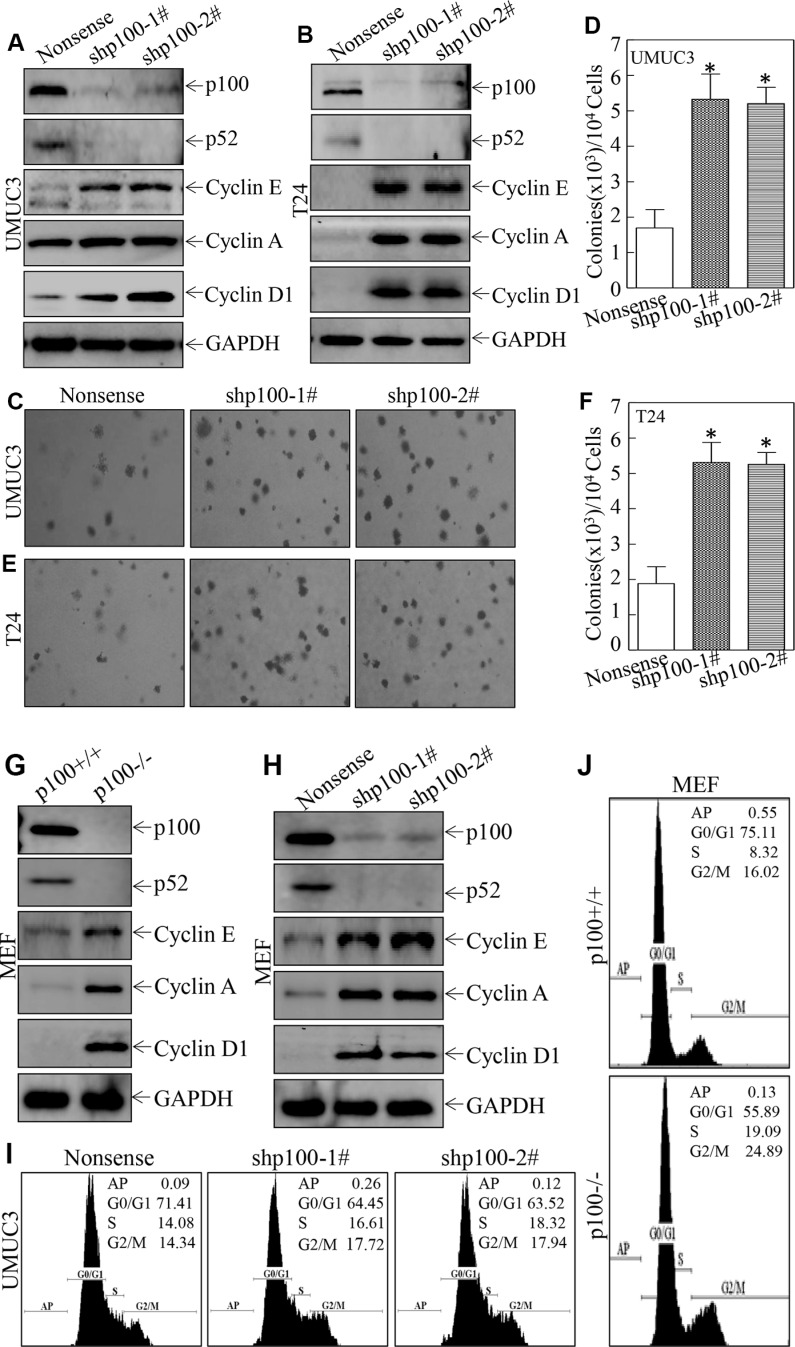
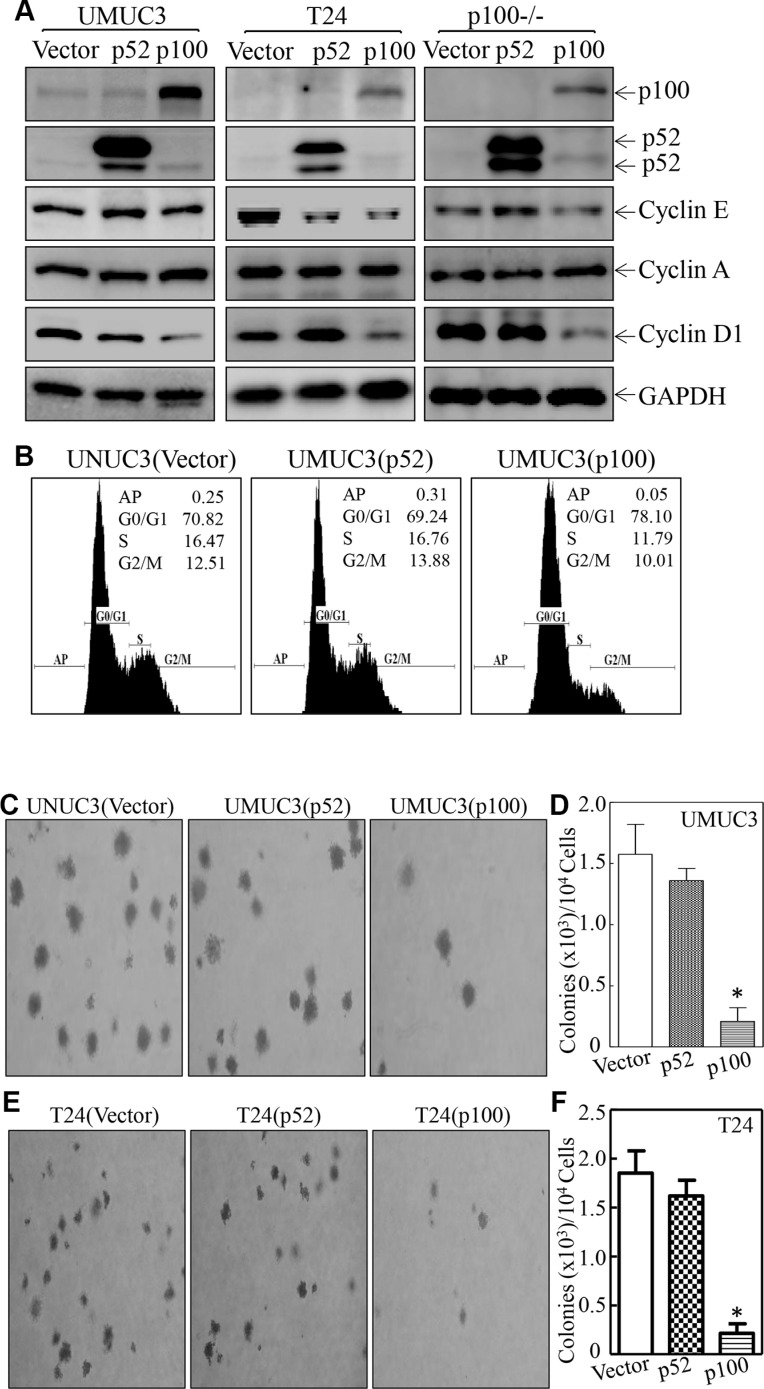
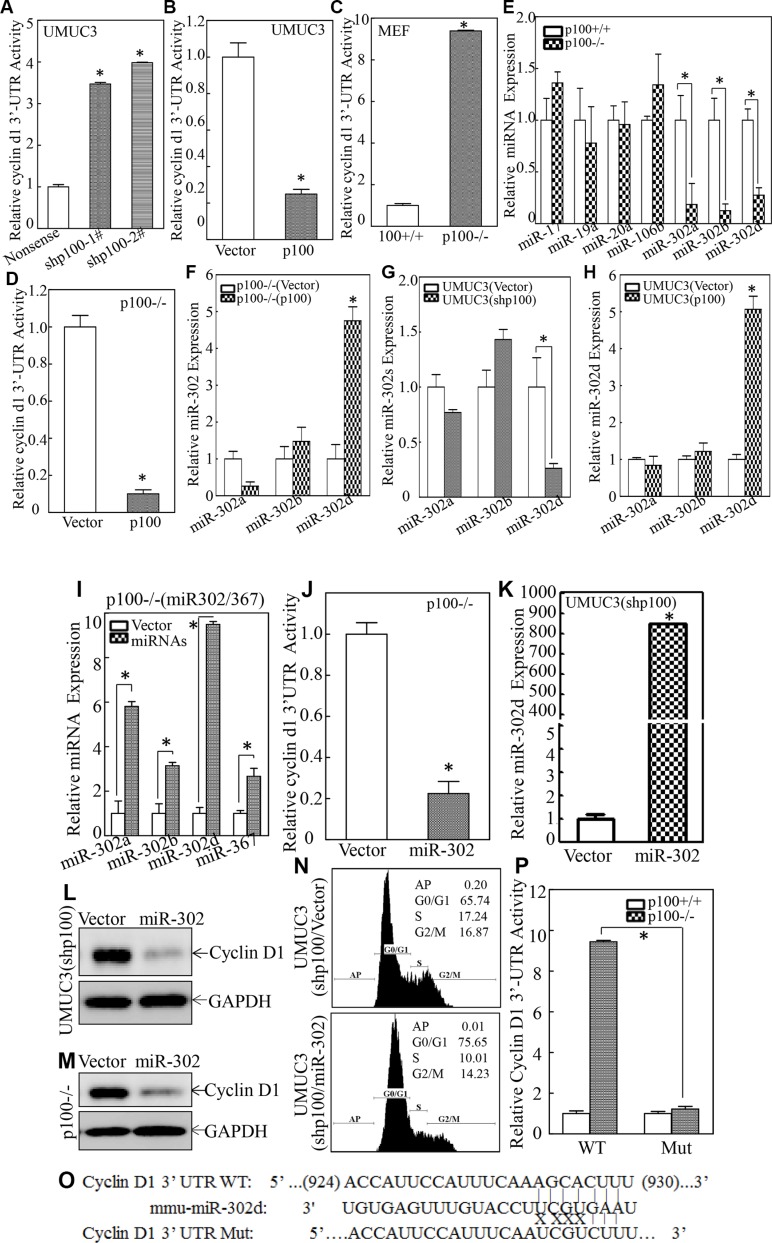
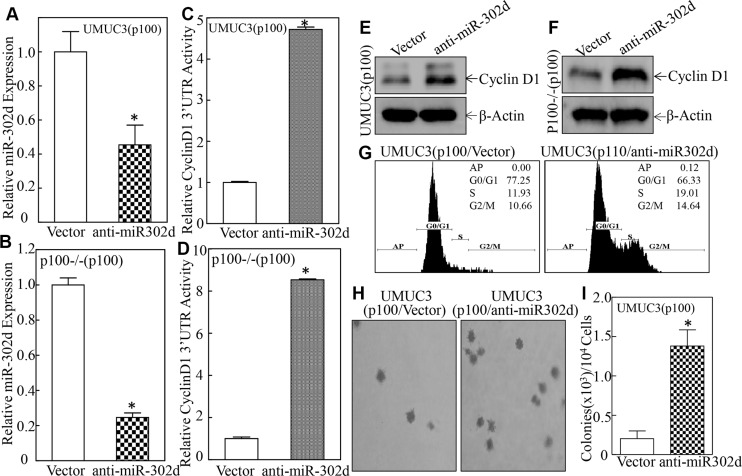
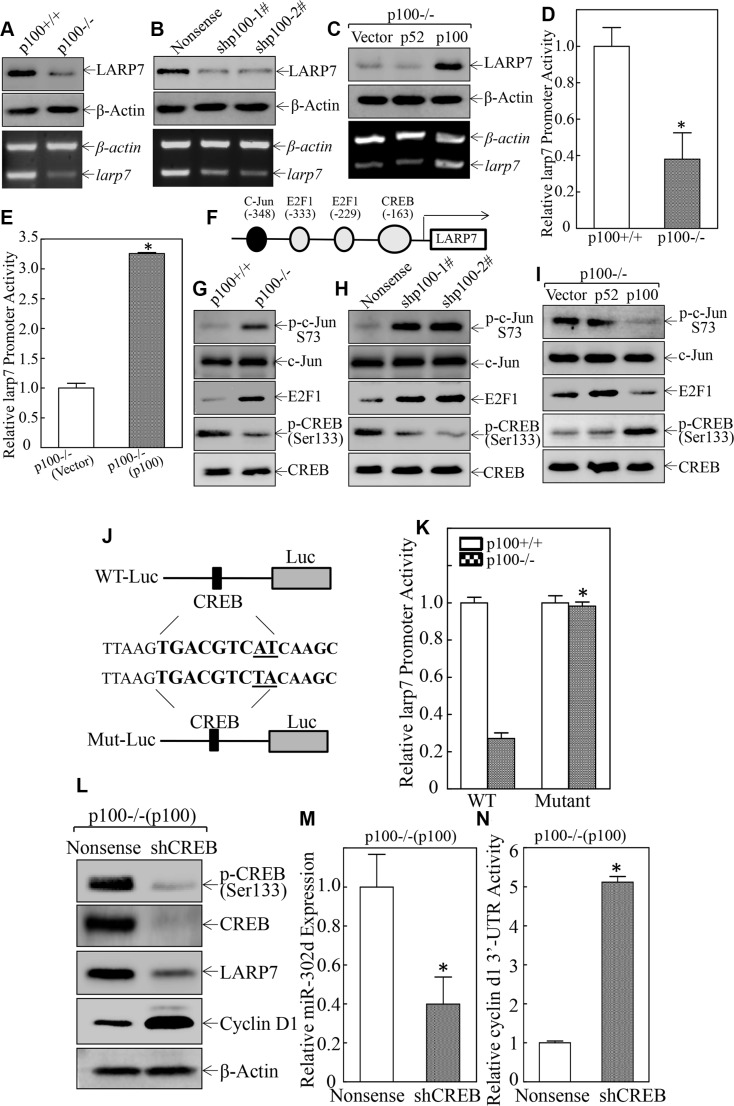
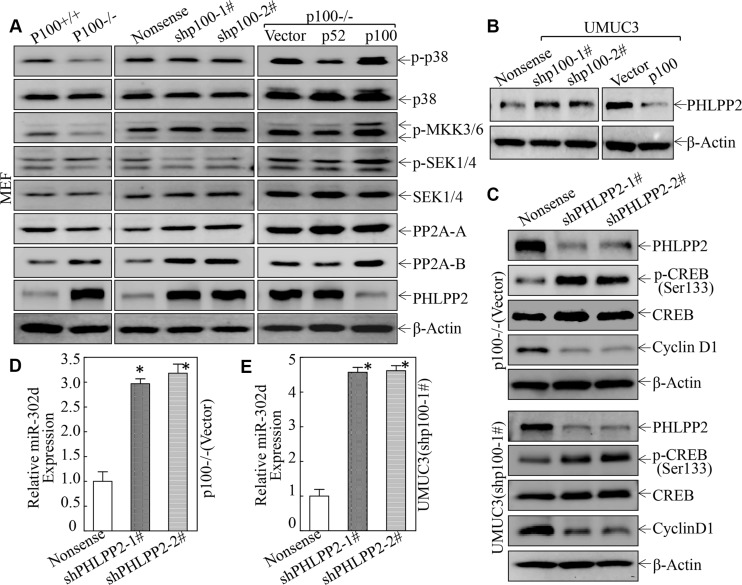
Although the precursor protein of NFκB2 (p100) is thought to act as a tumor suppressor in mammalian cells, the molecular mechanism of its anti-tumor activity is far from clear. Here, we are, for the first time, to report that p100 protein expression was dramatically decreased in bladder cancers of N-butyl-N-(4-hydroxybutyl)-nitrosamine (BBN)-treated mice and human patients. Knockdown of p100 in cultured human bladder cancer cells promoted anchorage-independent growth accompanied with elevating abundance of cell-cycle-related proteins and accelerated cell-cycle progression. Above effects could be completely reversed by ectopically expression of p100, but not p52. Mechanistically, p100 inhibited Cyclin D1 protein translation by activating the transcription of LARP7 and its hosted miR-302d, which could directly bind to 3'-UTR of cyclin d1 mRNA and inhibited its protein translation. Furthermore, p100 suppressed the expression of PHLPP2 (PH domain and leucine-rich repeat protein phosphatases 2), thus promoting CREB phosphorylation at Ser133 and subsequently leading to miR-302d transcription. Taken together, our studies not only for the first time establish p100 as a key tumor suppressor of bladder cancer growth, but also identify a novel molecular cascade of PHLPP2/CREB/miR-302d that mediates the tumor suppressive function of p100.
尽管核因子κB2(NFκB2)的前体蛋白(p100)被认为在哺乳动物细胞中发挥肿瘤抑制作用,但其抗肿瘤活性的分子机制仍远未明确。在此,我们首次报道,在经N-丁基-N-(4-羟丁基)亚硝胺(BBN)处理的小鼠及人类患者的膀胱癌中,p100蛋白表达显著降低。在培养的人膀胱癌细胞中敲低p100可促进不依赖贴壁生长,同时细胞周期相关蛋白丰度升高,细胞周期进程加速。上述效应可通过异位表达p100而完全逆转,但p52则不能。机制上,p100通过激活LARP7及其宿主的miR-302d的转录来抑制细胞周期蛋白D1(Cyclin D1)的蛋白翻译,miR-302d可直接结合细胞周期蛋白D1(cyclin d1)mRNA的3'-非翻译区(3'-UTR)并抑制其蛋白翻译。此外,p100抑制PH结构域和富含亮氨酸重复蛋白磷酸酶2(PHLPP2)的表达,从而促进CREB在丝氨酸133位点的磷酸化,进而导致miR-302d转录。综上所述,我们的研究不仅首次确立p100为膀胱癌生长的关键肿瘤抑制因子,还鉴定出一种新的PHLPP2/CREB/miR-302d分子级联反应,其介导了p100的肿瘤抑制功能。