Kim Joo Hyun, Park Seong Hoon, Lee Byeong Ho, Jeong Hii Sun, Yang Hyun Jin, Suh In Suck
Department of Plastic and Reconstructive Surgery, Kangnam Sacred Heart Hospital, College of Medicine, Hallym University Medical Center, 1, Singil-ro, Yeongdeungpo-gu, Seoul, 07441, Korea.
Baroil Aesthetic Plastic Surgical Clinic, Seoul, Korea.
Aesthetic Plast Surg. 2016 Jun;40(3):428-34. doi: 10.1007/s00266-016-0636-7. Epub 2016 Apr 21.
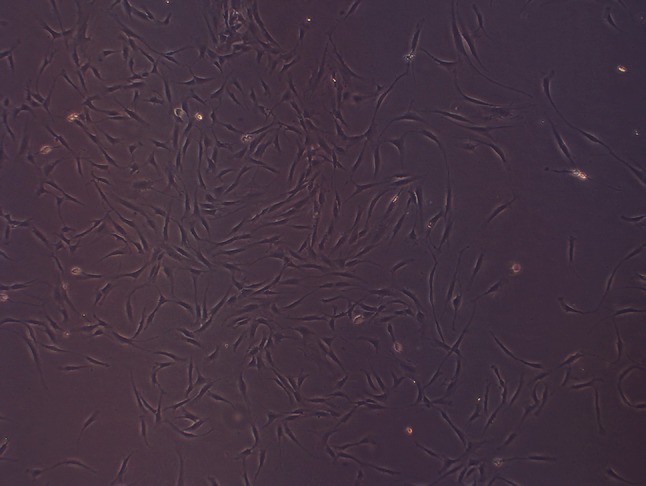
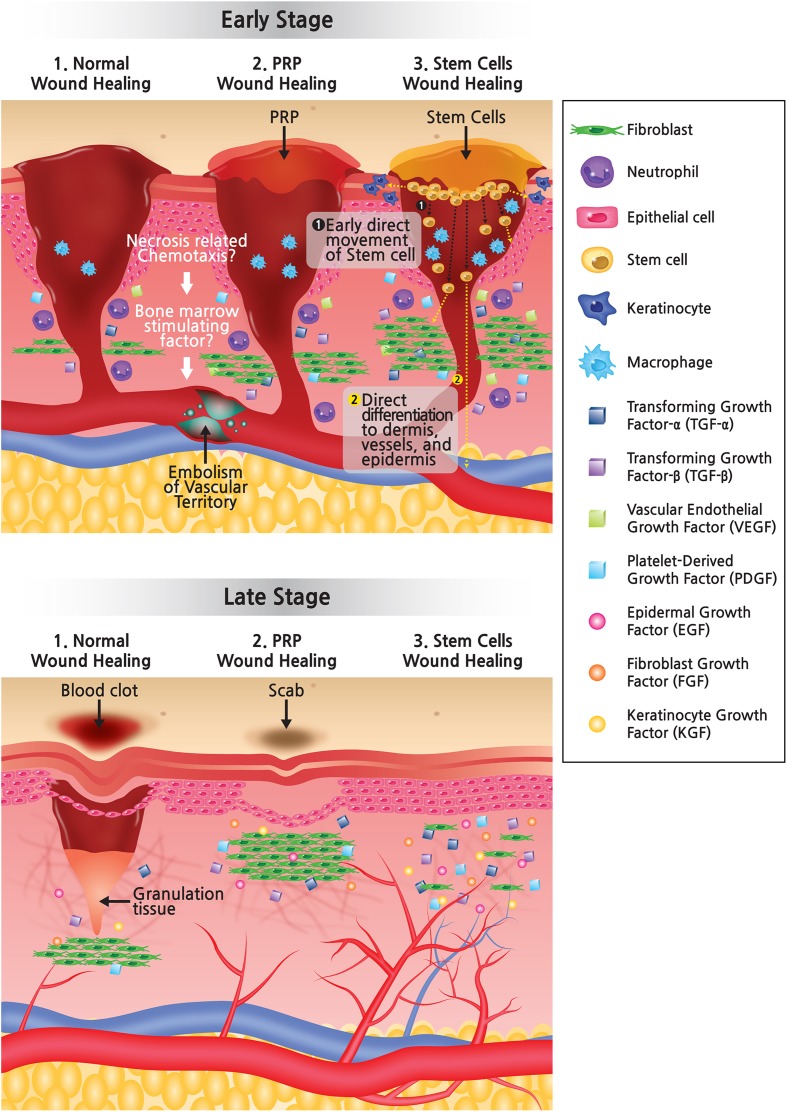
A rise in cosmetic procedures has seen the use of fillers become more prevalent. Complications resulting from use of fillers have prompted introduction of various medical and surgical interventions. Recently, stem cell therapies have become more widely used as a new treatment option for tissue repair and regeneration.
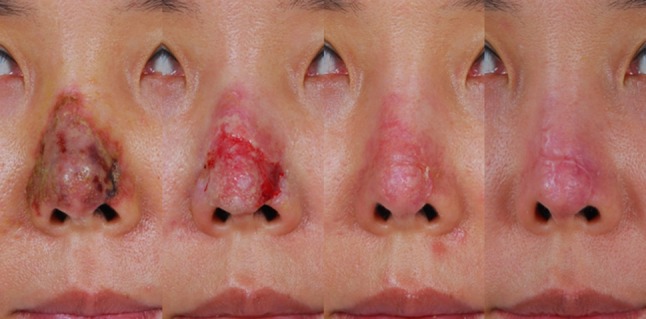
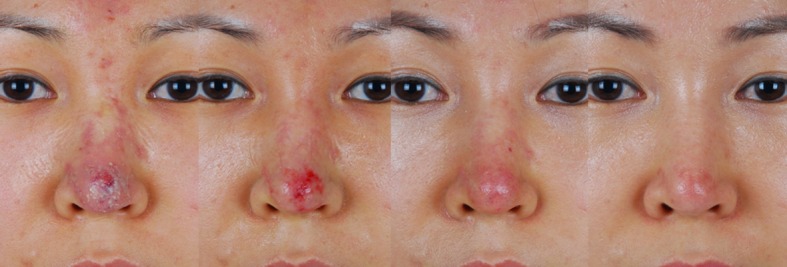
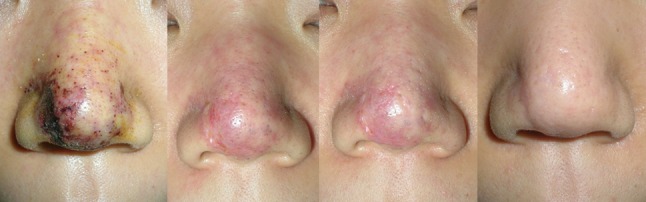
We utilized adipose-derived stem cells (ASCs) for tissue regeneration in patients with filler-related complications such as necrosis. All 12 patients were treated with ASCs and some patients had additional treatment. After relief of symptoms, wound surface area was compared in terms of pixel numbers and scar condition was evaluated using the Vancouver Scar Scale (VSS).
In general, we achieved satisfactory resolution of filler-related complications in a short period of time without serious side effects. The average number of days from stem cell treatment to symptom relief was 7.3 days. The proportion of wound surface area from photographic record was 4.39 % before treatment, decreasing considerably to 1.01 % following treatment. Last, the VSS showed almost all patients scored below 3, with two patients receiving scores of 7 and 8; the average score was 2.78 (range from 0 to 8).
ASCs are a new treatment option for post-filler injection wounds such as necrosis. Using stem cells, we were able to obtain satisfactory results in a short period of time without complications requiring surgical procedures. We suggest stem cell injections could be used as the first option for treatment of complications from filler injections.
This journal requires that authors assign a level of evidence to each article. For a full description of these Evidence-Based Medicine ratings, please refer to the Table of Contents or the online Instructions to Authors www.springer.com/00266 .
随着美容手术的增加,填充剂的使用变得更加普遍。填充剂使用引发的并发症促使人们采用各种医学和外科干预措施。最近,干细胞疗法作为一种用于组织修复和再生的新治疗选择,已得到更广泛的应用。
我们将脂肪来源干细胞(ASC)用于治疗填充剂相关并发症(如坏死)的患者的组织再生。所有12例患者均接受了ASC治疗,部分患者还接受了其他治疗。症状缓解后,比较伤口表面积的像素数量,并使用温哥华瘢痕量表(VSS)评估瘢痕情况。
总体而言,我们在短时间内成功解决了填充剂相关并发症,且无严重副作用。从干细胞治疗到症状缓解的平均天数为7.3天。治疗前照片记录的伤口表面积比例为4.39%,治疗后大幅降至1.01%。最后,VSS显示几乎所有患者得分低于3分,两名患者得分分别为7分和8分;平均得分为2.78分(范围为0至8分)。
ASC是治疗填充剂注射后如坏死等伤口的一种新治疗选择。使用干细胞,我们能够在短时间内获得满意的结果,且无需进行手术的并发症。我们建议干细胞注射可作为治疗填充剂注射并发症的首选方法。
证据级别V:本刊要求作者为每篇文章指定证据级别。有关这些循证医学评级的完整描述,请参阅目录或作者在线指南www.springer.com/00266 。