Xing Shaojun, Li Fengyin, Zeng Zhouhao, Zhao Yunjie, Yu Shuyang, Shan Qiang, Li Yalan, Phillips Farrah C, Maina Peterson K, Qi Hank H, Liu Chengyu, Zhu Jun, Pope R Marshall, Musselman Catherine A, Zeng Chen, Peng Weiqun, Xue Hai-Hui
Department of Microbiology, Carver College of Medicine, University of Iowa, Iowa City, Iowa, USA.
Department of Physics, The George Washington University, Washington, DC, USA.
Nat Immunol. 2016 Jun;17(6):695-703. doi: 10.1038/ni.3456. Epub 2016 Apr 25.
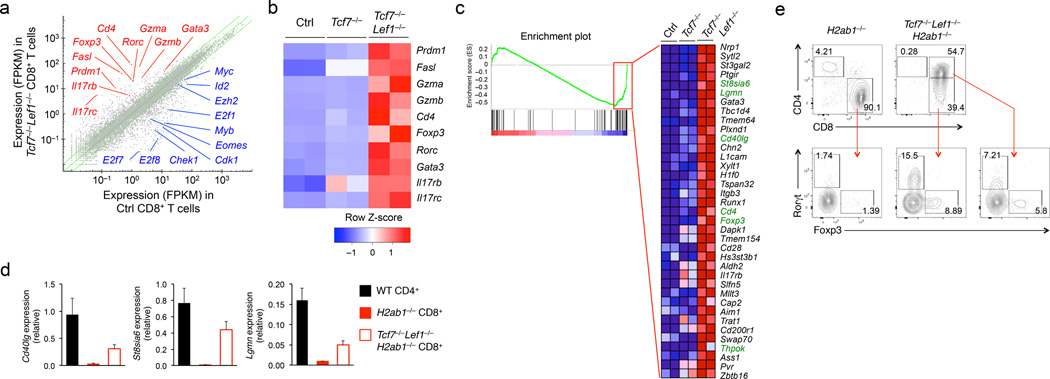
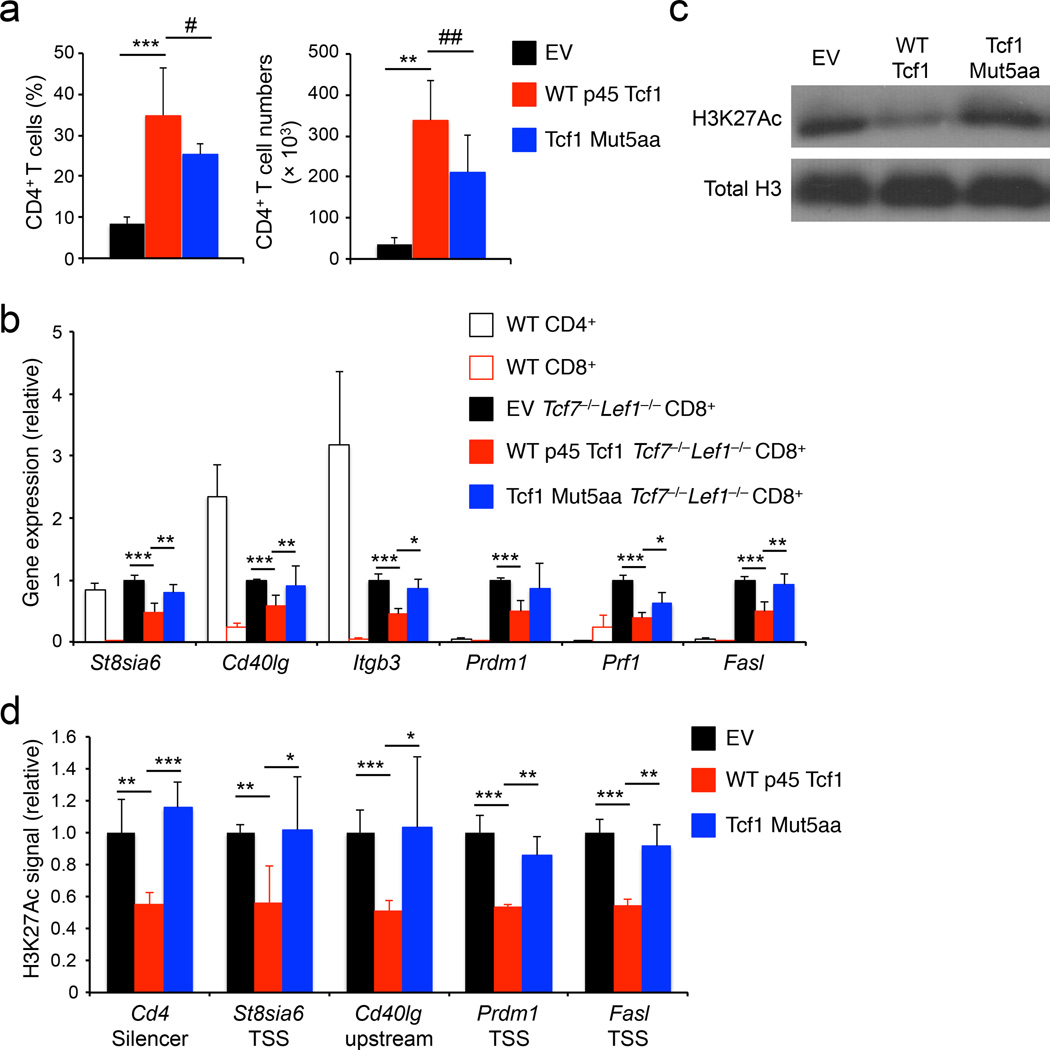
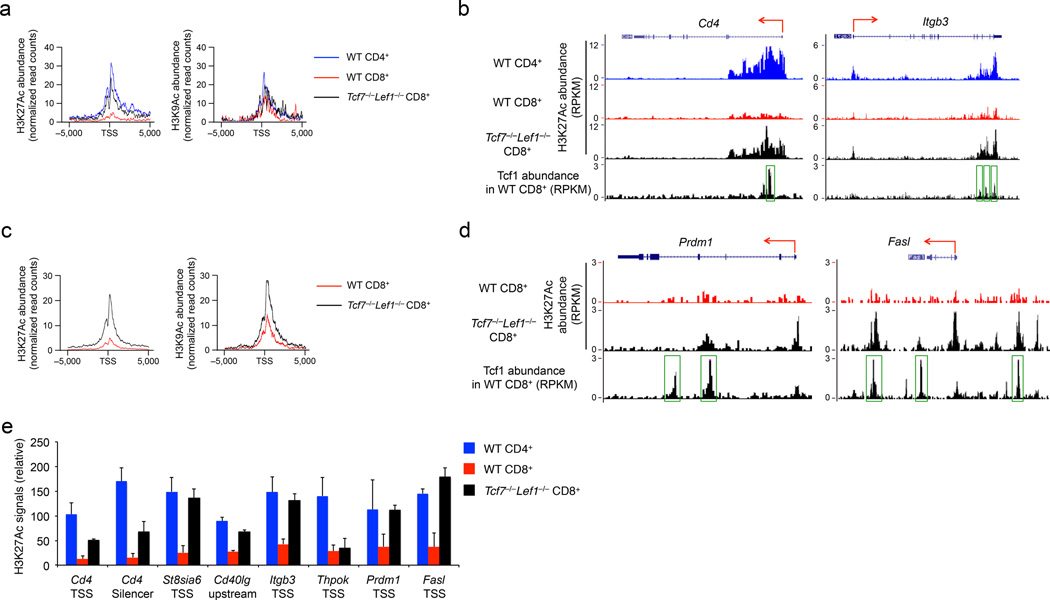
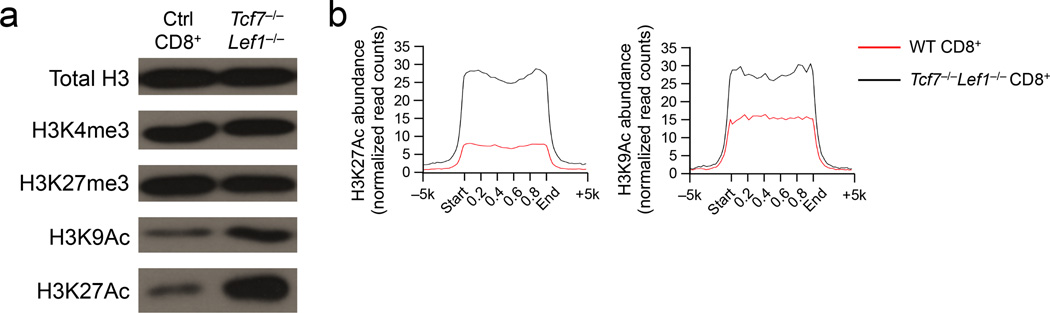
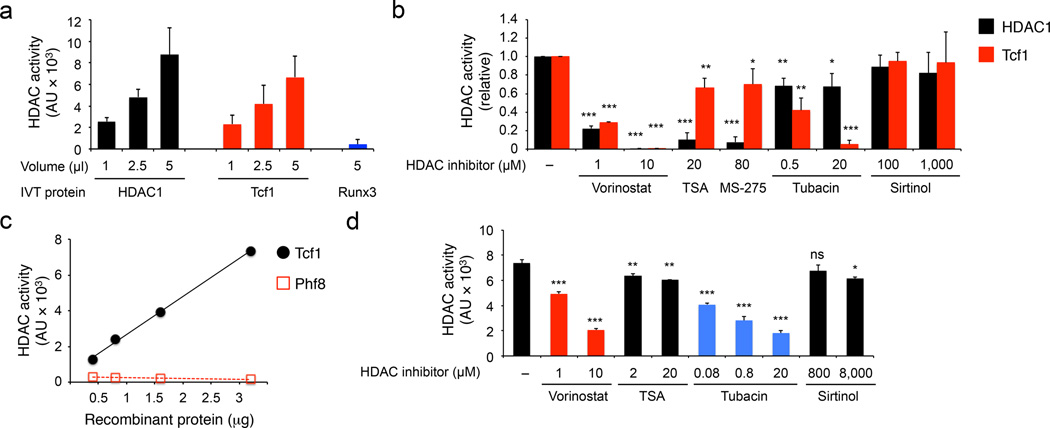
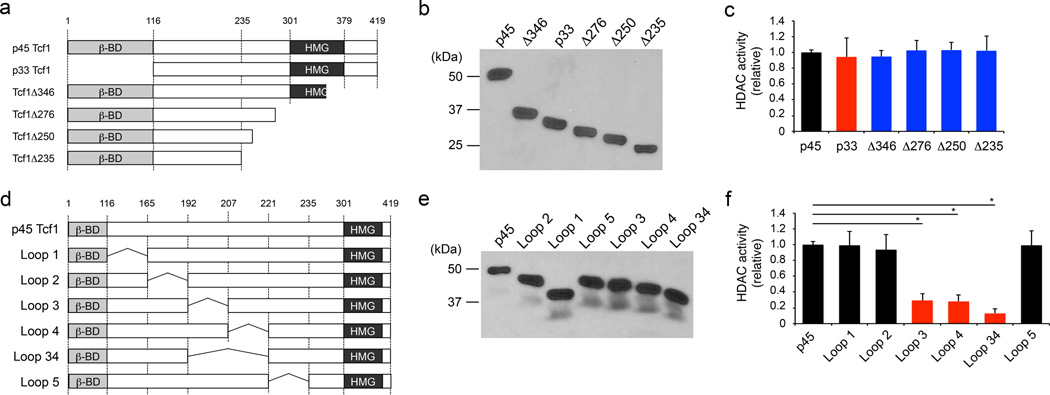
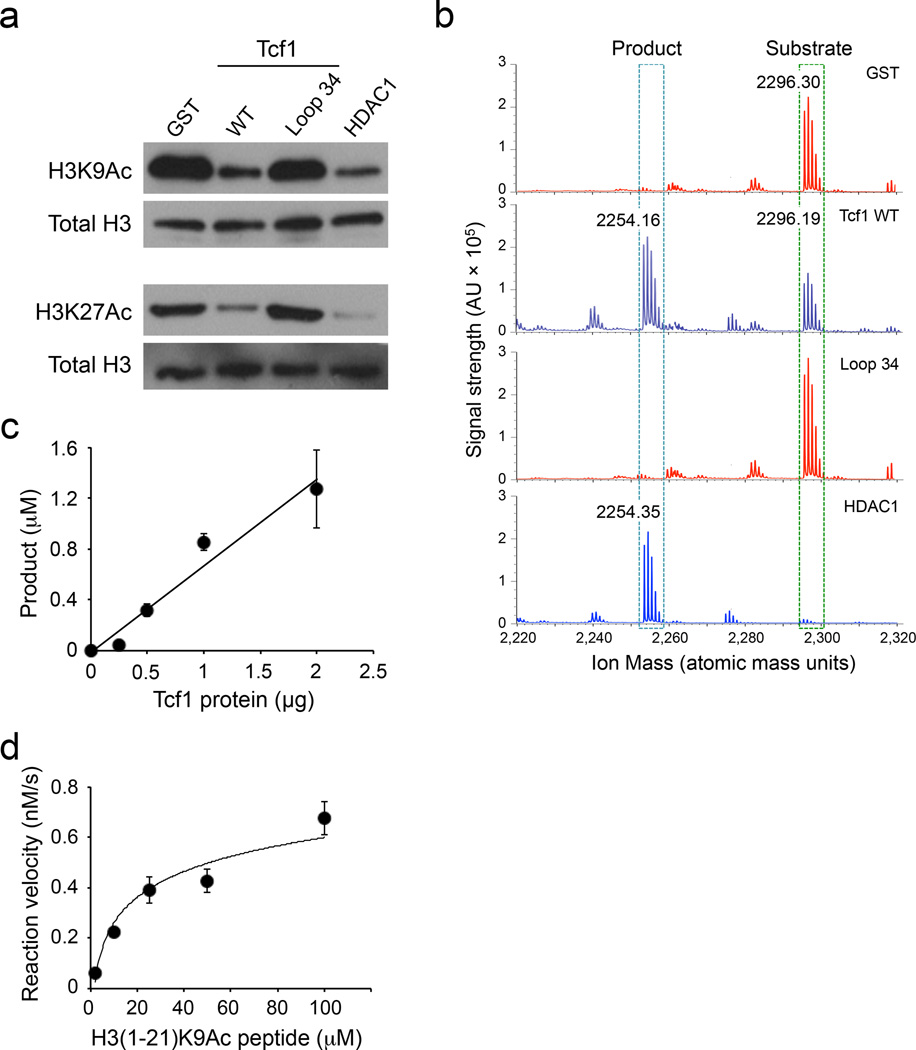
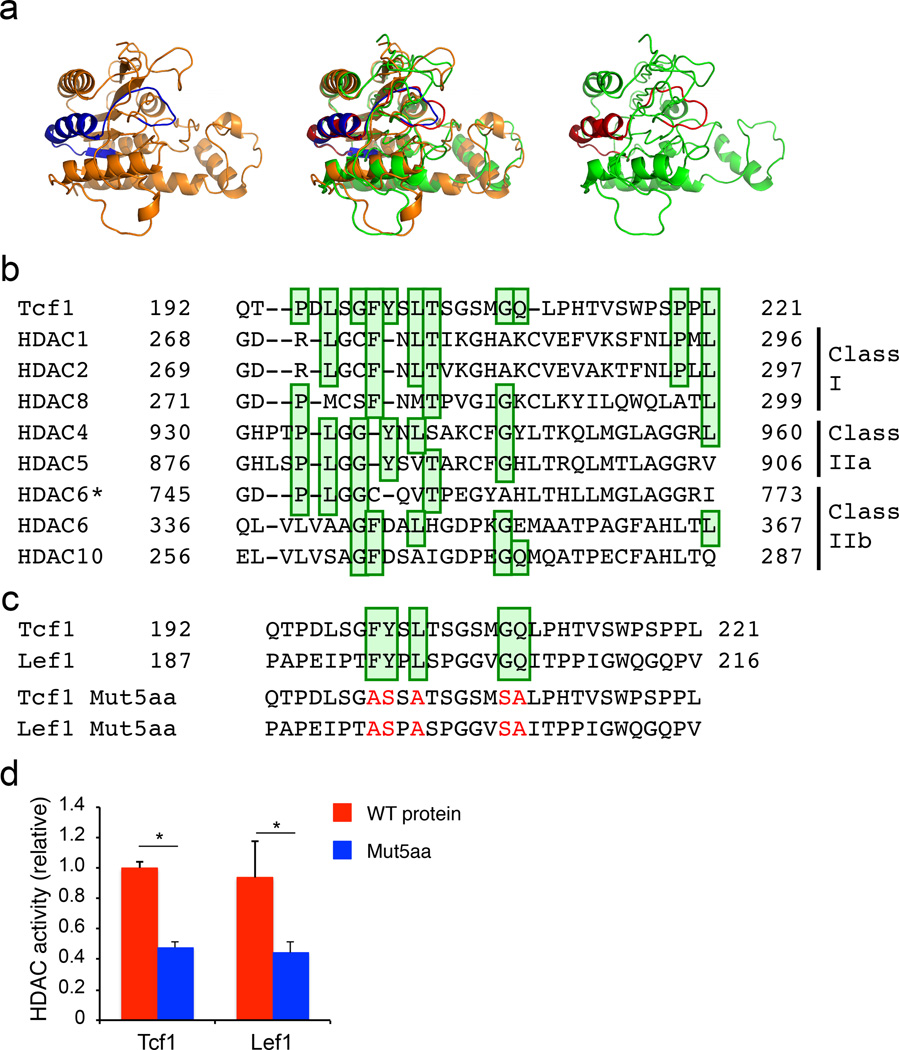
The CD4(+) and CD8(+) T cell dichotomy is essential for effective cellular immunity. How individual T cell identity is established remains poorly understood. Here we show that the high-mobility group (HMG) transcription factors Tcf1 and Lef1 are essential for repressing CD4(+) lineage-associated genes including Cd4, Foxp3 and Rorc in CD8(+) T cells. Tcf1- and Lef1-deficient CD8(+) T cells exhibit histone hyperacetylation, which can be ascribed to intrinsic histone deacetylase (HDAC) activity in Tcf1 and Lef1. Mutation of five conserved amino acids in the Tcf1 HDAC domain diminishes HDAC activity and the ability to suppress CD4(+) lineage genes in CD8(+) T cells. These findings reveal that sequence-specific transcription factors can utilize intrinsic HDAC activity to guard cell identity by repressing lineage-inappropriate genes.
CD4(+)和CD8(+) T细胞二分法对于有效的细胞免疫至关重要。个体T细胞身份是如何建立的仍知之甚少。在这里,我们表明高迁移率族(HMG)转录因子Tcf1和Lef1对于在CD8(+) T细胞中抑制包括Cd4、Foxp3和Rorc在内的CD4(+)谱系相关基因至关重要。Tcf1和Lef1缺陷的CD8(+) T细胞表现出组蛋白高度乙酰化,这可归因于Tcf1和Lef1中的内在组蛋白脱乙酰酶(HDAC)活性。Tcf1 HDAC结构域中五个保守氨基酸的突变会降低HDAC活性以及抑制CD8(+) T细胞中CD4(+)谱系基因的能力。这些发现揭示了序列特异性转录因子可以利用内在HDAC活性通过抑制谱系不适当的基因来保护细胞身份。