Grondin Cynthia J, Davis Allan Peter, Wiegers Thomas C, King Benjamin L, Wiegers Jolene A, Reif David M, Hoppin Jane A, Mattingly Carolyn J
Department of Biological Sciences, North Carolina State University, Raleigh, North Carolina, USA.
Environ Health Perspect. 2016 Oct;124(10):1592-1599. doi: 10.1289/EHP174. Epub 2016 May 12.
Exposure science studies the interactions and outcomes between environmental stressors and human or ecological receptors. To augment its role in understanding human health and the exposome, we aimed to centralize and integrate exposure science data into the broader biological framework of the Comparative Toxicogenomics Database (CTD), a public resource that promotes understanding of environmental chemicals and their effects on human health.
We integrated exposure data within the CTD to provide a centralized, freely available resource that facilitates identification of connections between real-world exposures, chemicals, genes/proteins, diseases, biological processes, and molecular pathways.
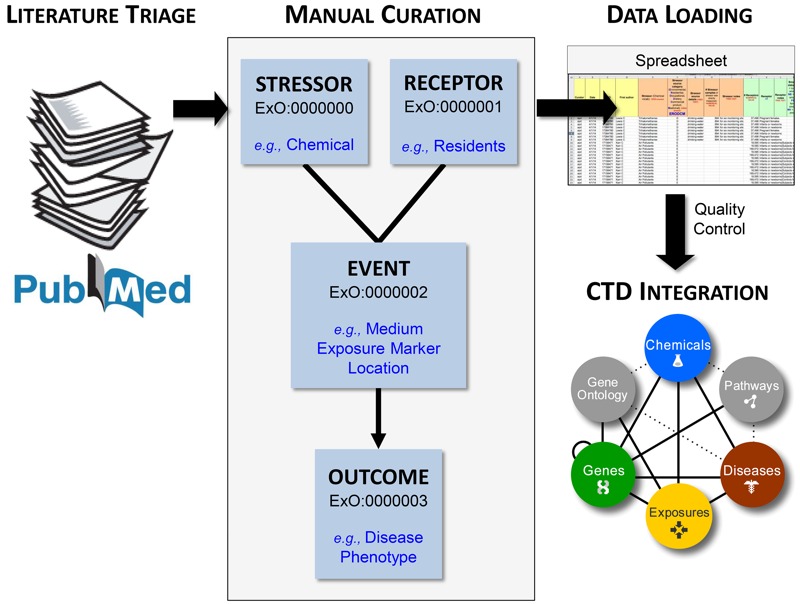
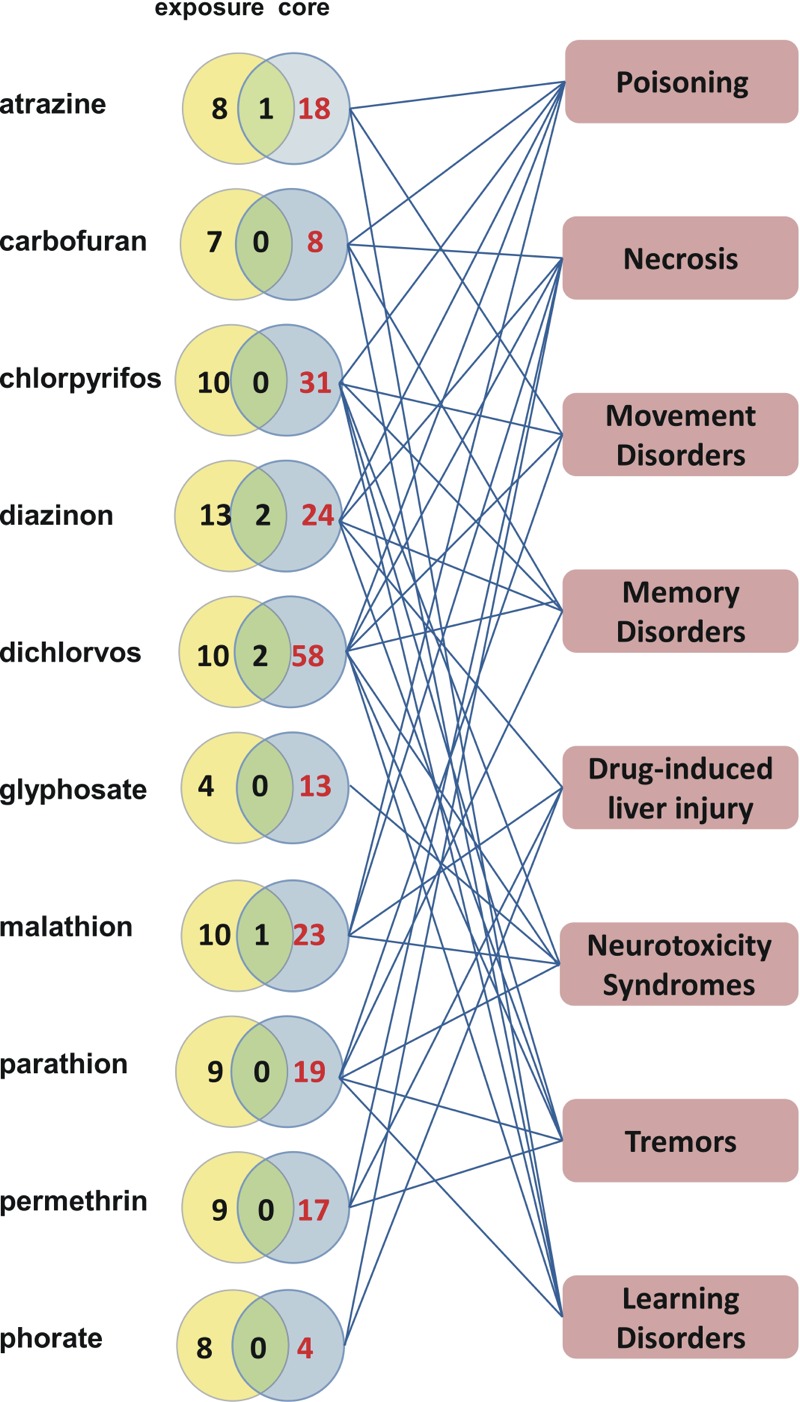
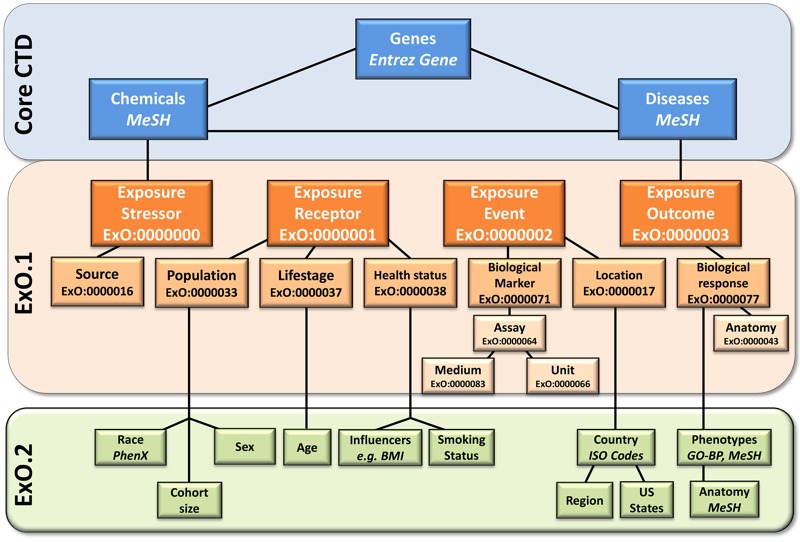
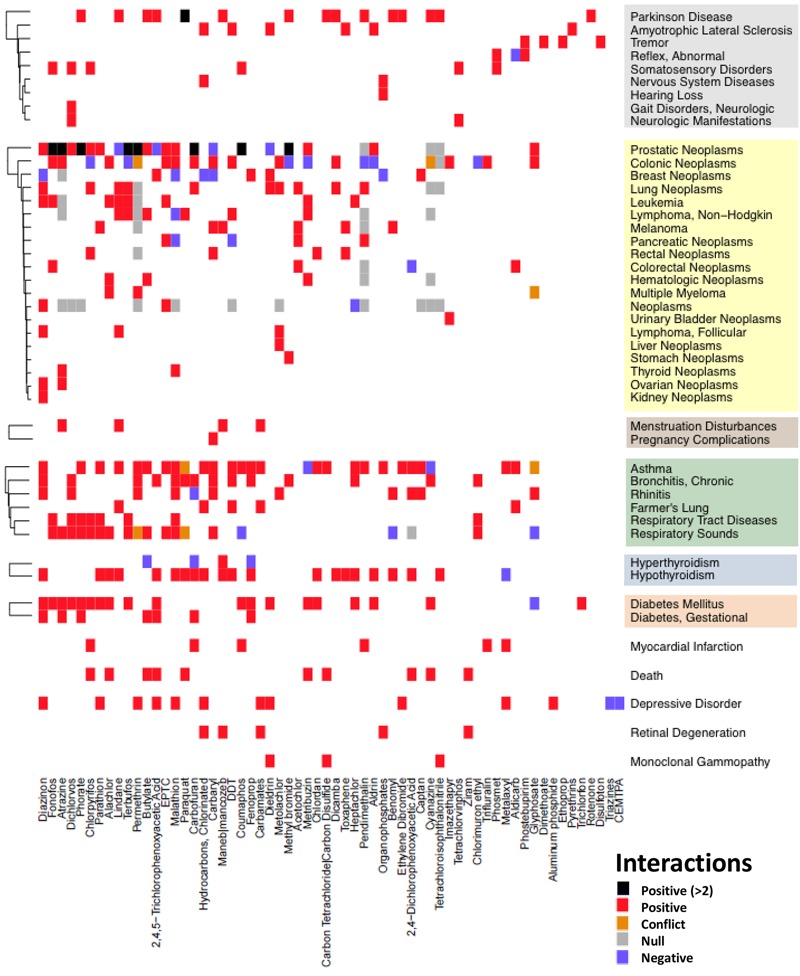
We developed a manual curation paradigm that captures exposure data from the scientific literature using controlled vocabularies and free text within the context of four primary exposure concepts: stressor, receptor, exposure event, and exposure outcome. Using data from the Agricultural Health Study, we have illustrated the benefits of both centralization and integration of exposure information with CTD core data.
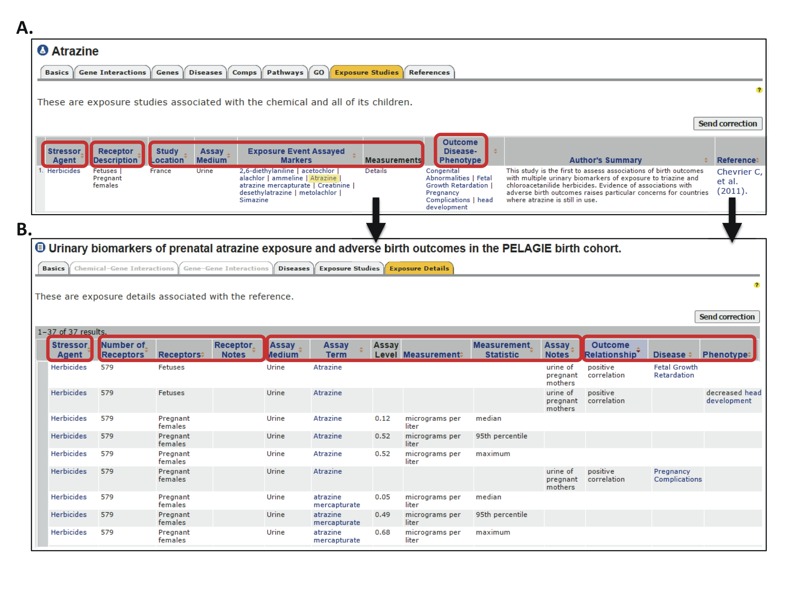
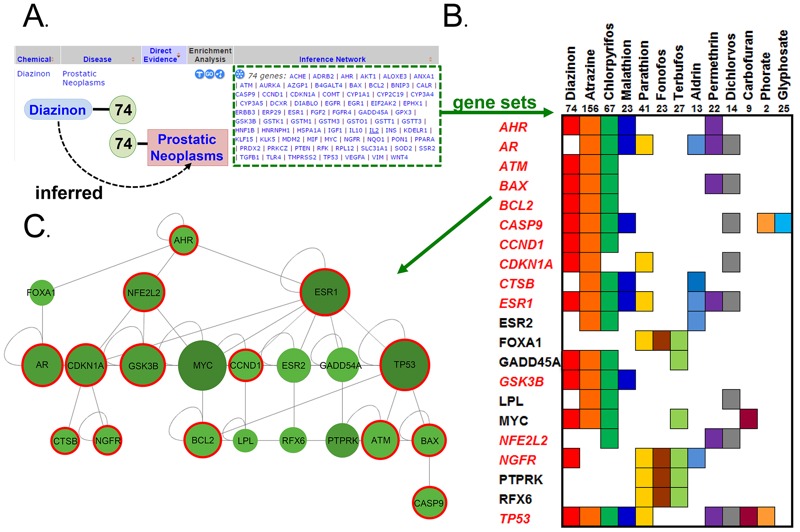
We have described our curation process, demonstrated how exposure data can be accessed and analyzed in the CTD, and shown how this integration provides a broad biological context for exposure data to promote mechanistic understanding of environmental influences on human health.
Curation and integration of exposure data within the CTD provides researchers with new opportunities to correlate exposures with human health outcomes, to identify underlying potential molecular mechanisms, and to improve understanding about the exposome.
Grondin CJ, Davis AP, Wiegers TC, King BL, Wiegers JA, Reif DM, Hoppin JA, Mattingly CJ. 2016. Advancing exposure science through chemical data curation and integration in the Comparative Toxicogenomics Database. Environ Health Perspect 124:1592-1599; http://dx.doi.org/10.1289/EHP174.
暴露科学研究环境应激源与人类或生态受体之间的相互作用及结果。为增强其在理解人类健康和暴露组方面的作用,我们旨在将暴露科学数据集中并整合到比较毒理基因组学数据库(CTD)这一更广泛的生物学框架中,CTD是一个促进对环境化学物质及其对人类健康影响理解的公共资源。
我们在CTD中整合暴露数据,以提供一个集中的、免费可用的资源,便于识别现实世界暴露、化学物质、基因/蛋白质、疾病、生物过程和分子途径之间的联系。
我们开发了一种人工编目范式,该范式在四个主要暴露概念(应激源、受体、暴露事件和暴露结果)的背景下,使用受控词汇和自由文本从科学文献中捕获暴露数据。利用农业健康研究的数据,我们展示了将暴露信息集中化和整合到CTD核心数据中的好处。
我们描述了我们的编目过程,展示了如何在CTD中访问和分析暴露数据,并表明这种整合如何为暴露数据提供广泛的生物学背景,以促进对环境对人类健康影响的机制理解。
在CTD中对暴露数据进行编目和整合为研究人员提供了新的机会,以将暴露与人类健康结果相关联、识别潜在的分子机制,并增进对暴露组的理解。
Grondin CJ, Davis AP, Wiegers TC, King BL, Wiegers JA, Reif DM, Hoppin JA, Mattingly CJ. 2016. 通过比较毒理基因组学数据库中的化学数据编目和整合推进暴露科学。环境健康展望124:1592 - 1599; http://dx.doi.org/10.1289/EHP174 。