Blaser Martin J, Cardon Zoe G, Cho Mildred K, Dangl Jeffrey L, Donohue Timothy J, Green Jessica L, Knight Rob, Maxon Mary E, Northen Trent R, Pollard Katherine S, Brodie Eoin L
Departments of Microbiology and Medicine, New York University School of Medicine, New York, New York, USA.
The Ecosystems Center, Marine Biological Laboratory, Woods Hole, Massachusetts, USA.
mBio. 2016 May 13;7(3):e00714-16. doi: 10.1128/mBio.00714-16.
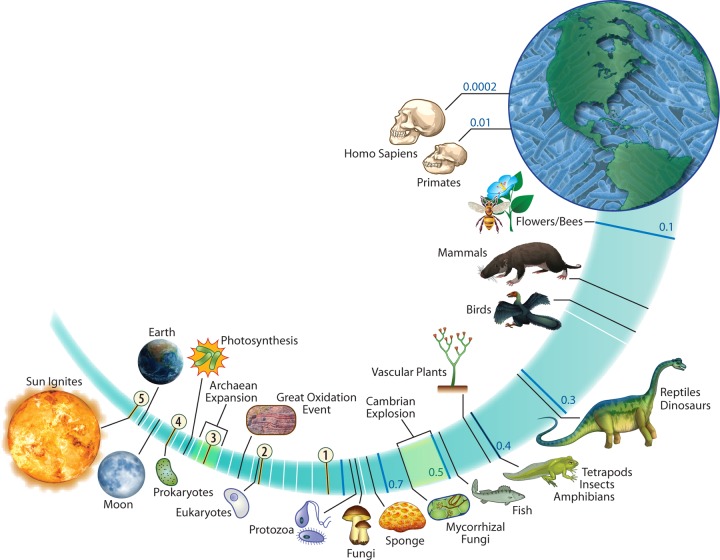
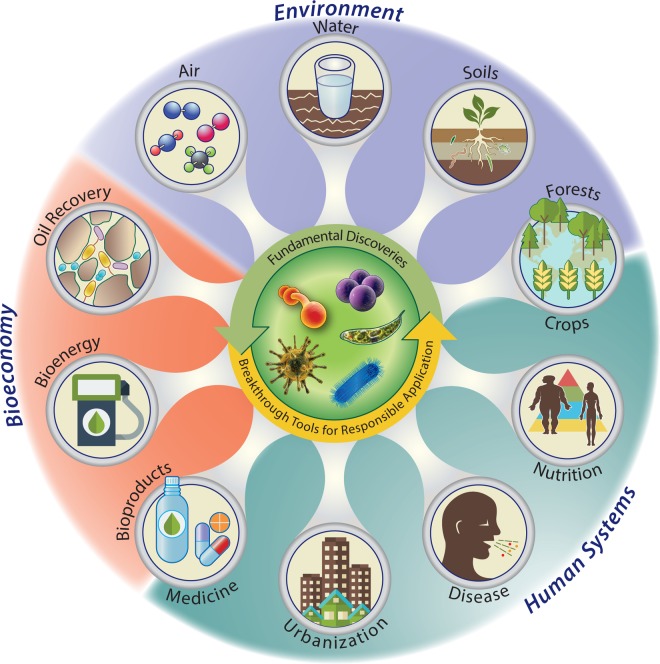
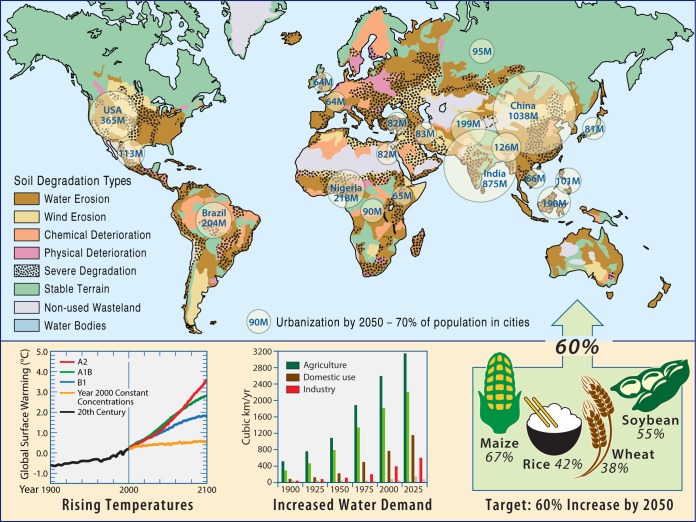
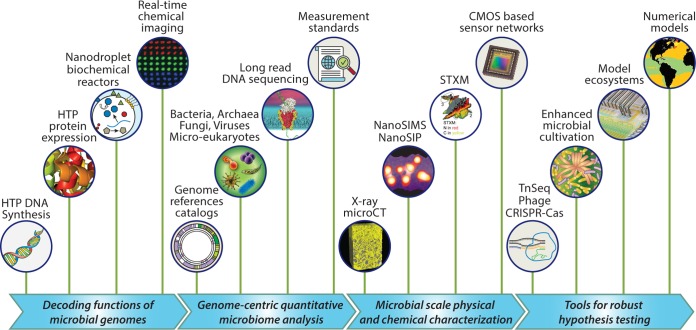
Microorganisms have shaped our planet and its inhabitants for over 3.5 billion years. Humankind has had a profound influence on the biosphere, manifested as global climate and land use changes, and extensive urbanization in response to a growing population. The challenges we face to supply food, energy, and clean water while maintaining and improving the health of our population and ecosystems are significant. Given the extensive influence of microorganisms across our biosphere, we propose that a coordinated, cross-disciplinary effort is required to understand, predict, and harness microbiome function. From the parallelization of gene function testing to precision manipulation of genes, communities, and model ecosystems and development of novel analytical and simulation approaches, we outline strategies to move microbiome research into an era of causality. These efforts will improve prediction of ecosystem response and enable the development of new, responsible, microbiome-based solutions to significant challenges of our time.
在超过35亿年的时间里,微生物塑造了我们的星球及其居民。人类对生物圈产生了深远影响,表现为全球气候和土地利用变化,以及为应对人口增长而进行的大规模城市化。我们在为人口和生态系统提供食物、能源和清洁水的同时,还要维护和改善他们的健康,这面临着巨大挑战。鉴于微生物在我们生物圈中的广泛影响,我们建议需要开展协调一致的跨学科努力,以了解、预测和利用微生物组功能。从基因功能测试的并行化到基因、群落和模型生态系统的精确操纵,以及新分析和模拟方法的开发,我们概述了将微生物组研究带入因果关系时代的策略。这些努力将改善对生态系统反应的预测,并有助于开发基于微生物组的新的、负责任的解决方案,以应对我们这个时代的重大挑战。