Cisneros Gerardo Andrés, Wikfeldt Kjartan Thor, Ojamäe Lars, Lu Jibao, Xu Yao, Torabifard Hedieh, Bartók Albert P, Csányi Gábor, Molinero Valeria, Paesani Francesco
Department of Chemistry, Wayne State University , Detroit, Michigan 48202, United States.
Science Institute, University of Iceland , VR-III, 107, Reykjavik, Iceland.
Chem Rev. 2016 Jul 13;116(13):7501-28. doi: 10.1021/acs.chemrev.5b00644. Epub 2016 May 17.
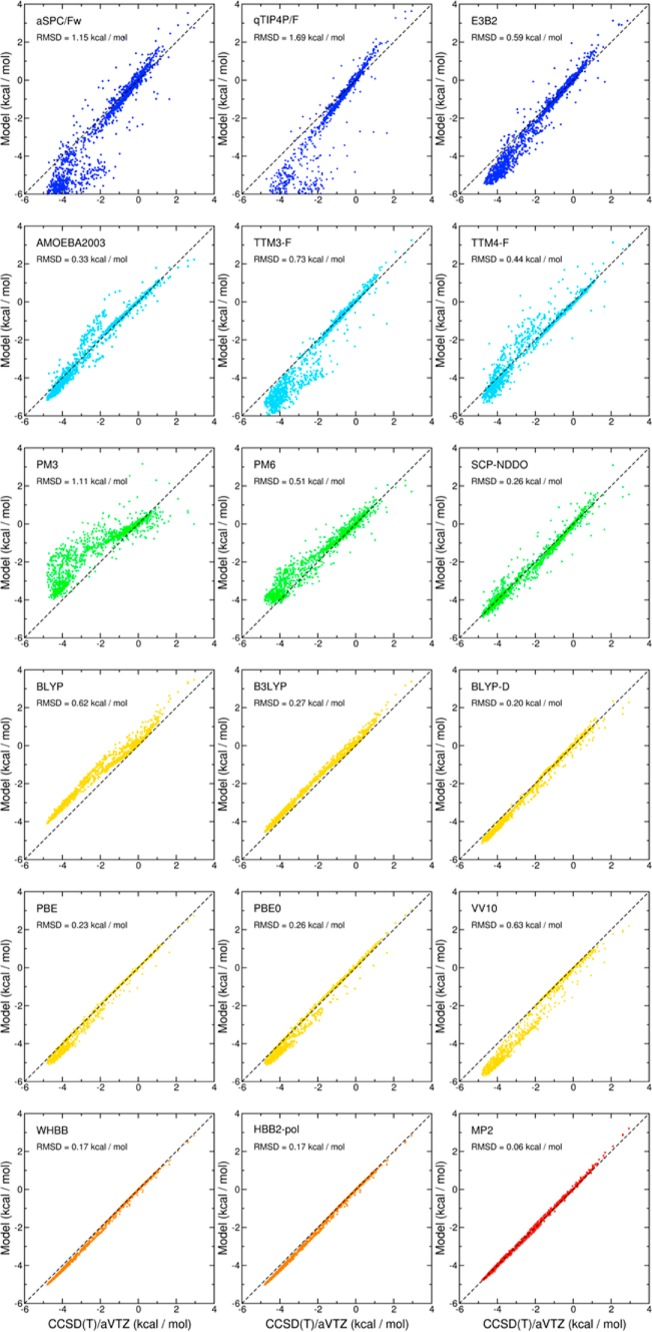
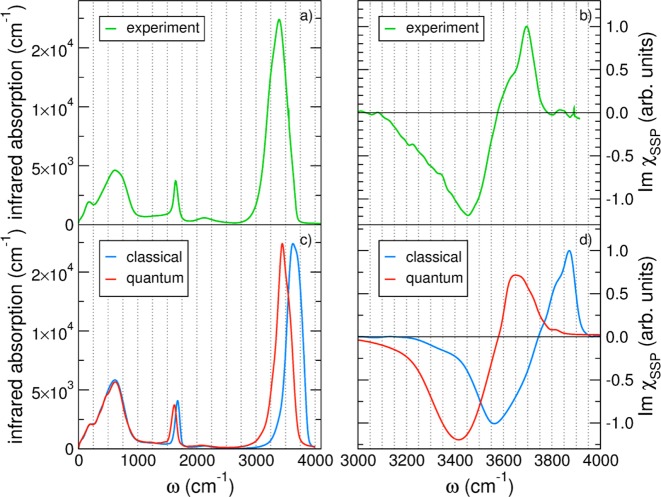
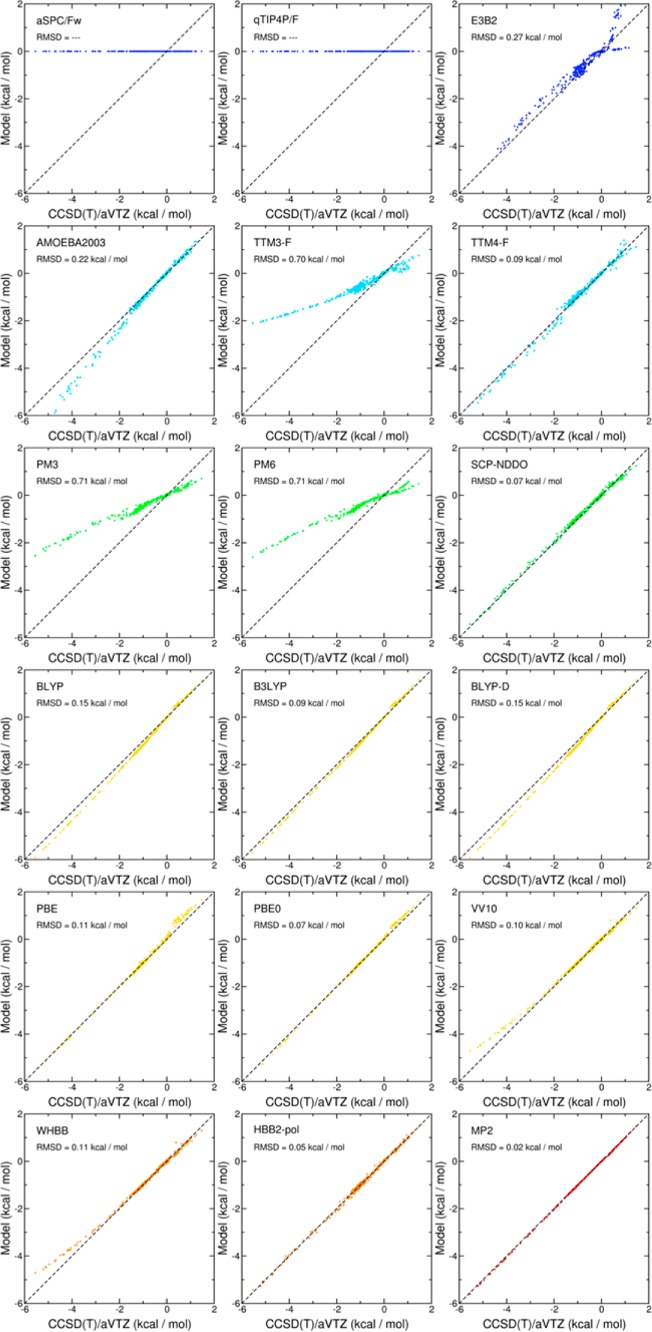
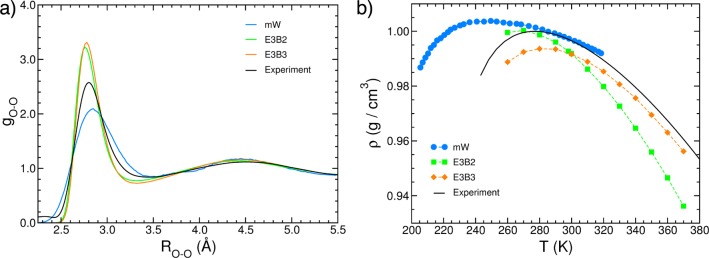
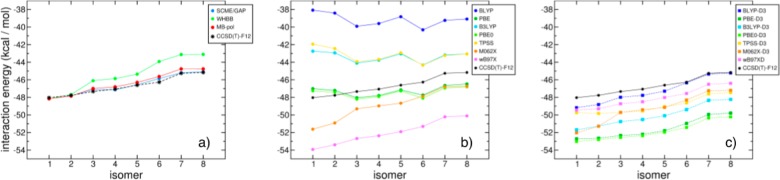
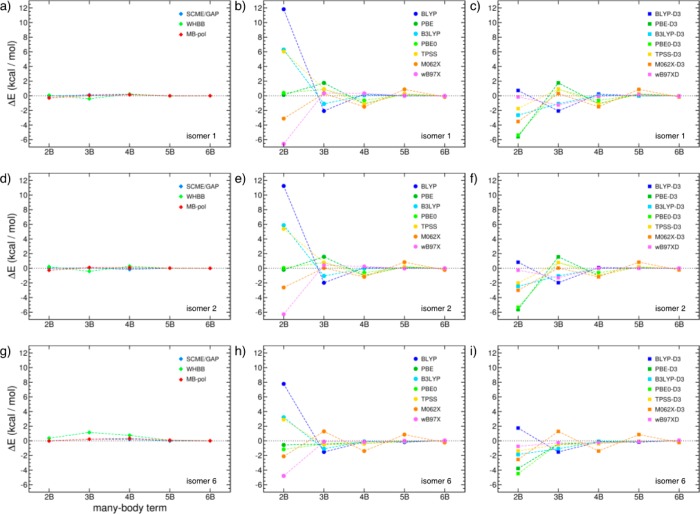
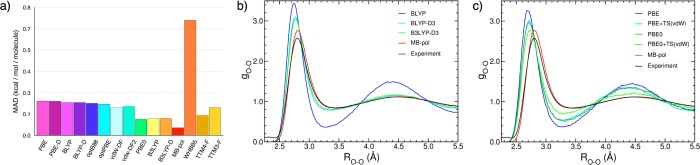
Almost 50 years have passed from the first computer simulations of water, and a large number of molecular models have been proposed since then to elucidate the unique behavior of water across different phases. In this article, we review the recent progress in the development of analytical potential energy functions that aim at correctly representing many-body effects. Starting from the many-body expansion of the interaction energy, specific focus is on different classes of potential energy functions built upon a hierarchy of approximations and on their ability to accurately reproduce reference data obtained from state-of-the-art electronic structure calculations and experimental measurements. We show that most recent potential energy functions, which include explicit short-range representations of two-body and three-body effects along with a physically correct description of many-body effects at all distances, predict the properties of water from the gas to the condensed phase with unprecedented accuracy, thus opening the door to the long-sought "universal model" capable of describing the behavior of water under different conditions and in different environments.
从首次对水进行计算机模拟至今已过去近50年,自那时起已提出大量分子模型以阐明水在不同相态下的独特行为。在本文中,我们回顾了旨在正确表示多体效应的解析势能函数开发方面的最新进展。从相互作用能的多体展开出发,特别关注基于近似层次构建的不同类别的势能函数,以及它们精确再现从最先进的电子结构计算和实验测量中获得的参考数据的能力。我们表明,最新的势能函数,包括对两体和三体效应的显式短程表示以及对所有距离下多体效应的物理正确描述,以前所未有的精度预测了水从气相到凝聚相的性质,从而为长期寻求的能够描述水在不同条件和不同环境下行为的“通用模型”打开了大门。