Saisho Yoshifumi
Department of Internal Medicine, Keio University School of Medicine, 1608582 Tokyo, Japan.
Int J Mol Sci. 2016 May 17;17(5):744. doi: 10.3390/ijms17050744.
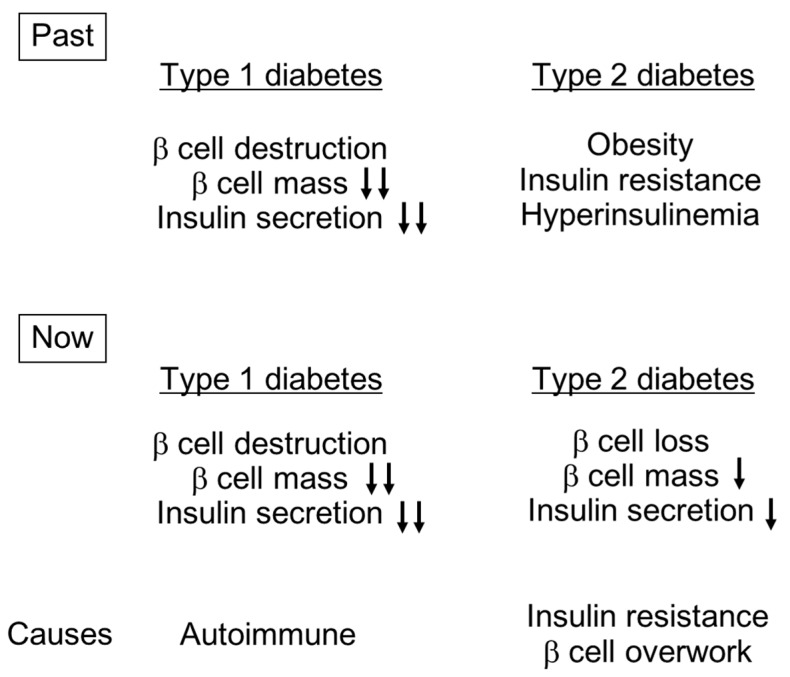
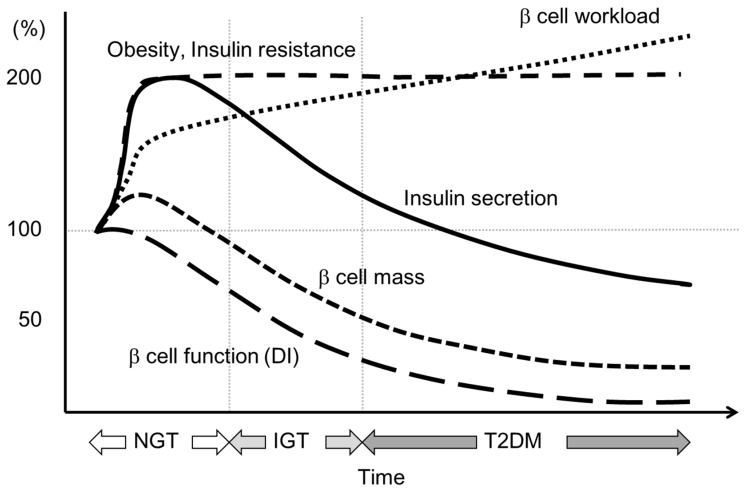
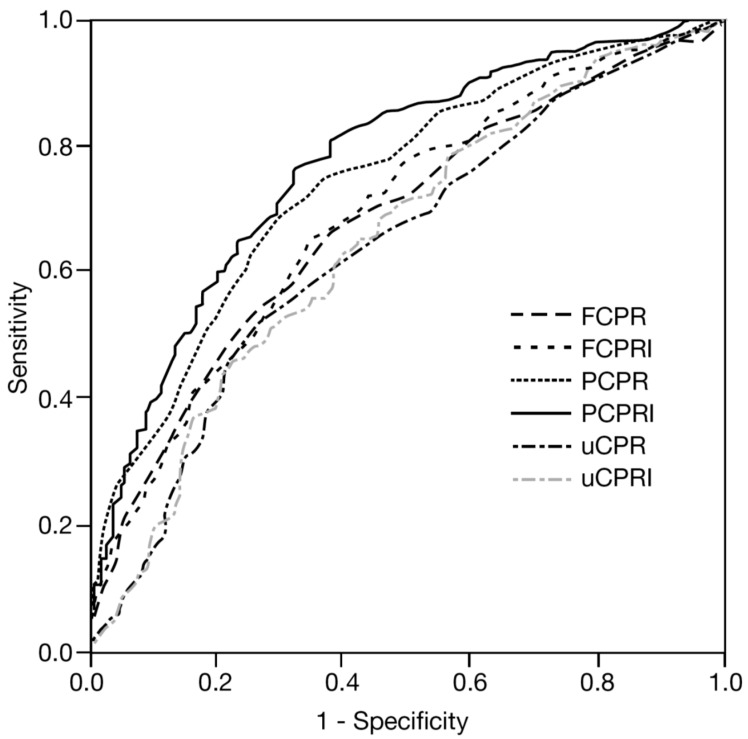
C-peptide is secreted from pancreatic β cells at an equimolar ratio to insulin. Since, in contrast to insulin, C-peptide is not extracted by the liver and other organs, C-peptide reflects endogenous insulin secretion more accurately than insulin. C-peptide is therefore used as a marker of β cell function. C-peptide has been mainly used to assess the presence of an insulin-dependent state for the diagnosis of type 1 diabetes. However, recent studies have revealed that β cell dysfunction is also a core deficit of type 2 diabetes, and residual β cell function is a key factor in achieving optimal glycemic control in patients with type 2 diabetes. This review summarizes the role of C-peptide, especially the postprandial C-peptide to glucose ratio which likely better reflects maximum β cell secretory capacity compared with the fasting ratio in assessing β cell function, and discusses perspectives on its clinical utility for managing glycemic control in patients with type 2 diabetes.
C肽以与胰岛素等摩尔的比例从胰腺β细胞分泌。与胰岛素不同,C肽不会被肝脏和其他器官摄取,因此C肽比胰岛素更能准确反映内源性胰岛素分泌。因此,C肽被用作β细胞功能的标志物。C肽主要用于评估1型糖尿病诊断中胰岛素依赖状态的存在。然而,最近的研究表明,β细胞功能障碍也是2型糖尿病的核心缺陷,残余β细胞功能是2型糖尿病患者实现最佳血糖控制的关键因素。本综述总结了C肽的作用,特别是餐后C肽与葡萄糖的比值,与空腹比值相比,该比值可能能更好地反映最大β细胞分泌能力,同时探讨了其在2型糖尿病患者血糖控制管理中的临床应用前景。