Dubey Jitender P, Ferreira Leandra R, Alsaad Mohammad, Verma Shiv K, Alves Derron A, Holland Gary N, McConkey Glenn A
United States Department of Agriculture, Agricultural Research Service, Beltsville Agricultural Research Center, Animal Parasitic Diseases Laboratory, Beltsville, Maryland, United States of America.
Faculty of Biological Sciences, University of Leeds, Miall Building, Clarendon Way, Leeds, United Kingdom.
PLoS One. 2016 May 26;11(5):e0156255. doi: 10.1371/journal.pone.0156255. eCollection 2016.
The protozoan parasite Toxoplasma gondii is one of the most widely distributed and successful parasites. Toxoplasma gondii alters rodent behavior such that infected rodents reverse their fear of cat odor, and indeed are attracted rather than repelled by feline urine. The location of the parasite encysted in the brain may influence this behavior. However, most studies are based on the highly susceptible rodent, the mouse.
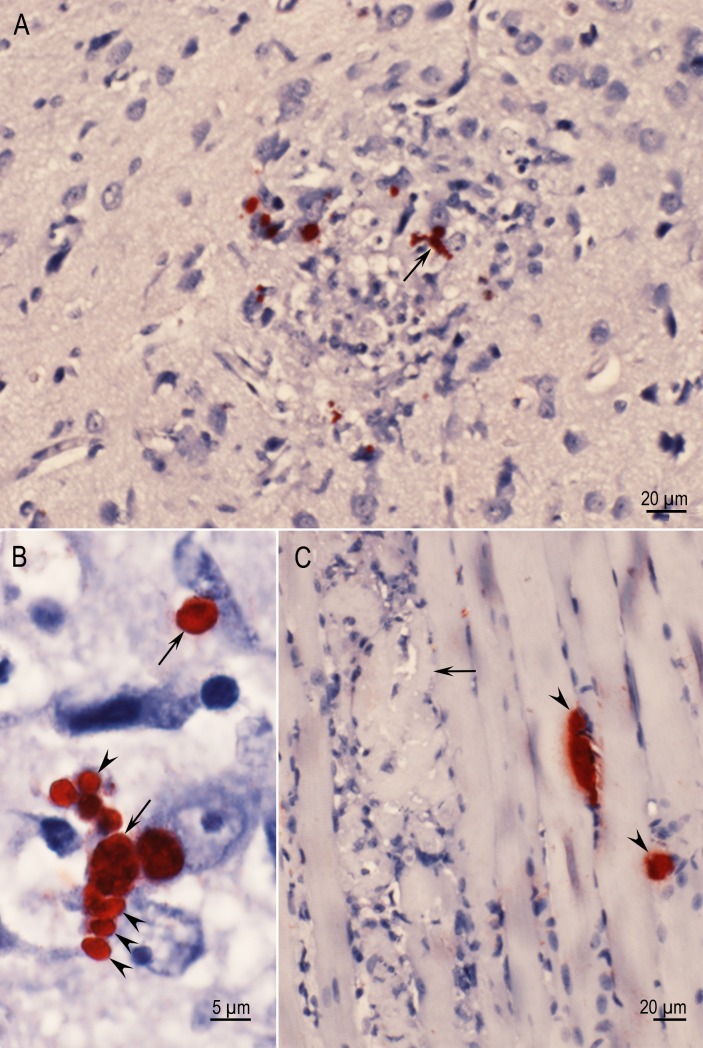
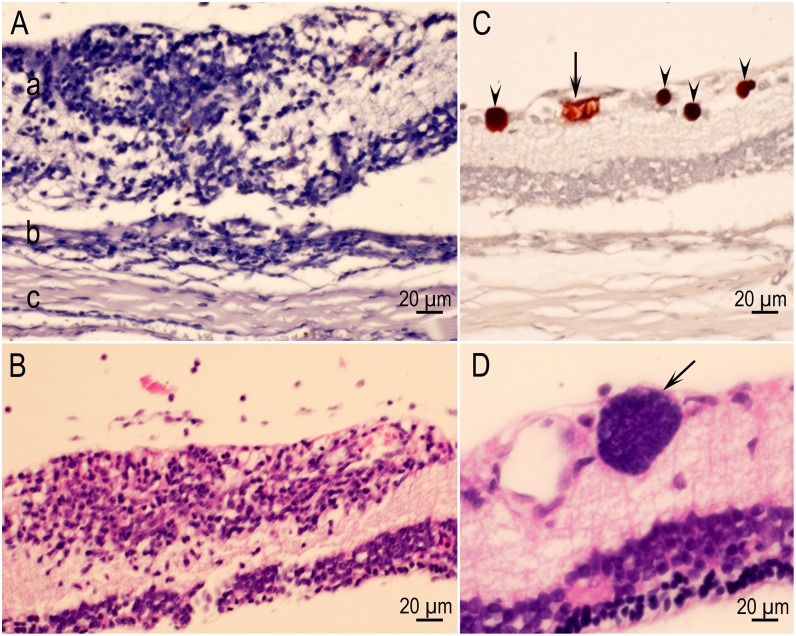
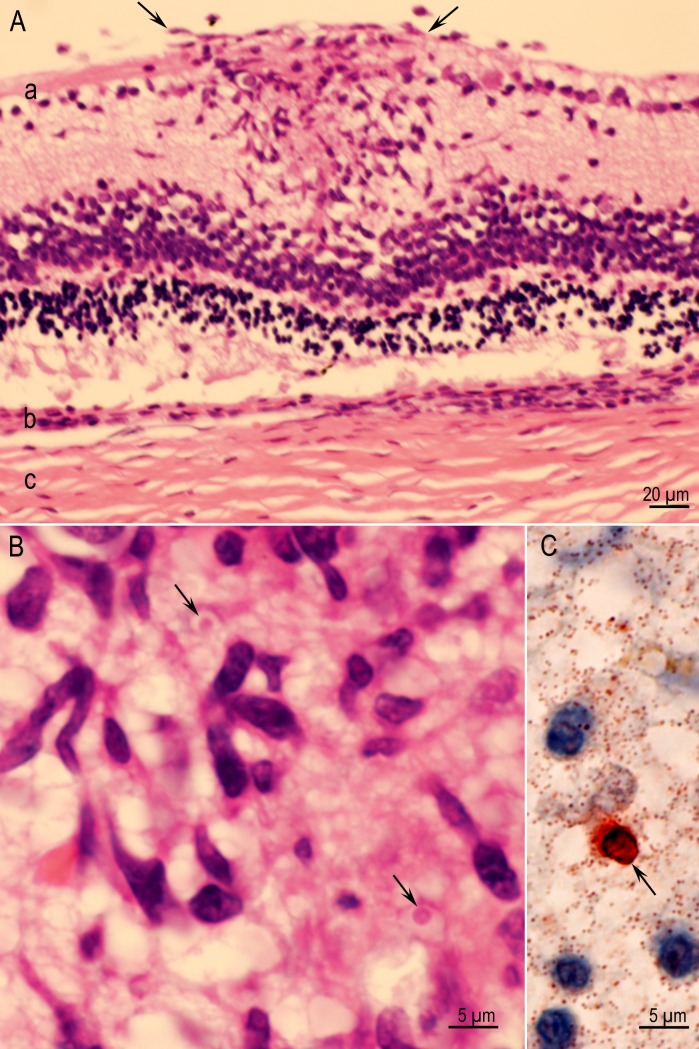
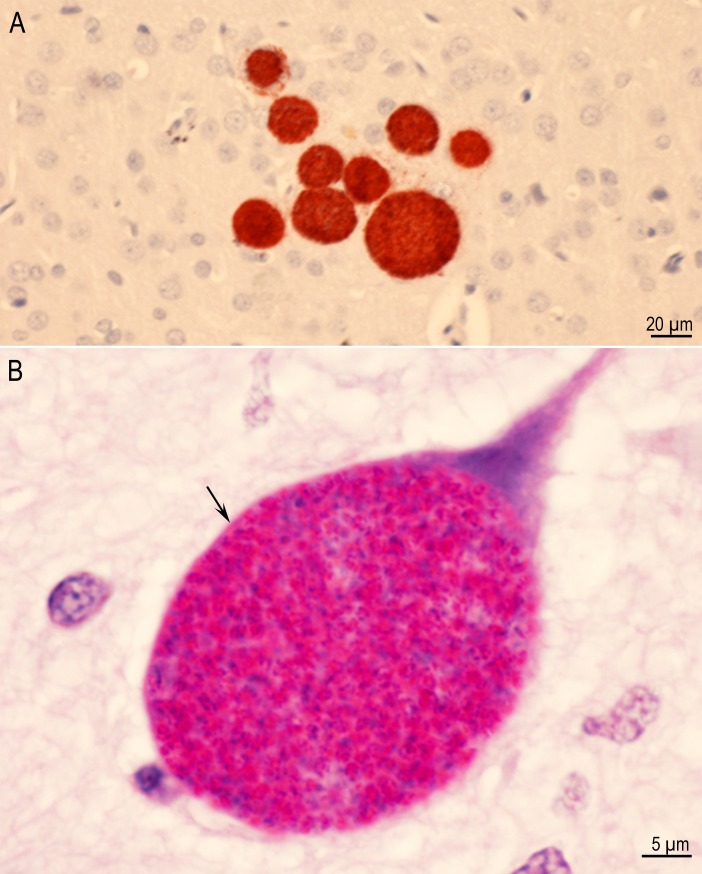
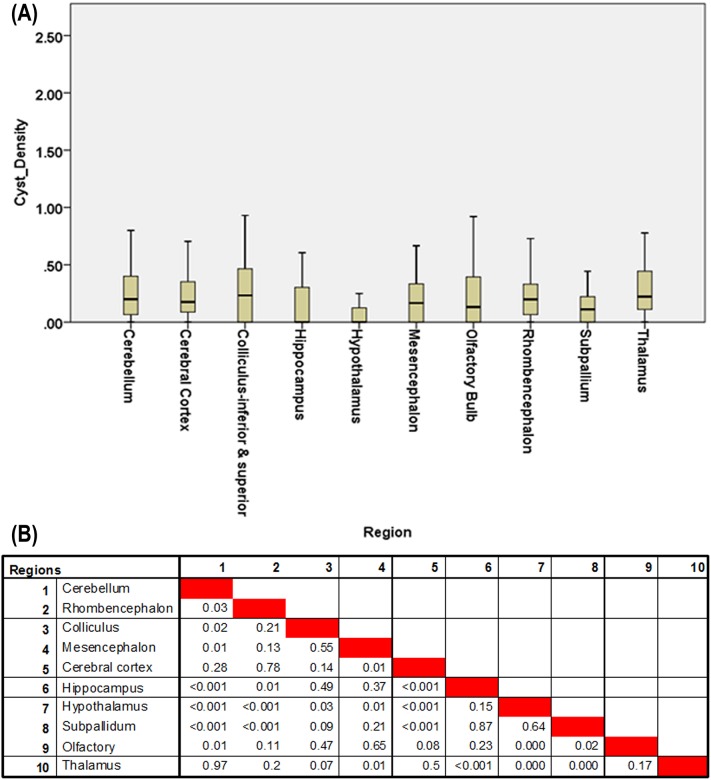
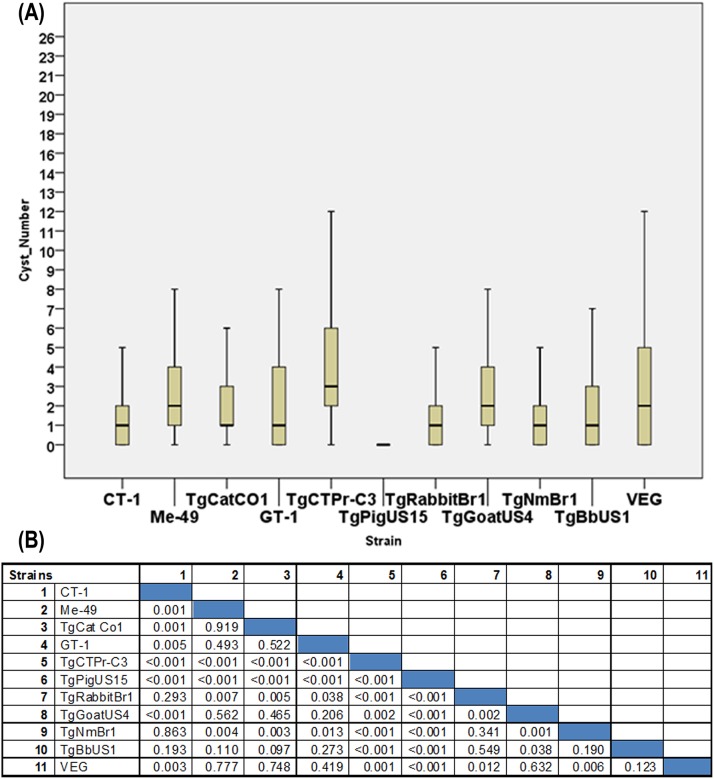
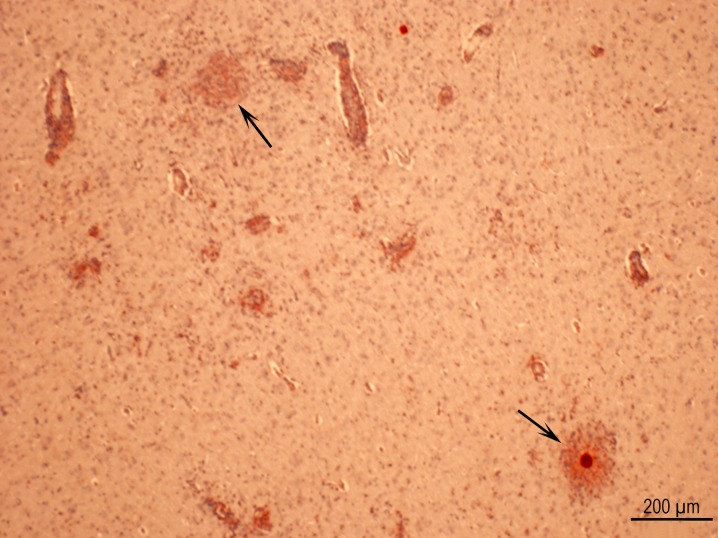
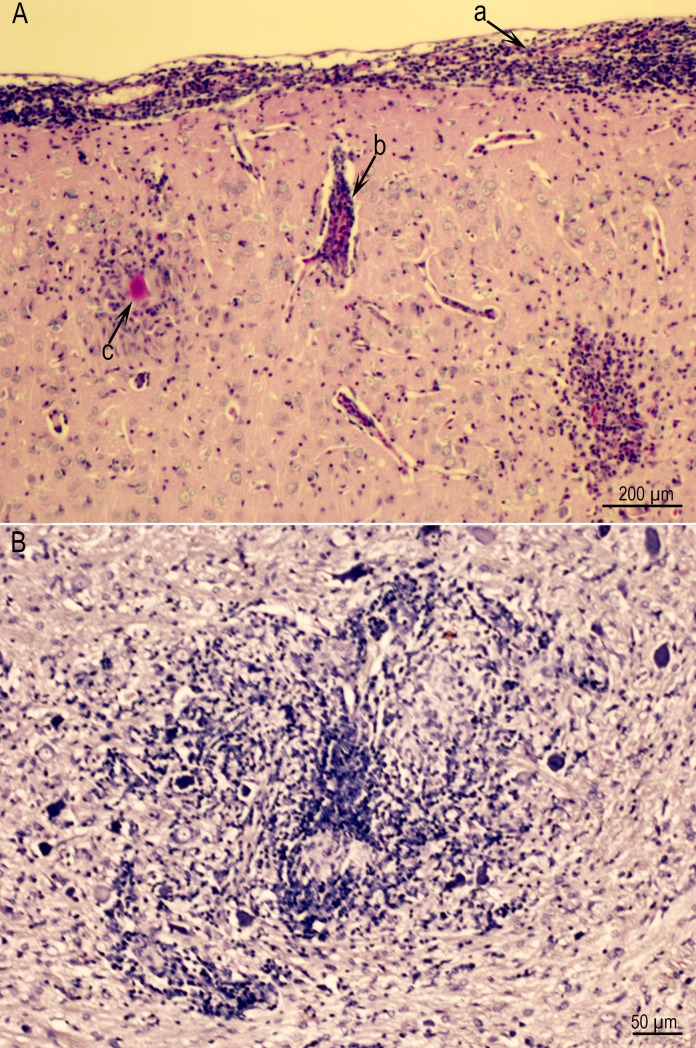
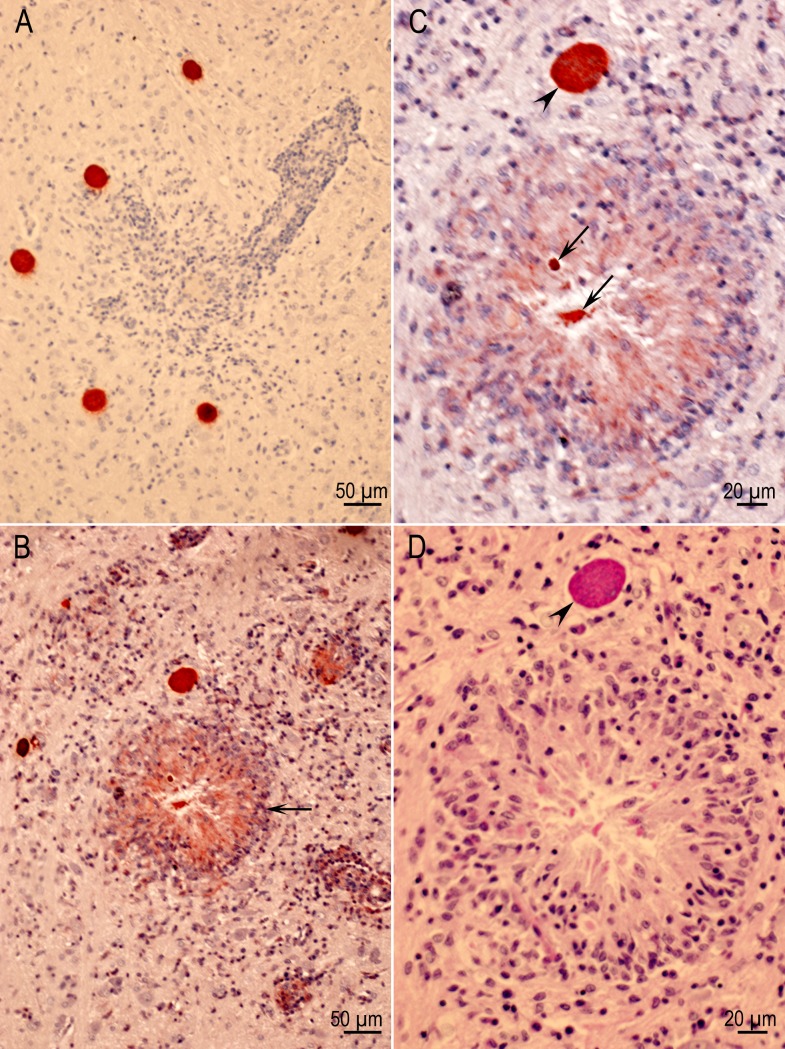
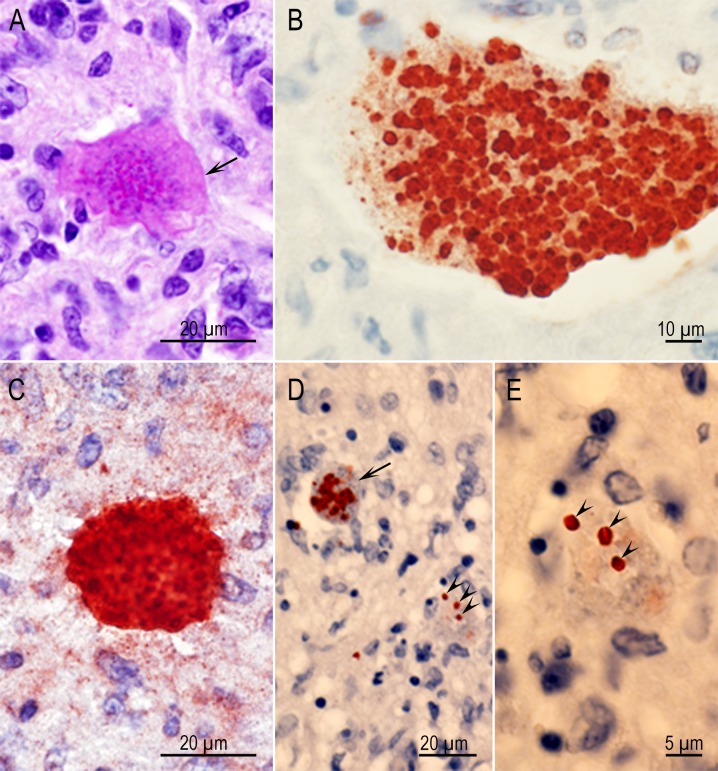
METHODOLOGY/PRINCIPAL FINDINGS: Latent toxoplasmosis was induced in rats (10 rats per T. gondii strains) of the same age, strain, and sex, after oral inoculation with oocysts (natural route and natural stage of infection) of 11 T. gondii strains of seven genotypes. Rats were euthanized at two months post inoculation (p.i.) to investigate whether the parasite genotype affects the distribution, location, tissue cyst size, or lesions. Tissue cysts were enumerated in different regions of the brains, both in histological sections as well in saline homogenates. Tissue cysts were found in all regions of the brain. The tissue cyst density in different brain regions varied extensively between rats with many regions highly infected in some animals. Overall, the colliculus was most highly infected although there was a large amount of variability. The cerebral cortex, thalamus, and cerebellum had higher tissue cyst densities and two strains exhibited tropism for the colliculus and olfactory bulb. Histologically, lesions were confined to the brain and eyes. Tissue cyst rupture was frequent with no clear evidence for reactivation of tachyzoites. Ocular lesions were found in 23 (25%) of 92 rat eyes at two months p.i. The predominant lesion was focal inflammation in the retina. Tissue cysts were seen in the sclera of one and in the optic nerve of two rats. The choroid was not affected. Only tissue cysts, not active tachyzoite infections, were detected. Tissue cysts were seen in histological sections of tongue of 20 rats but not in myocardium and leg muscle.
CONCLUSION/SIGNIFICANCE: This study reevaluated in depth the rat model of toxoplasmosis visualizing cyst rupture and clarified many aspects of the biology of the parasite useful for future investigations.
原生动物寄生虫刚地弓形虫是分布最广泛且最成功的寄生虫之一。刚地弓形虫会改变啮齿动物的行为,使受感染的啮齿动物不再惧怕猫的气味,实际上它们会被猫尿吸引而非排斥。寄生在大脑中的包囊位置可能会影响这种行为。然而,大多数研究是基于高度易感的啮齿动物——小鼠。
方法/主要发现:对年龄、品系和性别相同的大鼠(每个弓形虫菌株10只大鼠)经口接种7种基因型的11个弓形虫菌株的卵囊(自然感染途径和自然感染阶段),诱导潜伏性弓形虫病。接种后两个月对大鼠实施安乐死,以研究寄生虫基因型是否会影响包囊的分布、位置、组织囊肿大小或病变情况。在组织学切片以及生理盐水匀浆中,对大脑不同区域的组织囊肿进行计数。在大脑的所有区域均发现了组织囊肿。不同脑区的组织囊肿密度在大鼠之间差异很大,有些动物的许多区域感染程度很高。总体而言,尽管存在很大差异,但丘脑中感染程度最高。大脑皮层、丘脑和小脑的组织囊肿密度较高,有两个菌株表现出对丘脑和嗅球的嗜性。组织学上,病变局限于大脑和眼睛。组织囊肿破裂很常见,没有明显的速殖子再激活证据。接种后两个月,在92只大鼠的23只(25%)眼睛中发现眼部病变。主要病变是视网膜局灶性炎症。在1只大鼠的巩膜和2只大鼠的视神经中发现了组织囊肿。脉络膜未受影响。仅检测到组织囊肿,未检测到活跃的速殖子感染。在20只大鼠的舌组织学切片中发现了组织囊肿,但在心肌和腿部肌肉中未发现。
结论/意义:本研究深入重新评估了弓形虫病的大鼠模型,观察到囊肿破裂,并阐明了该寄生虫生物学的许多方面,有助于未来的研究。