Gao Yu-Lei, Chai Yan-Fen, Qi An-Long, Yao Ying, Liu Yan-Cun, Dong Ning, Wang Li-Jun, Yao Yong-Ming
Department of Emergency Medicine, Tianjin Medical University General Hospital, Tianjin 300052, China.
Trauma Research Center, First Hospital Affiliated to the Chinese PLA General Hospital, Beijing 100048, China.
Mediators Inflamm. 2016;2016:7132158. doi: 10.1155/2016/7132158. Epub 2016 Apr 27.
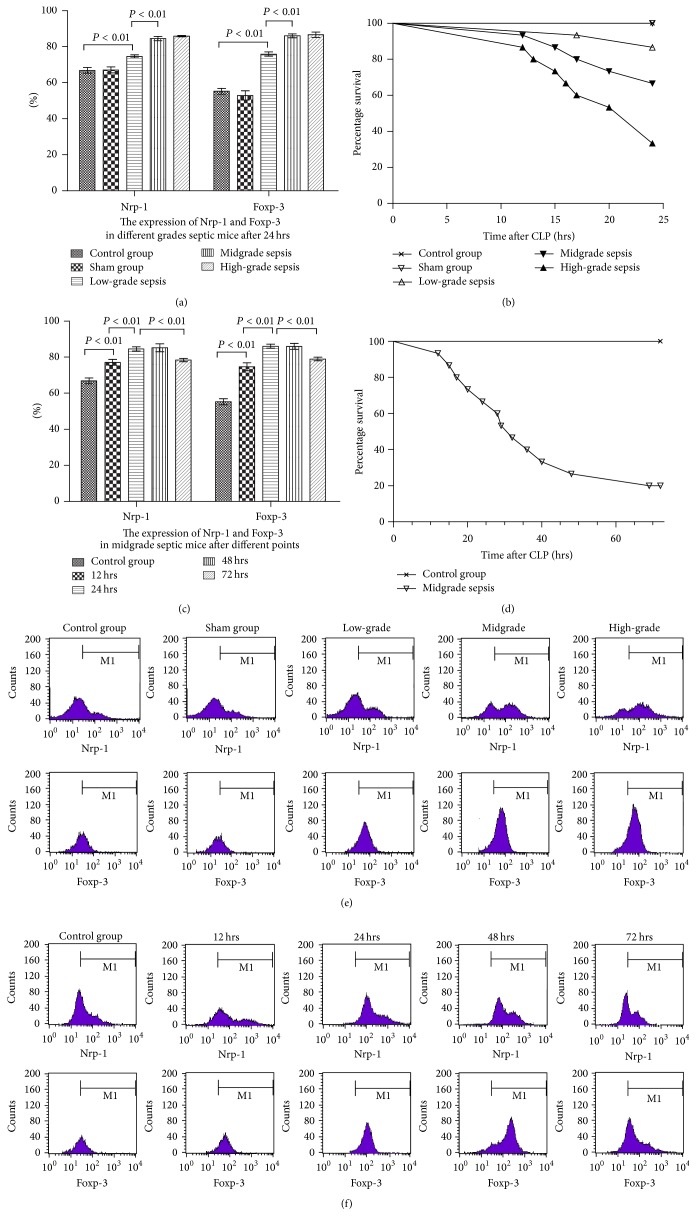
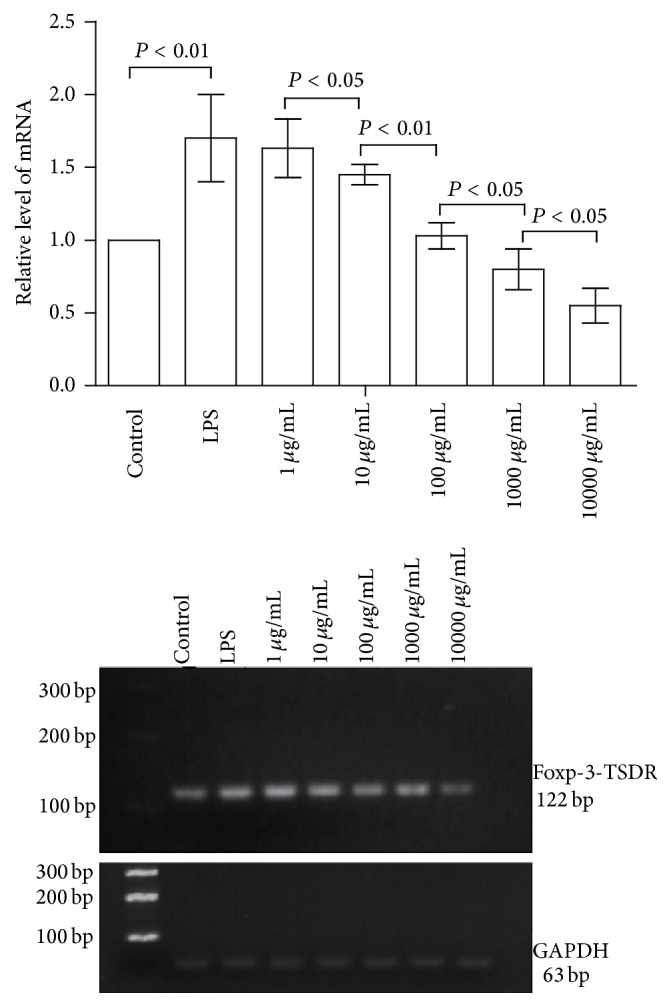
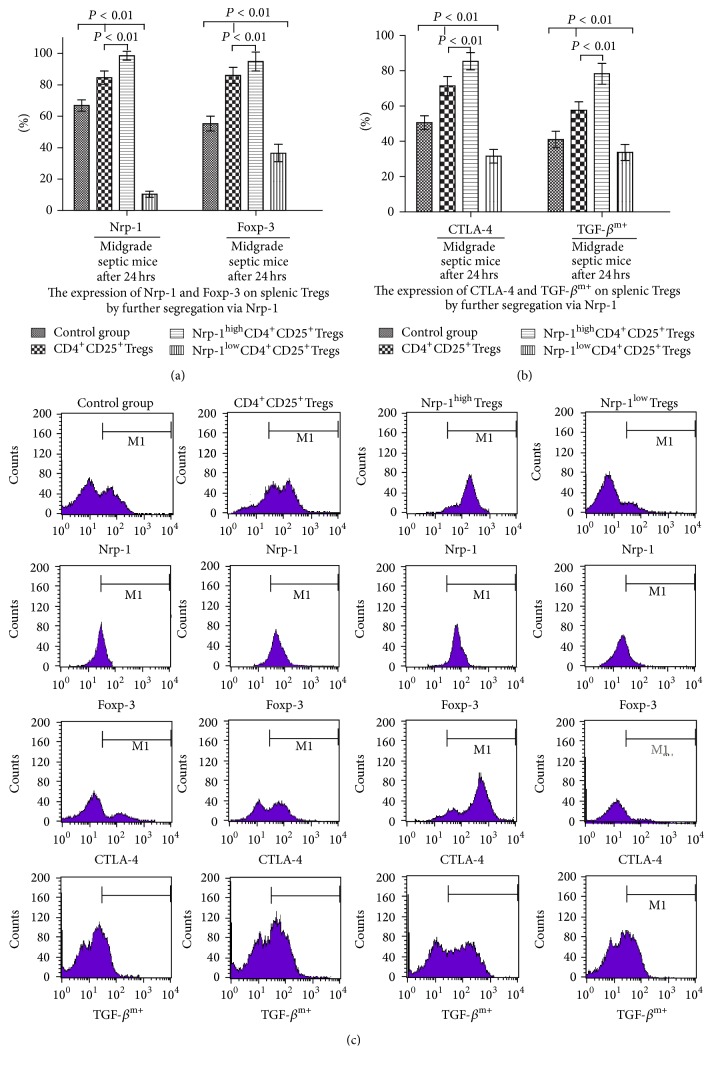
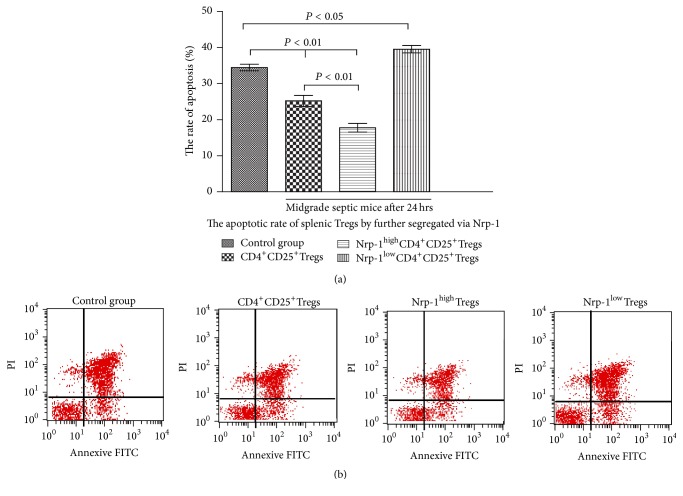
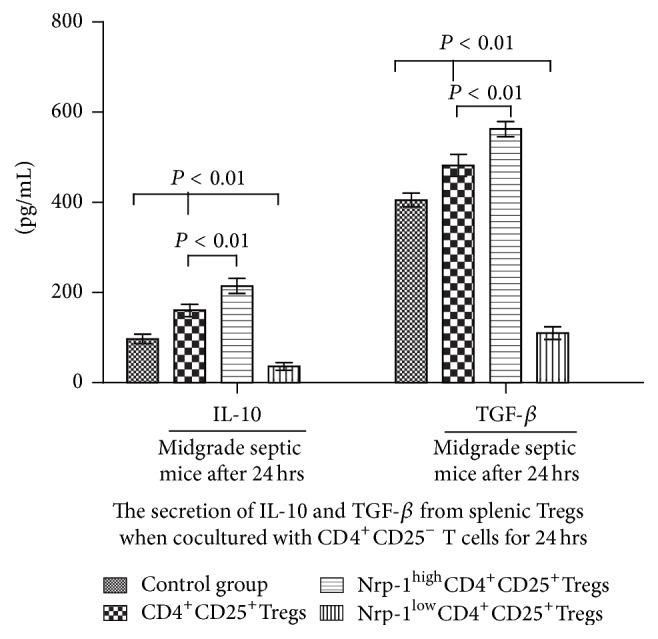
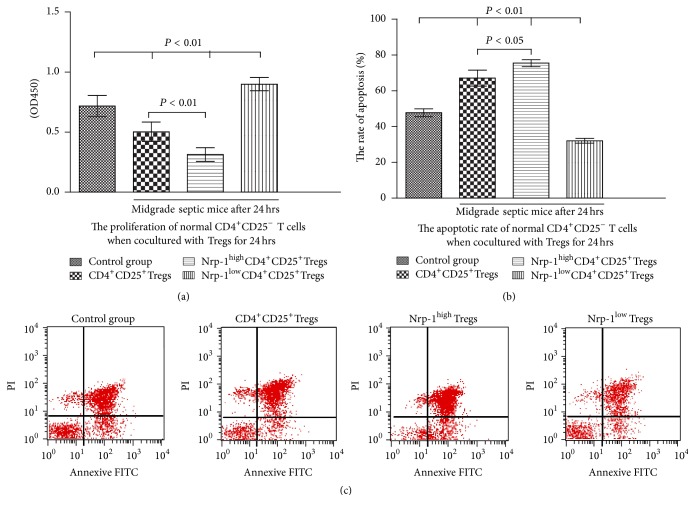
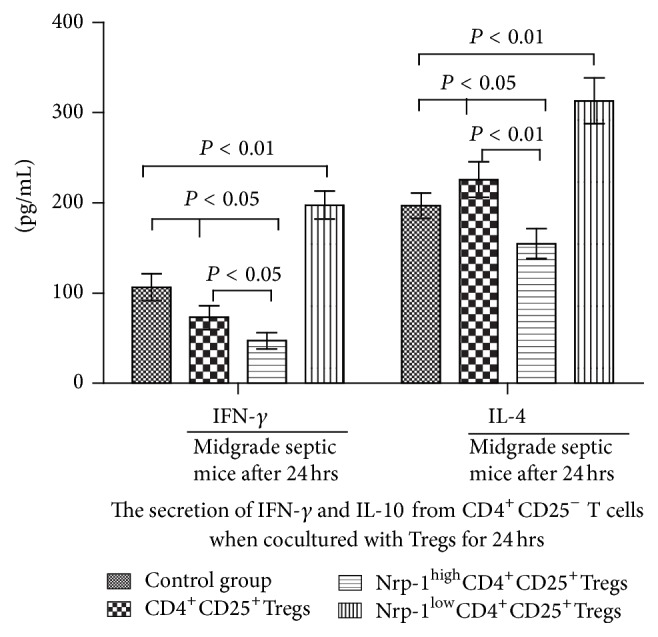
Regulatory T cells (Tregs) appear to be involved in sepsis-induced immune dysfunction; neuropilin-1 (Nrp-1) was identified as a surface marker for CD4(+)CD25(+)Tregs. In the current study, we investigated the negative immunoregulation of Nrp-1(high)CD4(+)CD25(+)Tregs and the potential therapeutic value of Nrp-1 in sepsis. Splenic CD4(+)CD25(+)Tregs from cecal ligation and puncture (CLP) mouse models were further segregated into Nrp-1(high)Tregs and Nrp-1(low)Tregs; they were cocultured with CD4(+)CD25(-) T cells. The expression of forkhead/winged helix transcription factor-3 (Foxp-3), cytotoxic T-lymphocyte associated antigen-4 (CTLA-4), membrane associated transforming growth factor-β (TGF-β(m+)), apoptotic rate, and secretive ability [including TGF-β and interleukin-10 (IL-10)] for various types of Tregs, as well as the immunosuppressive ability of Tregs on CD4(+)CD25(-) T cells, were determined. Meanwhile, the impact of recombinant Nrp-1 polyclonal antibody on the demethylation of Foxp-3-TSDR (Treg-specific demethylated region) was measured in in vitro study. Sepsis per se markedly promoted the expression of Nrp-1 of CD4(+)CD25(+)Tregs. Foxp-3/CTLA-4/TGF-β(m+) of Nrp-1(high)Tregs were upregulated by septic challenge. Nrp-1(high)Tregs showed strong resilience to apoptosis and secretive ability and the strongest immunosuppressive ability on CD4(+)CD25(-) T cells. In the presence of lipopolysaccharide (LPS), the recombinant Nrp-1 polyclonal antibody reduced the demethylation of Foxp-3-TSDR. Nrp-1(high)Tregs might reveal primary negative immunoregulation in sepsis; Nrp-1 could represent a new potential therapeutic target for the study of immune regulation in sepsis.
调节性T细胞(Tregs)似乎参与了脓毒症诱导的免疫功能障碍;神经纤毛蛋白-1(Nrp-1)被确定为CD4(+)CD25(+)Tregs的表面标志物。在本研究中,我们调查了Nrp-1(高)CD4(+)CD25(+)Tregs的负性免疫调节作用以及Nrp-1在脓毒症中的潜在治疗价值。将盲肠结扎穿孔(CLP)小鼠模型的脾脏CD4(+)CD25(+)Tregs进一步分为Nrp-1(高)Tregs和Nrp-1(低)Tregs;将它们与CD4(+)CD25(-) T细胞共培养。测定了不同类型Tregs的叉头/翼状螺旋转录因子-3(Foxp-3)、细胞毒性T淋巴细胞相关抗原-4(CTLA-4)、膜相关转化生长因子-β(TGF-β(m+))的表达、凋亡率和分泌能力[包括TGF-β和白细胞介素-10(IL-10)],以及Tregs对CD4(+)CD25(-) T细胞的免疫抑制能力。同时,在体外研究中测定了重组Nrp-1多克隆抗体对Foxp-3-TSDR(Treg特异性去甲基化区域)去甲基化的影响。脓毒症本身显著促进了CD4(+)CD25(+)Tregs中Nrp-1的表达。脓毒症刺激使Nrp-1(高)Tregs的Foxp-3/CTLA-4/TGF-β(m+)上调。Nrp-1(高)Tregs对凋亡具有较强的抵抗力和分泌能力,并且对CD4(+)CD25(-) T细胞具有最强的免疫抑制能力。在脂多糖(LPS)存在的情况下,重组Nrp-1多克隆抗体降低了Foxp-3-TSDR的去甲基化。Nrp-1(高)Tregs可能在脓毒症中发挥主要的负性免疫调节作用;Nrp-1可能代表脓毒症免疫调节研究的一个新的潜在治疗靶点。