Cagini Carlo, Peruzzi Claudia, Fiore Tito, Spadea Leopoldo, Lippera Myrta, Lippera Stefano
Department of Surgery and Biomedical Science, University of Perugia, Ospedale S. Maria della Misericordia, 06156 Perugia, Italy.
Department of Biotechnology and Medical-Surgical Sciences, "Sapienza" University of Rome, 04100 Latina, Italy.
J Ophthalmol. 2016;2016:7080475. doi: 10.1155/2016/7080475. Epub 2016 Apr 30.
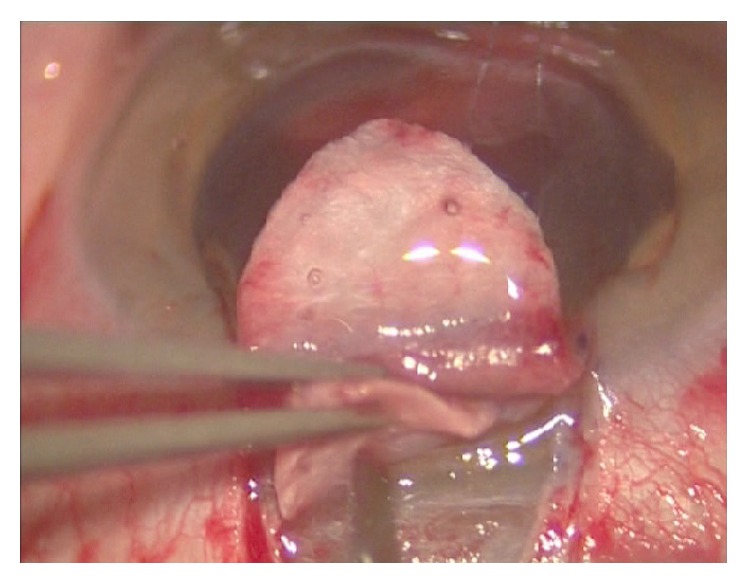
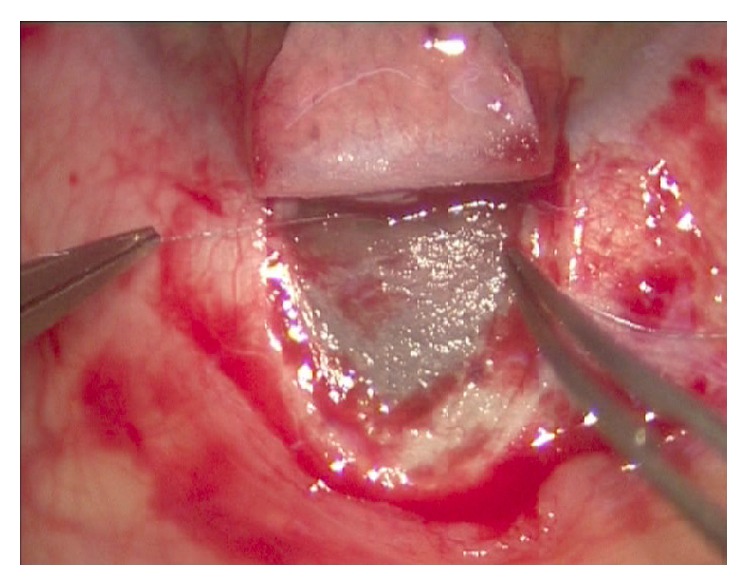
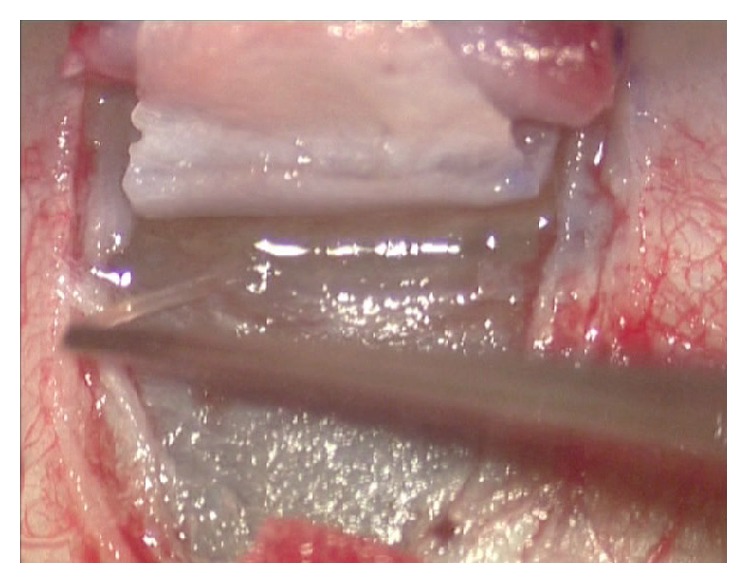
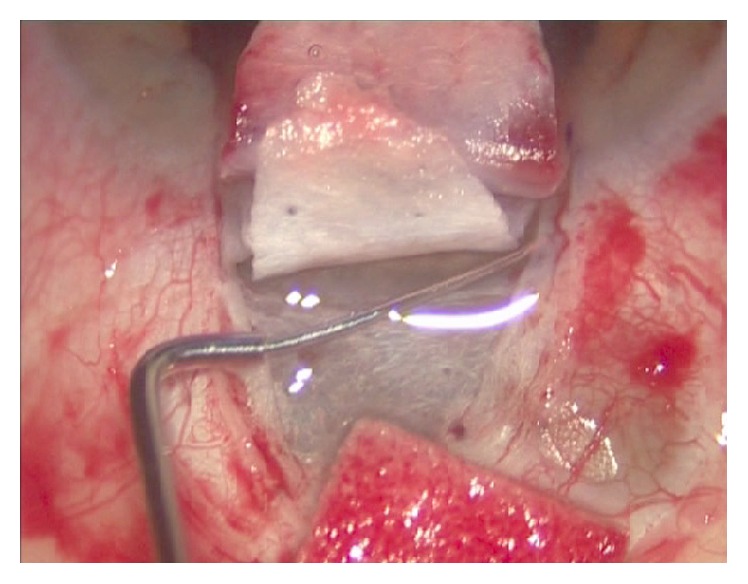
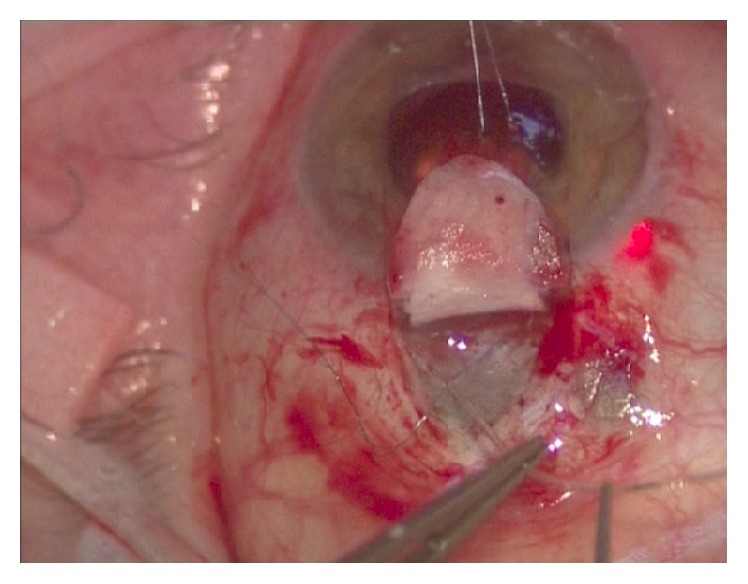
Canaloplasty is a nonpenetrating blebless surgical technique for open-angle glaucoma, in which a flexible microcatheter is inserted within Schlemm's canal for the entire 360 degrees. When the microcatheter exits the opposite end, a 10-0 prolene suture is tied and it is then withdrawn, by pulling microcatheter back through the canal in the opposite direction. Ligation of prolene suture provides tension on the canal and facilitates aqueous outflow. The main advantage of canaloplasty is that this technique avoids the major complications of fistulating surgery related to blebs and hypotony. Currently, canaloplasty is performed in glaucoma patients with early to moderate disease and combination with cataract surgery is a suitable option in patients with clinically significant lens opacities.
小梁切开术是一种用于开角型青光眼的非穿透性无滤过泡手术技术,其中将一根柔性微导管在施莱姆管内插入360度。当微导管从另一端穿出时,系上一根10-0聚丙烯缝线,然后通过沿相反方向将微导管拉回穿过该管将其抽出。聚丙烯缝线的结扎可在管上产生张力并促进房水流出。小梁切开术的主要优点是该技术避免了与滤过泡和低眼压相关的造瘘手术的主要并发症。目前,小梁切开术适用于患有早期至中度疾病的青光眼患者,对于有临床意义的晶状体混浊的患者,联合白内障手术是一个合适的选择。