Zheng Kewen, Xie Yi, Li Hanzhong
From the Department of Urology (KZ), the First Affiliated Hospital of Wenzhou Medical University, Wenzhou Medical University; and Department of Urology (KZ, YX, HL), Peking Union Medical College Hospital, Chinese Academy of Medical Science & Peking Union Medical College, P.R. China.
Medicine (Baltimore). 2016 May;95(22):e3464. doi: 10.1097/MD.0000000000003464.
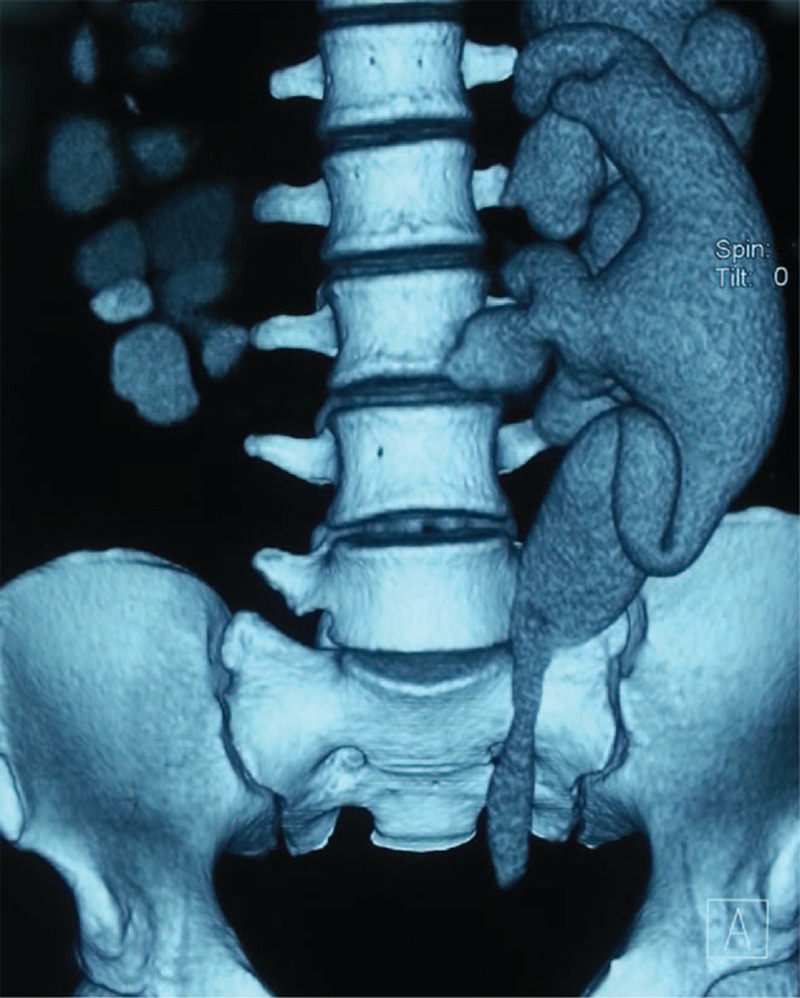
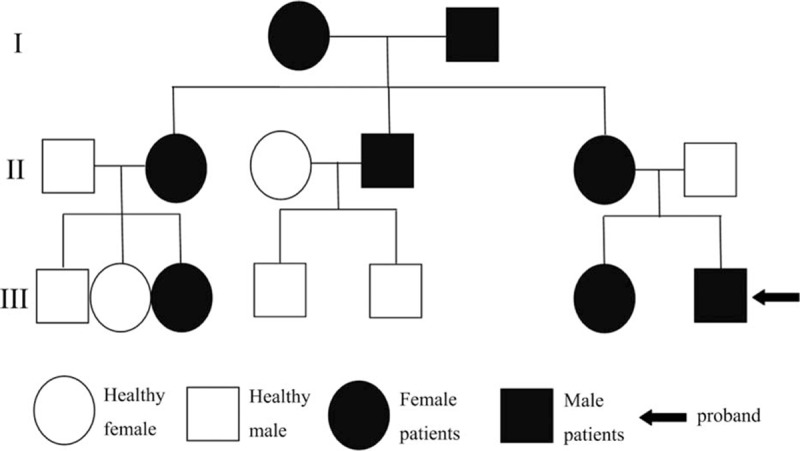
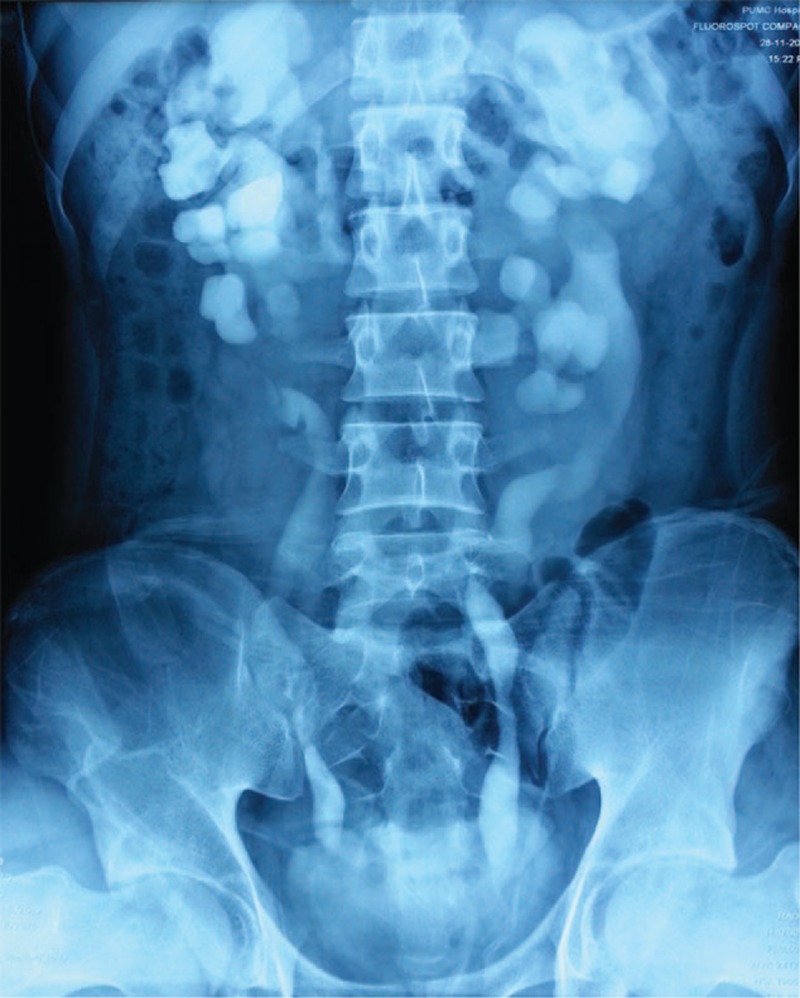
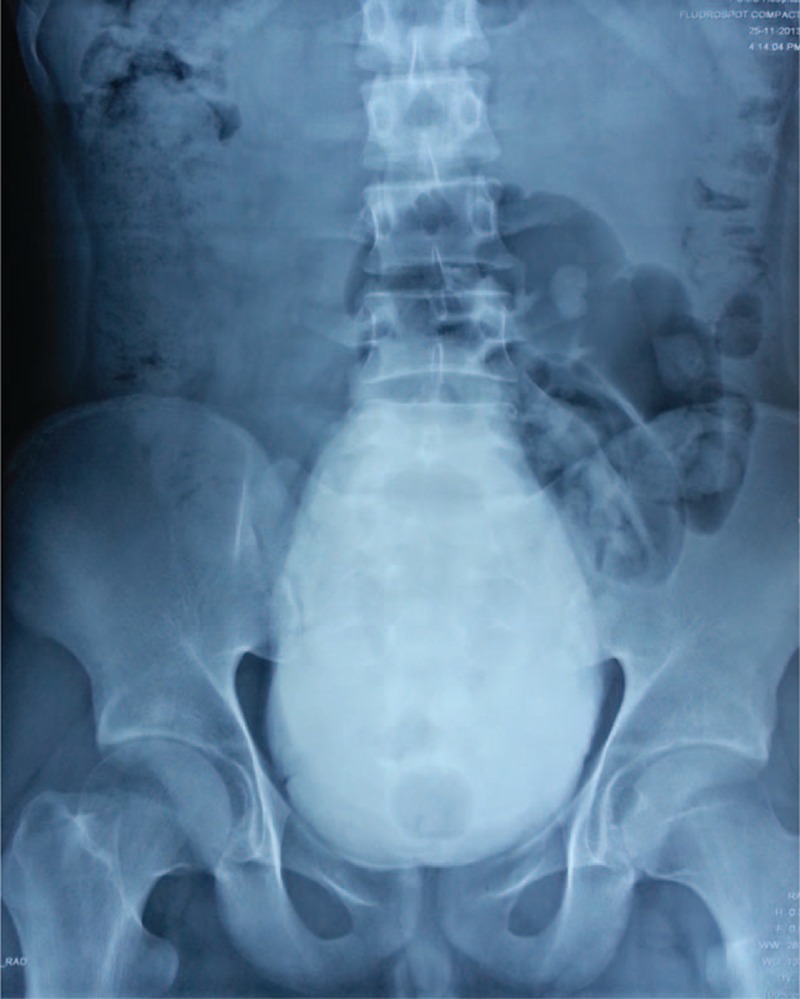
Nephrogenic diabetes insipidus (NDI) is a condition resulting from the kidney's impaired response to circulating antidiuretic hormone (ADH), leading to polydipsia and polyuria. Urinary tract dilatation caused by NDI is a rare situation. Here, we report a case of congenital NDI presented with bilateral hydronephrosis.A 15-year-old boy complaining a history of intermittent fever was admitted to Peking Union Medical College Hospital. He voided 10 to 15 L of urine daily. Radiographic examination revealed severe dilatation of bilateral renal pelvis, ureter, and bladder. Urinalysis shows hyposthenuria.He was diagnosed NDI since born. Transient insertion of a urethral catheter helped to relieve fever. Medical therapy of hydrochlorothiazide and amiloride was prescribed and effective.Dilatation of urinary tract caused by diabetes insipidus is rare, but may be present in severe condition. Therefore, it is crucial for clinicians to perform early treatment to avoid impairment of renal function.
肾性尿崩症(NDI)是一种由于肾脏对循环抗利尿激素(ADH)反应受损而导致的病症,会引起烦渴和多尿。由肾性尿崩症引起的尿路扩张是一种罕见情况。在此,我们报告一例先天性肾性尿崩症伴双侧肾积水的病例。一名15岁男孩因间歇性发热病史入住北京协和医院。他每天排尿10至15升。影像学检查显示双侧肾盂、输尿管和膀胱严重扩张。尿液分析显示尿比重低。他自出生起就被诊断为肾性尿崩症。临时插入尿道导管有助于缓解发热。开具了氢氯噻嗪和阿米洛利的药物治疗且有效。尿崩症引起的尿路扩张很少见,但在严重情况下可能会出现。因此,临床医生尽早进行治疗以避免肾功能损害至关重要。