Visioli Giovanna, Galieni Angelica, Stagnari Fabio, Bonas Urbana, Speca Stefano, Faccini Andrea, Pisante Michele, Marmiroli Nelson
Department of Life Sciences, University of Parma, Parma, Italy.
Faculty of Bioscience and Technologies for Food, Agriculture and Environment, University of Teramo, Teramo, Italy.
PLoS One. 2016 Jun 9;11(6):e0156007. doi: 10.1371/journal.pone.0156007. eCollection 2016.
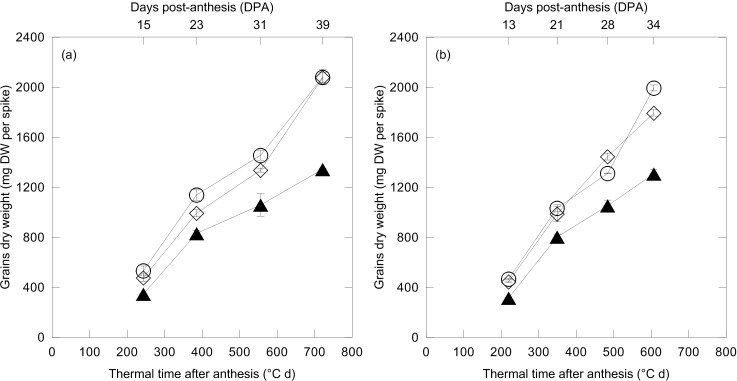
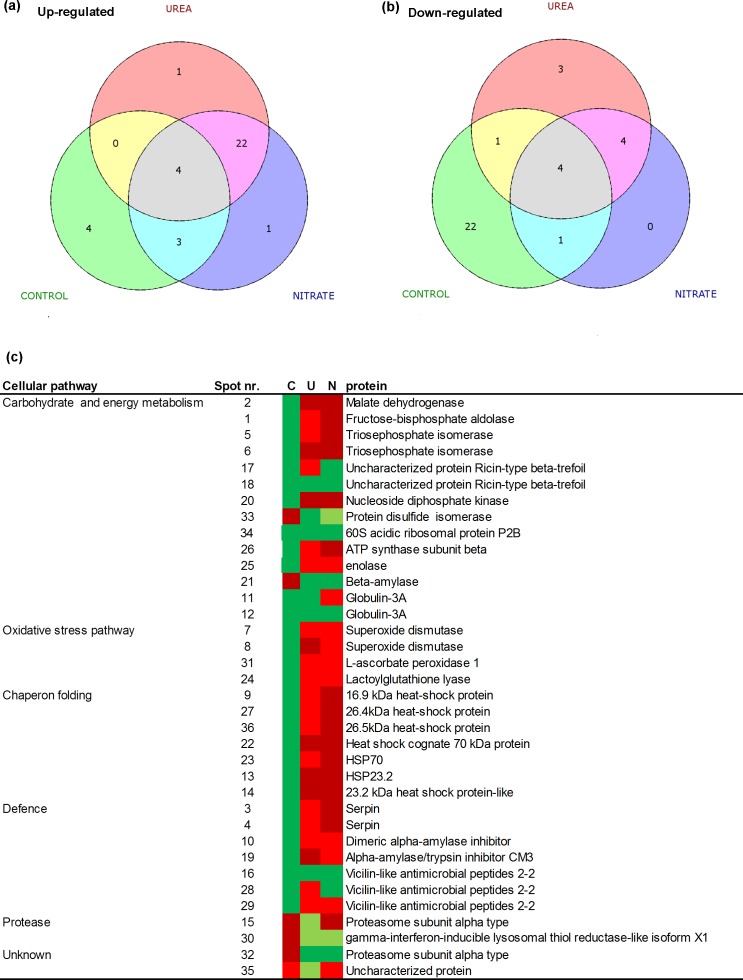
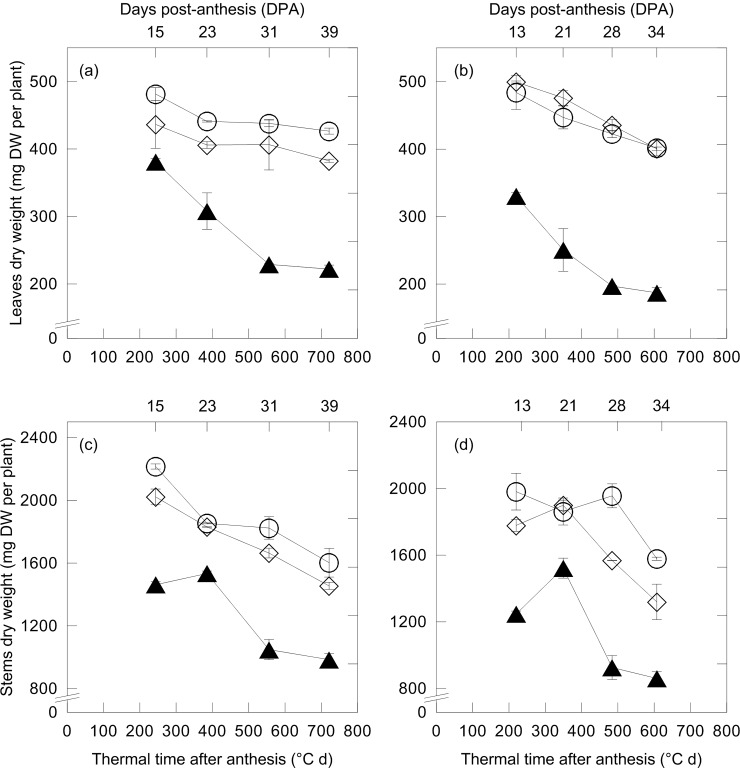
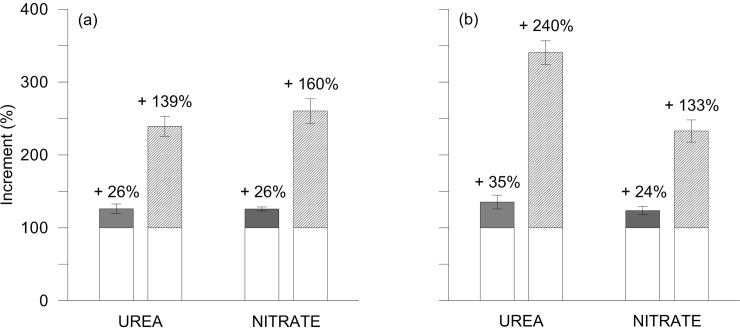
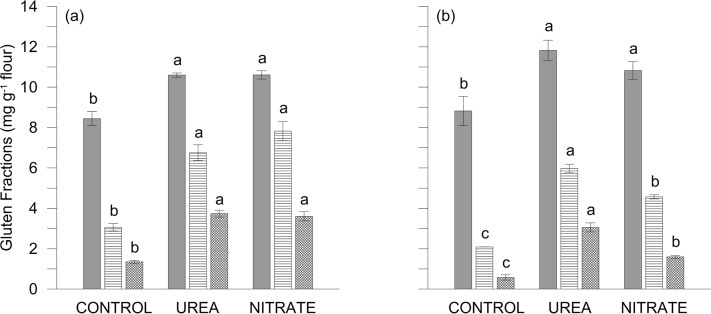
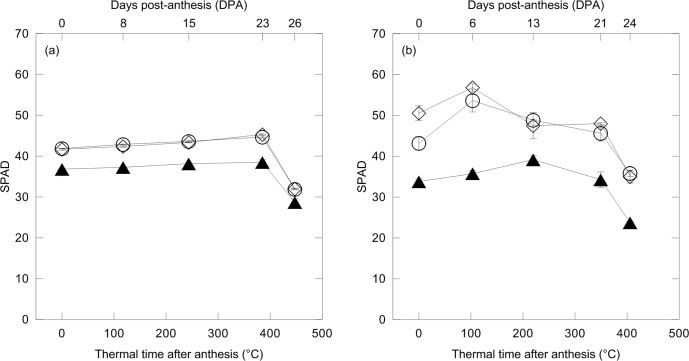
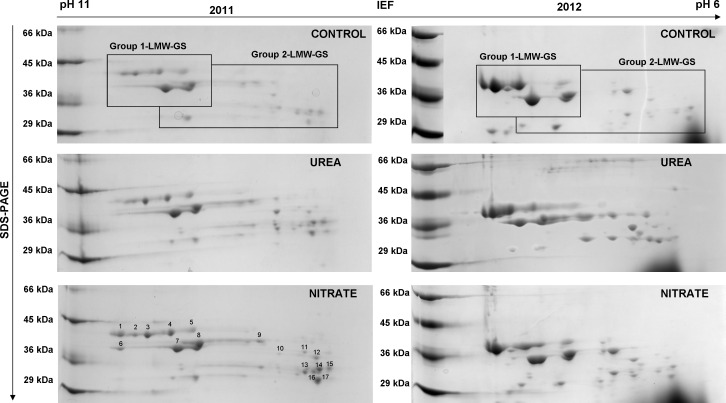
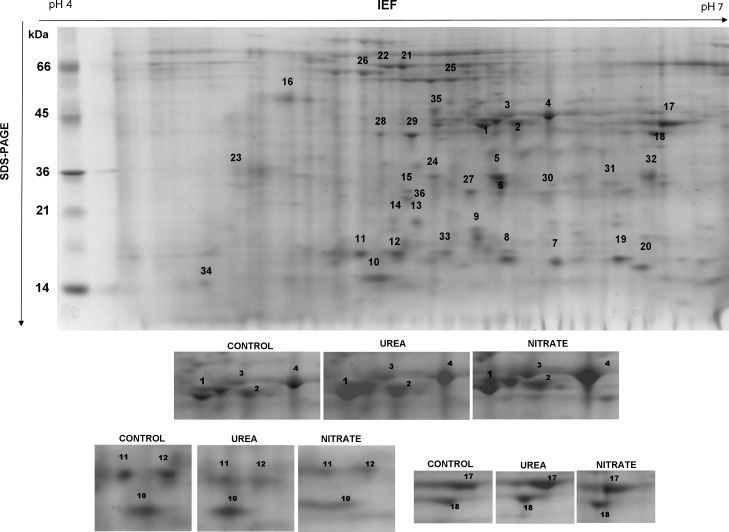
Nitrogen management in combination with sustainable agronomic techniques can have a great impact on the wheat grain proteome influencing its technological quality. In this study, proteomic analyses were used to document changes in the proportion of prolamins in mature grains of the newly released Italian durum wheat cv Achille. Such an approach was applied to wheat fertilized with urea (UREA) and calcium nitrate (NITRATE), during the transition to no-till Conservation Agriculture (CA) practice in a Mediterranean environment. Results obtained in a two-years field experiment study suggest low molecular weight glutenins (LMW-GS) as the fraction particularly inducible regardless of the N-form. Quantitative analyses of LMW-GS by 2D-GE followed by protein identification by LC-ESI-MS/MS showed that the stable increase was principally due to C-type LMW-GS. The highest accumulation resulted from a physiologically healthier state of plants treated with UREA and NITRATE. Proteomic analysis on the total protein fraction during the active phase of grain filling was also performed. For both N treatments, but at different extent, an up-regulation of different classes of proteins was observed: i) enzymes involved in glycolysis and citric acid cycles which contribute to an enhanced source of energy and carbohydrates, ii) stress proteins like heat shock proteins (HSPs) and antioxidant enzymes, such as peroxidases and superoxide dismutase which protect the grain from abiotic stress during starch and storage protein synthesis. In conclusion N inputs, which combined rate with N form gave high yield and improved quality traits in the selected durum wheat cultivar. The specific up-regulation of some HSPs, antioxidant enzymes and defense proteins in the early stages of grain development and physiological indicators related to fitness traits, could be useful bio-indicators, for wheat genotype screening under more sustainable agronomic conditions, like transition phase to no-till CA in Mediterranean environments.
氮素管理与可持续农艺技术相结合,会对小麦籽粒蛋白质组产生重大影响,进而影响其工艺品质。在本研究中,蛋白质组学分析用于记录新育成的意大利硬粒小麦品种阿基里斯成熟籽粒中醇溶蛋白比例的变化。在地中海环境向免耕保护性农业(CA)实践过渡期间,该方法应用于施用尿素(UREA)和硝酸钙(NITRATE)的小麦。一项为期两年的田间试验研究结果表明,无论氮素形态如何,低分子量谷蛋白(LMW-GS)是特别易被诱导的组分。通过二维凝胶电泳(2D-GE)对LMW-GS进行定量分析,随后通过液相色谱-电喷雾串联质谱(LC-ESI-MS/MS)进行蛋白质鉴定,结果表明其稳定增加主要归因于C型LMW-GS。最高积累量源于用UREA和NITRATE处理的植株生理上更健康的状态。还对籽粒灌浆活跃期的总蛋白组分进行了蛋白质组学分析。对于两种氮处理,但程度不同,均观察到不同类别的蛋白质上调:i)参与糖酵解和柠檬酸循环的酶,这些酶有助于增强能量和碳水化合物来源;ii)应激蛋白,如热休克蛋白(HSPs)和抗氧化酶,如过氧化物酶和超氧化物歧化酶,它们在淀粉和贮藏蛋白合成过程中保护籽粒免受非生物胁迫。总之,在选定的硬粒小麦品种中,氮素投入及其与氮形态的组合比例产生了高产并改善了品质性状。籽粒发育早期一些HSPs、抗氧化酶和防御蛋白的特异性上调以及与适应性性状相关的生理指标,可能是有用的生物指标,用于在地中海环境向免耕CA过渡阶段等更可持续农艺条件下筛选小麦基因型。