Ni Xiaodong, Fan Shengxian, Zhang Yongliang, Wang Zhiming, Ding Lan, Li Yousheng, Li Jieshou
Intestinal Rehabiliton and Transplant Center, Jinling Hospital, Nanjing University School of Medicine, Nanjing, China.
Gut Liver. 2016 Nov 15;10(6):975-980. doi: 10.5009/gnl15456.
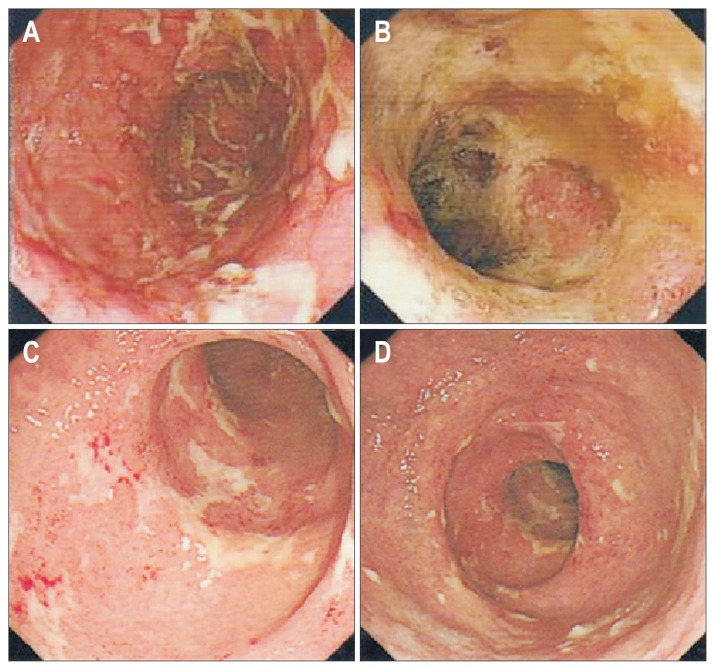
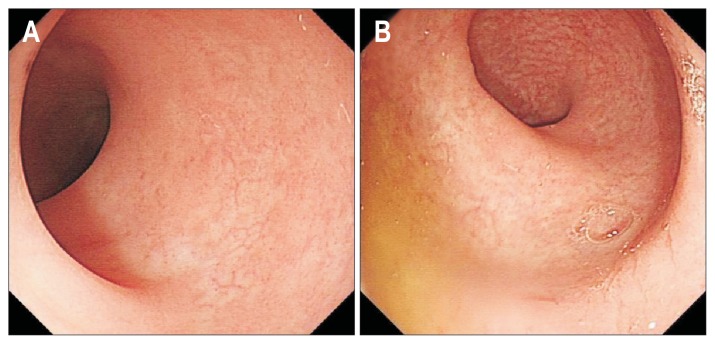
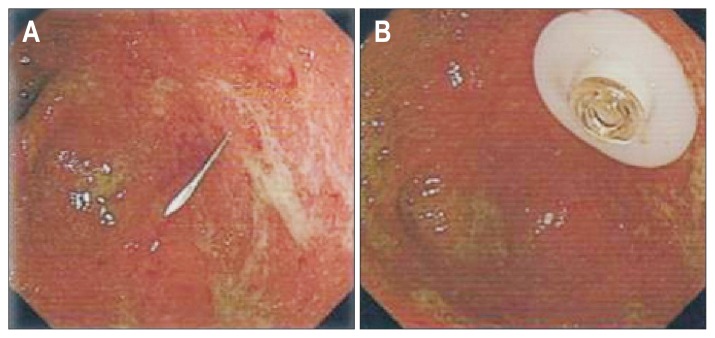
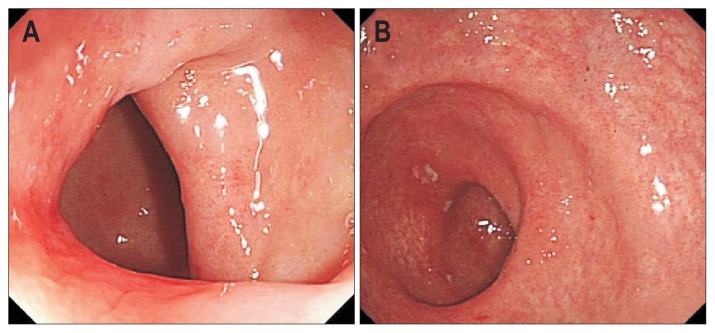
Since its introduction as an alternative intestinal microbiota alteration approach, fecal microbiota transplantation (FMT) has been increasingly used as a treatment of choice for patients with ulcerative colitis (UC), but no reports exist regarding FMT via percutaneous endoscopic cecostomy (PEC). This report describes the case of a 24-year-old man with a 7-year history of recurrent, steroid-dependent UC. He received FMT via PEC once per day for 1 month in the hospital. After the remission of gastrointestinal symptoms, he was discharged from the hospital and continued FMT via PEC twice per week for 3 months at home. The frequency of stools decreased, and the characteristics of stools improved soon thereafter. Enteral nutrition was regained after 1 week, and an oral diet was begun 1 month later. Two months after the FMT end point, the patient resumed a normal diet, with formed soft stools once per day. The follow-up colonoscopy showed normal mucus membranes; then, the PEC set was removed. On the subsequent 12 months follow-up, the patient resumed orthobiosis without any gastrointestinal discomfort and returned to work. This case emphasizes that FMT via PEC can not only induce remission but also shorten the duration of hospitalization and reduce the medical costs; therefore, this approach should be considered an alternative option for patients with UC.
自作为一种替代性肠道微生物群改变方法引入以来,粪便微生物群移植(FMT)越来越多地被用作溃疡性结肠炎(UC)患者的首选治疗方法,但经皮内镜下盲肠造口术(PEC)进行FMT的报道尚无。本报告描述了一名24岁男性患者的病例,该患者有7年复发性、依赖类固醇的UC病史。他在医院每天通过PEC接受FMT治疗1个月。胃肠道症状缓解后,他出院并在家中继续每周通过PEC进行FMT治疗2次,持续3个月。此后不久,大便频率降低,大便性状改善。1周后恢复肠内营养,1个月后开始口服饮食。FMT终点2个月后,患者恢复正常饮食,每天有一次成形软便。随访结肠镜检查显示黏膜正常;然后,移除PEC装置。在随后的12个月随访中,患者恢复正常肠道菌群,无任何胃肠道不适并重返工作岗位。该病例强调,通过PEC进行FMT不仅可以诱导缓解,还可以缩短住院时间并降低医疗成本;因此,这种方法应被视为UC患者的一种替代选择。