Broglio S P, Rettmann A, Greer J, Brimacombe S, Moore B, Narisetty N, He X, Eckner J
University of Michigan, Neurotrauma Research Laboratory, Ann Arbor, United States.
NeuroTrauma Research Laboratory, University of Michigan, Ann Arbor, United States.
Int J Sports Med. 2016 Aug;37(9):714-22. doi: 10.1055/s-0042-107250. Epub 2016 Jun 10.
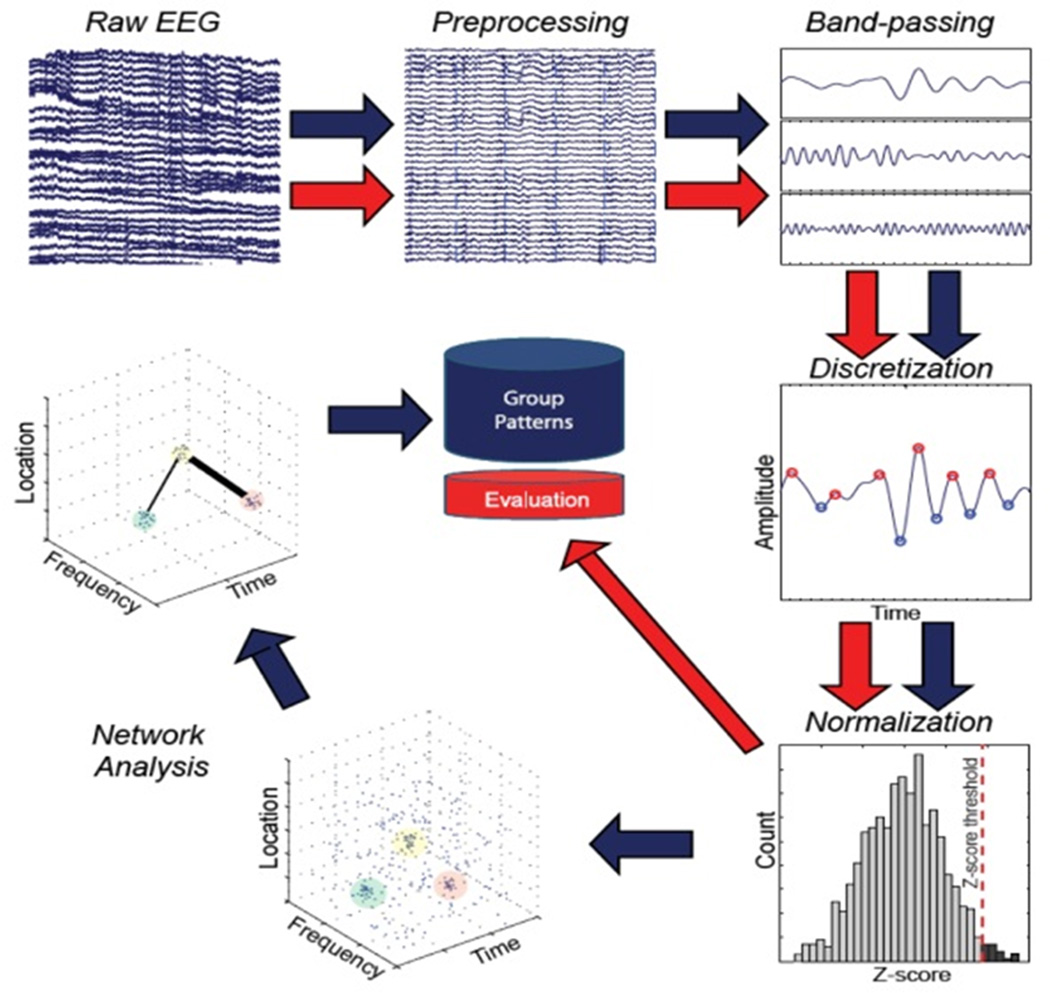
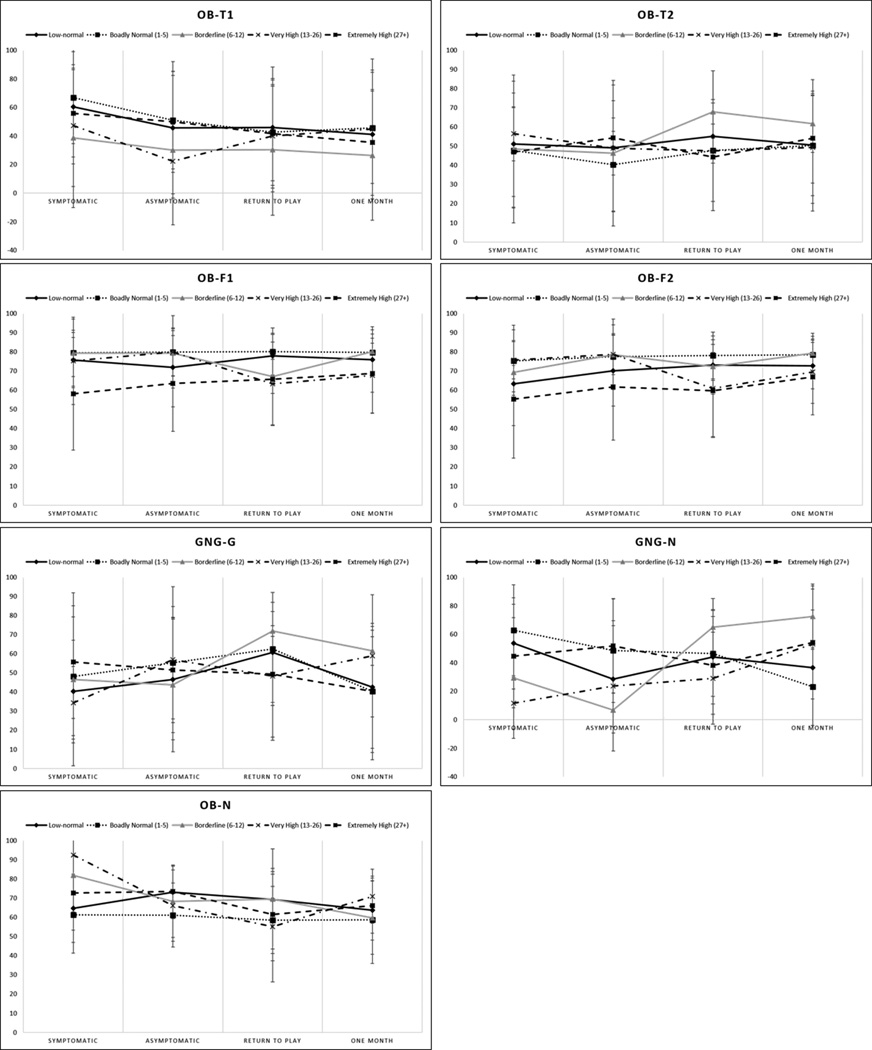
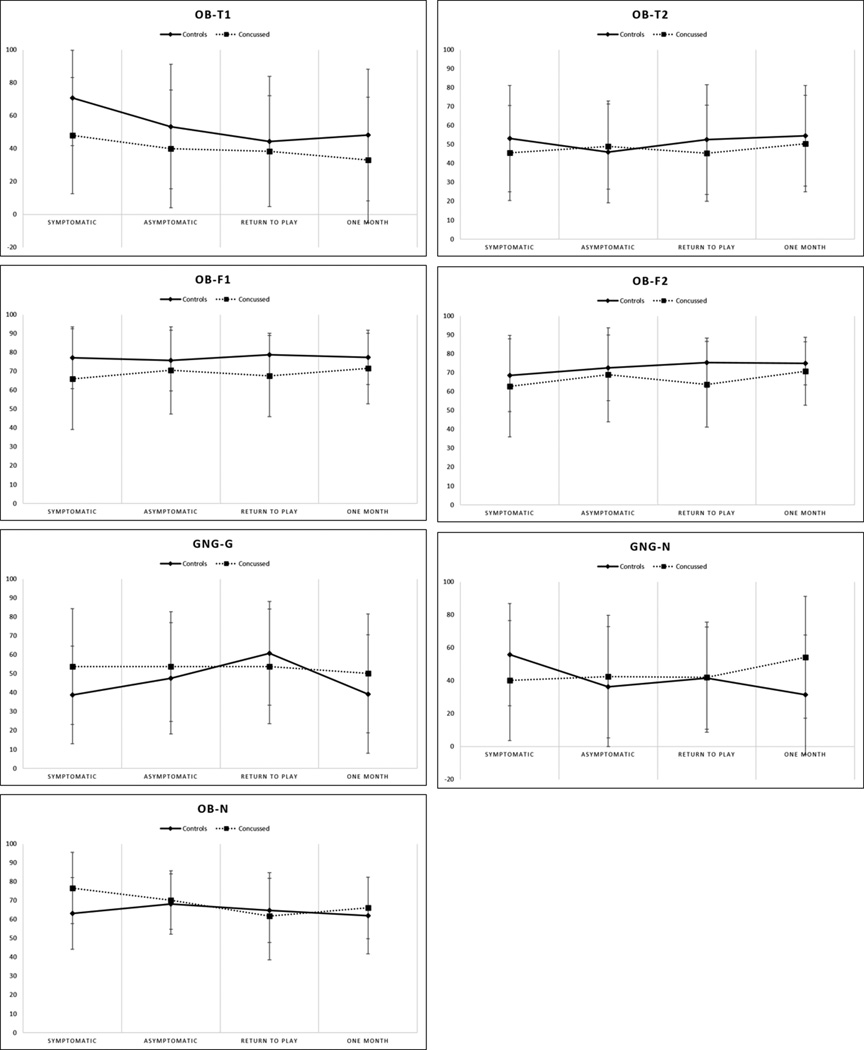
Clinicians managing sports-related concussions are left to their clinical judgment in making diagnoses and return-to-play decisions. This study was designed to evaluate the utility of a novel measure of functional brain networking for concussion management. 24 athletes with acutely diagnosed concussion and 21 control participants were evaluated in a research laboratory. At each of the 4 post-injury time points, participants completed the Axon assessment of neurocognitive function, a self-report symptom inventory, and the auditory oddball and go/no-go tasks while electroencephalogram (EEG) readings were recorded. Brain Network Activation (BNA) scores were calculated from EEG data related to the auditory oddball and go/no-go tasks. BNA scores were unable to differentiate between the concussed and control groups or by self-report symptom severity. These findings conflict with previous work implementing electrophysiological assessments in concussed athletes, suggesting that BNA requires additional investigation and refinement before clinical implementation.
在对与运动相关的脑震荡进行管理时,临床医生只能依靠自己的临床判断来进行诊断和做出重返赛场的决定。本研究旨在评估一种用于脑震荡管理的新型功能性脑网络测量方法的实用性。在一个研究实验室中,对24名急性诊断为脑震荡的运动员和21名对照参与者进行了评估。在受伤后的4个时间点,参与者在记录脑电图(EEG)读数的同时,完成了神经认知功能的轴突评估、一份自我报告症状清单以及听觉Oddball任务和Go/No-Go任务。根据与听觉Oddball任务和Go/No-Go任务相关的EEG数据计算出脑网络激活(BNA)分数。BNA分数无法区分脑震荡组和对照组,也无法根据自我报告的症状严重程度进行区分。这些发现与之前在脑震荡运动员中进行电生理评估的工作相矛盾,表明BNA在临床应用之前需要进一步的研究和完善。