Kirk Joseph A, Banerji Oishik, Fagan Robert P
Krebs Institute, Department of Molecular Biology and Biotechnology, University of Sheffield, Sheffield, S10 2TN, UK.
Microb Biotechnol. 2017 Jan;10(1):76-90. doi: 10.1111/1751-7915.12372. Epub 2016 Jun 17.
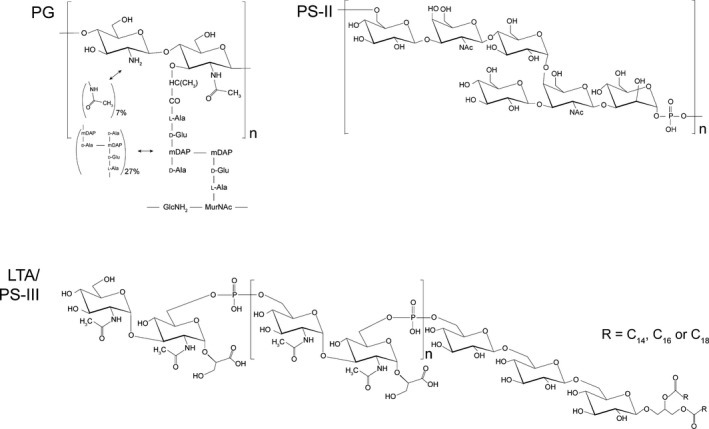
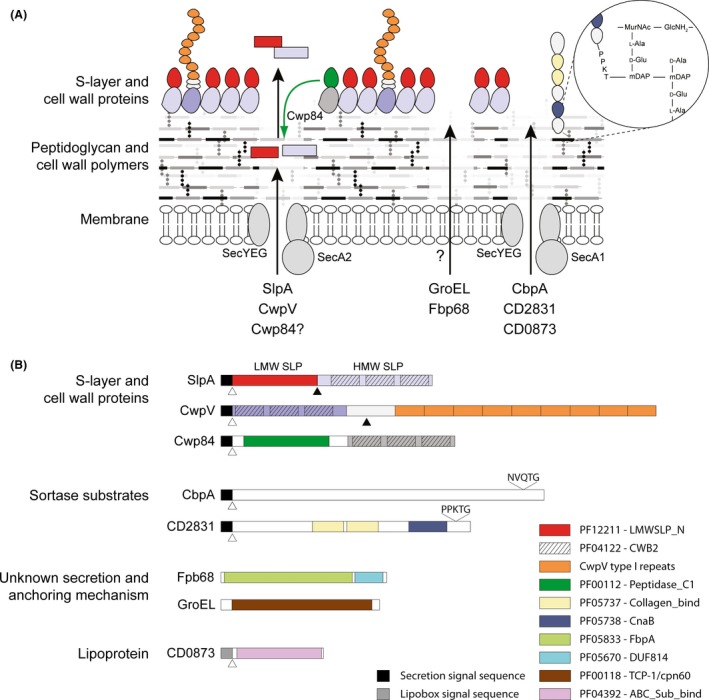
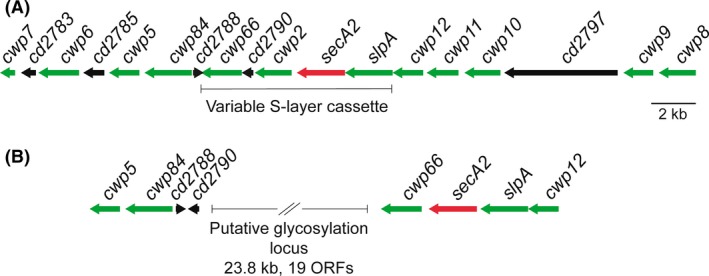
Clostridium difficile infection (CDI) is a challenging threat to human health. Infections occur after disruption of the normal microbiota, most commonly through the use of antibiotics. Current treatment for CDI largely relies on the broad-spectrum antibiotics vancomycin and metronidazole that further disrupt the microbiota resulting in frequent recurrence, highlighting the need for C. difficile-specific antimicrobials. The cell surface of C. difficile represents a promising target for the development of new drugs. C. difficile possesses a highly deacetylated peptidoglycan cell wall containing unique secondary cell wall polymers. Bound to the cell wall is an essential S-layer, formed of SlpA and decorated with an additional 28 related proteins. In addition to the S-layer, many other cell surface proteins have been identified, including several with roles in host colonization. This review aims to summarize our current understanding of these different C. difficile cell surface components and their viability as therapeutic targets.
艰难梭菌感染(CDI)对人类健康构成了严峻威胁。感染通常在正常微生物群被破坏后发生,最常见的原因是使用抗生素。目前针对CDI的治疗主要依赖于广谱抗生素万古霉素和甲硝唑,这进一步破坏了微生物群,导致频繁复发,凸显了对艰难梭菌特异性抗菌药物的需求。艰难梭菌的细胞表面是开发新药的一个有前景的靶点。艰难梭菌拥有高度脱乙酰化的肽聚糖细胞壁,其中含有独特的次生细胞壁聚合物。与细胞壁结合的是一个由SlpA形成并装饰有另外28种相关蛋白的必需S层。除了S层,还鉴定出许多其他细胞表面蛋白,包括几种在宿主定殖中起作用的蛋白。这篇综述旨在总结我们目前对这些不同的艰难梭菌细胞表面成分及其作为治疗靶点的可行性的理解。