Grenier S, Barre P, Litrico I
INRA, UR004, P3F, RD 150, Site du Chêne, BP 86006, 86600 Lusignan, France.
Scientifica (Cairo). 2016;2016:7021701. doi: 10.1155/2016/7021701. Epub 2016 May 24.
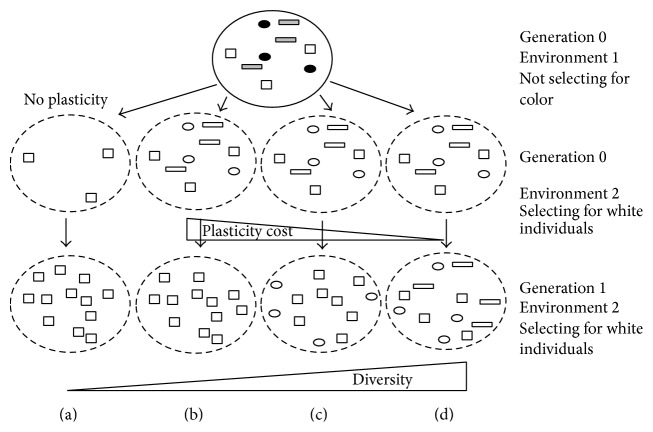
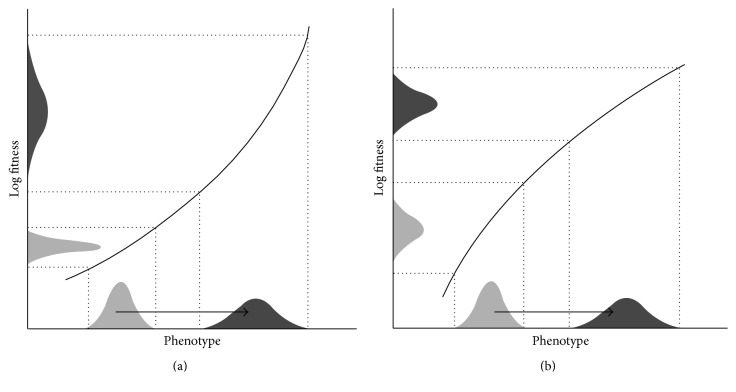
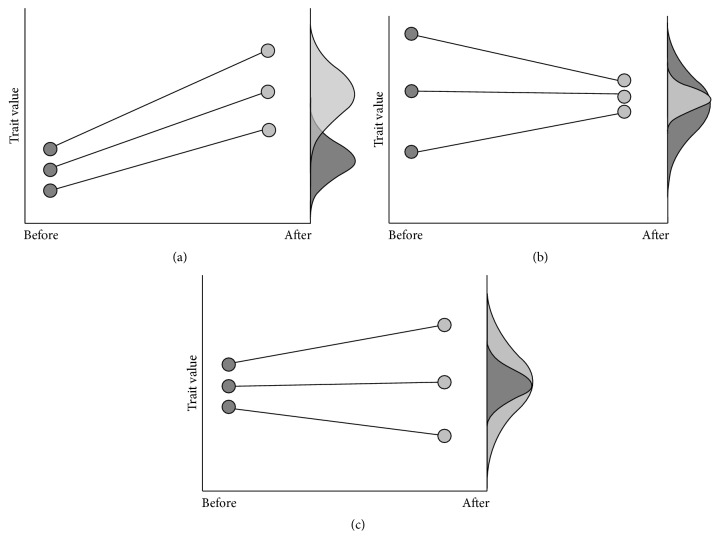
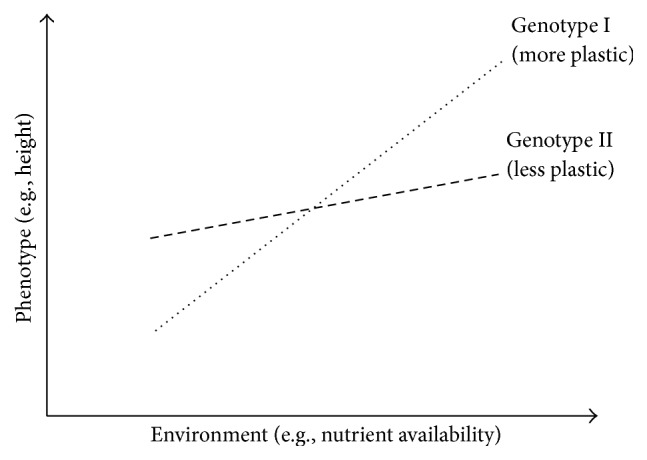
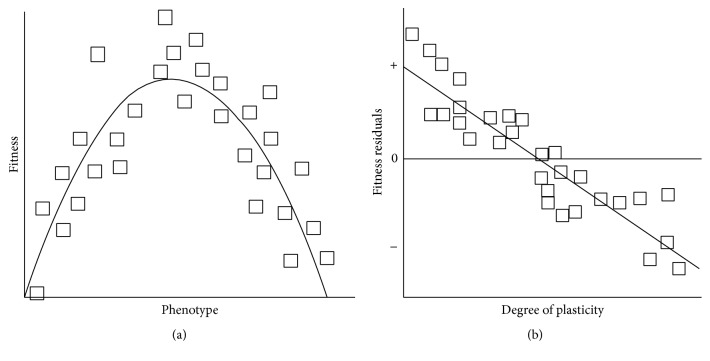
Selection and plasticity are two mechanisms that allow the adaptation of a population to a changing environment. Interaction between these nonexclusive mechanisms must be considered if we are to understand population survival. This review discusses the ways in which plasticity and selection can interact, based on a review of the literature on selection and phenotypic plasticity in the evolution of populations. The link between selection and phenotypic plasticity is analysed at the level of the individual. Plasticity can affect an individual's response to selection and so may modify the end result of genetic diversity evolution at population level. Genetic diversity increases the ability of populations or communities to adapt to new environmental conditions. Adaptive plasticity increases individual fitness. However this effect must be viewed from the perspective of the costs of plasticity, although these are not easy to estimate. It is becoming necessary to engage in new experimental research to demonstrate the combined effects of selection and plasticity for adaptation and their consequences on the evolution of genetic diversity.
选择和可塑性是使种群适应不断变化的环境的两种机制。如果我们要理解种群的生存,就必须考虑这些并非相互排斥的机制之间的相互作用。本综述基于对种群进化中选择和表型可塑性的文献回顾,讨论了可塑性和选择可能相互作用的方式。在个体层面分析了选择与表型可塑性之间的联系。可塑性会影响个体对选择的反应,因此可能会改变种群水平上遗传多样性进化的最终结果。遗传多样性提高了种群或群落适应新环境条件的能力。适应性可塑性增加个体适应性。然而,必须从可塑性成本的角度来看待这种效应,尽管这些成本不易估计。开展新的实验研究以证明选择和可塑性对适应的综合影响及其对遗传多样性进化的后果变得很有必要。