Hodges Steve J, Colaco Marc
Wake Forest University School of Medicine, Winston Salem, NC, USA.
Glob Pediatr Health. 2016 Mar 4;3:2333794X16632941. doi: 10.1177/2333794X16632941. eCollection 2016.
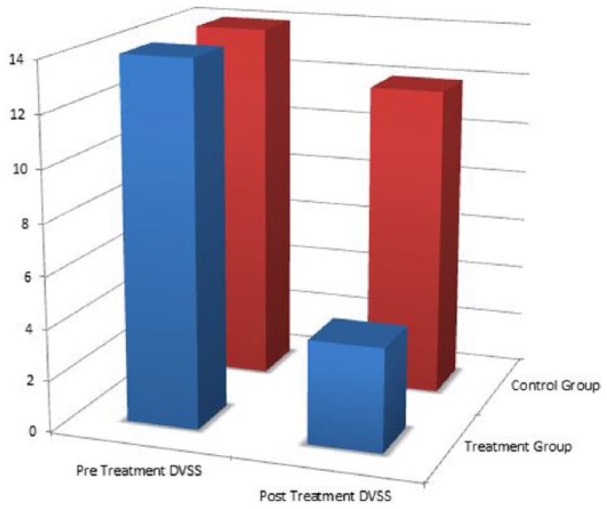
Our objective was to evaluate the efficacy of daily enemas for the treatment of overactive bladder (OAB) in children. This study was a prospective, controlled trial of 60 children with nonneurogenic OAB. The control patients (40) were treated with standard therapies, including timed voiding, constipation treatment with osmotic laxatives, anticholinergics, and biofeedback physical therapy, whereas the treatment patients (20) received only daily enemas and osmotic laxatives. On assessment of improvement of OAB symptoms, only 30% of the traditionally treated patients' parents reported resolution of symptoms at 3 months, whereas 85% of enema patients did. At the onset of the study, the average pediatric voiding dysfunction score of all patients was 14, whereas on follow-up, the average scores for traditionally treated patients and enema-treated patients were 12 and 4, respectively. This study demonstrated that daily enema therapy is superior to traditional methods for the treatment of OAB.
我们的目标是评估每日灌肠疗法治疗儿童膀胱过度活动症(OAB)的疗效。本研究是一项针对60名非神经源性OAB儿童的前瞻性对照试验。对照组患者(40名)接受标准治疗,包括定时排尿、使用渗透性泻药治疗便秘、抗胆碱能药物以及生物反馈物理治疗,而治疗组患者(20名)仅接受每日灌肠和渗透性泻药治疗。在评估OAB症状改善情况时,传统治疗组仅有30%的患者家长报告在3个月时症状得到缓解,而灌肠治疗组这一比例为85%。研究开始时,所有患者的平均儿童排尿功能障碍评分为14分,而在随访时,传统治疗组患者和灌肠治疗组患者的平均评分分别为12分和4分。这项研究表明,每日灌肠疗法在治疗OAB方面优于传统方法。