Herath H M M T B, Kulatunga Aruna
National Hospital Of Sri Lanka, Colombo, Sri Lanka.
J Med Case Rep. 2016 Jun 23;10(1):182. doi: 10.1186/s13256-016-0968-6.
Acute pancreatitis is an acute inflammatory process of the pancreas that can trigger a systemic inflammatory response. Pulmonary embolism refers to obstruction of the pulmonary artery or one of its branches by material (usually a thrombus) that originated elsewhere in the body. Extensive lower limb deep vein thrombosis with pulmonary embolism is a rare complication of acute pancreatitis that has been described in a few case reports. Deep vein thrombosis and hypercoagulable states in pancreatitis are thought to be due to release of pancreatic proteolytic enzymes from a cyst that is connected to the pancreatic duct and penetrates into a vessel. Proteolytic damage or inflammation of the vessels may also play a significant part. Acute pancreatitis also causes a systemic inflammatory response that has effects on an endothelium-dependent relaxing response for acetylcholine.
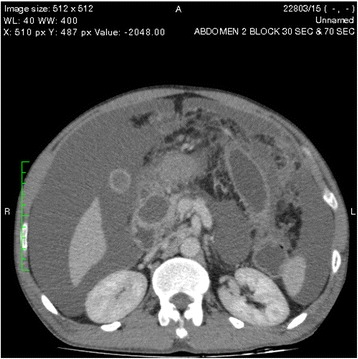
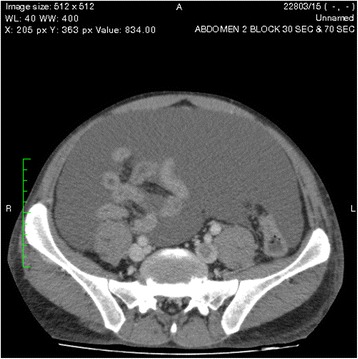
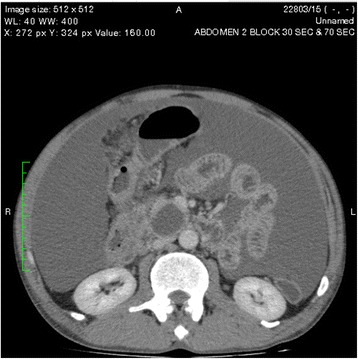
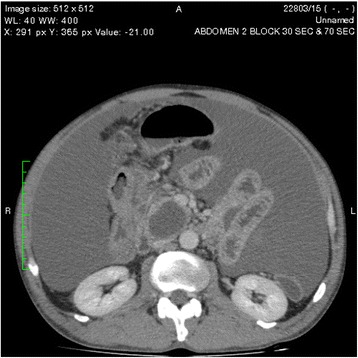
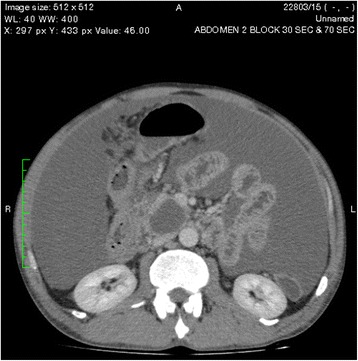
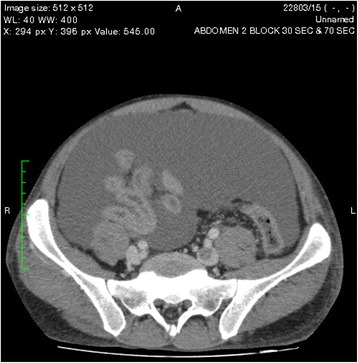
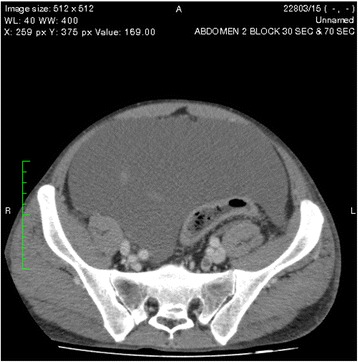
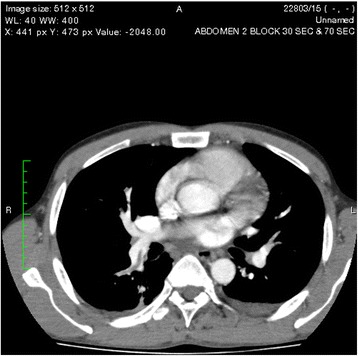
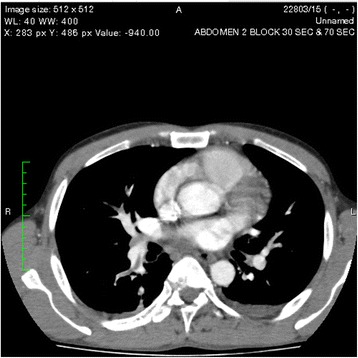
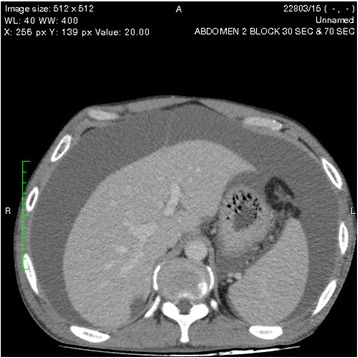
A 38-year-old Sri Lankan man presented with acute pancreatitis and later he developed progressive abdominal distention with bilateral ankle edema. A contrast-enhanced computed tomographic scan showed two pancreatic pseudocysts and deep vein thrombosis in both lower limbs, as well as a pulmonary embolism involving the right lower lobe pulmonary artery and the left segmental pulmonary arteries. One of the pseudocysts in the head of the pancreas was compressing the inferior vena cava without direct communication. The patient's thrombophilia screen result was negative. He was started on subcutaneous enoxaparin 1 mg/kg twice daily and warfarin to achieve a target international normalized ratio of 2-3.
Deep vein thrombosis with pulmonary embolism is a rare but life-threatening complication of acute pancreatitis. Once diagnosed, early treatment with intravenous heparin or thrombolysis is effective. Patients with severe acute pancreatitis may be at risk of deep vein thrombosis due to immobilization and other mechanisms, but anticoagulation as prophylaxis is often not used. However, it may be considered on a case-by-case basis in patients with pancreatitis who are acutely ill and immobilized, need intensive care unit admission, and have multiple risk factors for deep vein thromboembolism. Further studies must be undertaken to determine guidelines for deep vein thromboembolism prophylaxis in these patients.
急性胰腺炎是胰腺的一种急性炎症过程,可引发全身炎症反应。肺栓塞是指身体其他部位产生的物质(通常为血栓)阻塞肺动脉或其分支之一。广泛下肢深静脉血栓形成伴肺栓塞是急性胰腺炎的一种罕见并发症,仅有少数病例报告对此进行过描述。胰腺炎中的深静脉血栓形成和高凝状态被认为是由于与胰管相连并穿透血管的囊肿释放胰腺蛋白水解酶所致。血管的蛋白水解损伤或炎症也可能起重要作用。急性胰腺炎还会引起全身炎症反应,对乙酰胆碱的内皮依赖性舒张反应产生影响。
一名38岁的斯里兰卡男子因急性胰腺炎就诊,随后出现进行性腹胀及双侧踝关节水肿。增强计算机断层扫描显示有两个胰腺假性囊肿、双下肢深静脉血栓形成,以及累及右下叶肺动脉和左段肺动脉的肺栓塞。胰腺头部的一个假性囊肿压迫下腔静脉,但两者无直接相通。患者的血栓形成倾向筛查结果为阴性。开始给予皮下注射依诺肝素,剂量为1 mg/kg,每日两次,并给予华法林,以使国际标准化比值达到2 - 3的目标值。
深静脉血栓形成伴肺栓塞是急性胰腺炎一种罕见但危及生命的并发症。一旦确诊,早期静脉应用肝素或溶栓治疗有效。重症急性胰腺炎患者可能因制动及其他机制而有深静脉血栓形成的风险,但通常不采用抗凝进行预防。然而,对于病情严重且需制动、入住重症监护病房并有深静脉血栓栓塞多种危险因素的胰腺炎患者,可根据具体情况考虑进行抗凝。必须开展进一步研究以确定这些患者深静脉血栓栓塞预防的指导原则。