Shinohara Shigeo, Gu Yuanjun, Yang Ying, Furuta Yasuo, Tanaka Masahiko, Yue Xiaohua, Wang Weiqing, Kitano Masaru, Kimura Hiroshi
Molecular Genetics in Medicine, Shiga University of Medical Science, Otsu, Shiga 520-2192, Japan.
Jumpsun Bio-medicine (Shanghai) Co., Ltd., Shanghai 201101, P.R. China.
Int J Mol Med. 2016 Aug;38(2):574-84. doi: 10.3892/ijmm.2016.2654. Epub 2016 Jun 24.
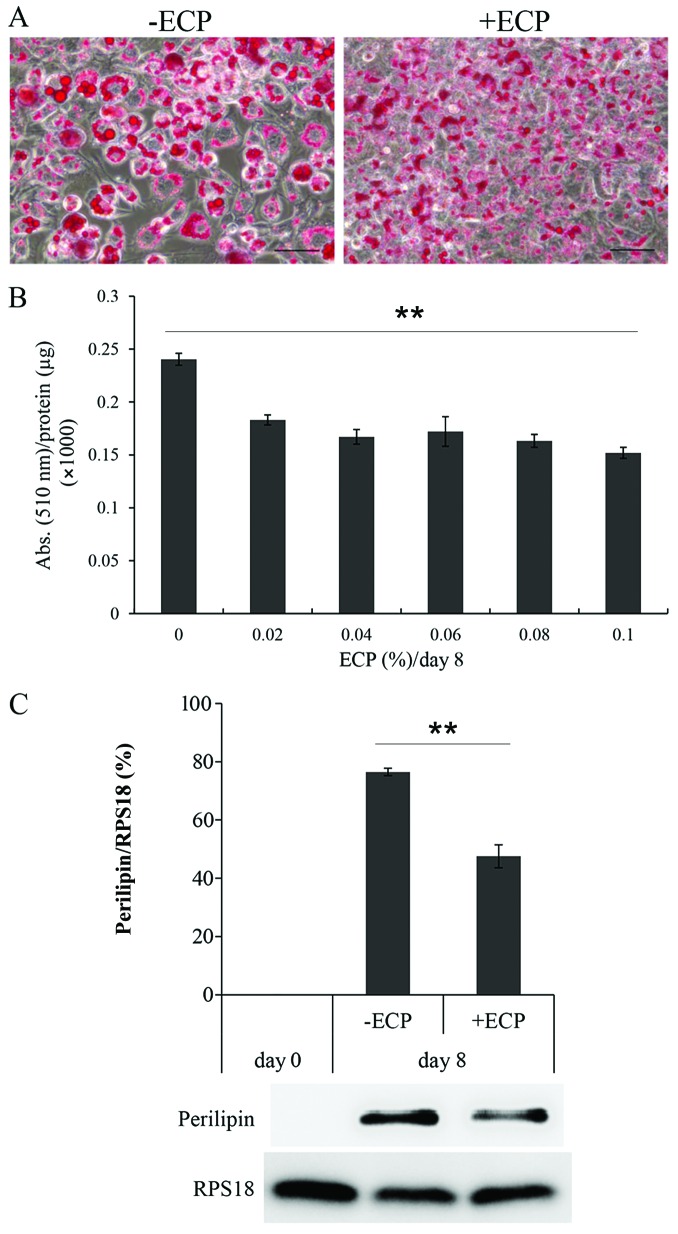
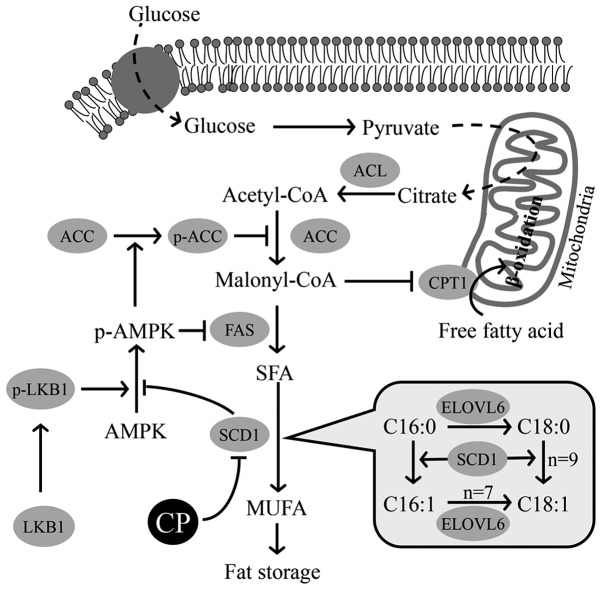
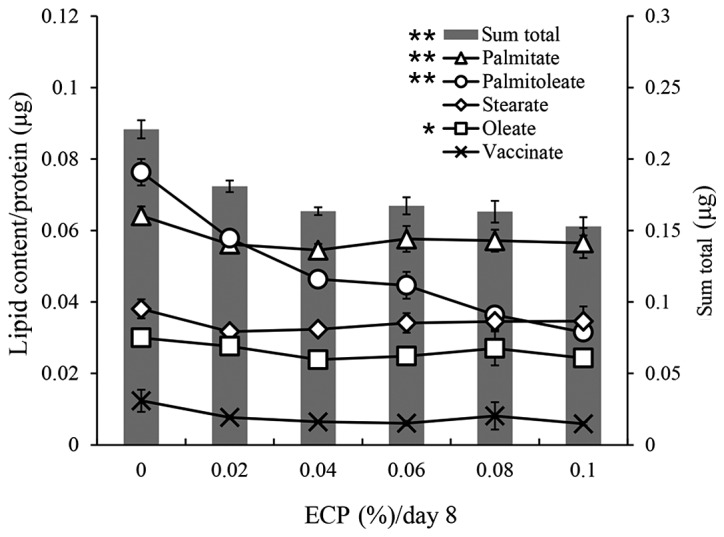
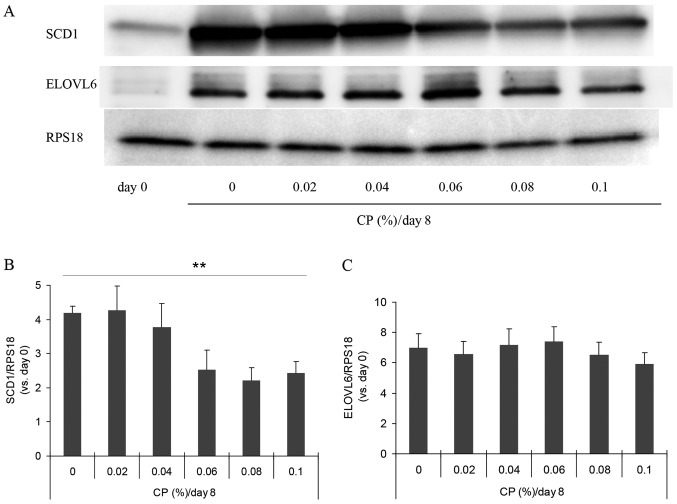
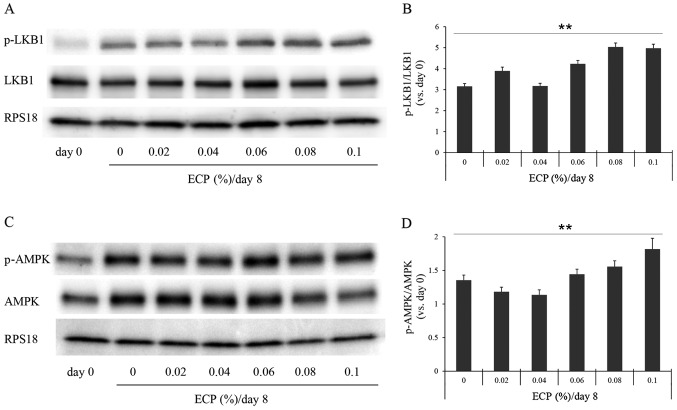
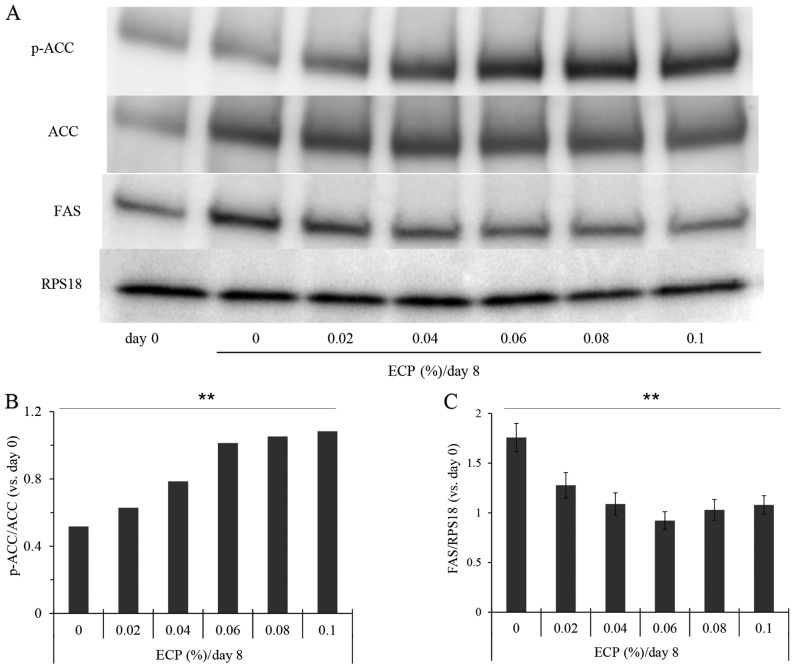
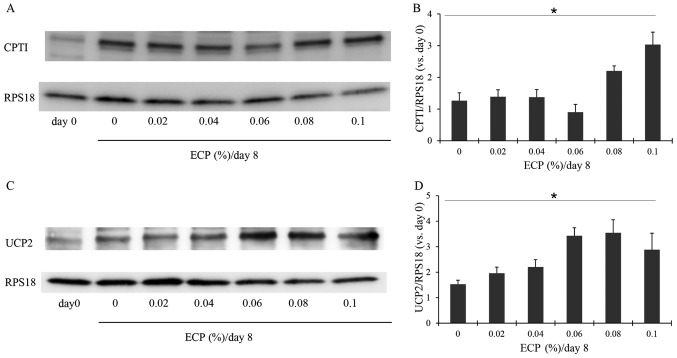
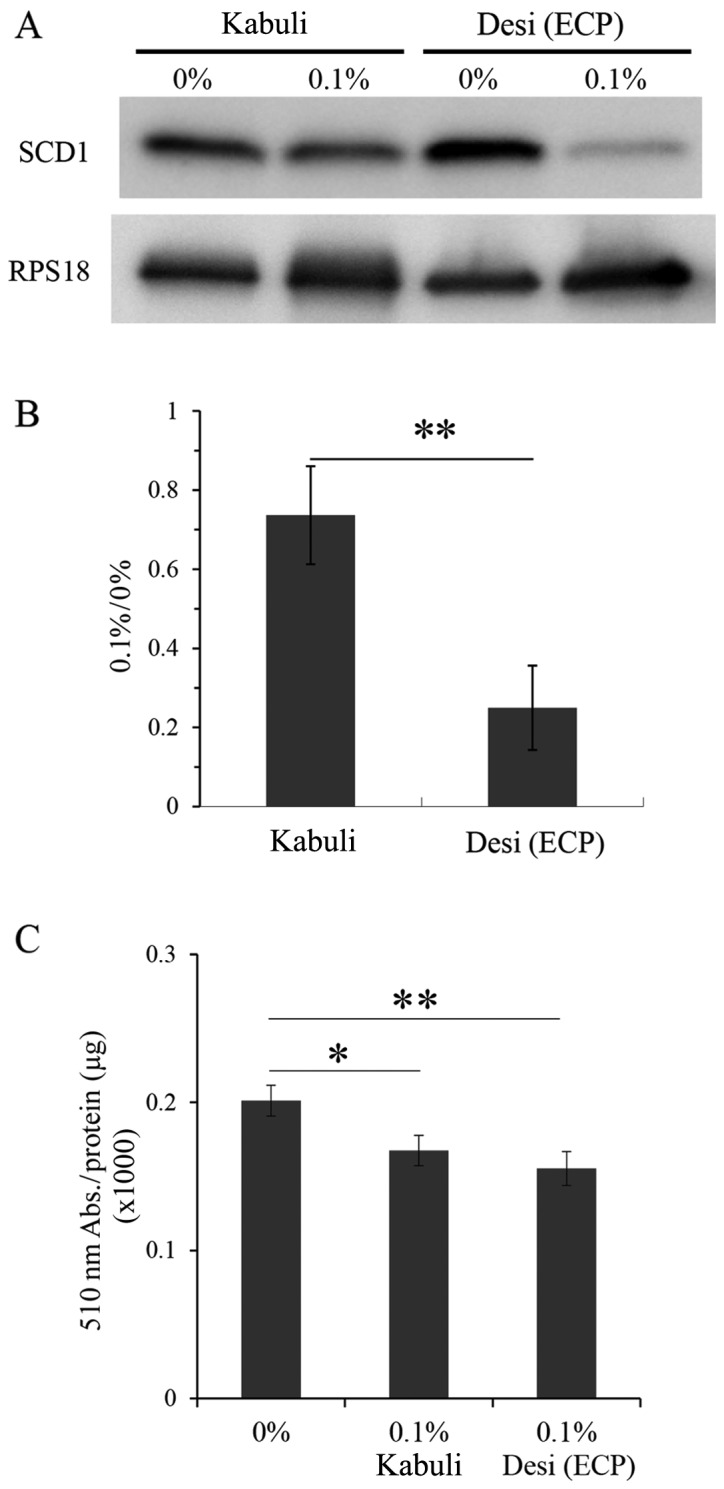
Desi-type chickpeas, which have long been used as a natural treatment for diabetes, have been reported to lower visceral adiposity, dyslipidemia and insulin resistance induced by a chronic high-fat diet in rats. In this study, in order to examine the effects of chickpeas of this type in an in vitro system, we used the 3T3-L1 mouse cell line, a subclone of Swiss 3T3 cells, which can differentiate into cells with an adipocyte-like phenotype, and we used ethanol extracts of chickpeas (ECP) instead of chickpeas. Treatment of the 3T3-L1 cells with ECP led to a decrease in the lipid content in the cells. The desaturation index, defined as monounsaturated fatty acids (MUFAs)/saturated fatty acids (SFAs), was also decreased by ECP due to an increase in the cellular content of SFAs and a decrease in the content of MUFAs. The decrease in this index may reflect a decreased reaction from SFA to MUFA, which is essential for fat storage. To confirm this hypothesis, we conducted a western blot analysis, which revealed a reduction in the amount of stearoyl-CoA desaturase 1 (SCD1), a key enzyme catalyzing the reaction from SFA to MUFA. We observed simultaneous inactivations of enzymes participating in lipogenesis, i.e., liver kinase B1 (LKB1), acetyl-CoA carboxylase (ACC) and AMPK, by phosphorylation, which may lead to the suppression of reactions from acetyl-CoA to SFA via malonyl-CoA in lipogenesis. We also investigated whether lipolysis is affected by ECP. The amount of carnitine palmitoyltransferase 1 (CPT1), an enzyme important for the oxidation of fatty acids, was increased by ECP treatment. ECP also led to an increase in uncoupling protein 2 (UCP2), reported as a key protein for the oxidation of fatty acids. All of these results obtained regarding lipogenesis and fatty acid metabolism in our in vitro system are consistent with the results previously shown in rats. We also examined the effects on SCD1 and lipid contents of ethanol extracts of Kabuli-type chickpeas, which are used worldwide. The effects were similar, but of much lesser magnitude compared to those of ECP described above. Thus, Desi-type chickpeas may prove to be effective for the treatment of diabetes, as they can alter the lipid content, thus reducing fat storage.
长期以来,迪西型鹰嘴豆一直被用作糖尿病的天然治疗方法,据报道,它能降低大鼠慢性高脂饮食诱导的内脏脂肪过多、血脂异常和胰岛素抵抗。在本研究中,为了在体外系统中研究这种类型鹰嘴豆的作用,我们使用了3T3-L1小鼠细胞系,它是瑞士3T3细胞的一个亚克隆,能够分化为具有脂肪细胞样表型的细胞,并且我们使用鹰嘴豆乙醇提取物(ECP)代替鹰嘴豆。用ECP处理3T3-L1细胞导致细胞内脂质含量降低。去饱和指数定义为单不饱和脂肪酸(MUFA)/饱和脂肪酸(SFA),由于细胞内SFA含量增加和MUFA含量降低,ECP也使其降低。该指数的降低可能反映了从SFA到MUFA的反应减少,这对脂肪储存至关重要。为了证实这一假设,我们进行了蛋白质免疫印迹分析,结果显示催化从SFA到MUFA反应的关键酶硬脂酰辅酶A去饱和酶1(SCD1)的量减少。我们观察到参与脂肪生成的酶,即肝激酶B1(LKB1)、乙酰辅酶A羧化酶(ACC)和AMPK通过磷酸化同时失活,这可能导致脂肪生成过程中从乙酰辅酶A经丙二酰辅酶A到SFA的反应受到抑制。我们还研究了ECP是否会影响脂肪分解。肉碱棕榈酰转移酶1(CPT1)是一种对脂肪酸氧化很重要的酶,其含量通过ECP处理而增加。ECP还导致解偶联蛋白2(UCP2)增加,UCP2被报道为脂肪酸氧化的关键蛋白。我们在体外系统中获得的所有关于脂肪生成和脂肪酸代谢的这些结果与之前在大鼠中显示的结果一致。我们还研究了全球广泛使用的卡布利型鹰嘴豆乙醇提取物对SCD1和脂质含量的影响。其效果相似,但与上述ECP的效果相比要小得多。因此,迪西型鹰嘴豆可能被证明对糖尿病治疗有效,因为它们可以改变脂质含量,从而减少脂肪储存。