Business School, University of Shanghai for Science and Technology, Shanghai 200093, China.
Web Sciences Center, University of Electronic Science and Technology of China, Chengdu 610054, China.
Sci Rep. 2016 Jun 30;6:28878. doi: 10.1038/srep28878.
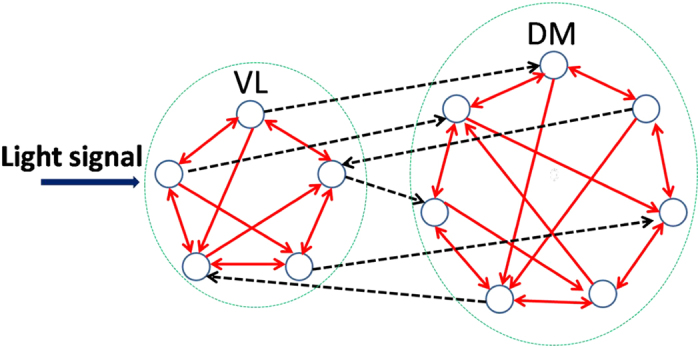
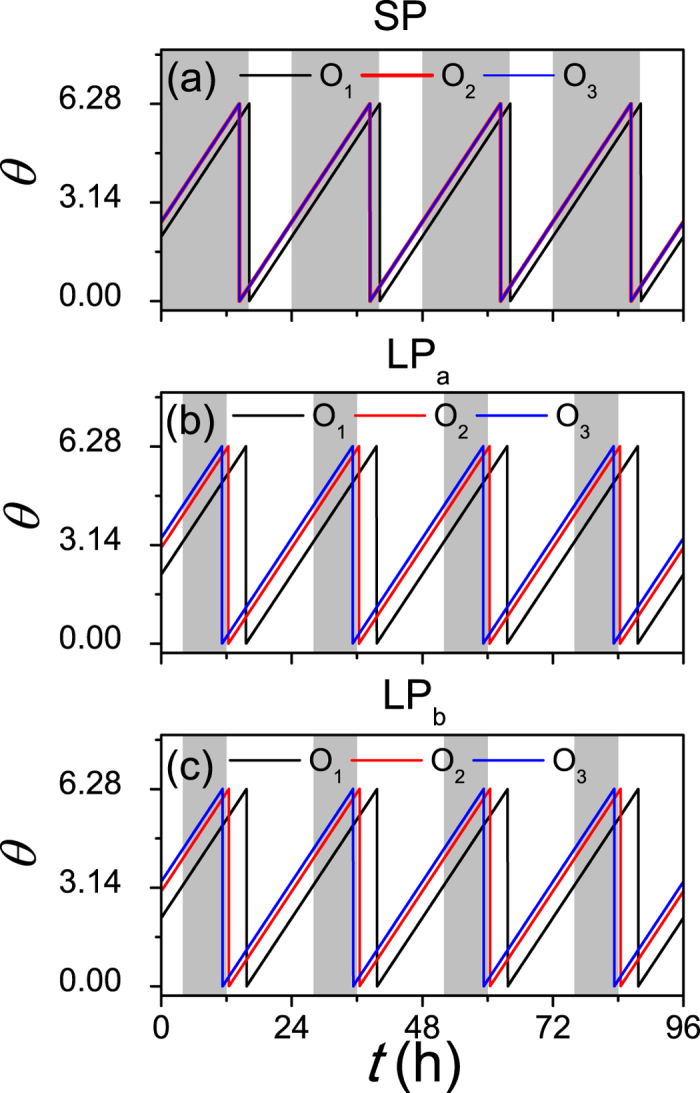
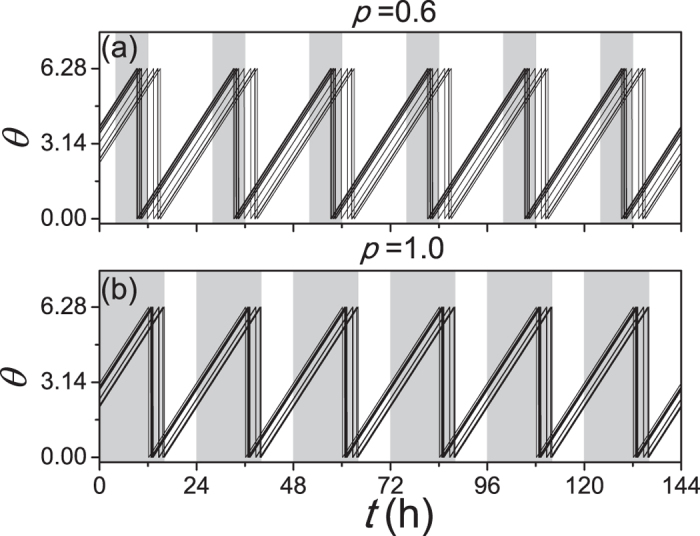
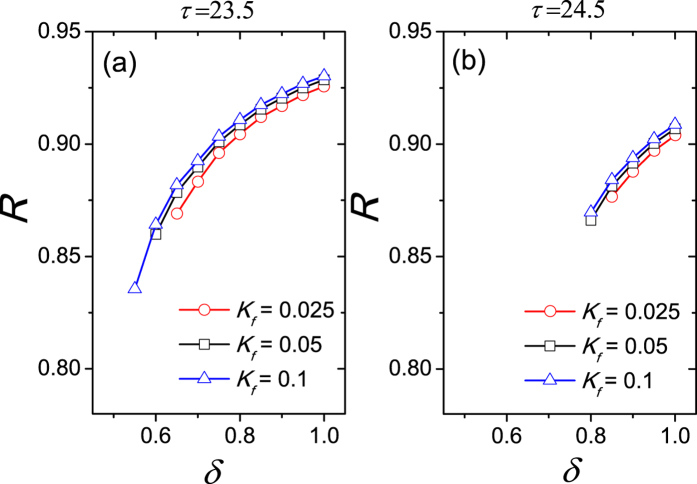
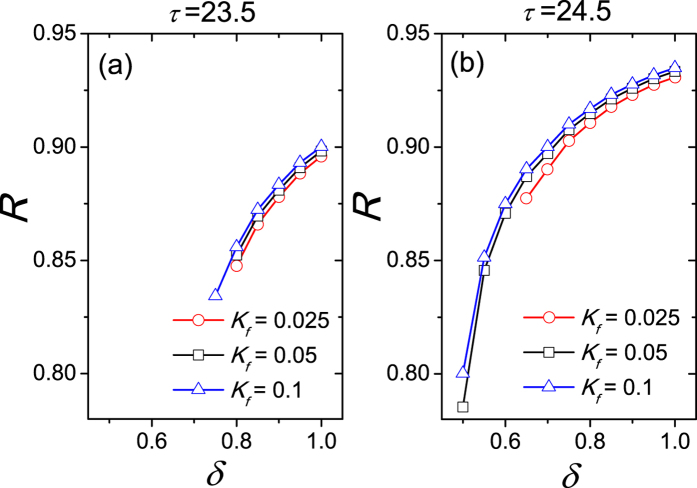
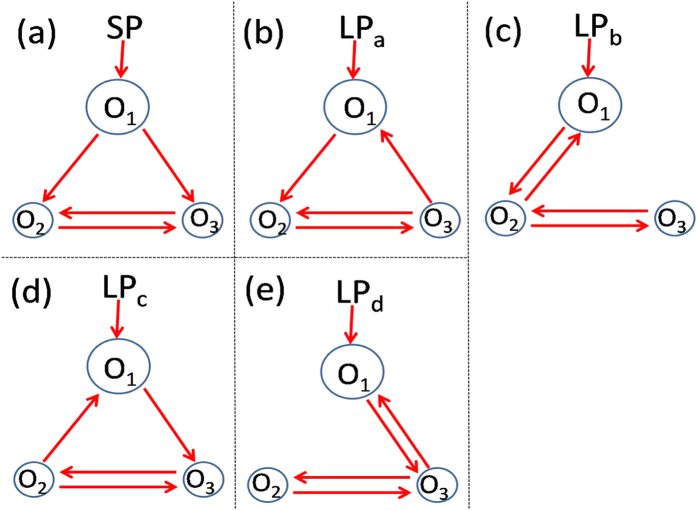
The main function of the principal clock located in the suprachiasmatic nucleus (SCN) of mammals is synchronizing the body rhythms to the 24 h light-dark cycle. Additionally, the SCN is able to adapt to the photoperiod of the cycle which varies among seasons. Under the long photoperiod (LP), the synchronization degree of the SCN neurons is lower than that under the photoperiod (SP). In the present study, a potential explanation is given for this phenomenon. We propose that the asymmetrical coupling between the light-signal-sensitive part (the ventralateral part, abbreviation: VL) and the light-signal-insensitive part (the dorsalmedial part, abbreviation: DM) of the SCN plays a role in the synchronization degree, which is reflected by the ratio of the number of the directed links from the VL neurons to the DM neurons to the total links of both directions between the VL and the DM. The ratio is assumed to characterize the directed network structure under different photoperiods, which is larger under the SP and smaller under the LP. We found that with the larger ratio in the situation of the SP, the synchronization degree is higher. Our finding may shed new light on the asymmetrical coupling between the VL and the DM, and the network structure of the SCN.
哺乳动物视交叉上核(SCN)中的主钟的主要功能是使身体节律与 24 小时光暗周期同步。此外,SCN 能够适应周期的光周期,而光周期在不同季节之间变化。在长光周期(LP)下,SCN 神经元的同步程度低于光周期(SP)下的同步程度。在本研究中,我们对这一现象给出了一个可能的解释。我们提出,SCN 的光信号敏感部分(腹外侧部分,缩写:VL)和光信号不敏感部分(背内侧部分,缩写:DM)之间的不对称耦合在同步程度中起作用,这反映在 VL 神经元到 DM 神经元的定向链接数与 VL 和 DM 之间的双向总链接数的比率上。该比率被假定为不同光周期下的定向网络结构的特征,在 SP 下更大,在 LP 下更小。我们发现,在 SP 情况下,比率较大,同步程度较高。我们的发现可能为 VL 和 DM 之间的不对称耦合以及 SCN 的网络结构提供新的见解。