Mandl M, Lieberum M-K, Depping R
Institute of Physiology, Center for Structural and Cell Biology in Medicine, University of Luebeck, Ratzeburger Allee 160, Luebeck 23562, Germany.
Klinik fuer Strahlentherapie, Universitaetsklinikum Schleswig-Holstein, Campus Luebeck, Ratzeburger Allee 160, Luebeck 23538, Germany.
Cell Death Dis. 2016 Jun 30;7(6):e2284. doi: 10.1038/cddis.2016.187.
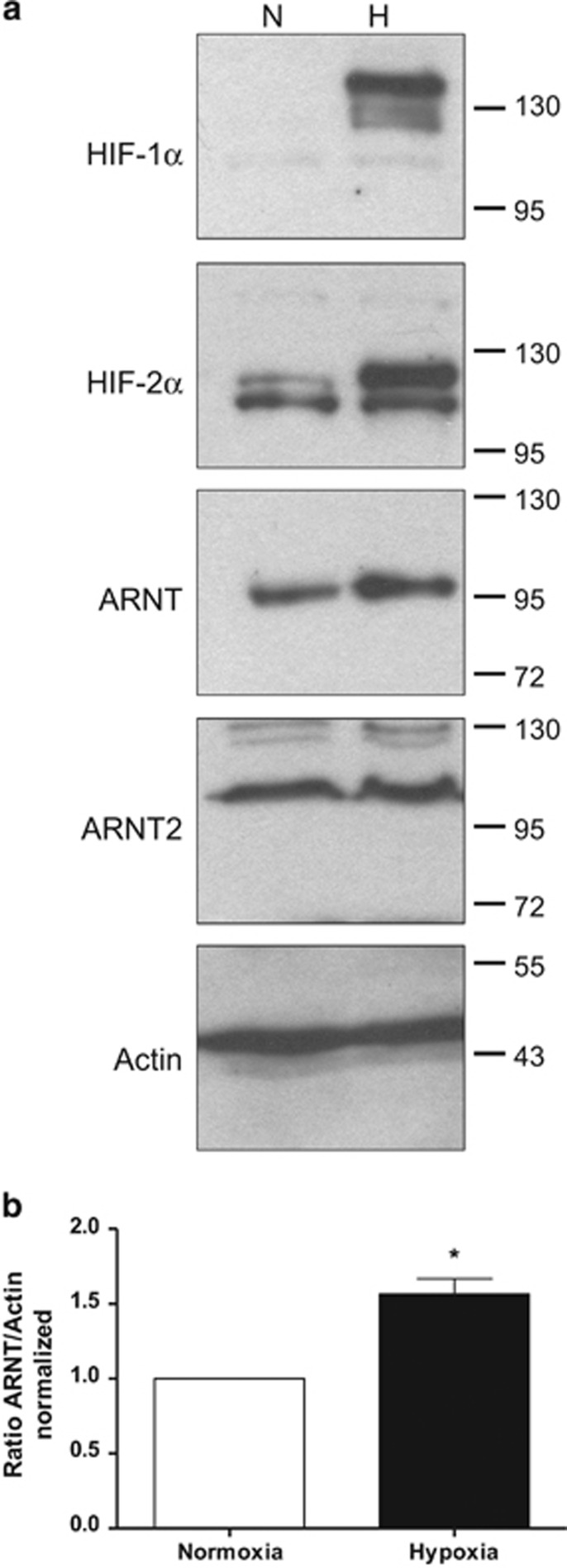
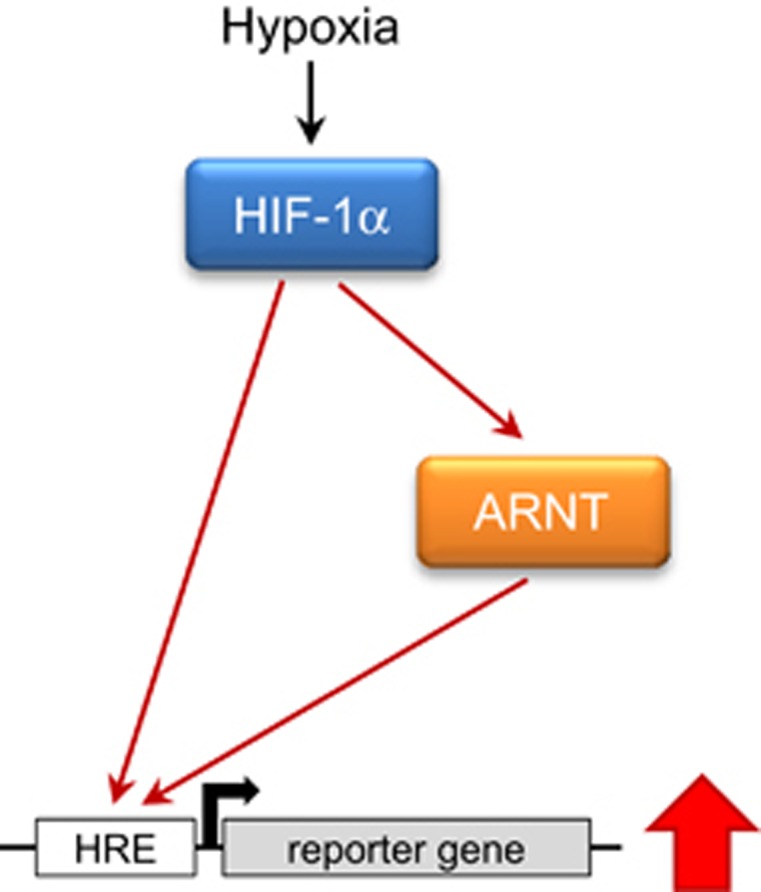
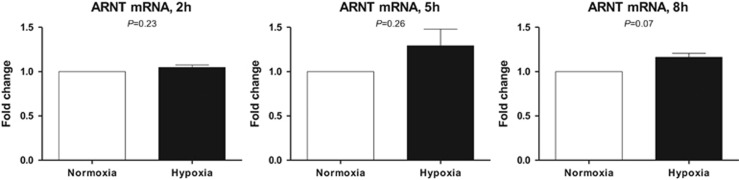
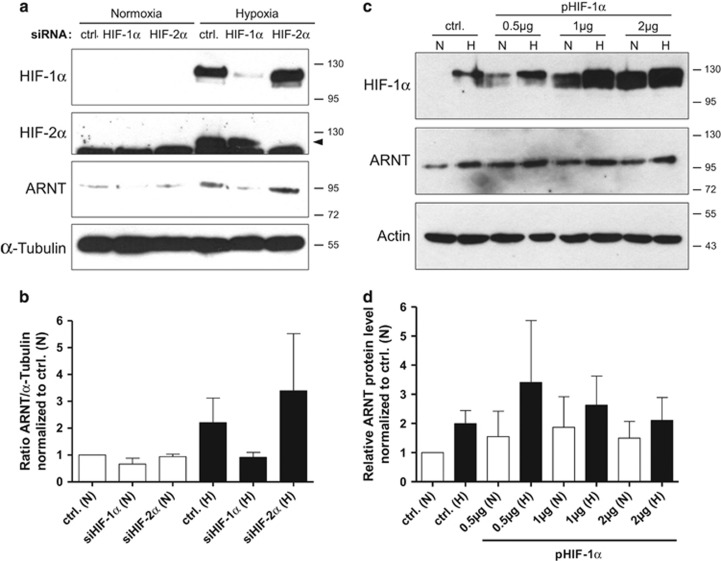
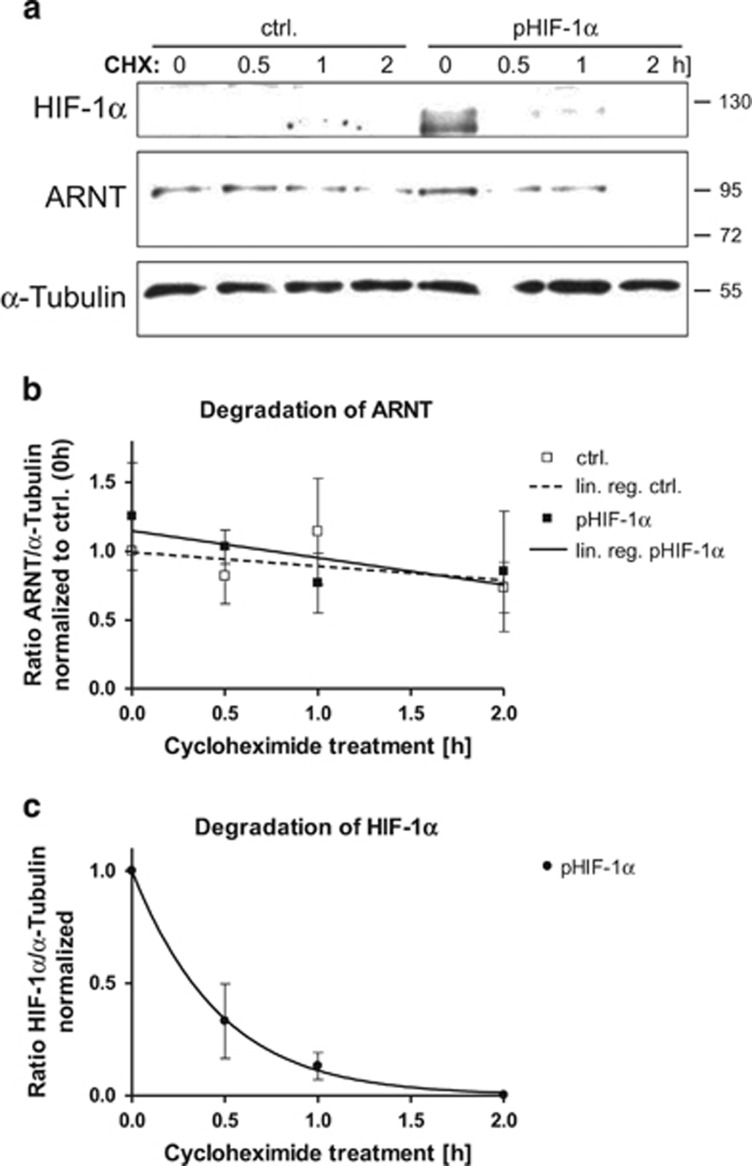
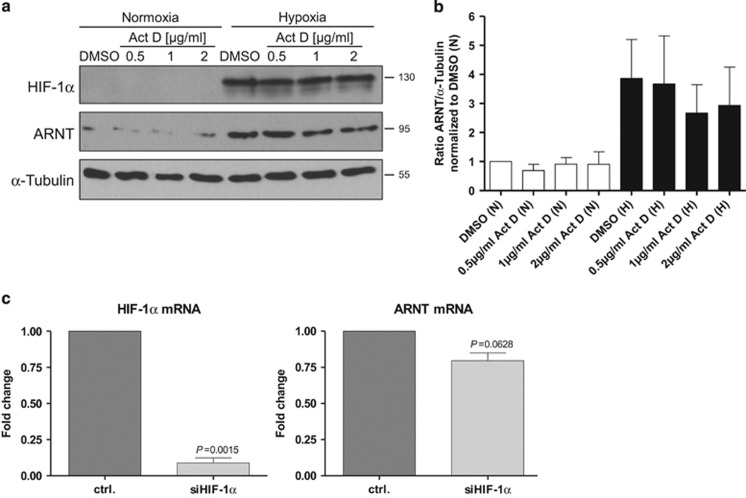
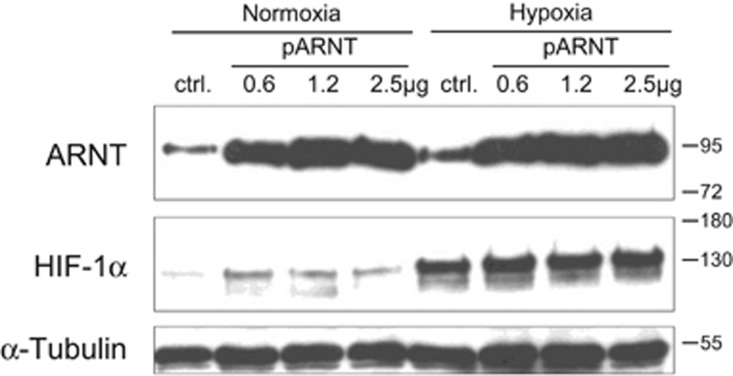
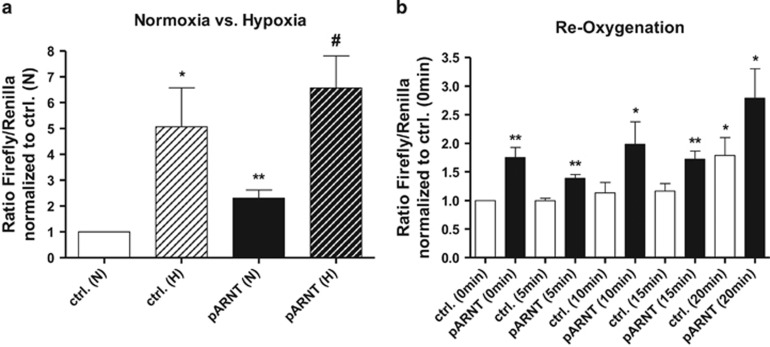
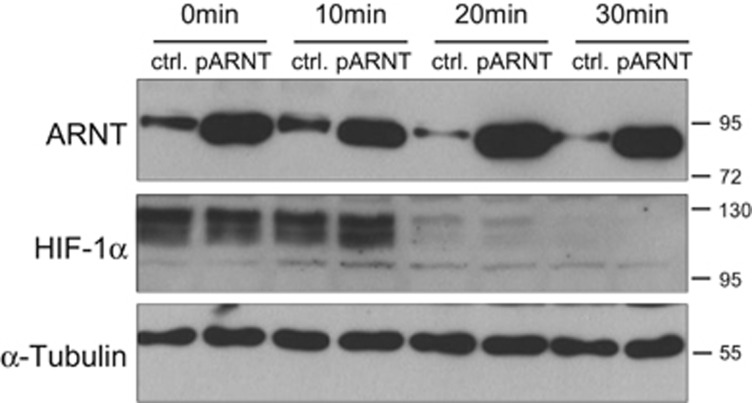
Oxygen-deprived (hypoxic) areas are commonly found within neoplasms caused by excessive cell proliferation. The transcription factor Aryl hydrocarbon receptor nuclear translocator (ARNT) is part of the hypoxia-inducible factor (HIF) pathway, which mediates adaptive responses to ensure cellular survival under hypoxic conditions. HIF signalling leads to metabolic alterations, invasion/metastasis and the induction of angiogenesis in addition to radio-chemoresistance of tumour cells. Activation of the HIF pathway is based on the abundance of HIF-α subunits, which are regulated in an oxygen-dependent manner and form transcriptional active complexes with ARNT or ARNT2 (also referred as HIF-1β and HIF-2β, respectively). ARNT is considered to be unaffected by hypoxia but certain cell lines, including Hep3B cells, are capable to elevate this transcription factor in response to oxygen deprivation, which implies an advantage. Therefore, the aim of this study was to elucidate the mechanism of hypoxia-dependent ARNT upregulation and to determine implications on HIF signalling. Gene silencing and overexpression techniques were used to alter the expression pattern of HIF transcription factors under normoxic and hypoxic conditions. qRT-PCR and western blotting were performed to measure gene and protein expression, respectively. HIF activity was determined by reporter gene assays. The results revealed a HIF-1α-dependent mechanism leading to ARNT upregulation in hypoxia. Forced expression of ARNT increased reporter activity under normoxic and hypoxic conditions. In conclusion, these findings indicate a novel feed-forward loop and suggest that ARNT might be a limiting factor. Augmented HIF signalling in terms of elevated target gene expression might be advantageous for tumour cells.
在由细胞过度增殖引起的肿瘤中,常可发现缺氧区域。转录因子芳烃受体核转运蛋白(ARNT)是缺氧诱导因子(HIF)通路的一部分,该通路介导适应性反应以确保细胞在缺氧条件下存活。HIF信号传导除了导致肿瘤细胞的放化疗耐药性外,还会引起代谢改变、侵袭/转移以及血管生成的诱导。HIF通路的激活基于HIF-α亚基的丰度,其以氧依赖方式受到调节,并与ARNT或ARNT2(也分别称为HIF-1β和HIF-2β)形成转录活性复合物。ARNT被认为不受缺氧影响,但某些细胞系,包括Hep3B细胞,能够在缺氧时上调这种转录因子,这意味着具有优势。因此,本研究的目的是阐明缺氧依赖性ARNT上调的机制,并确定其对HIF信号传导的影响。基因沉默和过表达技术用于在常氧和缺氧条件下改变HIF转录因子的表达模式。分别进行qRT-PCR和蛋白质印迹以测量基因和蛋白质表达。通过报告基因测定法确定HIF活性。结果揭示了一种在缺氧时导致ARNT上调的HIF-1α依赖性机制。ARNT的强制表达在常氧和缺氧条件下均增加了报告基因活性。总之,这些发现表明存在一种新的前馈环,并提示ARNT可能是一个限制因素。就靶基因表达升高而言,增强的HIF信号传导可能对肿瘤细胞有利。