Salah Ud-Din Abu Iftiaf Md, Tikhomirova Alexandra, Roujeinikova Anna
Infection and Immunity Program, Monash Biomedicine Discovery Institute; Department of Microbiology, Monash University, Clayton, Victoria 3800, Australia.
Department of Biochemistry and Molecular Biology, Monash University, Clayton, Victoria 3800, Australia.
Int J Mol Sci. 2016 Jun 28;17(7):1018. doi: 10.3390/ijms17071018.
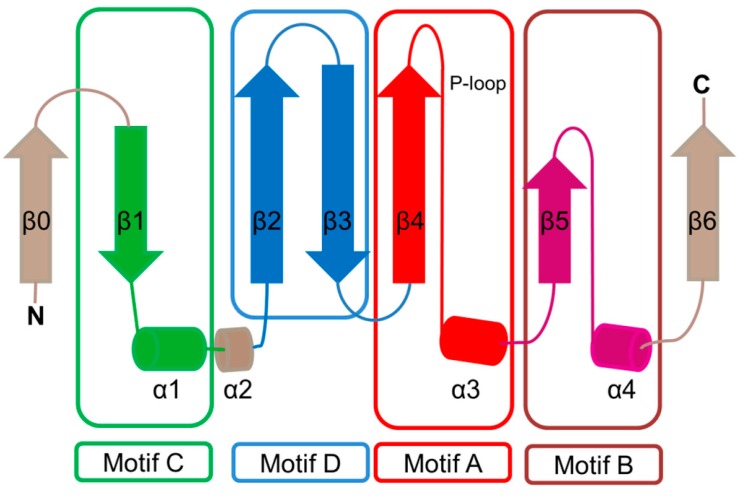
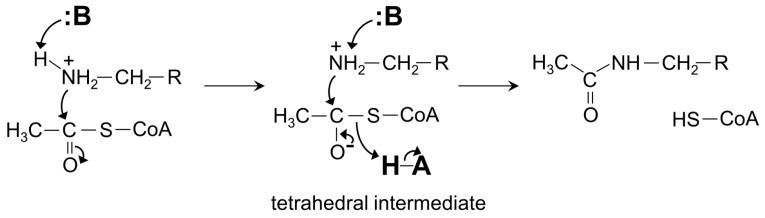
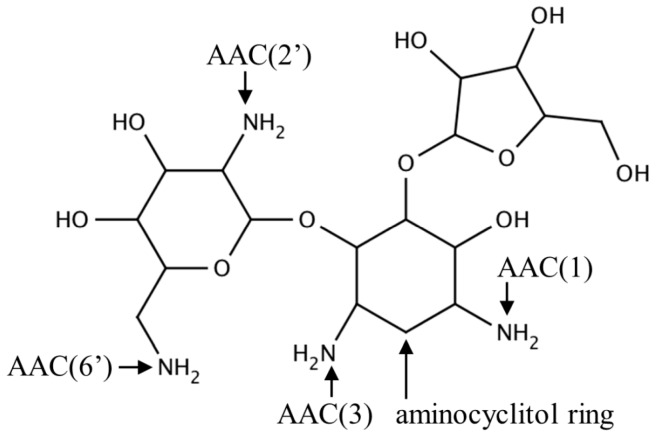
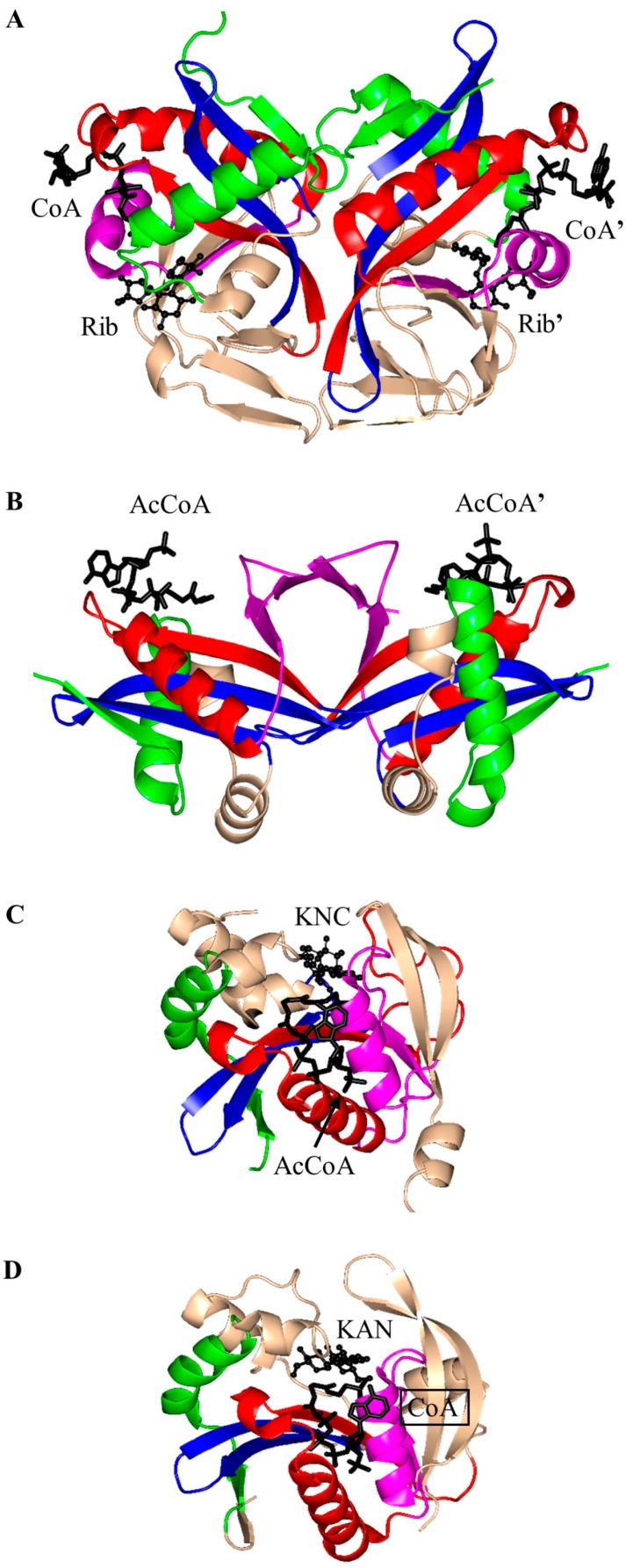
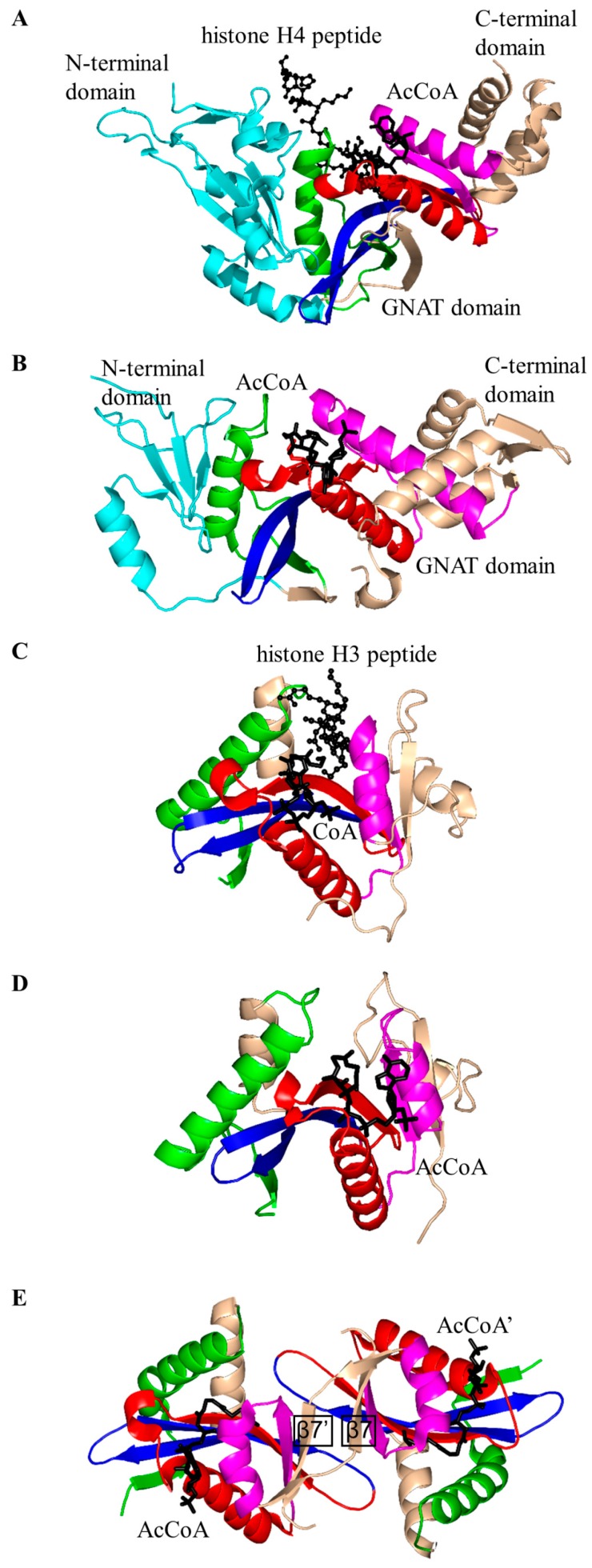
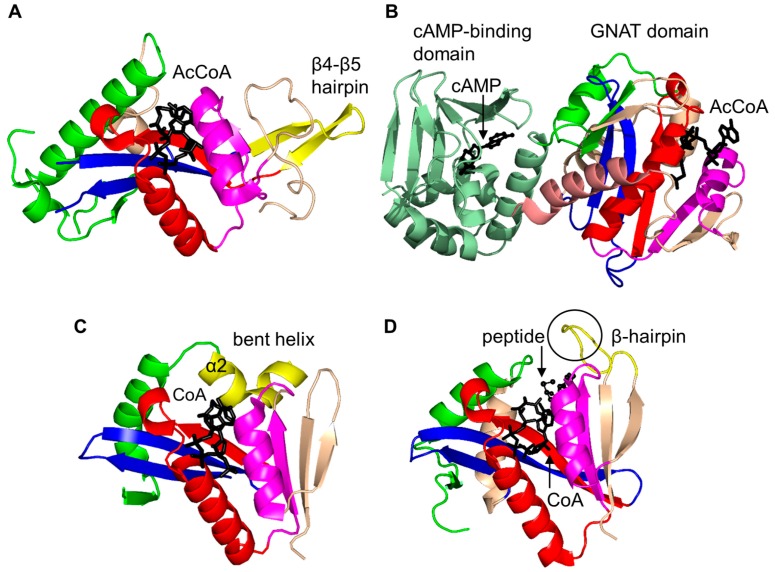
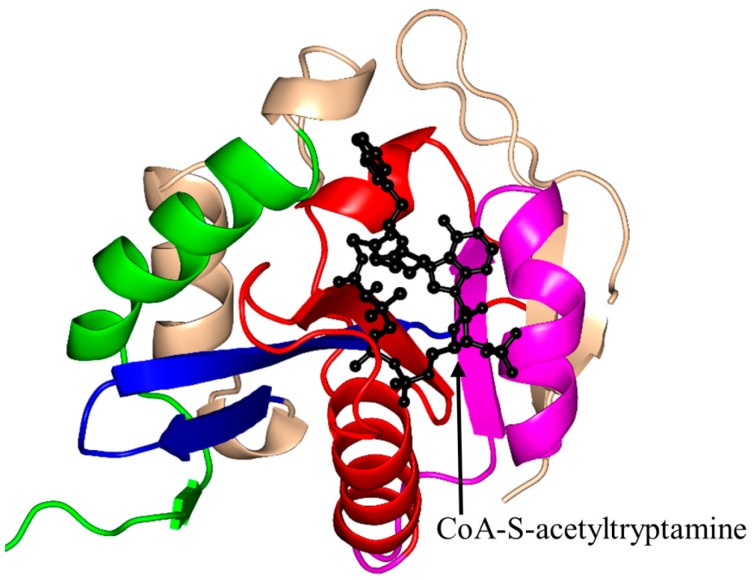
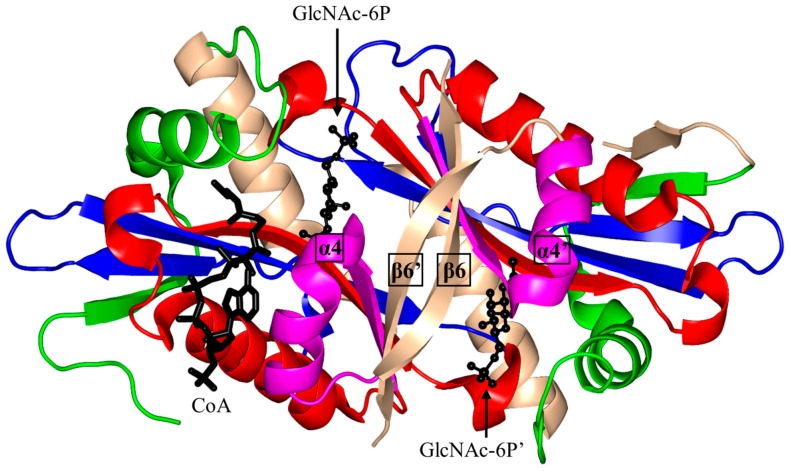
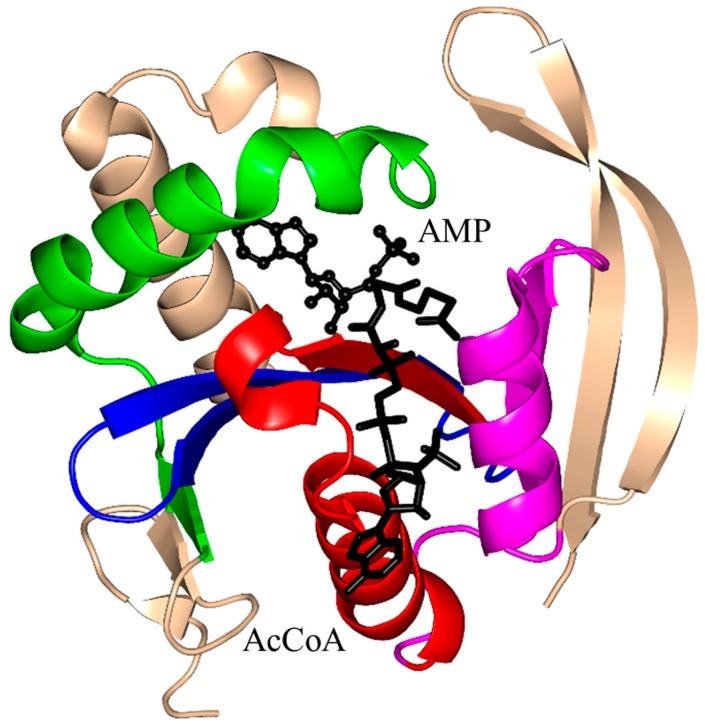
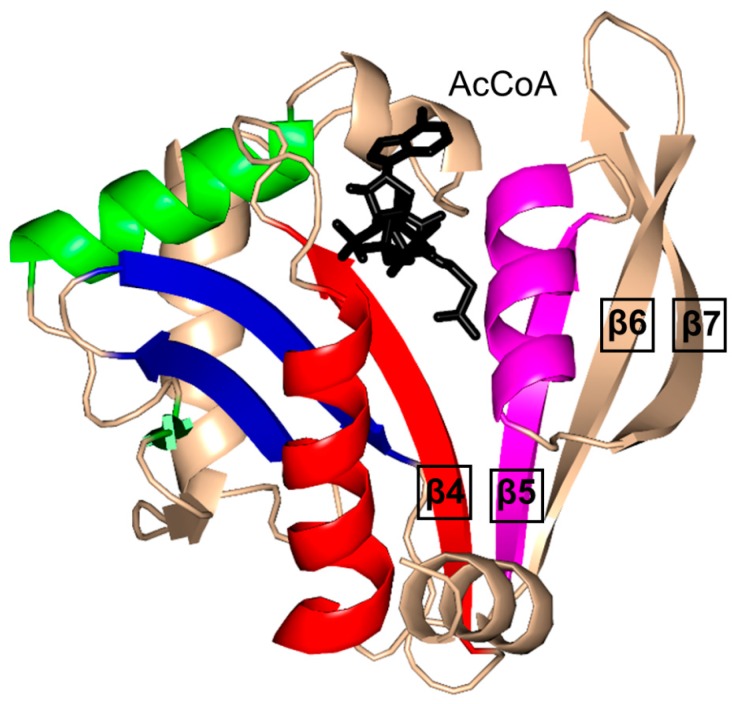
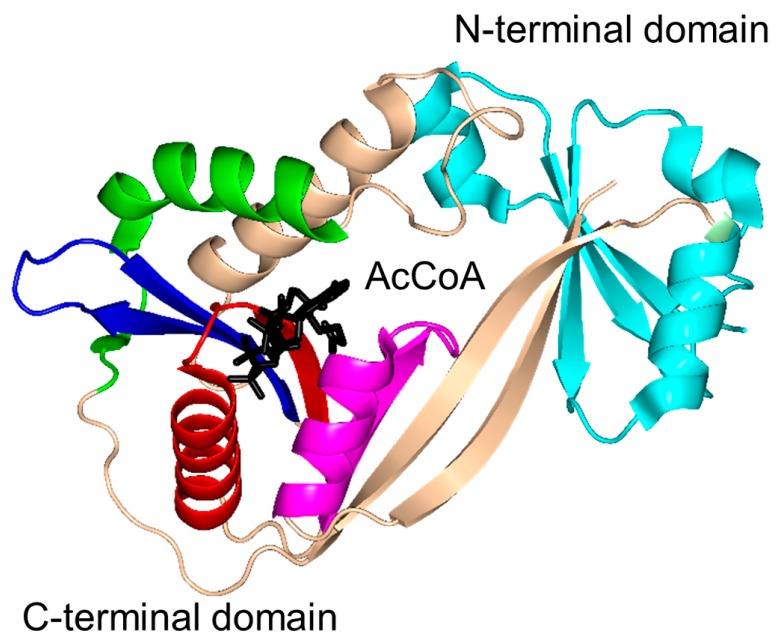
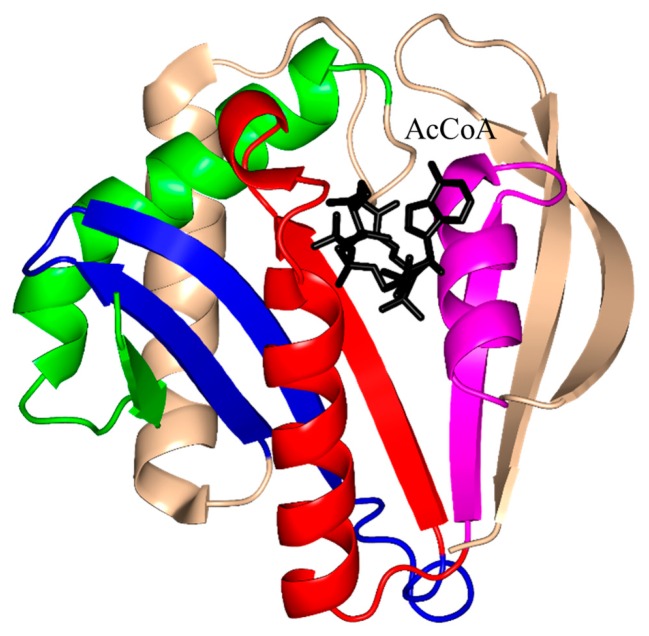
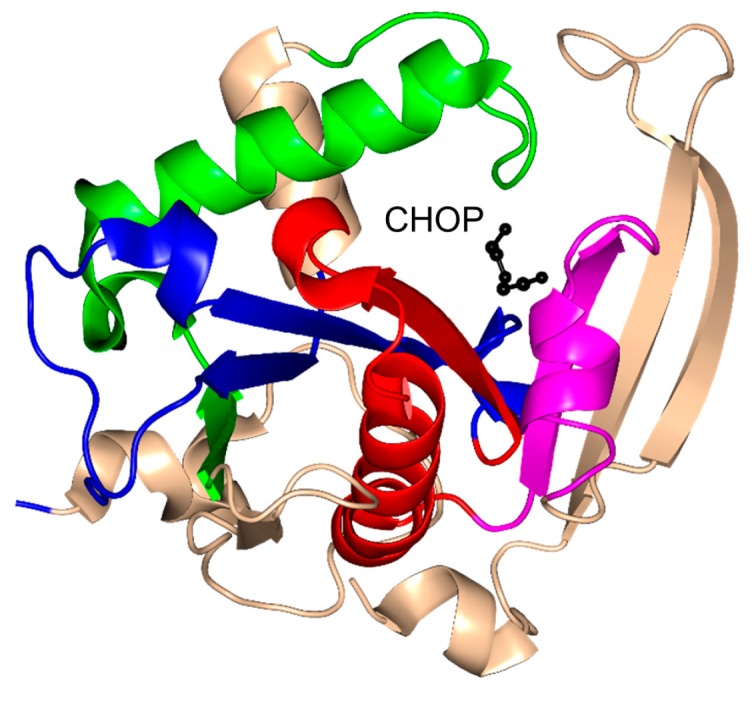
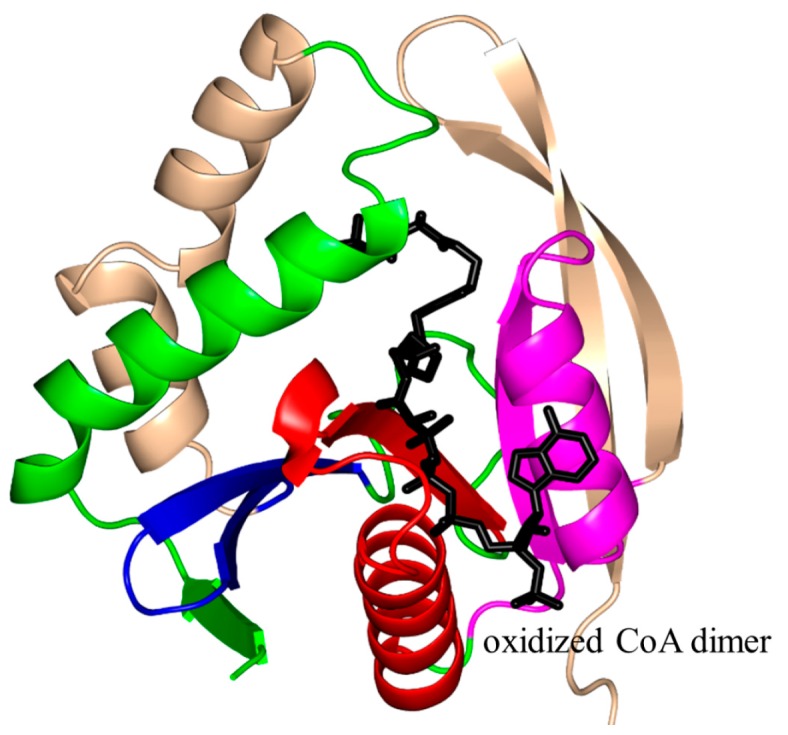
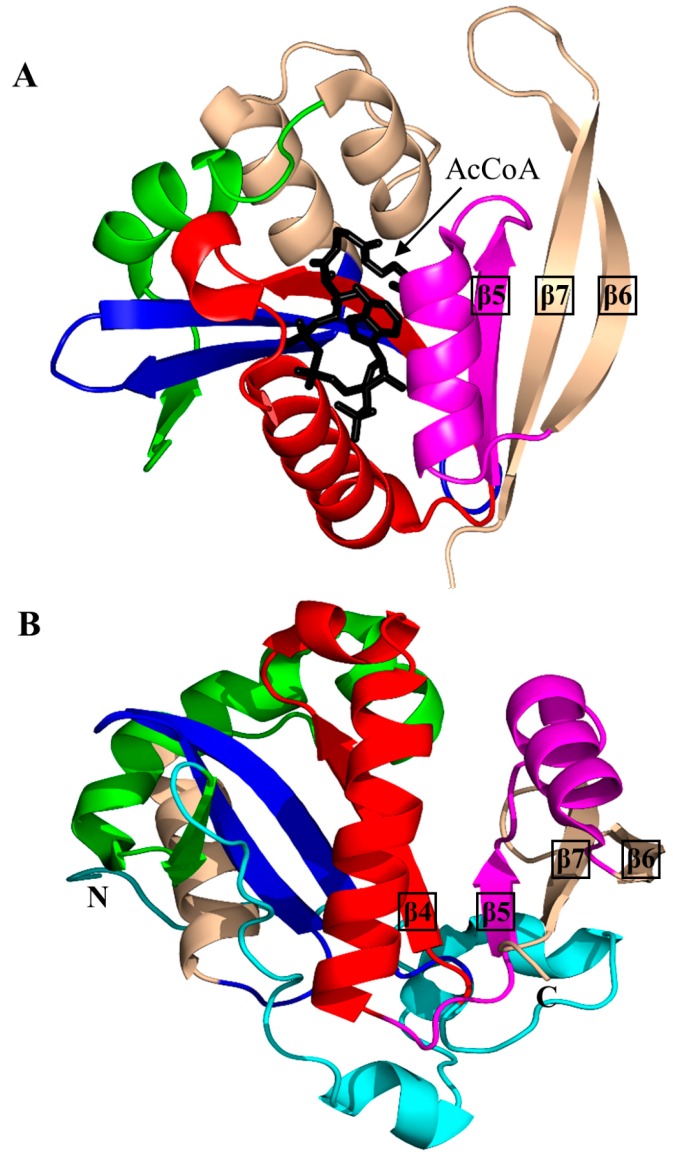
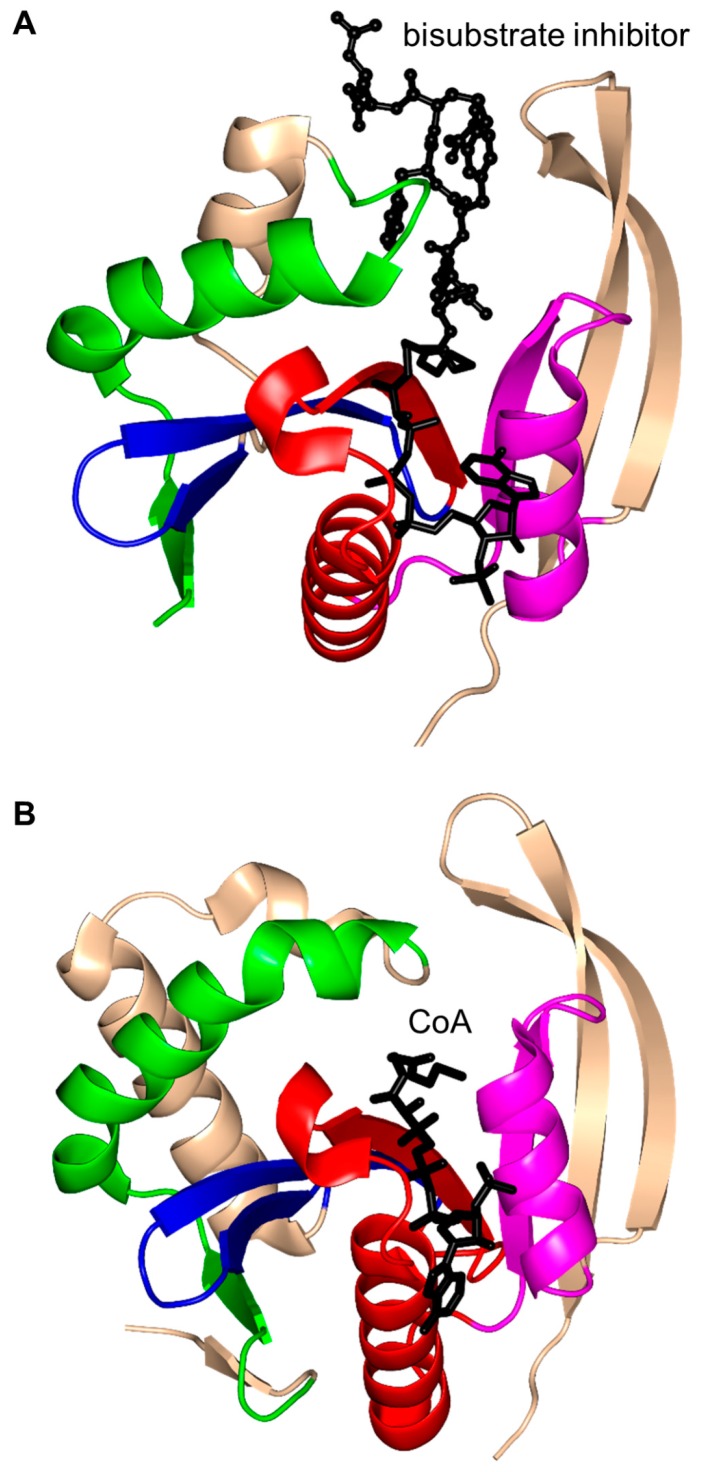
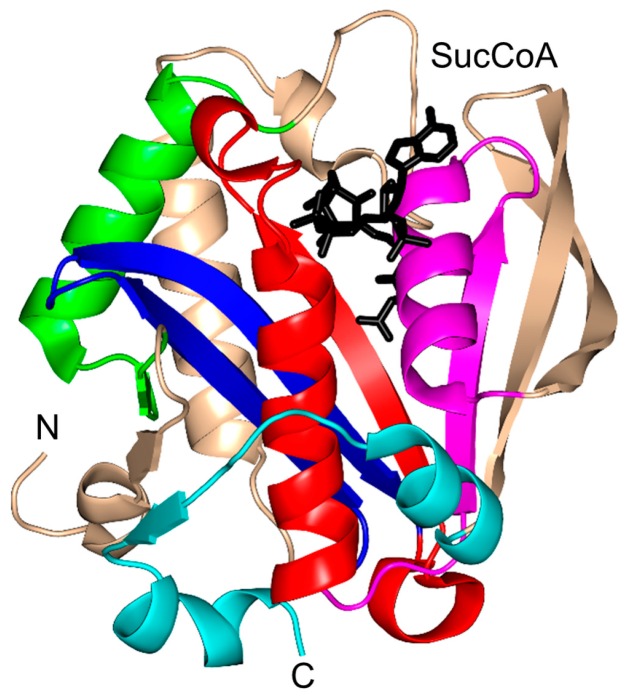
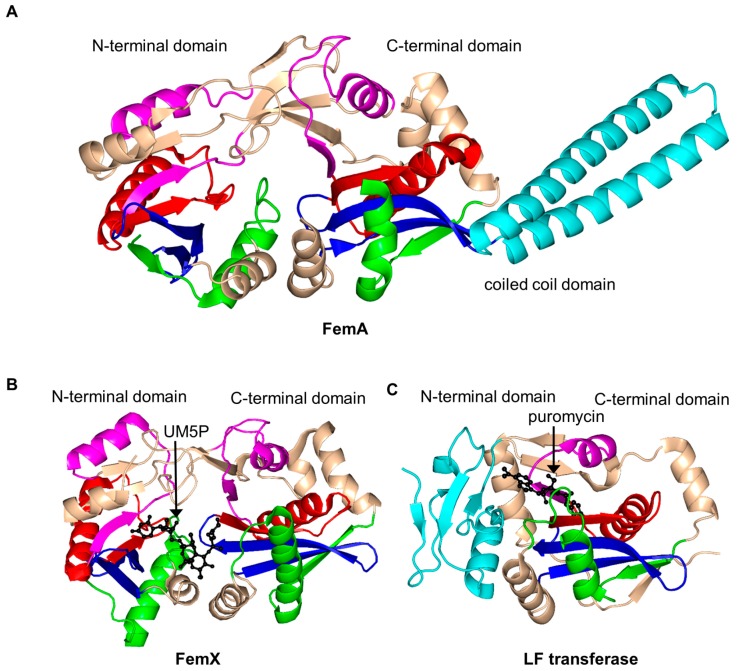
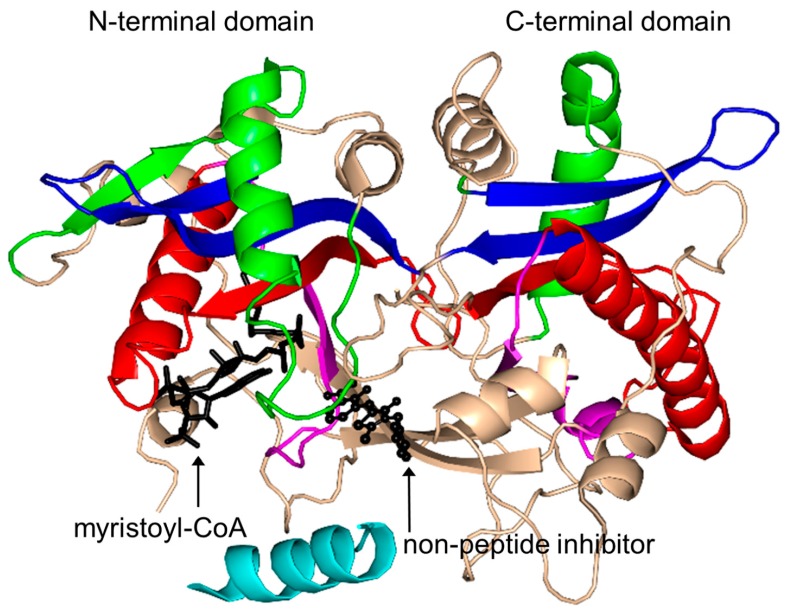
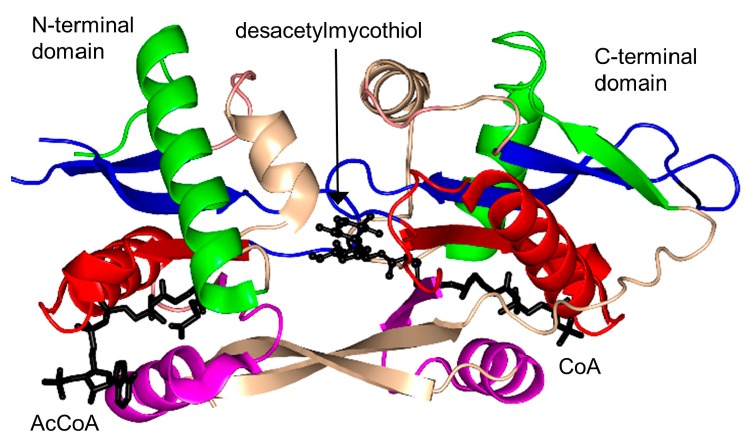
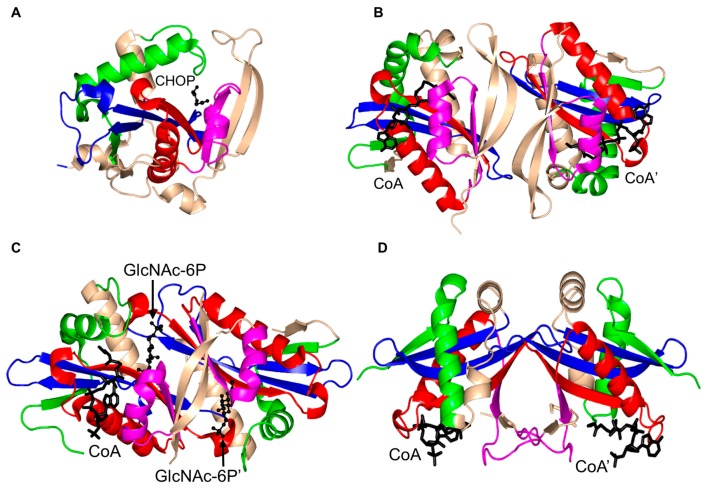
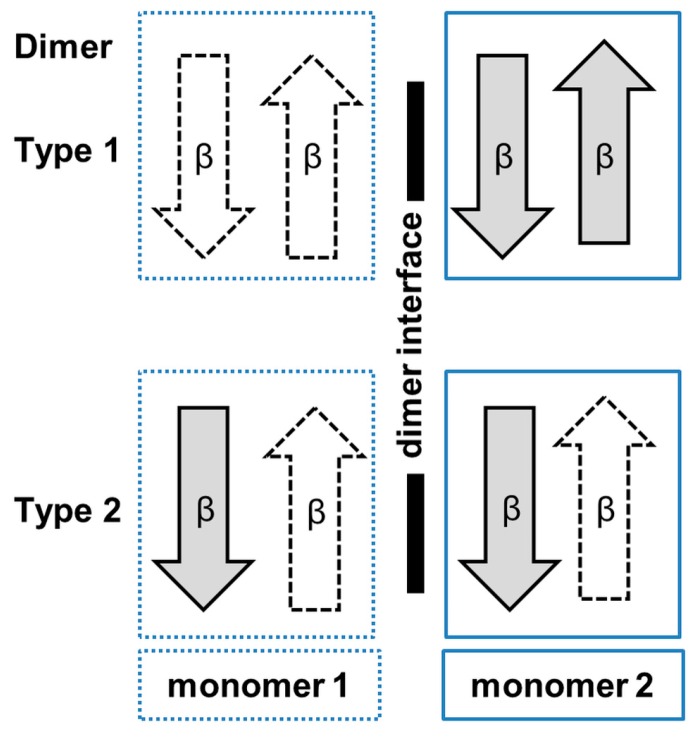
General control non-repressible 5 (GCN5)-related N-acetyltransferases (GNAT) catalyze the transfer of an acyl moiety from acyl coenzyme A (acyl-CoA) to a diverse group of substrates and are widely distributed in all domains of life. This review of the currently available data acquired on GNAT enzymes by a combination of structural, mutagenesis and kinetic methods summarizes the key similarities and differences between several distinctly different families within the GNAT superfamily, with an emphasis on the mechanistic insights obtained from the analysis of the complexes with substrates or inhibitors. It discusses the structural basis for the common acetyltransferase mechanism, outlines the factors important for the substrate recognition, and describes the mechanism of action of inhibitors of these enzymes. It is anticipated that understanding of the structural basis behind the reaction and substrate specificity of the enzymes from this superfamily can be exploited in the development of novel therapeutics to treat human diseases and combat emerging multidrug-resistant microbial infections.
通用控制非抑制性5(GCN5)相关的N-乙酰基转移酶(GNAT)催化酰基部分从酰基辅酶A(acyl-CoA)转移到多种底物上,广泛分布于生命的所有领域。本综述通过结构、诱变和动力学方法相结合获取的关于GNAT酶的现有数据,总结了GNAT超家族中几个明显不同家族之间的关键异同,重点是通过分析与底物或抑制剂的复合物获得的机制见解。它讨论了常见乙酰转移酶机制的结构基础,概述了对底物识别重要的因素,并描述了这些酶抑制剂的作用机制。预计对该超家族酶的反应和底物特异性背后的结构基础的理解可用于开发治疗人类疾病和对抗新出现的多重耐药微生物感染的新型疗法。