Kovalchuk Anna, Mychasiuk Richelle, Muhammad Arif, Hossain Shakhawat, Ilnytskyy Yaroslav, Ghose Abhijit, Kirkby Charles, Ghasroddashti Esmaeel, Kolb Bryan, Kovalchuk Olga
Department of Neuroscience, University of LethbridgeLethbridge, AB, Canada; Alberta Epigenetics NetworkCalgary, AB, Canada.
Department of Psychology, Alberta Children's Hospital Research Institute, University of Calgary Calgary, AB, Canada.
Front Behav Neurosci. 2016 Jun 3;10:84. doi: 10.3389/fnbeh.2016.00084. eCollection 2016.
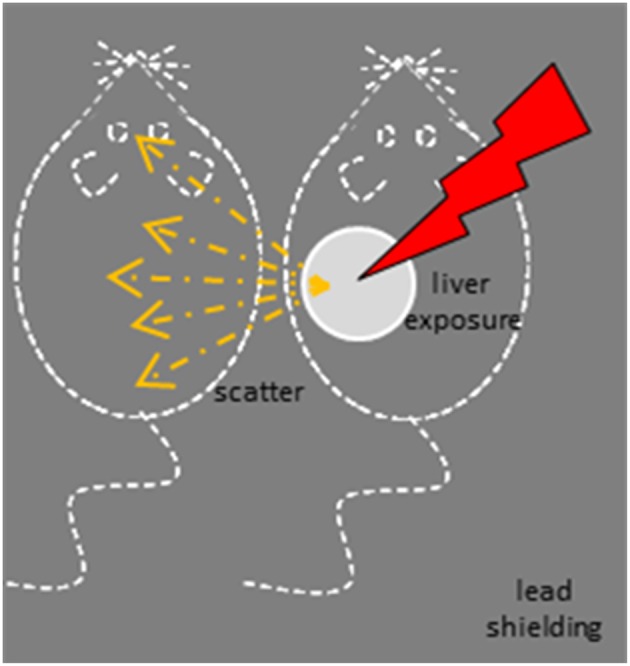
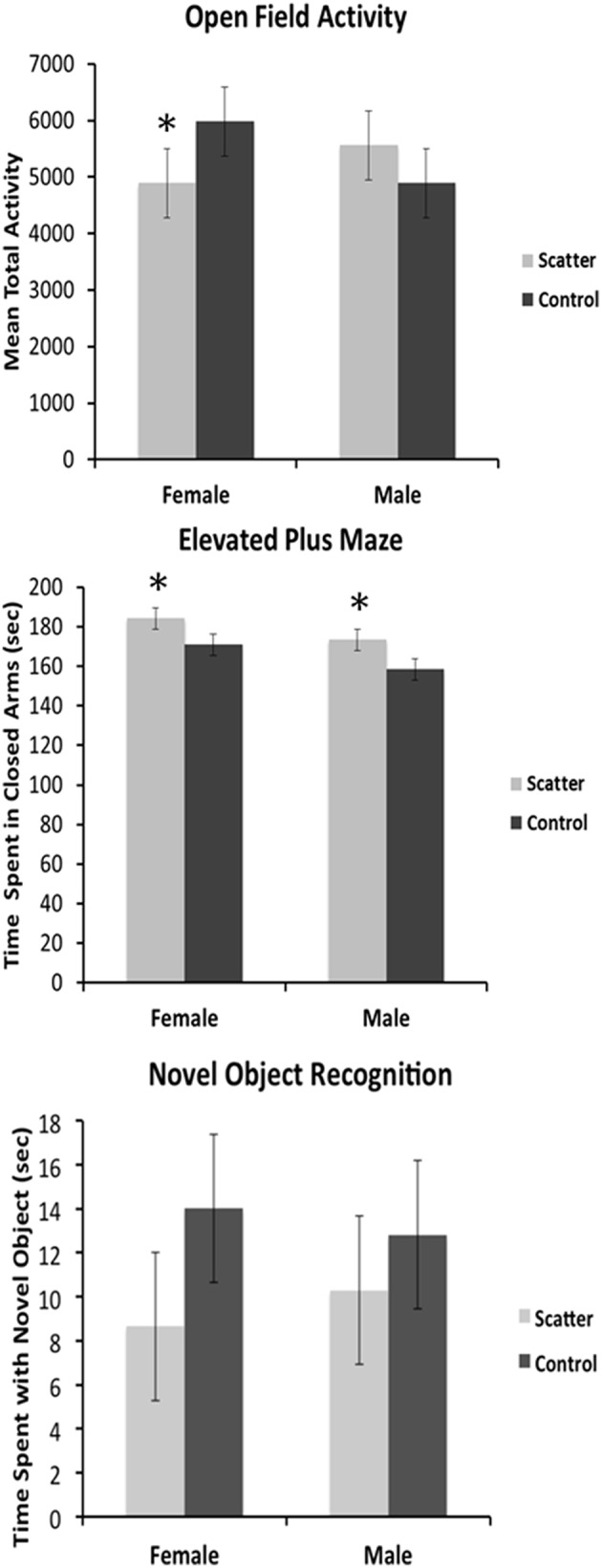
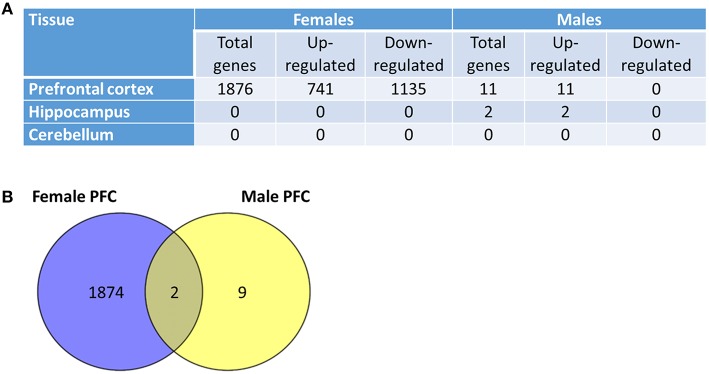
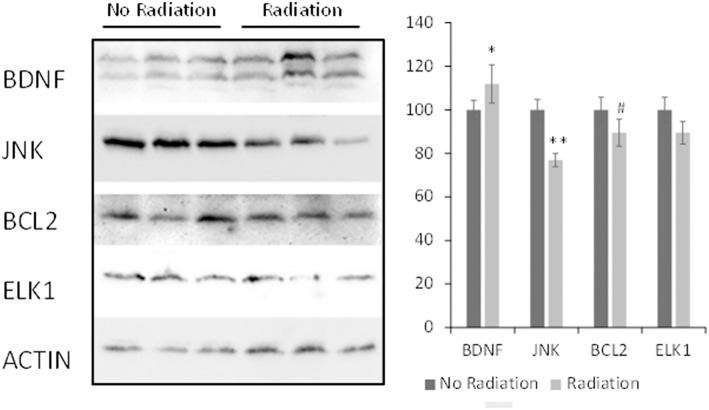
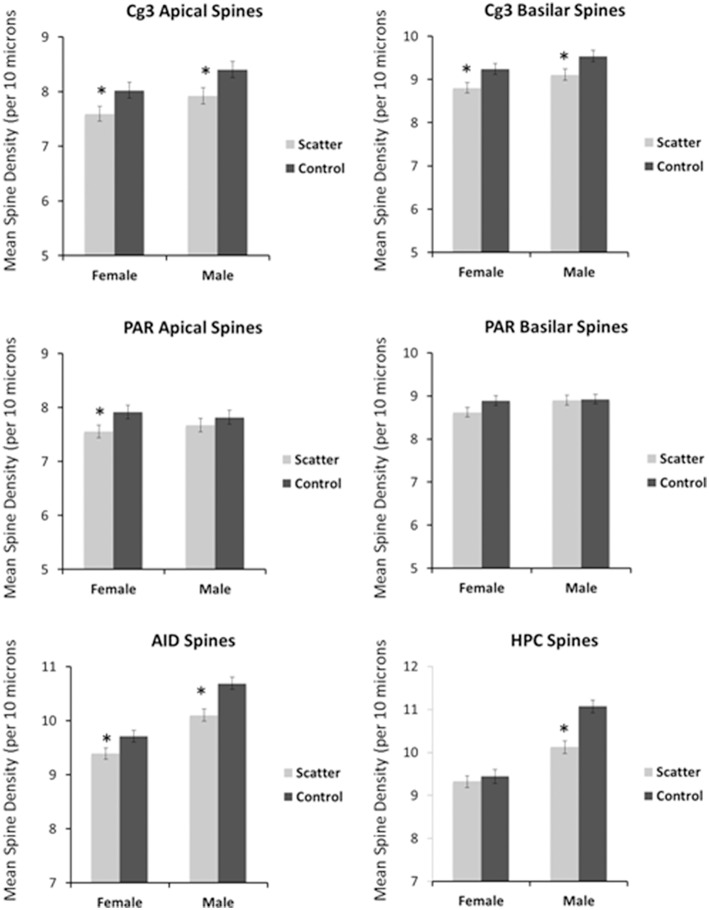
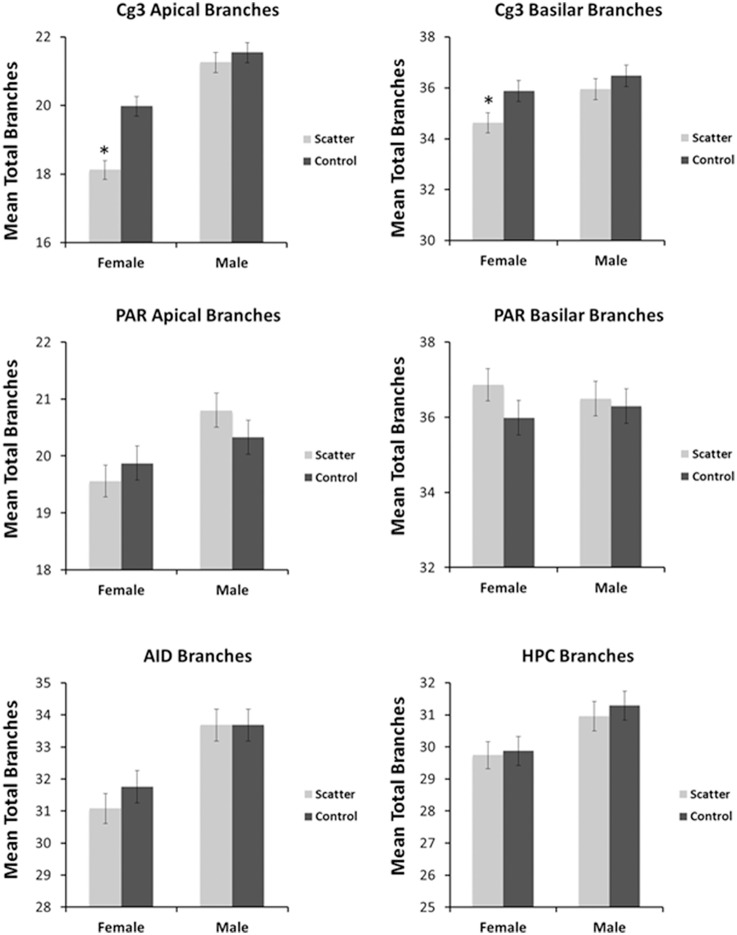
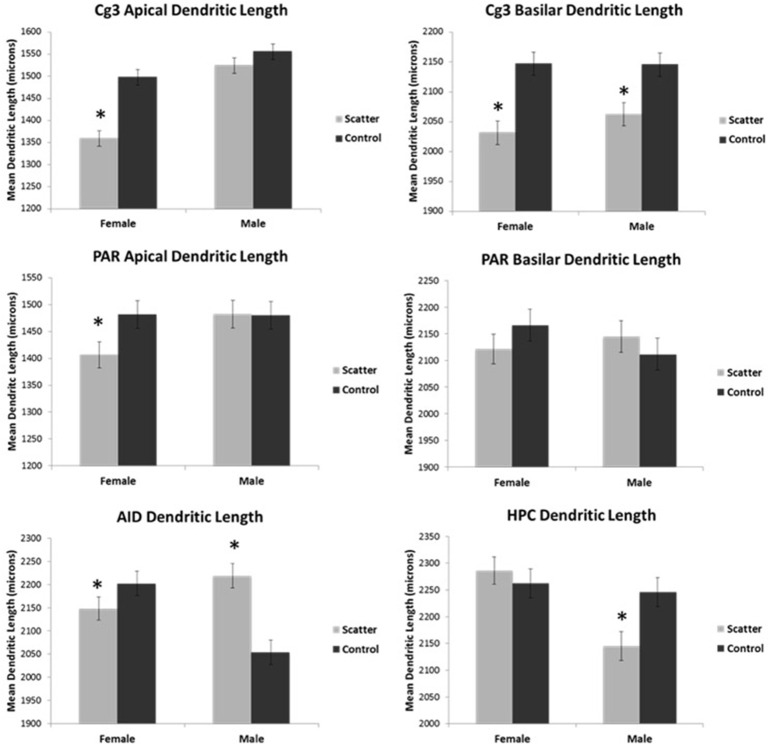
Irradiated cells can signal damage and distress to both close and distant neighbors that have not been directly exposed to the radiation (naïve bystanders). While studies have shown that such bystander effects occur in the shielded brain of animals upon body irradiation, their mechanism remains unexplored. Observed effects may be caused by some blood-borne factors; however they may also be explained, at least in part, by very small direct doses received by the brain that result from scatter or leakage. In order to establish the roles of low doses of scatter irradiation in the brain response, we developed a new model for scatter irradiation analysis whereby one rat was irradiated directly at the liver and the second rat was placed adjacent to the first and received a scatter dose to its body and brain. This work focuses specifically on the response of the latter rat brain to the low scatter irradiation dose. Here, we provide the first experimental evidence that very low, clinically relevant doses of scatter irradiation alter gene expression, induce changes in dendritic morphology, and lead to behavioral deficits in exposed animals. The results showed that exposure to radiation doses as low as 0.115 cGy caused changes in gene expression and reduced spine density, dendritic complexity, and dendritic length in the prefrontal cortex tissues of females, but not males. In the hippocampus, radiation altered neuroanatomical organization in males, but not in females. Moreover, low dose radiation caused behavioral deficits in the exposed animals. This is the first study to show that low dose scatter irradiation influences the brain and behavior in a sex-specific way.
受到辐射的细胞能够向未直接暴露于辐射的邻近及远处细胞(未受影响的旁观者细胞)发出损伤和应激信号。虽然研究表明,在对动物身体进行辐射时,这种旁观者效应会在受屏蔽的大脑中出现,但其机制仍未得到探索。观察到的效应可能是由某些血液传播因子引起的;然而,它们也可能至少部分是由大脑因散射或泄漏而接收到的极小直接剂量所导致的。为了确定低剂量散射辐射在大脑反应中的作用,我们开发了一种用于散射辐射分析的新模型,即对一只大鼠的肝脏进行直接辐射,而将第二只大鼠放置在第一只大鼠旁边,使其身体和大脑接受散射剂量。这项工作特别关注后一只大鼠的大脑对低散射辐射剂量的反应。在此,我们提供了首个实验证据,即极低的、临床相关剂量的散射辐射会改变基因表达,诱导树突形态变化,并导致受照射动物出现行为缺陷。结果表明,暴露于低至0.115厘戈瑞的辐射剂量会导致雌性大鼠前额叶皮质组织中的基因表达发生变化,并降低棘突密度、树突复杂性和树突长度,但对雄性大鼠没有影响。在海马体中,辐射改变了雄性大鼠的神经解剖结构,但对雌性大鼠没有影响。此外,低剂量辐射导致受照射动物出现行为缺陷。这是第一项表明低剂量散射辐射以性别特异性方式影响大脑和行为的研究。