Laforest Mylène, Bouchard Stéphane, Bossé Jessie, Mesly Olivier
University of Ottawa , Ottawa, ON , Canada.
University of Ottawa, Ottawa, ON, Canada; Université du Québec en Outaouais, Gatineau, QC, Canada.
Front Psychiatry. 2016 Jun 13;7:99. doi: 10.3389/fpsyt.2016.00099. eCollection 2016.
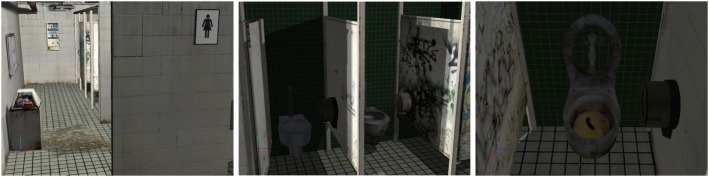
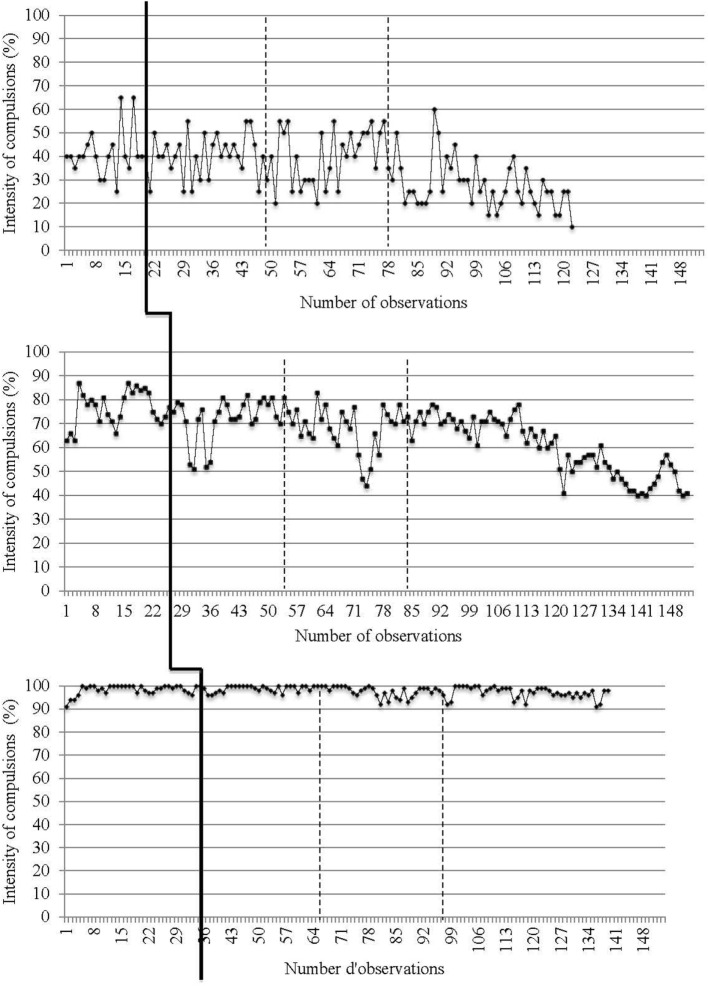
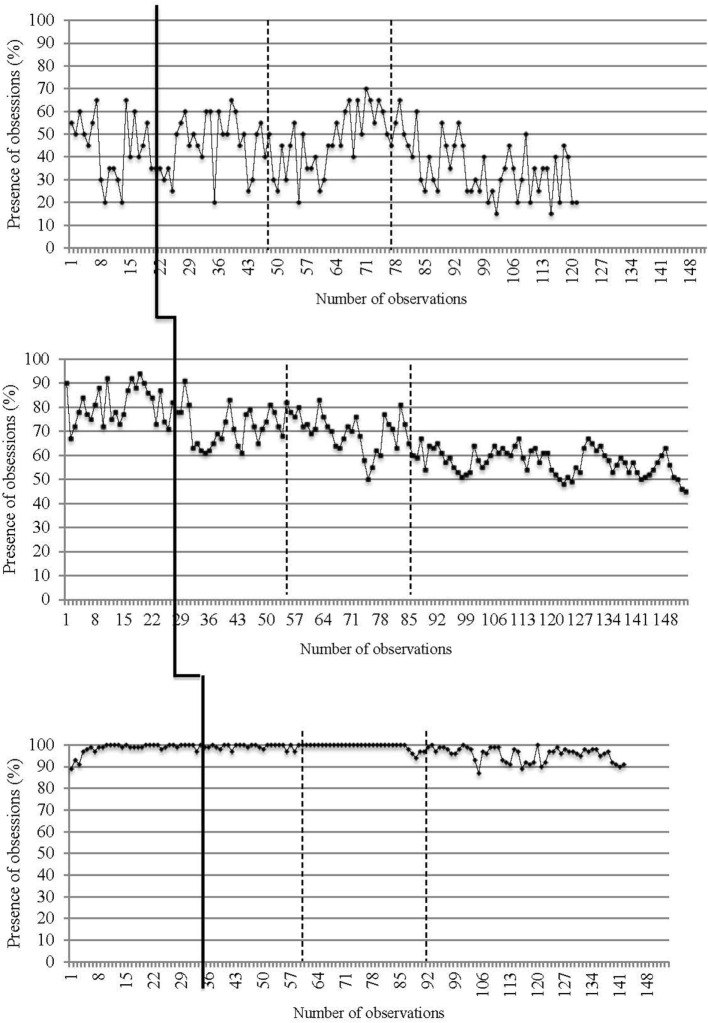
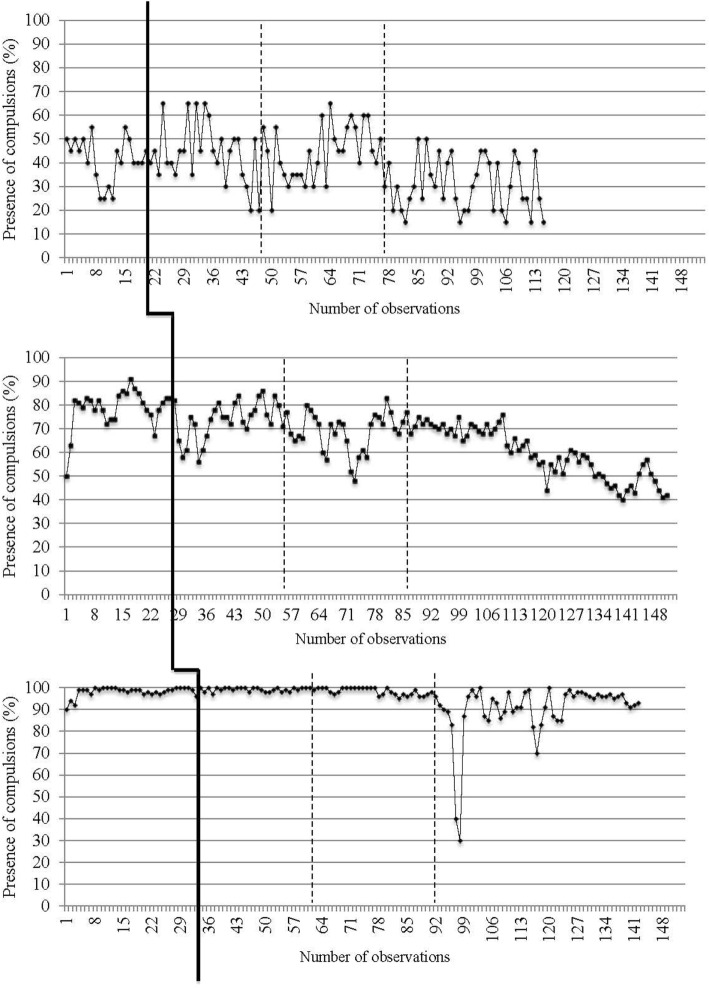
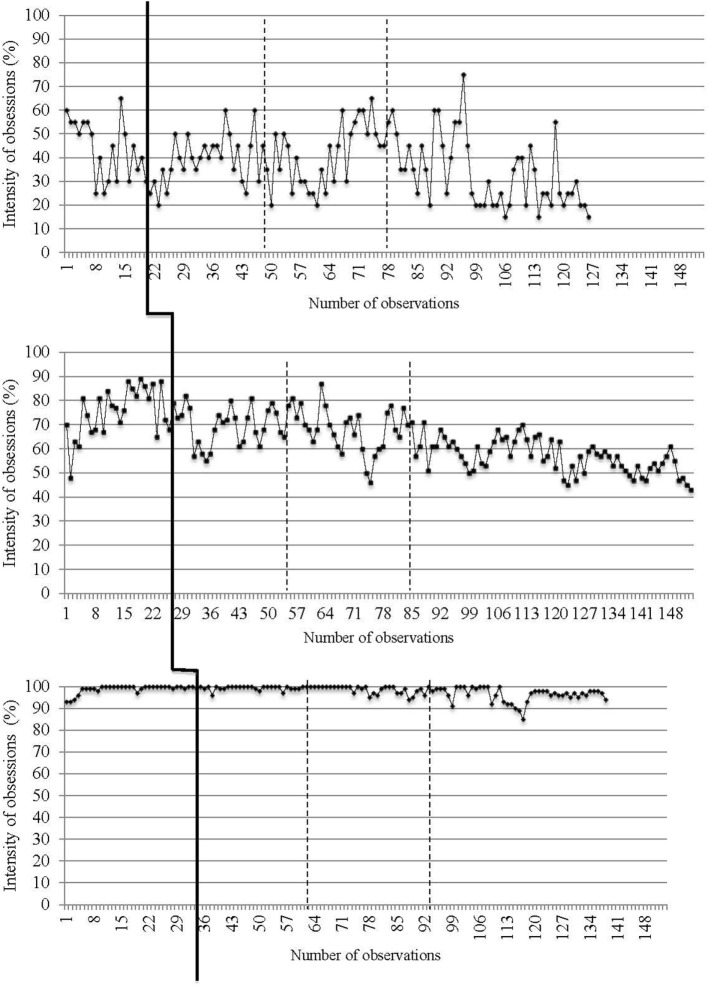
Obsessive-compulsive disorder (OCD) is characterized by the presence of distressing, recurrent and intrusive thoughts, impulses, or doubts as well as behavioral or mental rituals. OCD has various subtypes, including the fear of contamination in which individuals fear bacteria, germs, disease, or bodily secretions, and engage in clinically significant cleaning and avoidance rituals. Cognitive-behavioral therapy (CBT) is an effective treatment for OCD and involves, among other therapeutic strategies, exposing patients to feared stimuli while preventing them to engage in compulsive behaviors. In recent years, virtual reality (VR) has shown the potential of in virtuo exposure with people suffering from anxiety disorders and OCD. The objective of this pilot study is to examine the effectiveness of a CBT program where exposure in conducted in virtuo. Three adults suffering from OCD with a dominant subtype of contamination were enrolled in a single-case design with multiple baselines across participants. The presence and intensity of obsessions and compulsions were assessed daily during baselines of 3-, 4-, or 5-week, and a 12-session treatment. Follow-up information was gathered after 4 and 8 months. Treatment outcome is assessed with visual inspection of the graphs and ARMA time-series analyses. Clinical information, self-reports, and details of the treatment are provided for each patient. Statistical analyses for the time-series data revealed a statistically significant improvement in all three participants, but global improvement is considered positive for only two. This study innovates in proving preliminary support for the usefulness of VR in the CBT of OCD with contamination features.
强迫症(OCD)的特征是存在令人痛苦、反复出现且侵入性的想法、冲动或疑虑,以及行为或心理仪式。强迫症有多种亚型,包括对污染的恐惧,即个体害怕细菌、病菌、疾病或身体分泌物,并进行具有临床意义的清洁和回避仪式。认知行为疗法(CBT)是治疗强迫症的一种有效方法,除其他治疗策略外,还包括让患者接触恐惧刺激,同时阻止他们进行强迫行为。近年来,虚拟现实(VR)已显示出对焦虑症和强迫症患者进行虚拟暴露的潜力。这项初步研究的目的是检验在虚拟环境中进行暴露的认知行为疗法项目的有效性。三名患有以污染为主导亚型的强迫症成年人参与了一项针对参与者的多基线单病例设计。在为期3周、4周或5周的基线期以及12节治疗课程期间,每天评估强迫观念和强迫行为的存在情况及强度。在4个月和8个月后收集随访信息。通过对图表的目视检查和自回归移动平均(ARMA)时间序列分析来评估治疗结果。为每位患者提供临床信息、自我报告和治疗细节。对时间序列数据的统计分析显示,所有三名参与者都有统计学上的显著改善,但只有两名参与者的整体改善被认为是积极的。这项研究的创新之处在于为虚拟现实在具有污染特征的强迫症认知行为疗法中的有效性提供了初步支持。