Bleve Gianluca, Tufariello Maria, Vetrano Cosimo, Mita Giovanni, Grieco Francesco
Unità Operativa di Lecce, Consiglio Nazionale delle Ricerche - Istituto di Scienze delle Produzioni Alimentari Lecce, Italy.
Front Microbiol. 2016 Jun 14;7:943. doi: 10.3389/fmicb.2016.00943. eCollection 2016.
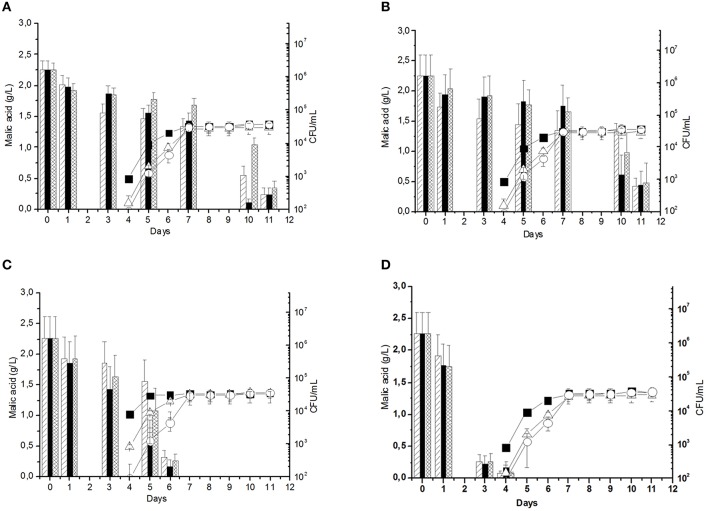
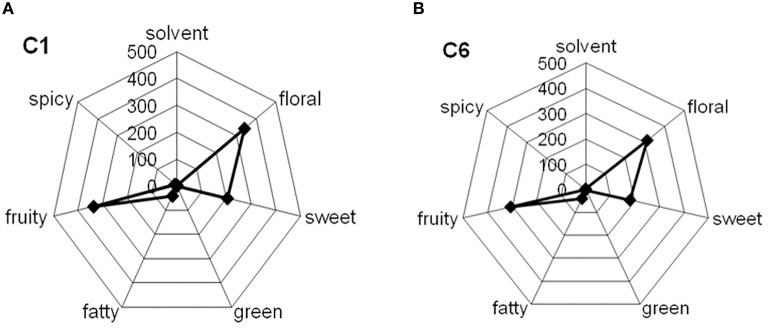
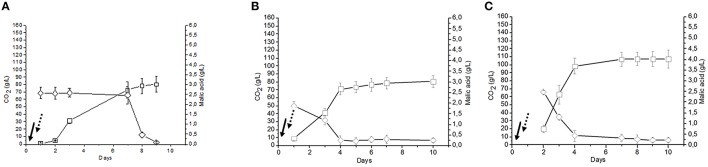
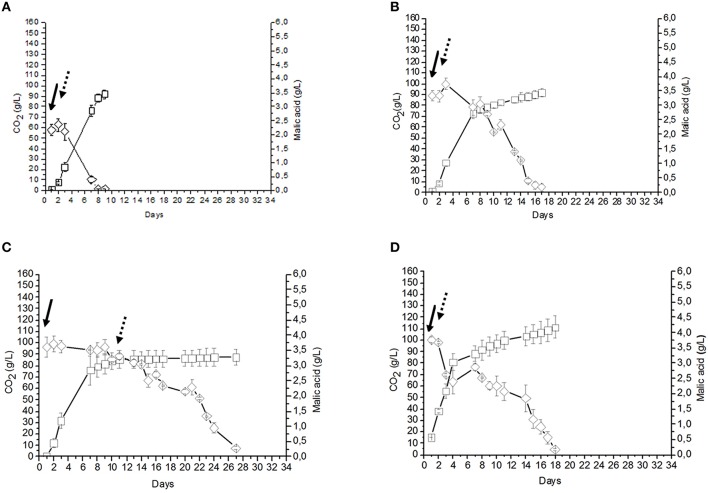
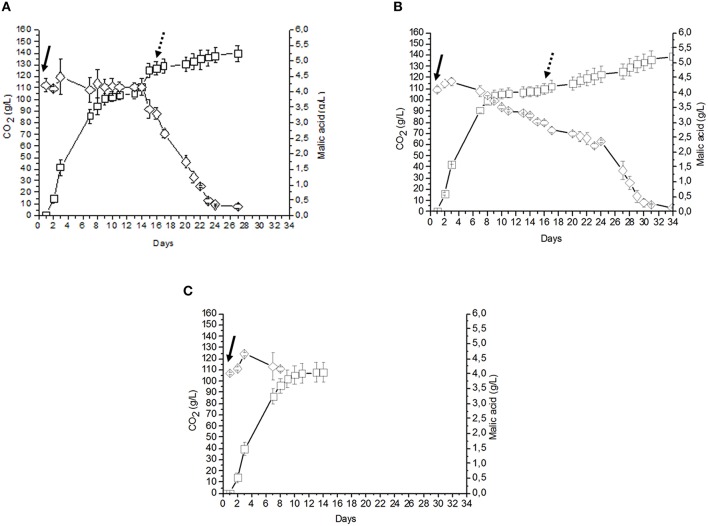
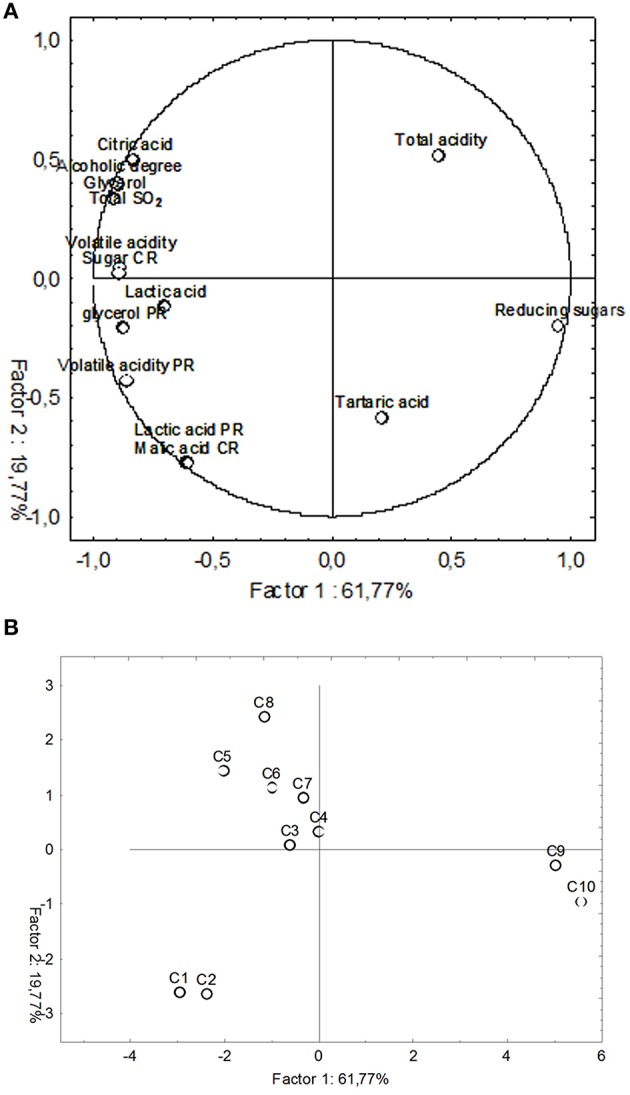
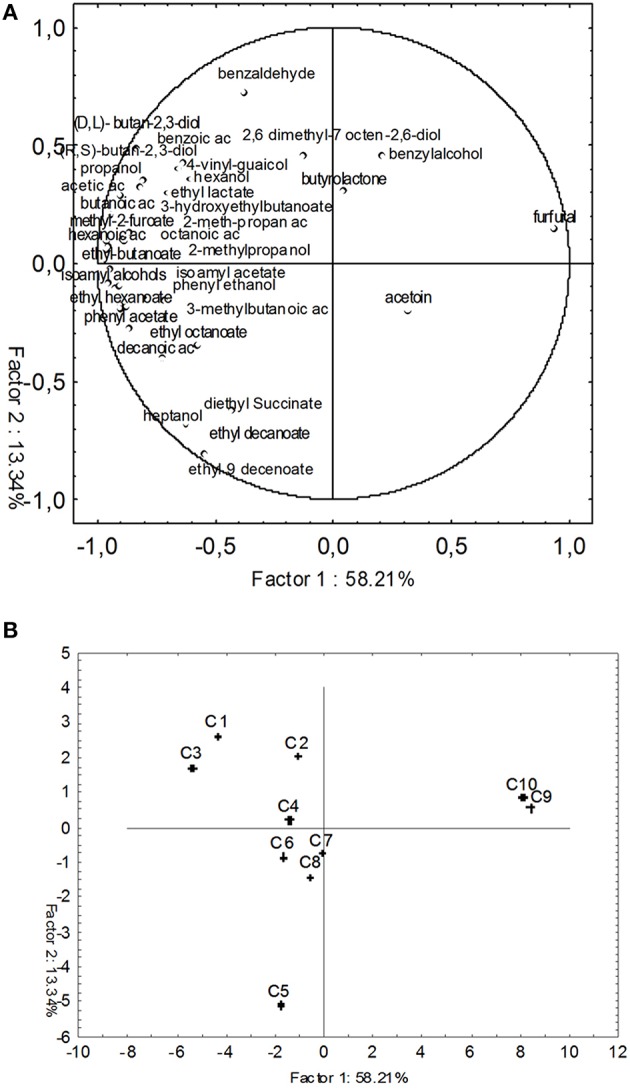
Malolactic fermentation (MLF) usually takes place after the end of alcoholic fermentation (AF). However, the inoculation of lactic acid bacteria together with yeast starter cultures is a promising system to enhance the quality and safety of wine. In recent years, the use of immobilized cell systems has been investigated, with interesting results, for the production of different fermented foods and beverages. In this study we have carried out the simultaneous immobilization of Saccharomyces cerevisiae and Oenococcus oeni in alginate beads and used them in microvinifications tests to produce Negroamaro wine. The process was monitored by chemical and sensorial analyses and dominance of starters and cell leaking from beads were also checked. Co-immobilization of S. cerevisiae and O. oeni allowed to perform an efficient fermentation process, producing low volatile acidity levels and ethanol and glycerol concentrations comparable with those obtained by cell sequential inoculum and co-inoculum of yeast and bacteria cells in free form. More importantly, co-immobilization strategy produced a significant decrease of the time requested to complete AF and MLF. The immobilized cells could be efficiently reused for the wine fermentation at least three times without any apparent loss of cell metabolic activities. This integrated biocatalytic system is able to perform simultaneously AF and MLF, producing wines similar in organoleptic traits in comparison with wines fermented following traditional sequential AF and MLF with free cell starters. The immobilized-cell system, that we here describe for the first time in our knowledge, offers many advantages over conventional free cell fermentations, including: (i) elimination of non-productive cell growth phases; (ii) feasibility of continuous processing; (iii) re-use of the biocatalyst.
苹果酸-乳酸发酵(MLF)通常在酒精发酵(AF)结束后进行。然而,将乳酸菌与酵母发酵剂一起接种是提高葡萄酒质量和安全性的一个有前景的系统。近年来,已对固定化细胞系统用于生产不同发酵食品和饮料进行了研究,并取得了有趣的结果。在本研究中,我们将酿酒酵母和酒酒球菌同时固定在海藻酸钠珠中,并将其用于微型酿酒试验以生产黑曼罗葡萄酒。通过化学和感官分析对该过程进行监测,同时检查发酵剂的优势以及细胞从珠子中的泄漏情况。酿酒酵母和酒酒球菌的共固定化使得能够进行高效的发酵过程,产生的挥发酸水平较低,乙醇和甘油浓度与通过细胞顺序接种以及酵母和细菌细胞游离形式的共接种所获得的浓度相当。更重要的是,共固定化策略显著减少了完成AF和MLF所需的时间。固定化细胞可有效地重复用于葡萄酒发酵至少三次,而细胞代谢活性没有任何明显损失。与使用游离细胞发酵剂按照传统的顺序AF和MLF发酵的葡萄酒相比,这种集成生物催化系统能够同时进行AF和MLF,生产出感官特性相似的葡萄酒。据我们所知,我们在此首次描述的固定化细胞系统比传统的游离细胞发酵具有许多优势,包括:(i)消除非生产性细胞生长阶段;(ii)连续加工的可行性;(iii)生物催化剂的再利用。