Wang Jessica Jen-Chu, Rau Christoph, Avetisyan Rozeta, Ren Shuxun, Romay Milagros C, Stolin Gabriel, Gong Ke Wei, Wang Yibin, Lusis Aldons J
Division of Cardiology, Department of Medicine, David Geffen School of Medicine, University of California, Los Angeles, Los Angeles, California, United States of America.
Department of Anesthesiology, David Geffen School of Medicine, University of California, Los Angeles, Los Angeles, California, United States of America.
PLoS Genet. 2016 Jul 6;12(7):e1006038. doi: 10.1371/journal.pgen.1006038. eCollection 2016 Jul.
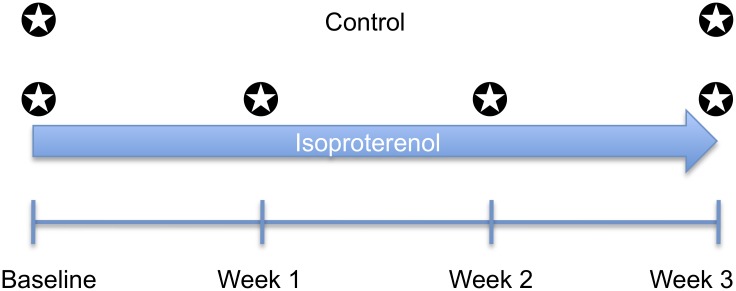
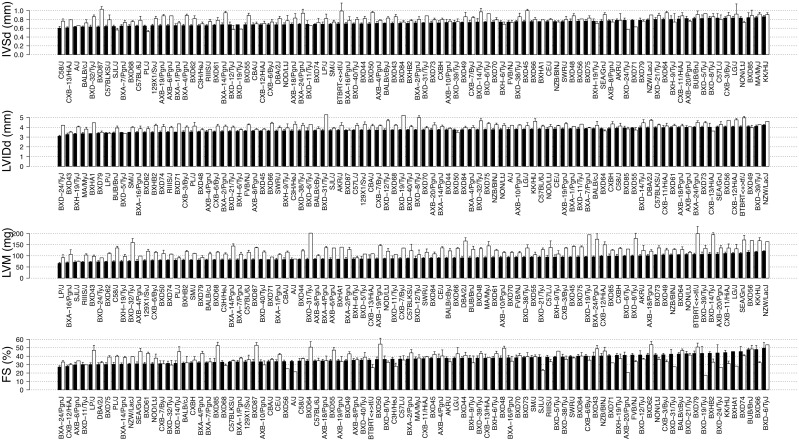
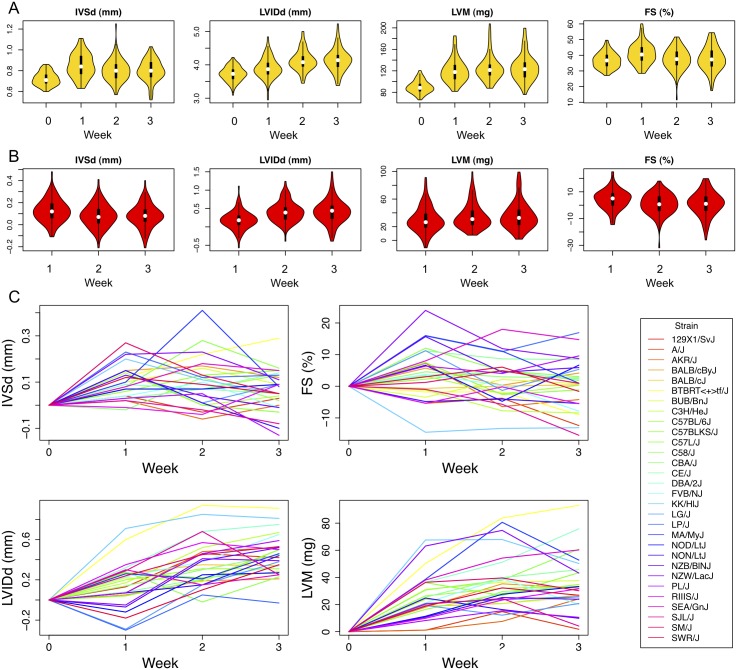
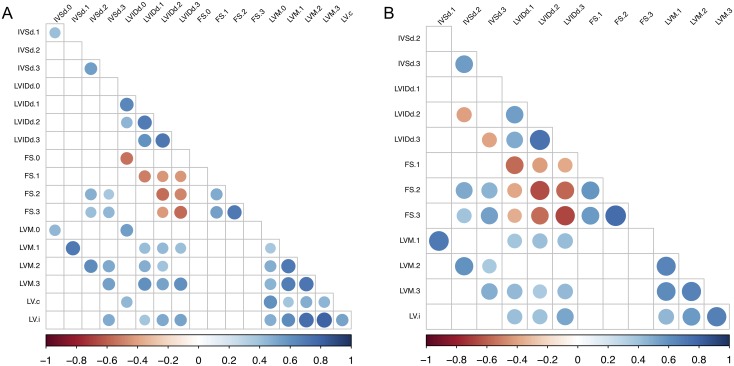
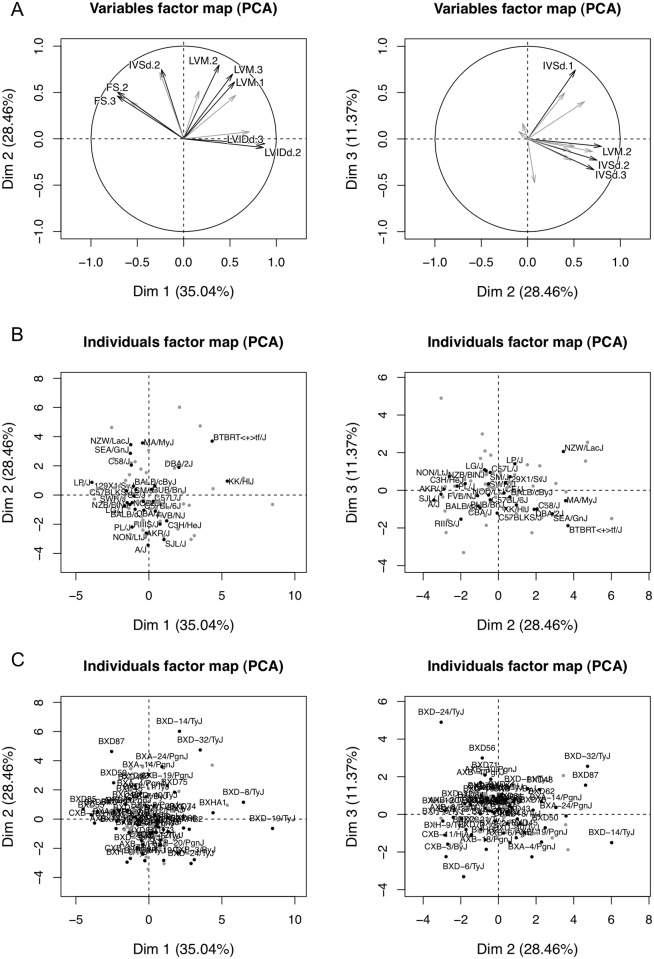
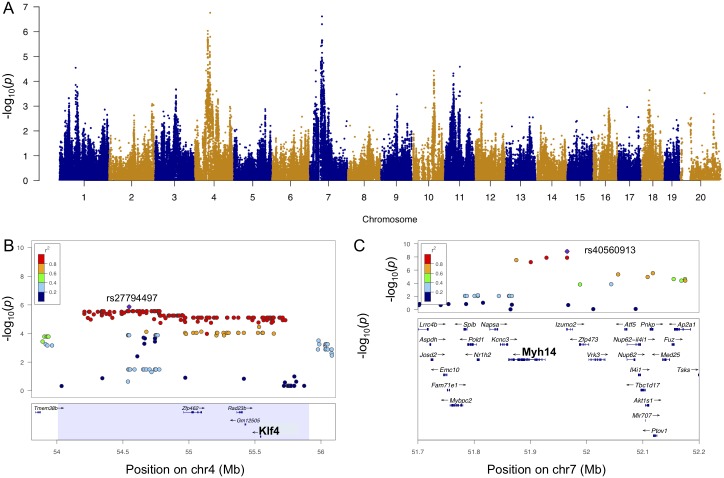
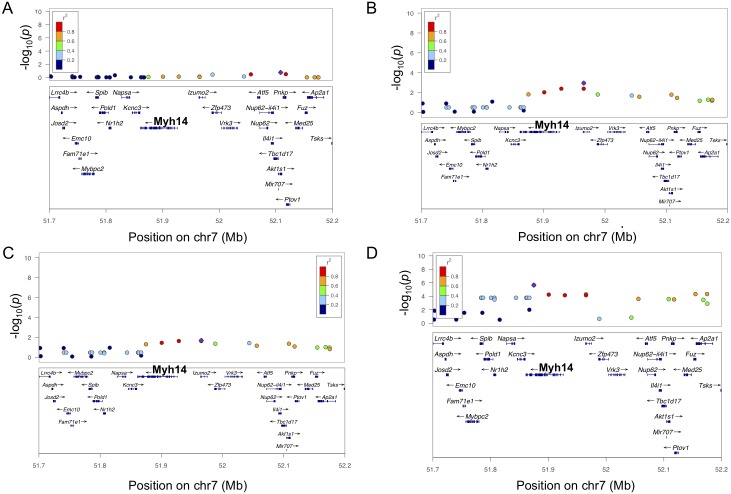
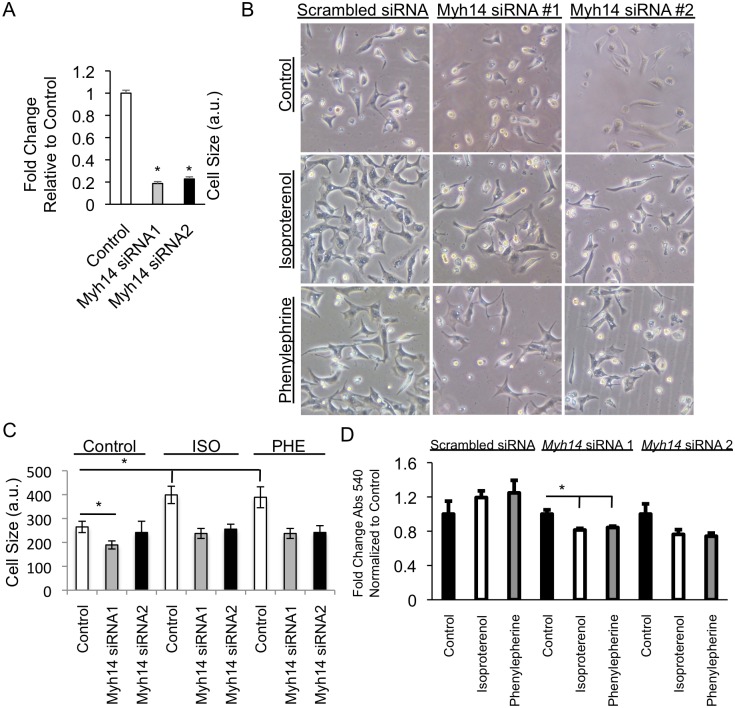
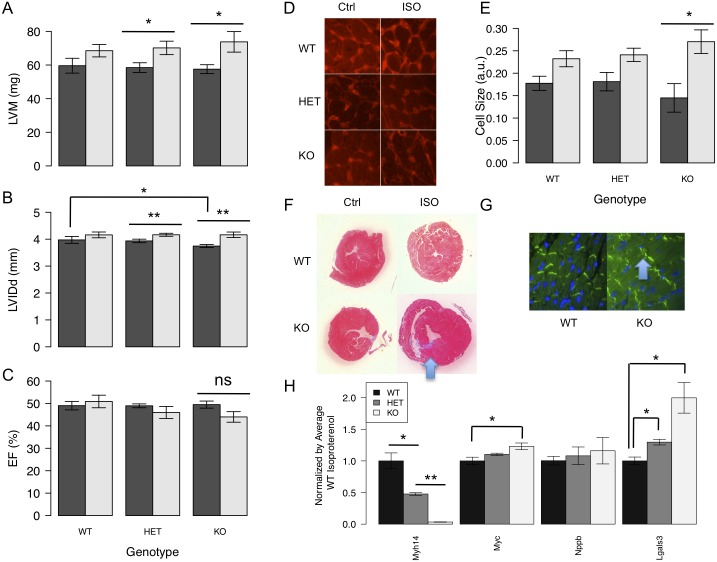
We aimed to understand the genetic control of cardiac remodeling using an isoproterenol-induced heart failure model in mice, which allowed control of confounding factors in an experimental setting. We characterized the changes in cardiac structure and function in response to chronic isoproterenol infusion using echocardiography in a panel of 104 inbred mouse strains. We showed that cardiac structure and function, whether under normal or stress conditions, has a strong genetic component, with heritability estimates of left ventricular mass between 61% and 81%. Association analyses of cardiac remodeling traits, corrected for population structure, body size and heart rate, revealed 17 genome-wide significant loci, including several loci containing previously implicated genes. Cardiac tissue gene expression profiling, expression quantitative trait loci, expression-phenotype correlation, and coding sequence variation analyses were performed to prioritize candidate genes and to generate hypotheses for downstream mechanistic studies. Using this approach, we have validated a novel gene, Myh14, as a negative regulator of ISO-induced left ventricular mass hypertrophy in an in vivo mouse model and demonstrated the up-regulation of immediate early gene Myc, fetal gene Nppb, and fibrosis gene Lgals3 in ISO-treated Myh14 deficient hearts compared to controls.
我们旨在利用异丙肾上腺素诱导的小鼠心力衰竭模型来了解心脏重塑的遗传控制,该模型能够在实验环境中控制混杂因素。我们使用超声心动图对104个近交系小鼠品系进行了慢性异丙肾上腺素输注后心脏结构和功能变化的特征分析。我们发现,无论在正常还是应激条件下,心脏结构和功能都具有很强的遗传成分,左心室质量的遗传力估计在61%至81%之间。对心脏重塑性状进行关联分析,并校正群体结构、体型和心率,发现了17个全基因组显著位点,包括几个含有先前涉及基因的位点。进行了心脏组织基因表达谱分析、表达数量性状位点分析、表达-表型相关性分析和编码序列变异分析,以对候选基因进行优先级排序,并为下游机制研究提出假设。使用这种方法,我们在体内小鼠模型中验证了一个新基因Myh14作为异丙肾上腺素诱导的左心室质量肥大的负调节因子,并证明与对照组相比,在异丙肾上腺素处理的Myh14缺陷心脏中,即时早期基因Myc、胎儿基因Nppb和纤维化基因Lgals3上调。