Jin Hong-Jian, Jung Segun, DebRoy Auditi R, Davuluri Ramana V
Division of Health and Biomedical Informatics, Department of Preventive Medicine, Northwestern University Feinberg School of Medicine, Chicago, IL 60611, USA.
Oncotarget. 2016 Aug 23;7(34):54616-54626. doi: 10.18632/oncotarget.10520.
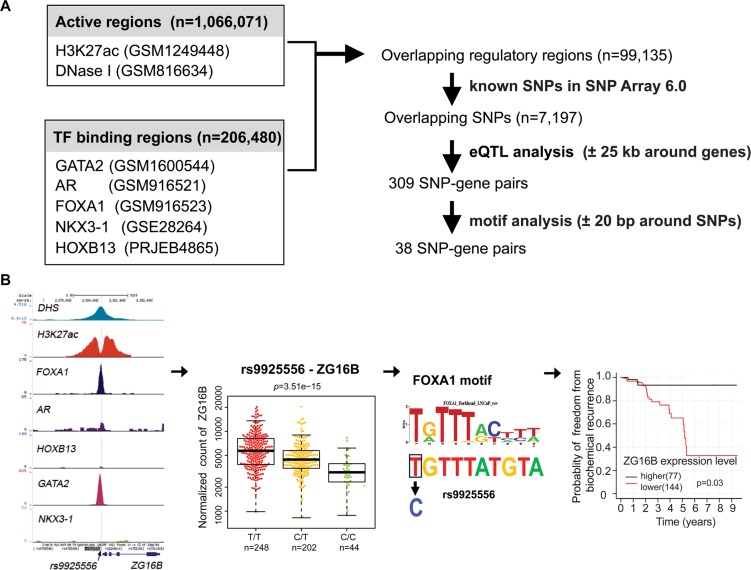
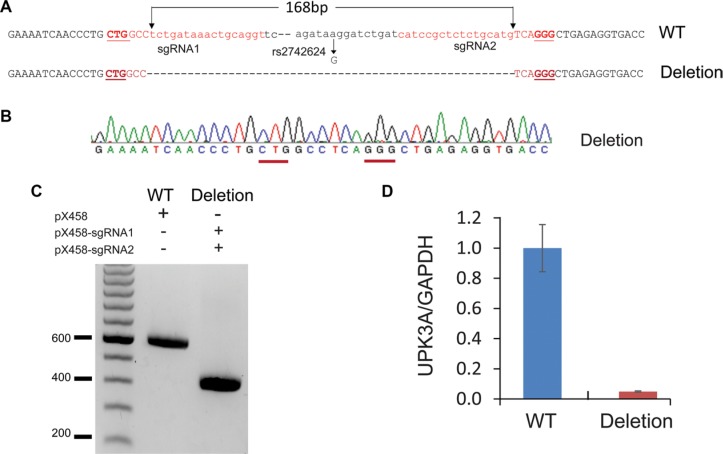
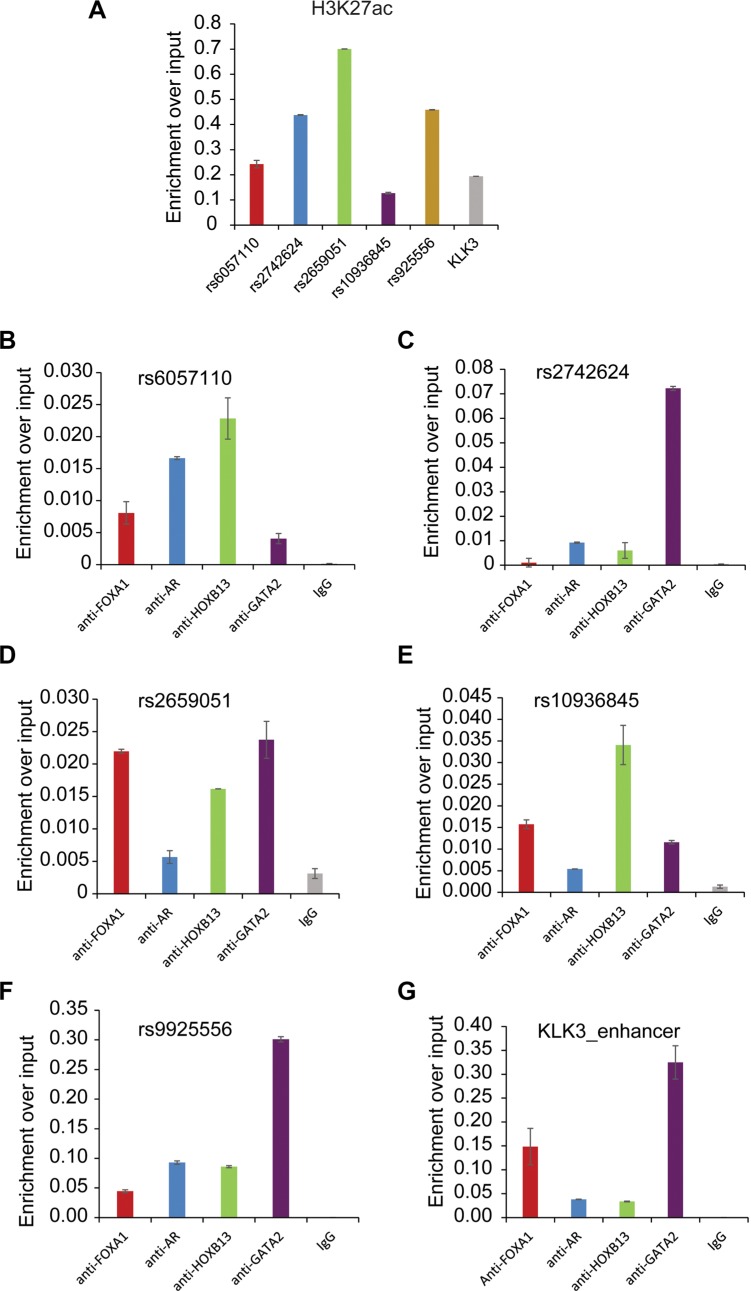
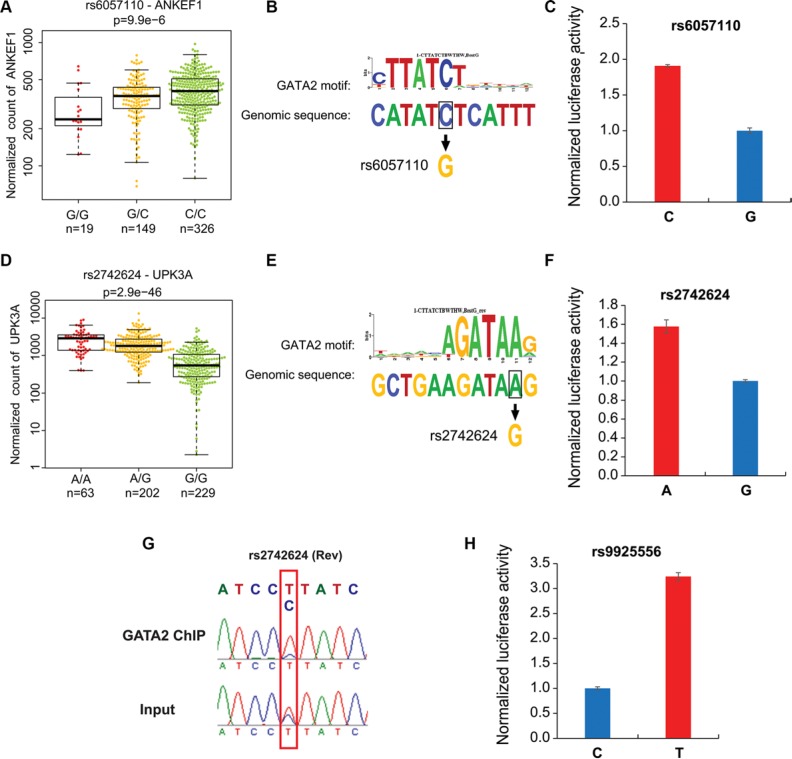
Prostate cancer (PCa) is the second most common solid tumor for cancer related deaths in American men. Genome wide association studies (GWAS) have identified single nucleotide polymorphisms (SNPs) associated with the increased risk of PCa. Because most of the susceptibility SNPs are located in noncoding regions, little is known about their functional mechanisms. We hypothesize that functional SNPs reside in cell type-specific regulatory elements that mediate the binding of critical transcription factors (TFs), which in turn result in changes in target gene expression. Using PCa-specific functional genomics data, here we identify 38 regulatory candidate SNPs and their target genes in PCa. Through risk analysis by incorporating gene expression and clinical data, we identify 6 target genes (ZG16B, ANKRD5, RERE, FAM96B, NAALADL2 and GTPBP10) as significant predictors of PCa biochemical recurrence. In addition, 5 SNPs (rs2659051, rs10936845, rs9925556, rs6057110 and rs2742624) are selected for experimental validation using Chromatin immunoprecipitation (ChIP), dual-luciferase reporter assay in LNCaP cells, showing allele-specific enhancer activity. Furthermore, we delete the rs2742624-containing region using CRISPR/Cas9 genome editing and observe the drastic downregulation of its target gene UPK3A. Taken together, our results illustrate that this new methodology can be applied to identify regulatory SNPs and their target genes that likely impact PCa risk. We suggest that similar studies can be performed to characterize regulatory variants in other diseases.
前列腺癌(PCa)是美国男性中癌症相关死亡的第二大常见实体瘤。全基因组关联研究(GWAS)已经确定了与PCa风险增加相关的单核苷酸多态性(SNP)。由于大多数易感SNP位于非编码区域,其功能机制鲜为人知。我们假设功能性SNP存在于细胞类型特异性调控元件中,这些元件介导关键转录因子(TF)的结合,进而导致靶基因表达的变化。利用PCa特异性功能基因组学数据,我们在此识别出PCa中的38个调控候选SNP及其靶基因。通过整合基因表达和临床数据进行风险分析,我们确定了6个靶基因(ZG16B、ANKRD5、RERE、FAM96B、NAALADL2和GTPBP10)作为PCa生化复发的重要预测指标。此外,选择了5个SNP(rs2659051、rs10936845、rs9925556、rs6057110和rs2742624),使用染色质免疫沉淀(ChIP)、LNCaP细胞中的双荧光素酶报告基因检测进行实验验证,显示出等位基因特异性增强子活性。此外,我们使用CRISPR/Cas9基因组编辑删除了包含rs2742624的区域,并观察到其靶基因UPK3A的显著下调。综上所述,我们的结果表明,这种新方法可用于识别可能影响PCa风险的调控SNP及其靶基因。我们建议可以进行类似的研究来表征其他疾病中的调控变异。