Midde Narasimha M, Patters Benjamin J, Rao Pss, Cory Theodore J, Kumar Santosh
a Pharmaceutical Sciences , University of Tennessee Health Science Center , Memphis , TN , USA.
b Pharmaceutical Science , College of Pharmacy, University of Findlay , Findlay , OH , USA.
Expert Opin Investig Drugs. 2016 Oct;25(10):1189-200. doi: 10.1080/13543784.2016.1212837. Epub 2016 Aug 2.
Highly Active Antiretroviral Therapy (HAART) has tremendously improved the life expectancy of the HIV-infected population over the past three decades. Protease inhibitors have been one of the major classes of drugs in HAART regimens that are effective in treating HIV. However, the emergence of resistance and cross-resistance against protease inhibitors encourages researchers to develop new PIs with broad-spectrum activity, as well as novel means of enhancing the efficacy of existing PIs.
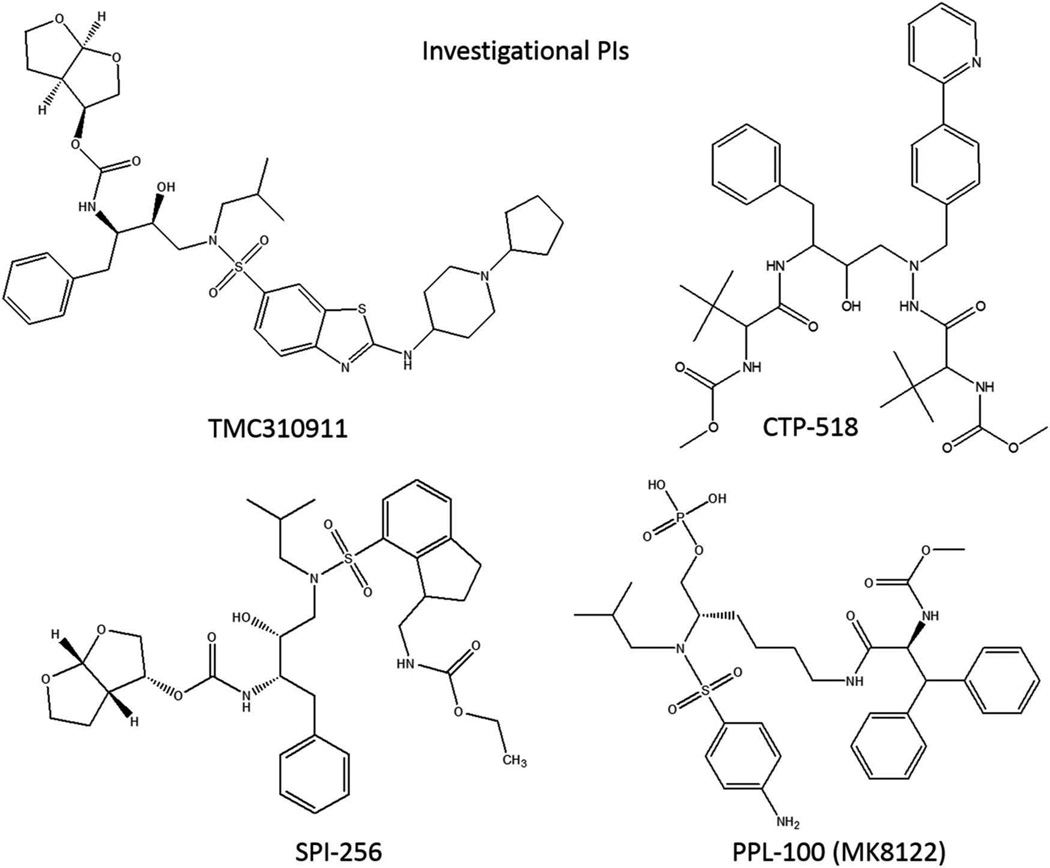
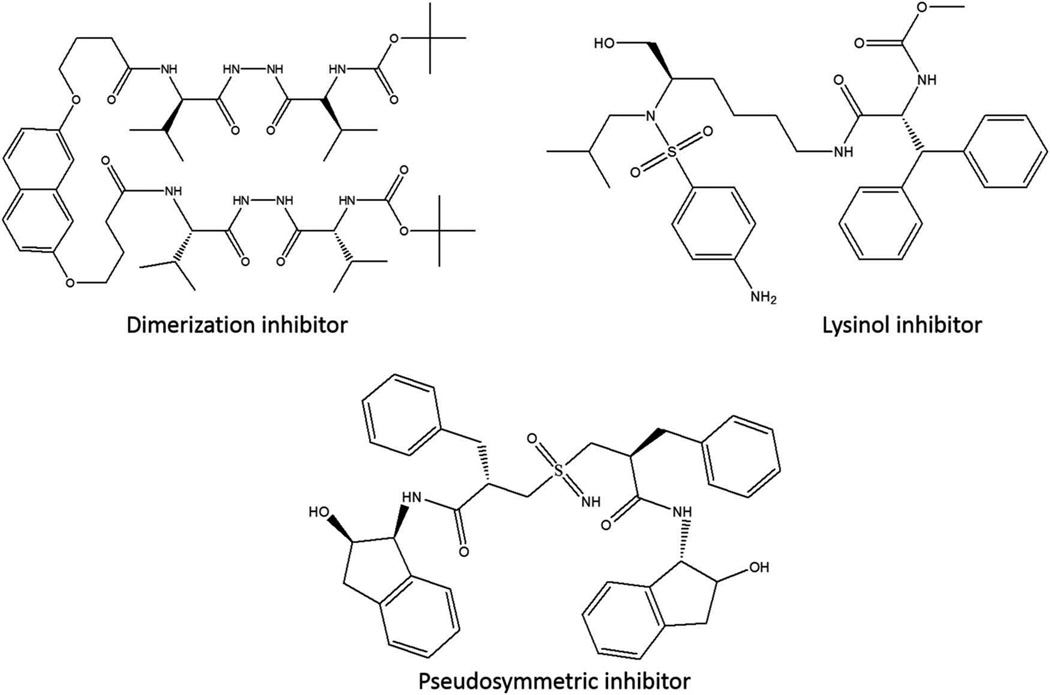
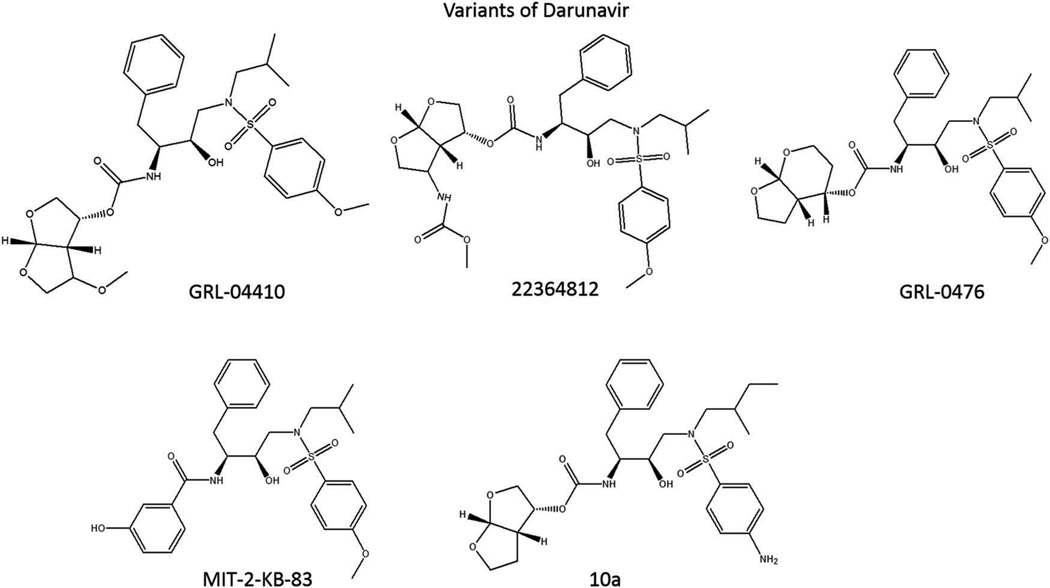
In this article we discuss recent advances in HIV protease inhibitor (PI) development, focusing on both investigational and experimental agents. We also include a section on pharmacokinetic booster drugs for improved bioavailability of protease inhibitors. Further, we discuss novel drug delivery systems using a variety of nanocarriers for the delivery of PIs across the blood-brain barrier to treat the HIV in the brain.
We discuss our opinion on the promises and challenges on the development of novel investigational and experimental PIs that are less toxic and more effective in combating drug-resistance. Further, we discuss the future of novel nanocarriers that have been developed to deliver PIs to the brain cells. Although these are promising findings, many challenges need to be overcome prior to making them a viable option.
在过去三十年中,高效抗逆转录病毒疗法(HAART)极大地提高了HIV感染人群的预期寿命。蛋白酶抑制剂一直是HAART治疗方案中有效治疗HIV的主要药物类别之一。然而,对蛋白酶抑制剂的耐药性和交叉耐药性的出现促使研究人员开发具有广谱活性的新型蛋白酶抑制剂,以及提高现有蛋白酶抑制剂疗效的新方法。
在本文中,我们讨论了HIV蛋白酶抑制剂(PI)开发的最新进展,重点关注研究性和实验性药物。我们还包括一个关于药代动力学增强剂药物的章节,以提高蛋白酶抑制剂的生物利用度。此外,我们讨论了使用各种纳米载体的新型药物递送系统,用于将蛋白酶抑制剂穿过血脑屏障以治疗大脑中的HIV。
我们讨论了我们对开发毒性较小且在抗耐药性方面更有效的新型研究性和实验性蛋白酶抑制剂的前景和挑战的看法。此外,我们讨论了已开发用于将蛋白酶抑制剂递送至脑细胞的新型纳米载体的未来。尽管这些都是有前景的发现,但在使其成为可行选择之前,仍需克服许多挑战。