Khalyfa Abdelnaby, Almendros Isaac, Gileles-Hillel Alex, Akbarpour Mahzad, Trzepizur Wojciech, Mokhlesi Babak, Huang Lei, Andrade Jorge, Farré Ramon, Gozal David
Section of Pediatric Sleep Medicine, Department of Pediatrics, Pritzker School of Medicine, Biological Sciences Division, The University of Chicago, Chicago, IL, USA.
Unitat de Biofísica i Bioenginyeria, Facultat de Medicina, Universitat de Barcelona-Institut Investigacions Biomediques August Pi Sunyer-CIBER Enfermedades Respiratorias, Barcelona, Spain.
Oncotarget. 2016 Aug 23;7(34):54676-54690. doi: 10.18632/oncotarget.10578.
Chronic sleep fragmentation (SF) increases cancer aggressiveness in mice. Exosomes exhibit pleiotropic biological functions, including immune regulatory functions, antigen presentation, intracellular communication and inter-cellular transfer of RNA and proteins. We hypothesized that SF-induced alterations in biosynthesis and cargo of plasma exosomes may affect tumor cell properties.
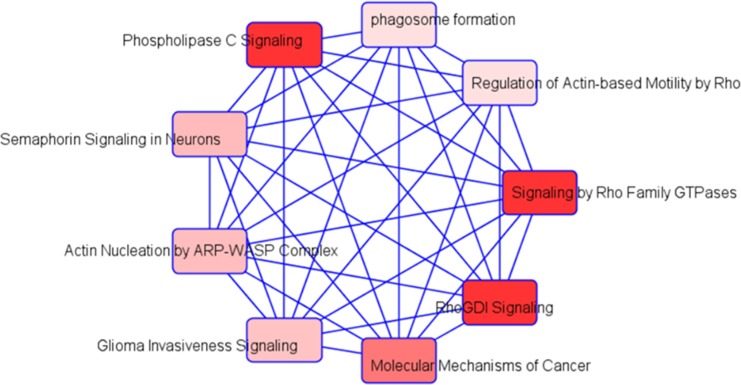
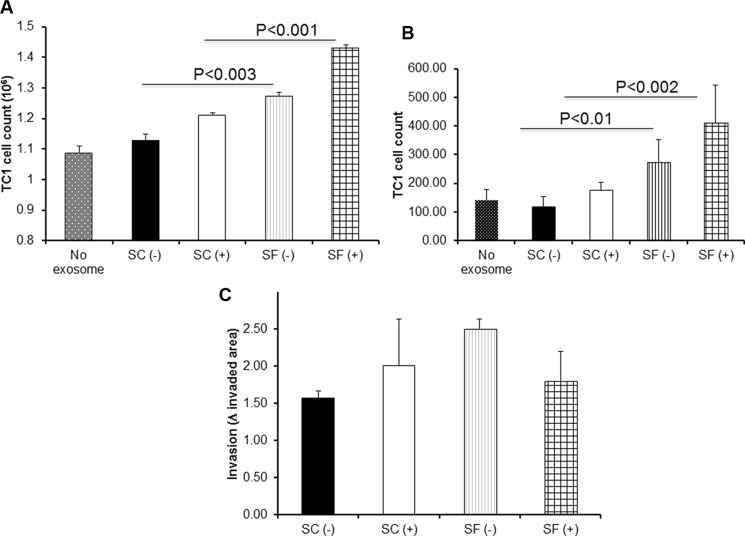
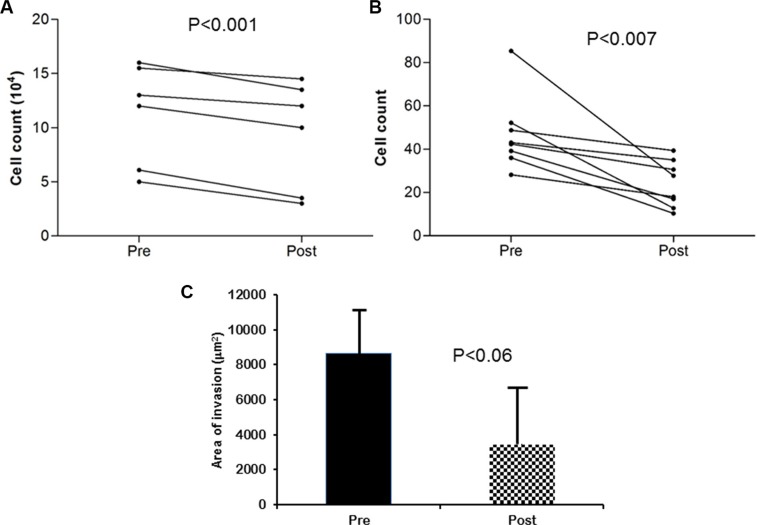
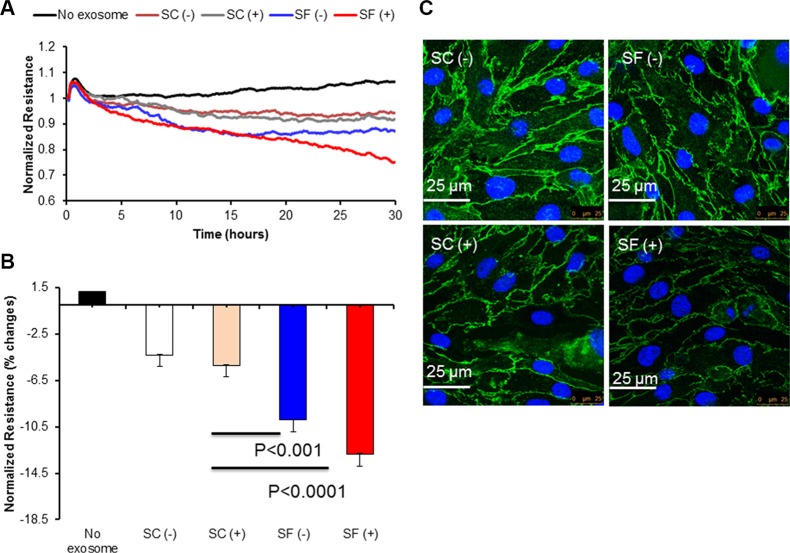
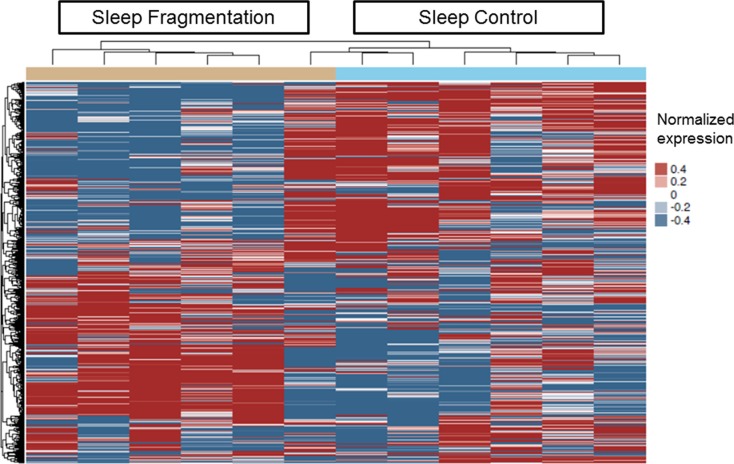
SF-derived exosomes increased tumor cell proliferation (13%), migration (2.3-fold) and extravasation (~10%) when compared to exosomes from SC-exposed mice. Similarly, Pre exosomes from OSA patients significantly enhanced proliferation and migration of human adenocarcinoma cells compared to Post. SF-exosomal cargo revealed 3 discrete differentially expressed miRNAs, and exploration of potential mRNA targets in TC1 tumor cells uncovered 132 differentially expressed genes that encode for multiple cancer-related pathways.
Plasma-derived exosomes from C57/B6 mice exposed to 6 wks of SF or sleep control (SC), and from adult human patients with obstructive sleep apnea (OSA) before (Pre) and after adherent treatment for 6 wks (Post) were co-cultured with mouse lung TC1 or human adenocarcinoma tumor cell lines, respectively. Proliferation, migration, invasion, endothelial barrier integrity and extravasation assays of tumor cells were performed. Plasma mouse exosomal miRNAs were profiled with arrays, and transcriptomic assessments of TC1 cells exposed to SF or SC exosomes were conducted to identify gene targets.
Chronic SF induces alterations in exosomal miRNA cargo that alter the biological properties of TC1 lung tumor cells to enhance their proliferative, migratory and extravasation properties, and similar findings occur in OSA patients, in whom SF is a constitutive component of their sleep disorder. Thus, exosomes could participate, at least in part, in the adverse cancer outcomes observed in OSA.
慢性睡眠片段化(SF)会增加小鼠的癌症侵袭性。外泌体具有多种生物学功能,包括免疫调节功能、抗原呈递、细胞内通讯以及RNA和蛋白质的细胞间转移。我们推测,SF诱导的血浆外泌体生物合成和货物变化可能会影响肿瘤细胞特性。
与暴露于连续睡眠(SC)的小鼠的外泌体相比,SF来源的外泌体使肿瘤细胞增殖增加了约13%,迁移增加了约2.3倍,外渗增加了约10%。同样,与治疗后的外泌体相比,阻塞性睡眠呼吸暂停(OSA)患者治疗前(Pre)的外泌体显著增强了人腺癌细胞的增殖和迁移。SF外泌体货物显示出3种不同的差异表达miRNA,对TC1肿瘤细胞中潜在mRNA靶标的探索发现了132个差异表达基因,这些基因编码多种癌症相关途径。
将暴露于6周SF或睡眠对照(SC)的C57/B6小鼠以及成年OSA患者在坚持治疗6周前(Pre)和治疗后(Post)的血浆来源外泌体分别与小鼠肺TC1或人腺癌细胞系共培养。对肿瘤细胞进行增殖、迁移、侵袭、内皮屏障完整性和外渗分析。用阵列分析血浆小鼠外泌体miRNA,并对暴露于SF或SC外泌体的TC1细胞进行转录组评估以鉴定基因靶标。
慢性SF诱导外泌体miRNA货物发生变化,从而改变TC1肺肿瘤细胞的生物学特性,增强其增殖、迁移和外渗特性,并且在OSA患者中也出现了类似的发现,其中SF是其睡眠障碍的一个组成部分。因此,外泌体可能至少部分参与了OSA中观察到的不良癌症结局。