Weavers Helen, Liepe Juliane, Sim Aaron, Wood Will, Martin Paul, Stumpf Michael P H
Department of Biochemistry, School of Medical Sciences, University of Bristol, Bristol BS8 1TD, UK; School of Cellular and Molecular Medicine, Medical Sciences, University of Bristol, Bristol BS8 1TD, UK.
Theoretical Systems Biology, Division of Molecular Biosciences, Imperial College London, London SW7 2AZ, UK.
Curr Biol. 2016 Aug 8;26(15):1975-1989. doi: 10.1016/j.cub.2016.06.012. Epub 2016 Jul 14.
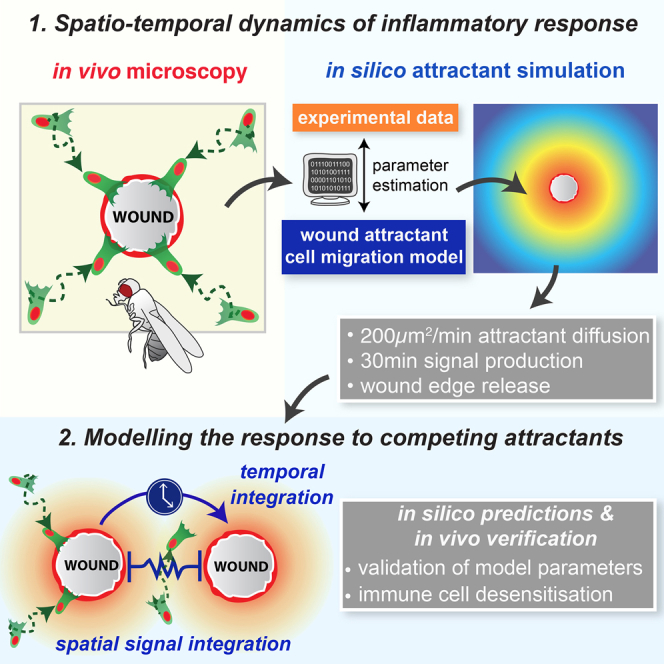
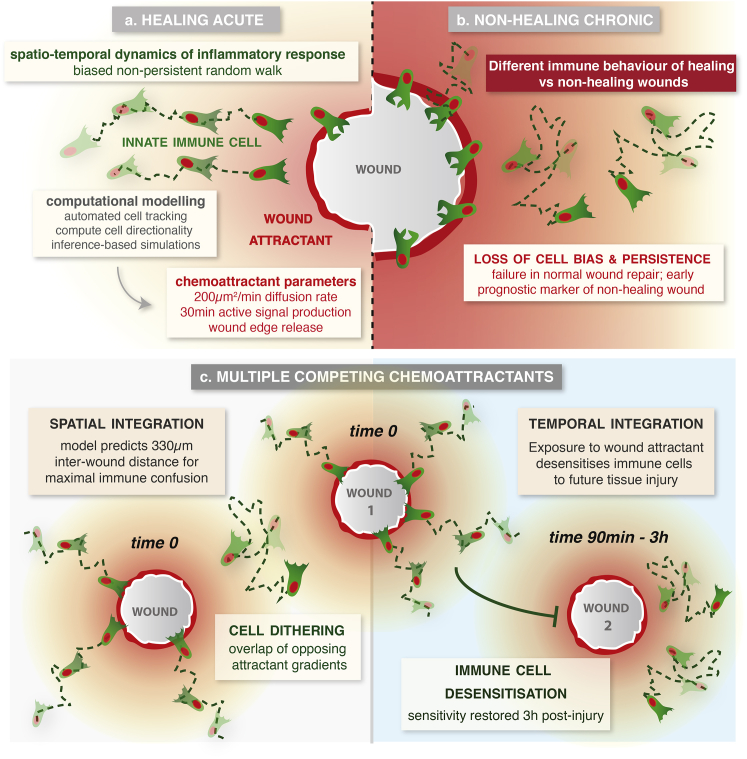
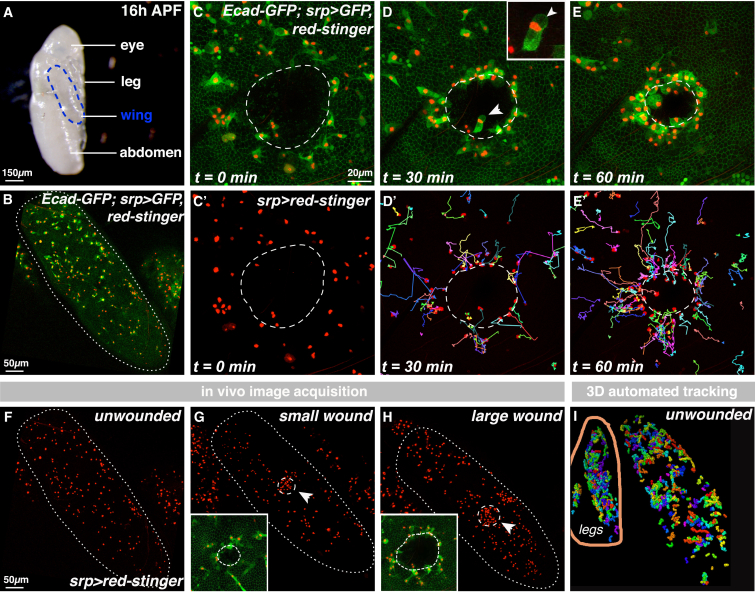
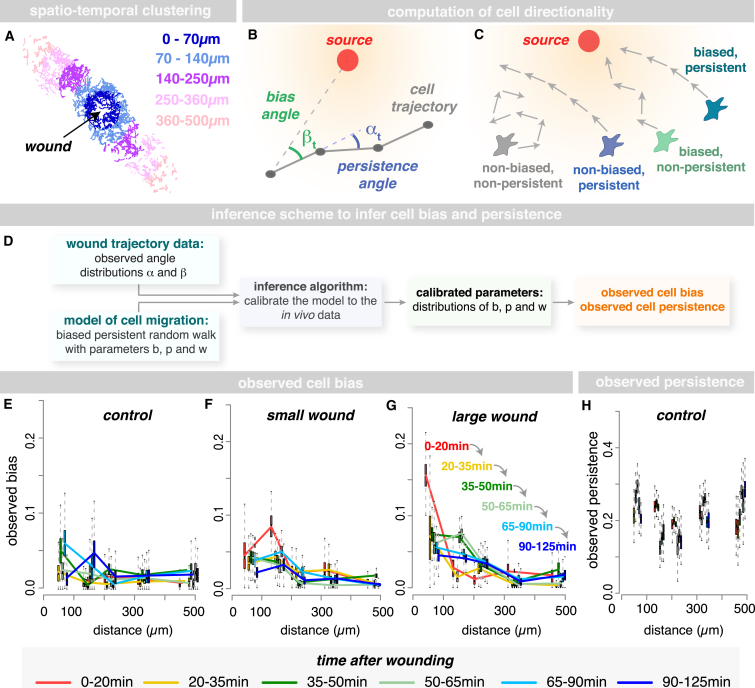
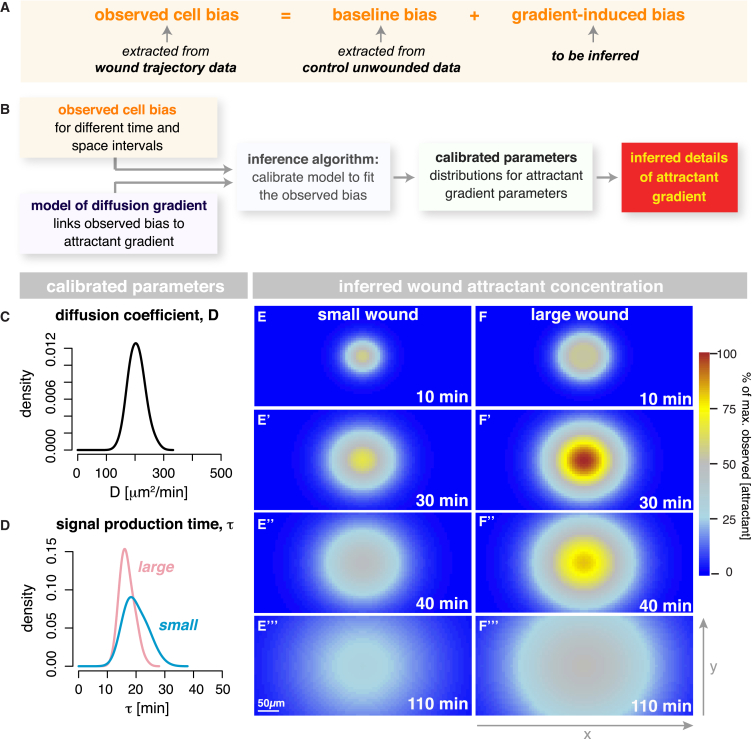
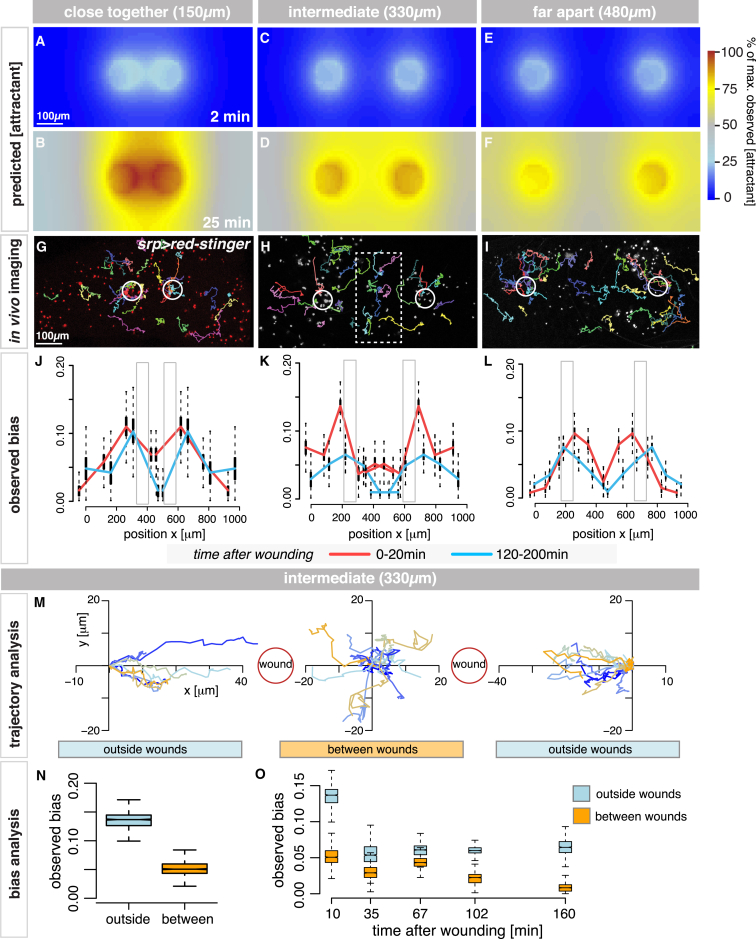
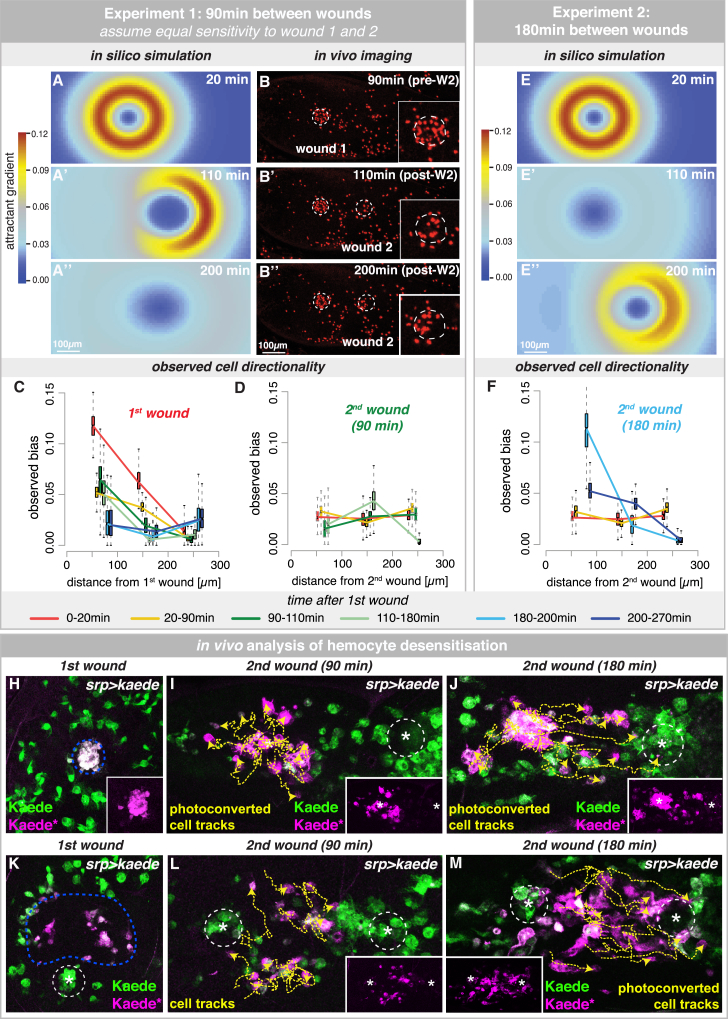
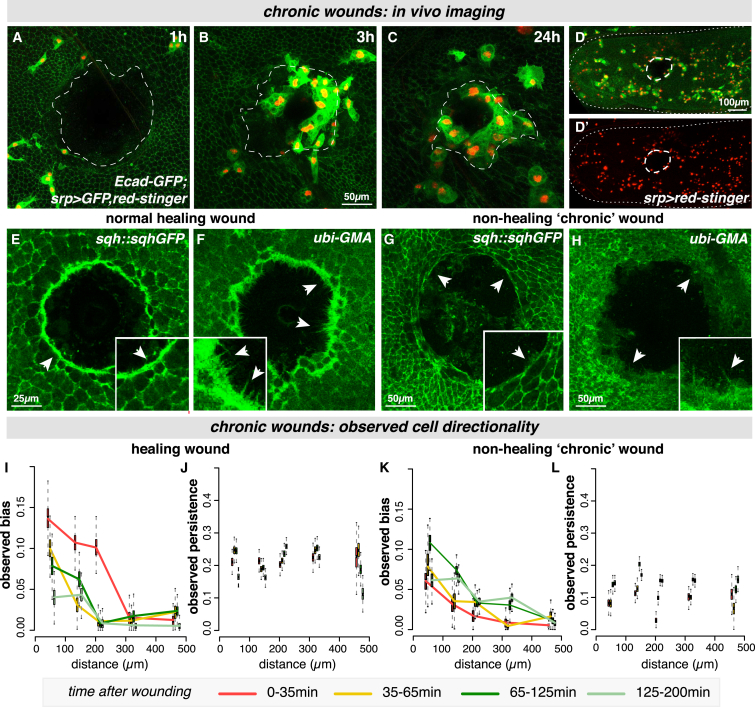
In the acute inflammatory phase following tissue damage, cells of the innate immune system are rapidly recruited to sites of injury by pro-inflammatory mediators released at the wound site. Although advances in live imaging allow us to directly visualize this process in vivo, the precise identity and properties of the primary immune damage attractants remain unclear, as it is currently impossible to directly observe and accurately measure these signals in tissues. Here, we demonstrate that detailed information about the attractant signals can be extracted directly from the in vivo behavior of the responding immune cells. By applying inference-based computational approaches to analyze the in vivo dynamics of the Drosophila inflammatory response, we gain new detailed insight into the spatiotemporal properties of the attractant gradient. In particular, we show that the wound attractant is released by wound margin cells, rather than by the wounded tissue per se, and that it diffuses away from this source at rates far slower than those of previously implicated signals such as H2O2 and ATP, ruling out these fast mediators as the primary chemoattractant. We then predict, and experimentally test, how competing attractant signals might interact in space and time to regulate multi-step cell navigation in the complex environment of a healing wound, revealing a period of receptor desensitization after initial exposure to the damage attractant. Extending our analysis to model much larger wounds, we uncover a dynamic behavioral change in the responding immune cells in vivo that is prognostic of whether a wound will subsequently heal or not. VIDEO ABSTRACT.
在组织损伤后的急性炎症阶段,先天性免疫系统的细胞会被伤口部位释放的促炎介质迅速招募到损伤部位。尽管活体成像技术的进步使我们能够在体内直接观察这一过程,但主要免疫损伤吸引剂的确切身份和特性仍不清楚,因为目前无法在组织中直接观察和准确测量这些信号。在此,我们证明可以直接从响应免疫细胞的体内行为中提取有关吸引剂信号的详细信息。通过应用基于推理的计算方法来分析果蝇炎症反应的体内动态,我们对吸引剂梯度的时空特性有了新的详细了解。特别是,我们发现伤口吸引剂是由伤口边缘细胞释放的,而不是由受伤组织本身释放的,并且它从该来源扩散的速度远低于先前涉及的信号(如过氧化氢和三磷酸腺苷),排除了这些快速介质作为主要化学吸引剂的可能性。然后,我们预测并通过实验测试了竞争性吸引剂信号如何在空间和时间上相互作用,以调节愈合伤口复杂环境中的多步细胞导航,揭示了初始暴露于损伤吸引剂后受体脱敏的时期。将我们的分析扩展到模拟更大的伤口,我们发现体内响应免疫细胞的动态行为变化可预测伤口随后是否会愈合。视频摘要。