School of Biochemistry, Biomedical Sciences, University of Bristol , Bristol, UK.
J Cell Biol. 2023 Jun 5;222(6). doi: 10.1083/jcb.202203062. Epub 2023 Mar 30.
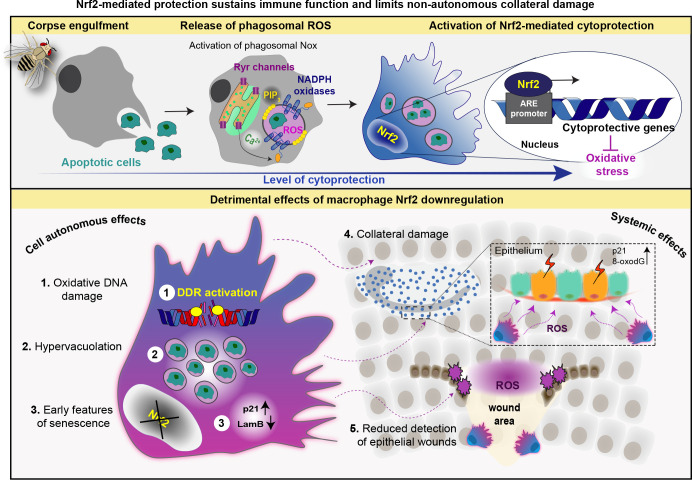
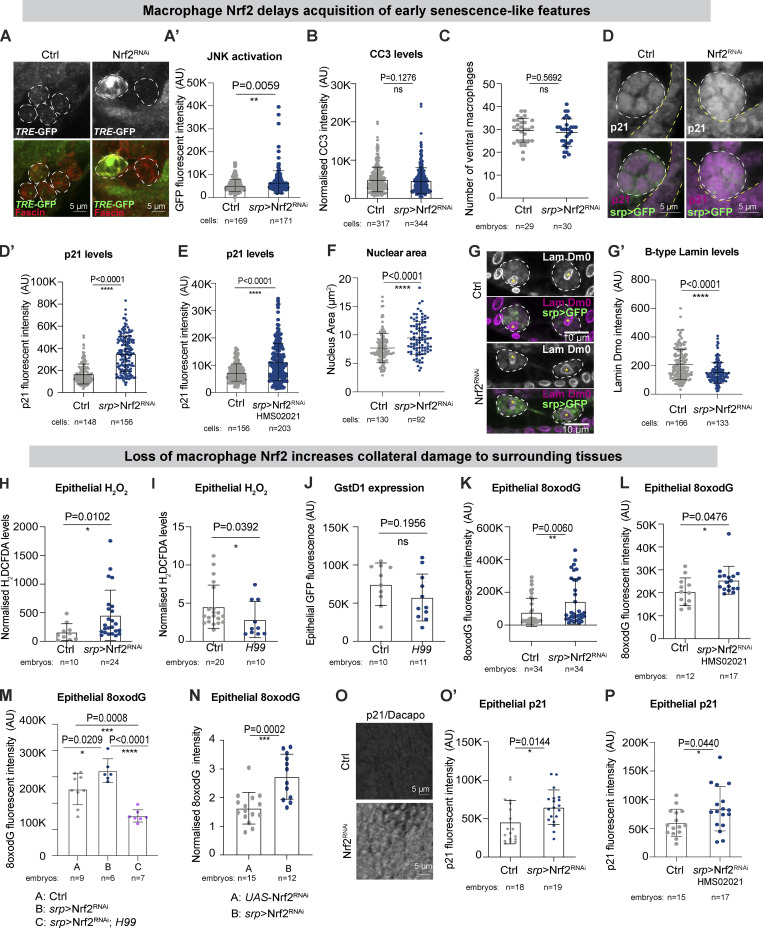
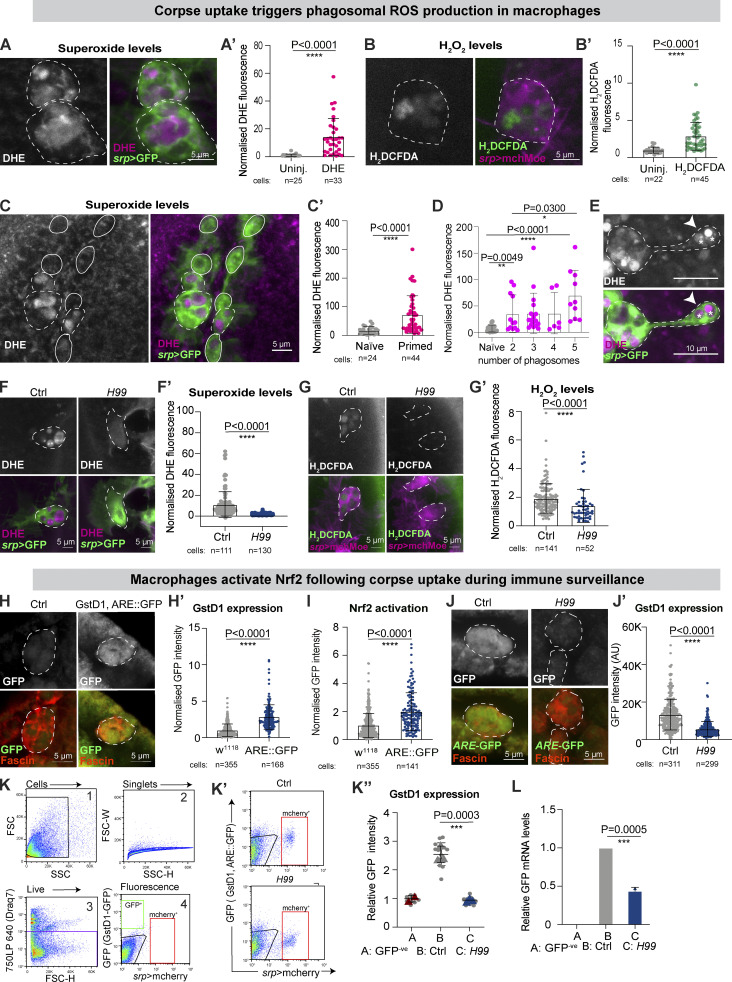
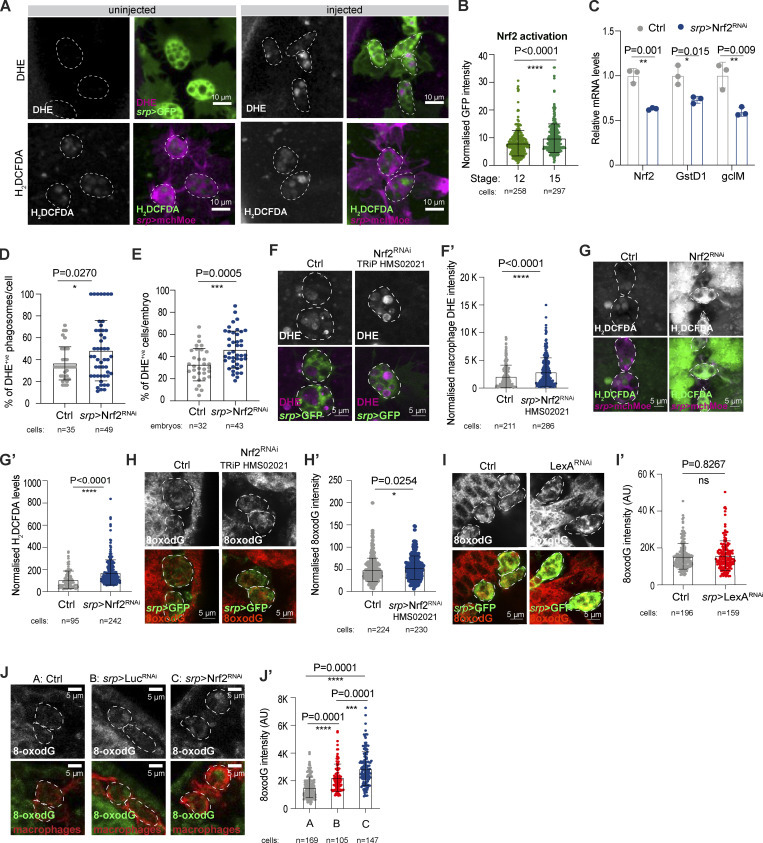
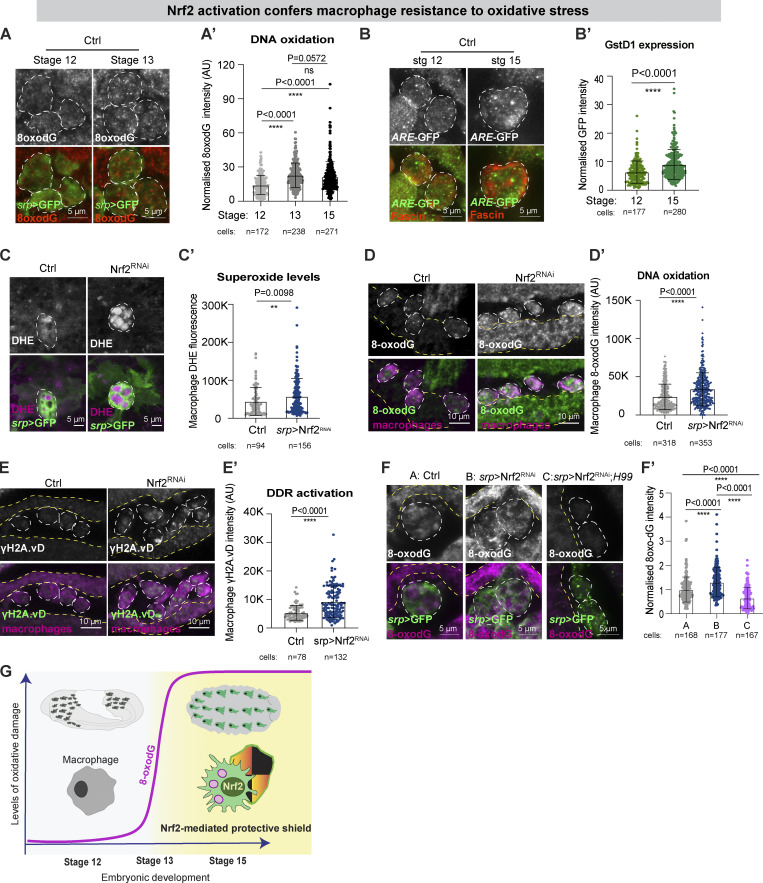
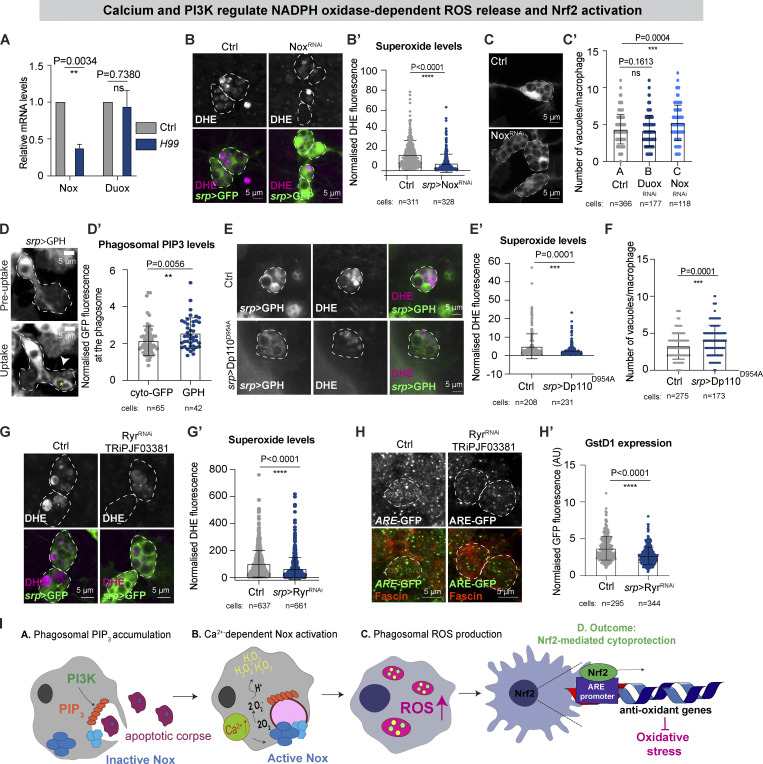
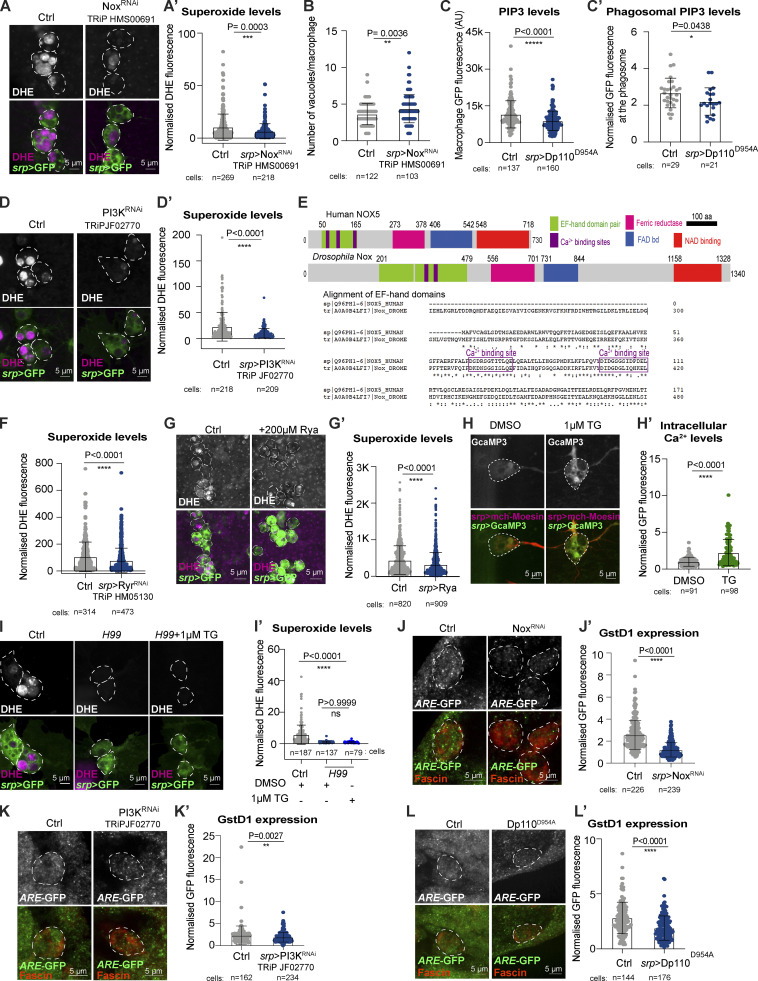
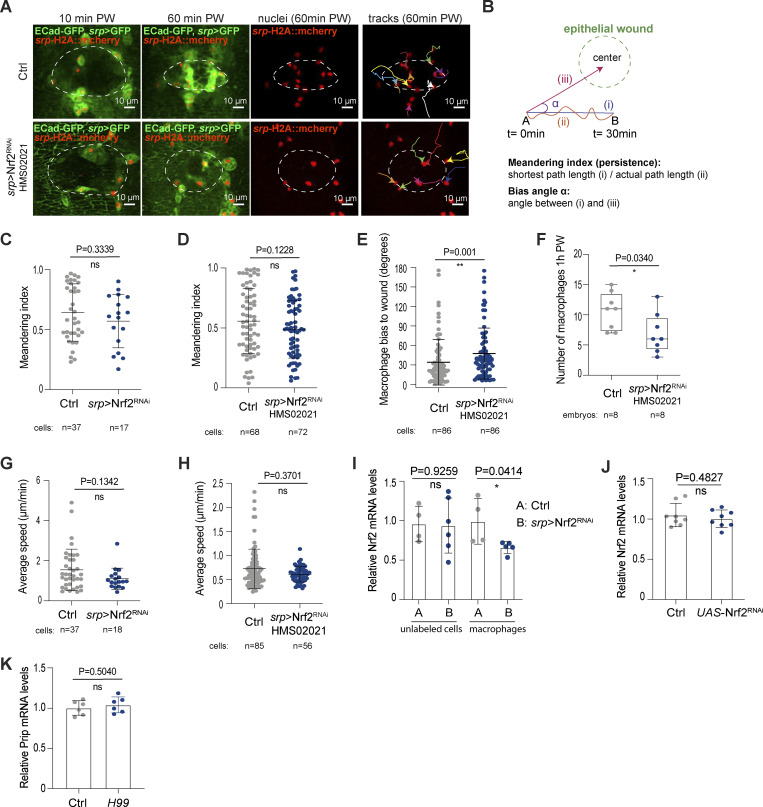
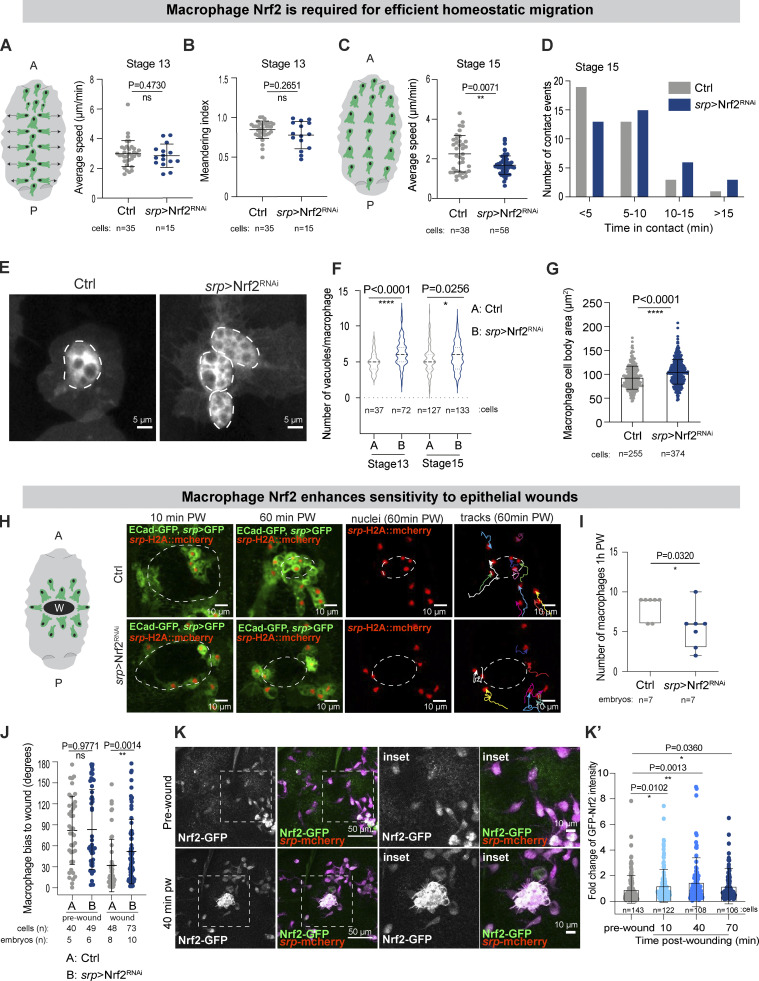
Phagosomal reactive oxygen species (ROS) are strategically employed by leukocytes to kill internalized pathogens and degrade cellular debris. Nevertheless, uncontrolled oxidant bursts could cause serious collateral damage to phagocytes or other host tissues, potentially accelerating aging and compromising host viability. Immune cells must, therefore, activate robust self-protective programs to mitigate these undesired effects, and yet allow crucial cellular redox signaling. Here, we dissect in vivo the molecular nature of these self-protective pathways, their precise mode of activation, and physiological effects. We reveal Drosophila embryonic macrophages activate the redox-sensitive transcription factor Nrf2 upon corpse engulfment during immune surveillance, downstream of calcium- and PI3K-dependent ROS release by phagosomal Nox. By transcriptionally activating the antioxidant response, Nrf2 not only curbs oxidative damage but preserves vital immune functions (including inflammatory migration) and delays the acquisition of senescence-like features. Strikingly, macrophage Nrf2 also acts non-autonomously to limit ROS-induced collateral damage to surrounding tissues. Cytoprotective strategies may thus offer powerful therapeutic opportunities for alleviating inflammatory or age-related diseases.
吞噬体中的活性氧(ROS)被白细胞战略性地用于杀死内化的病原体和降解细胞碎片。然而,不受控制的氧化剂爆发可能会对吞噬细胞或其他宿主组织造成严重的附带损伤,从而加速衰老并损害宿主的生存能力。因此,免疫细胞必须激活强大的自我保护程序,以减轻这些不良影响,同时允许关键的细胞氧化还原信号。在这里,我们在体内剖析了这些自我保护途径的分子性质、它们的精确激活方式以及生理效应。我们揭示了果蝇胚胎巨噬细胞在免疫监视过程中吞噬尸体时,会通过吞噬体中的 Nox 释放钙和 PI3K 依赖性 ROS 来激活氧化还原敏感转录因子 Nrf2。通过转录激活抗氧化反应,Nrf2 不仅可以抑制氧化损伤,还可以维持重要的免疫功能(包括炎症迁移),并延缓获得类似衰老的特征。引人注目的是,巨噬细胞 Nrf2 还可以非自主性地发挥作用,限制 ROS 诱导的周围组织的附带损伤。因此,细胞保护策略可能为缓解炎症或与年龄相关的疾病提供有力的治疗机会。