Hughes James P, Emel Lynda, Hanscom Brett, Zangeneh Sahar
*Department of Biostatistics, University of Washington, Seattle, WA; and †Fred Hutchinson Cancer Research Center, Seattle, WA.
J Acquir Immune Defic Syndr. 2016 Aug 15;72 Suppl 3(Suppl 3):S248-51. doi: 10.1097/QAI.0000000000001077.
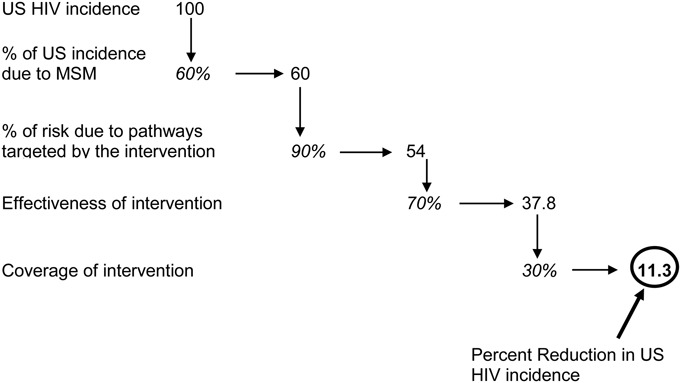
Transgender individuals constitute an important focus for HIV prevention, but studies in this population present some unique methodologic and operational challenges. We consider issues related to sampling, sample size, number of sites, and trial cost. We discuss relevant design issues for evaluating interventions in both HIV-negative and HIV-infected transgender populations, as well as a method for assessing the impact of an intervention on population HIV incidence. We find that HIV-endpoint studies of transgender individuals will likely require fewer participants but more sites and have higher operational costs than HIV prevention trials in other populations. Because any intervention targeted to transgender individuals will likely include antiretroviral drugs, small scale studies looking at potential interactions between antiretroviral therapy and hormone therapy are recommended. Finally, assessing the impact of an intervention targeted to transgender individuals will require better information on the contribution of such individuals to the population HIV incidence.
跨性别者是艾滋病毒预防的重要关注对象,但针对这一人群的研究面临一些独特的方法学和操作挑战。我们考虑了与抽样、样本量、研究地点数量和试验成本相关的问题。我们讨论了评估针对艾滋病毒阴性和艾滋病毒感染跨性别者的干预措施的相关设计问题,以及一种评估干预措施对人群艾滋病毒发病率影响的方法。我们发现,与针对其他人群的艾滋病毒预防试验相比,针对跨性别者的艾滋病毒终点研究可能需要的参与者较少,但需要更多的研究地点,且运营成本更高。由于针对跨性别者的任何干预措施可能都包括抗逆转录病毒药物,因此建议开展小规模研究,观察抗逆转录病毒疗法与激素疗法之间的潜在相互作用。最后,评估针对跨性别者的干预措施的影响将需要更好地了解此类人群对人群艾滋病毒发病率的贡献情况。