Centres of Clinical Pharmacology and Biochemical Pharmacology William Harvey Research Institute Barts, Queen Mary University of London London EC1M 6BQ United Kingdom.
The Health Centre Surrey RH8 OBQ United Kingdom.
Pharmacol Res Perspect. 2016 May 19;4(3):e00203. doi: 10.1002/prp2.203. eCollection 2016 Jun.
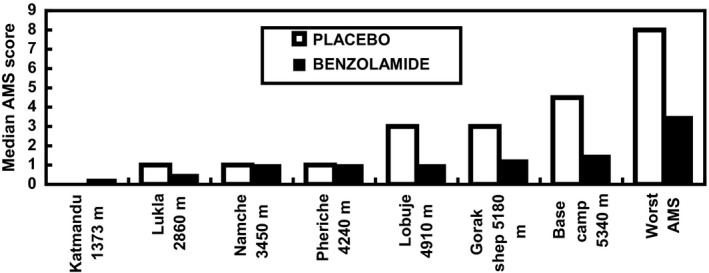
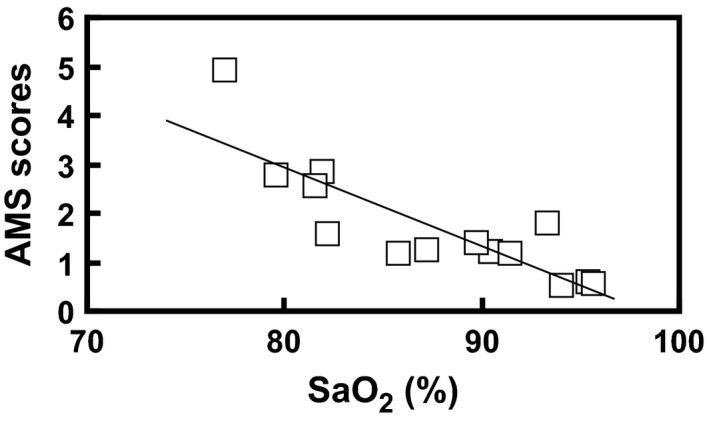
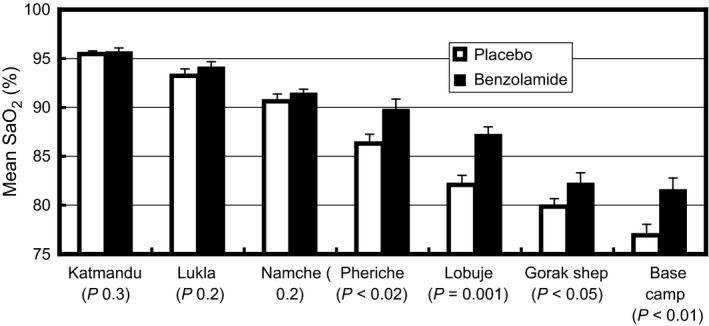
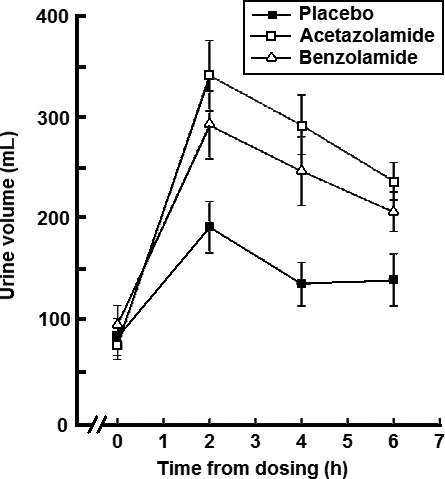
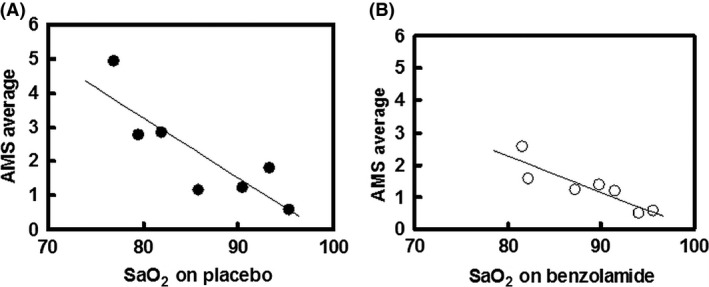
Acetazolamide is the standard carbonic anhydrase (CA) inhibitor used for acute mountain sickness (AMS), however some of its undesirable effects are related to intracellular penetrance into many tissues, including across the blood-brain barrier. Benzolamide is a much more hydrophilic inhibitor, which nonetheless retains a strong renal action to engender a metabolic acidosis and ventilatory stimulus that improves oxygenation at high altitude and reduces AMS. We tested the effectiveness of benzolamide versus placebo in a first field study of the drug as prophylaxis for AMS during an ascent to the Everest Base Camp (5340 m). In two other studies performed at sea level to test side effect differences between acetazolamide and benzolamide, we assessed physiological actions and psychomotor side effects of two doses of acetazolamide (250 and 1000 mg) in one group of healthy subjects and in another group compared acetazolamide (500 mg), benzolamide (200 mg) and lorazepam (2 mg) as an active comparator for central nervous system (CNS) effects. At high altitude, benzolamide-treated subjects maintained better arterial oxygenation at all altitudes (3-6% higher at all altitudes above 4200 m) than placebo-treated subjects and reduced AMS severity by roughly 50%. We found benzolamide had fewer side effects, some of which are symptoms of AMS, than any of the acetazolamide doses in Studies 1 and 2, but equal physiological effects on renal function. The psychomotor side effects of acetazolamide were dose dependent. We conclude that benzolamide is very effective for AMS prophylaxis. With its lesser CNS effects, benzolamide may be superior to acetazolamide, in part, because some of the side effects of acetazolamide may contribute to and be mistaken for AMS.
乙酰唑胺是治疗急性高原病(AMS)的标准碳酸酐酶(CA)抑制剂,但它的一些不良作用与细胞内穿透许多组织有关,包括血脑屏障。苯唑胺是一种更亲水的抑制剂,但它仍然具有很强的肾脏作用,可以产生代谢性酸中毒和通气刺激,从而改善高海拔地区的氧合并减少 AMS。我们在一项到珠穆朗玛峰大本营(5340 米)的海拔上升过程中,对苯唑胺作为 AMS 预防药物的首次现场研究中,测试了其与安慰剂的疗效。在另外两项在海平面进行的研究中,我们测试了乙酰唑胺和苯唑胺之间的副作用差异,评估了两组健康受试者中两种剂量的乙酰唑胺(250 和 1000mg)的生理作用和精神运动副作用,以及另一组中比较了乙酰唑胺(500mg)、苯唑胺(200mg)和劳拉西泮(2mg)作为中枢神经系统(CNS)作用的活性对照。在高海拔地区,与安慰剂治疗组相比,苯唑胺治疗组在所有海拔(4200 米以上所有海拔高出 3-6%)的动脉氧合更好,AMS 严重程度降低了约 50%。我们发现,与研究 1 和 2 中的任何一种乙酰唑胺剂量相比,苯唑胺的副作用更少,其中一些副作用是 AMS 的症状,但对肾功能的生理影响相同。乙酰唑胺的精神运动副作用与剂量有关。我们得出结论,苯唑胺对 AMS 预防非常有效。由于苯唑胺对中枢神经系统的影响较小,因此它可能优于乙酰唑胺,部分原因是乙酰唑胺的一些副作用可能导致并被误认为是 AMS。