Department of Disease Control and Epidemiology, National Veterinary Institute , Uppsala , Sweden.
Department of Biomedical Sciences and Veterinary Public Health, Swedish University of Agricultural Sciences (SLU) , Uppsala , Sweden.
Front Vet Sci. 2016 Jun 22;3:46. doi: 10.3389/fvets.2016.00046. eCollection 2016.
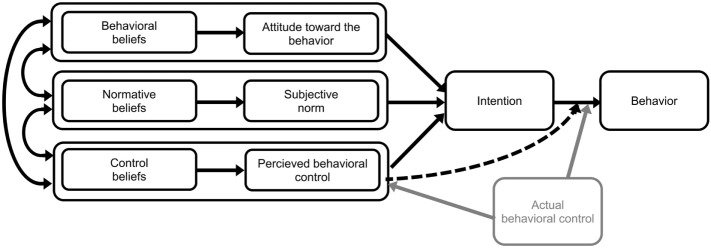
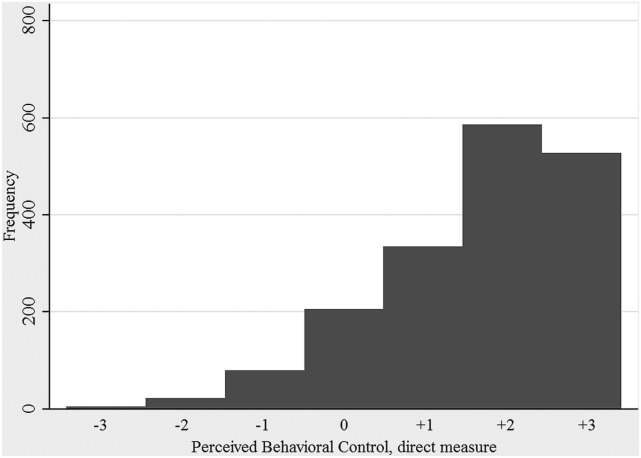
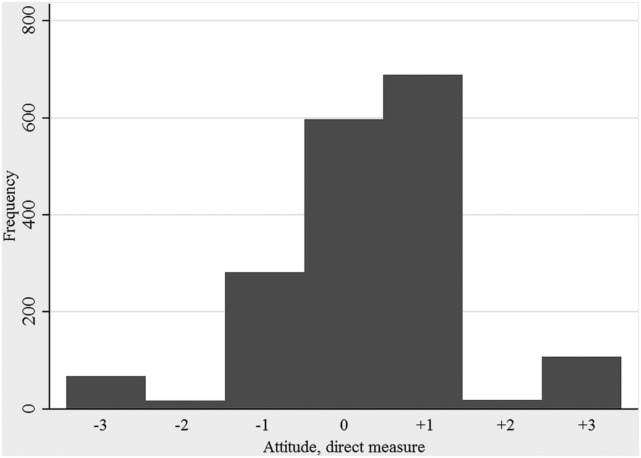
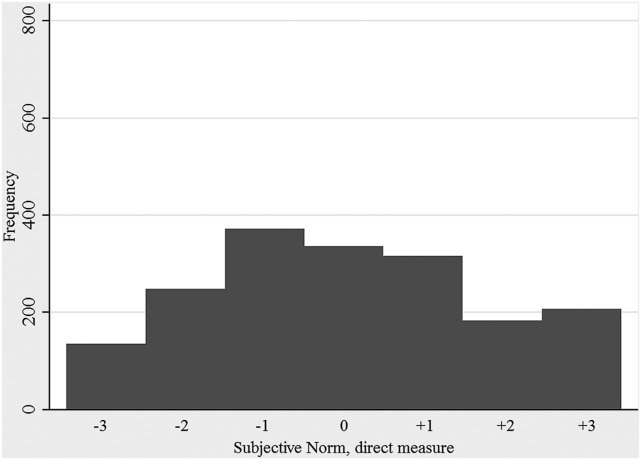
The study was part of a series of studies aiming to increase knowledge about spread and prevention of livestock diseases in Sweden. A specific biosecurity behavior, i.e., making professionals (e.g., veterinarian, repairman, livestock transporter) wear clean protective clothing when entering the stables was investigated through focus groups and a questionnaire survey. This behavior was seen as a proxy for other biosecurity behaviors. As part of questionnaire development, three focus group discussions with a total of 11 participating livestock farmers were held. The questionnaire was based on the model of Theory of Planned Behavior. Response was received from 2,081 farmers. In the focus groups, farmers expressed a willingness to provide visitors with clean protective clothing. However, some had experienced difficulties in making veterinarians use protective clothing, and mentioned a reluctance to correct their veterinarians. The participants mostly focused on diseases regulated by control programs, especially Salmonella. In parts, participants were well informed but some showed a lack of knowledge concerning routes of disease spread. They also mentioned external factors that made them deviate from biosecurity recommendations. Farmers called for biosecurity advice with focus on cost-benefit return. Among survey respondents, the intention to make visitors wear protective clothing was moderate. Analysis of underlying elements showed that a majority of farmers (88%) had a neutral attitude, i.e., they were neither in favor nor against this behavior. Measures of subjective norm indicated a varying degree of social pressure among respondents. However, the majority (63%) indicated a strong behavioral control, thus suggesting that they could make visitors use protective clothing if they wanted to. Although most farmers (84%) indicated a strong willingness to comply with the opinion of their veterinarians in biosecurity matters, 30% replied that their farm veterinarian is indifferent or negative toward making visitors use protective clothing. Demographic factors were significantly associated with the intention, and farmers with pigs, larger herds, and female farmers had a stronger intention. Regional differences were also found. The findings provide new insights into why farmers apply, or do not apply, biosecurity routines, and will be useful in the on-going work to improve farm biosecurity in Sweden.
本研究是旨在增加对瑞典牲畜疾病传播和预防知识的一系列研究之一。通过焦点小组和问卷调查,研究了一种特定的生物安全行为,即专业人员(例如兽医、修理工、牲畜运输工)进入畜栏时穿着清洁的防护服。这种行为被视为其他生物安全行为的代表。在问卷制定过程中,进行了三次共 11 名参与牲畜养殖农民的焦点小组讨论。问卷以计划行为理论为基础。共收到 2081 名农民的回复。在焦点小组中,农民表示愿意为访客提供清洁的防护服。然而,一些农民在让兽医使用防护服方面遇到困难,并提到不愿意纠正他们的兽医。参与者主要关注受控制计划管理的疾病,尤其是沙门氏菌。在某些方面,参与者的知识丰富,但有些方面缺乏关于疾病传播途径的知识。他们还提到了使他们偏离生物安全建议的外部因素。农民呼吁提供以成本效益回报为重点的生物安全建议。在调查受访者中,让访客穿防护服的意愿是中等的。对潜在因素的分析表明,大多数农民(88%)持中立态度,即他们既不赞成也不反对这种行为。主观规范的衡量标准表明,受访者之间存在不同程度的社会压力。然而,大多数人(63%)表示有强烈的行为控制,因此表明,如果他们愿意,他们可以让访客使用防护服。尽管大多数农民(84%)表示在生物安全问题上非常愿意遵守兽医的意见,但 30%的农民表示他们的农场兽医对让访客使用防护服漠不关心或持否定态度。人口统计学因素与意图显著相关,养猪、规模较大的畜群和女性农民的意图更强。还发现了地区差异。这些发现为农民为何应用或不应用生物安全常规提供了新的见解,并将有助于瑞典正在进行的改善农场生物安全的工作。