Mourad Ghassan, Strömberg Anna, Jonsbu Egil, Gustafsson Mikael, Johansson Peter, Jaarsma Tiny
Department of Social and Welfare Studies, Linköping University, Kungsgatan 40, SE-601 74, Norrköping, Sweden.
Department of Medical and Health Sciences, Linköping University, Linköping, Sweden.
Trials. 2016 Jul 26;17(1):352. doi: 10.1186/s13063-016-1491-1.
Patients with recurrent episodes of non-cardiac chest pain may experience cardiac anxiety and avoidance behavior, leading to increased healthcare utilization. These patients might benefit from help and support to evaluate the perception and management of their chest pain. The purpose of this study was to test the feasibility of a short guided Internet-delivered cognitive behavioural therapy (CBT) program and explore the effects on cardiac anxiety, fear of body sensations, depressive symptoms, and chest pain in patients with non-cardiac chest pain, compared with usual care.
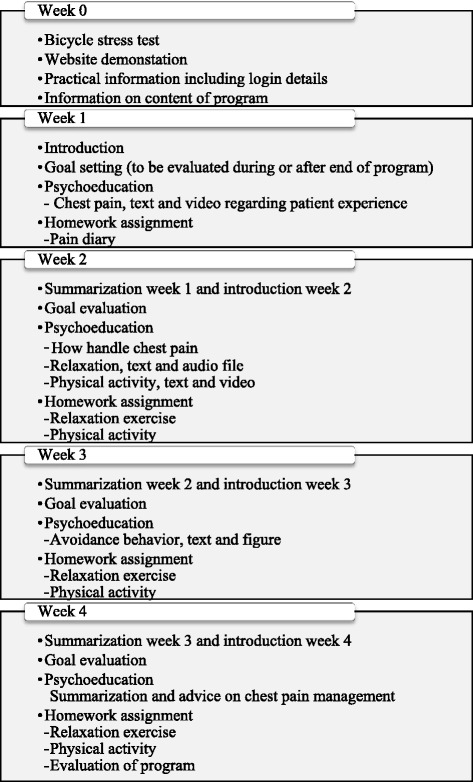
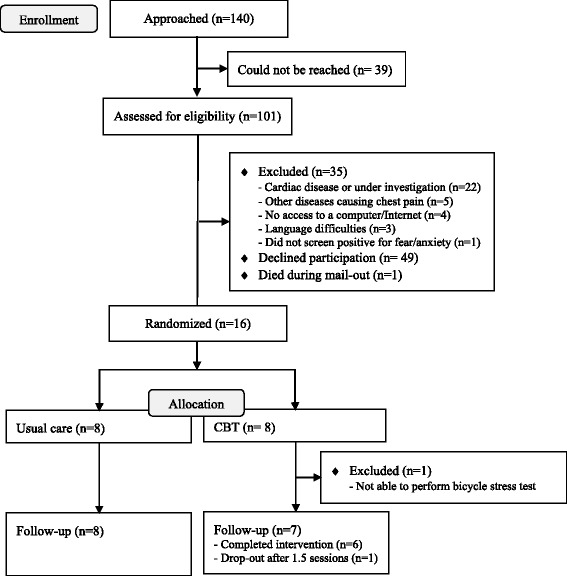
A pilot randomized controlled study was conducted. Fifteen patients with non-cardiac chest pain with cardiac anxiety or fear of body sensations, aged 22-76 years, were randomized to intervention (n = 7) or control (n = 8) groups. The four-session CBT program contained psychoeducation, physical activity, and relaxation. The control group received usual care. Data were collected before and after intervention.
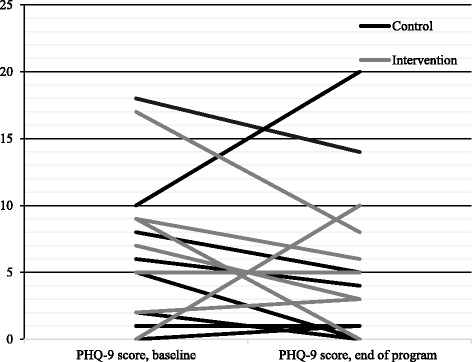
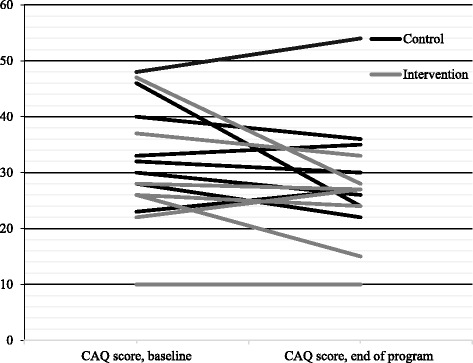
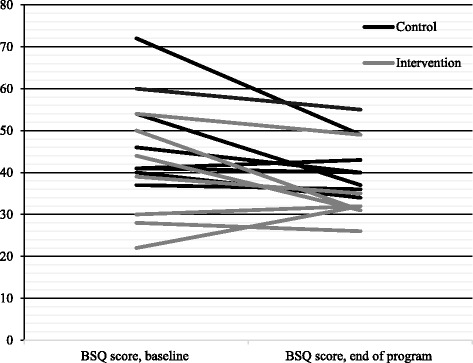
Five of seven patients in the intervention group completed the program, which was perceived as user-friendly with comprehensible language, adequate and varied content, and manageable homework assignments. Being guided and supported, patients were empowered and motivated to be active and complete the program. Patients in both intervention and control groups improved with regard to cardiac anxiety, fear of body sensations, and depressive symptoms, but no significant differences were found between the groups.
The Internet-delivered CBT program seems feasible for patients with non-cardiac chest pain, but needs to be evaluated in larger groups and with a longer follow-up period.
Clinicaltrials.gov NCT02336880 . Registered on 8 January 2015.
非心源性胸痛反复发作的患者可能会出现心脏焦虑和回避行为,导致医疗资源利用增加。这些患者可能会从评估其胸痛认知与管理的帮助和支持中受益。本研究旨在测试一种简短的、通过互联网提供指导的认知行为疗法(CBT)方案的可行性,并与常规护理相比,探讨其对非心源性胸痛患者的心脏焦虑、对身体感觉的恐惧、抑郁症状和胸痛的影响。
进行了一项试点随机对照研究。15名年龄在22至76岁之间、患有心脏焦虑或对身体感觉恐惧的非心源性胸痛患者被随机分为干预组(n = 7)或对照组(n = 8)。四节的CBT方案包括心理教育、体育活动和放松训练。对照组接受常规护理。在干预前后收集数据。
干预组的7名患者中有5名完成了该方案,该方案被认为用户友好,语言易懂,内容充足且多样,作业任务易于管理。在得到指导和支持后,患者有能力且有动力积极参与并完成该方案。干预组和对照组患者在心脏焦虑、对身体感觉的恐惧和抑郁症状方面均有改善,但两组之间未发现显著差异。
通过互联网提供的CBT方案对非心源性胸痛患者似乎可行,但需要在更大规模的人群中进行评估,并进行更长时间的随访。
Clinicaltrials.gov NCT02336880。于2015年1月8日注册。