Chen Yuh-Fung, Lee Ming-Ming, Fang Hsun-Lang, Yang Jhao-Guei, Chen Yu-Chien, Tsai Huei-Yann
Department of Pharmacology, China Medical University, No 91, Hsueh-Shih Road, Taichung, 40402, Taiwan.
Department of Pharmacy, China Medical University Hospital, No 2, Yu-Der Road, Taichung, 40431, Taiwan.
BMC Complement Altern Med. 2016 Jul 26;16:240. doi: 10.1186/s12906-016-1230-x.
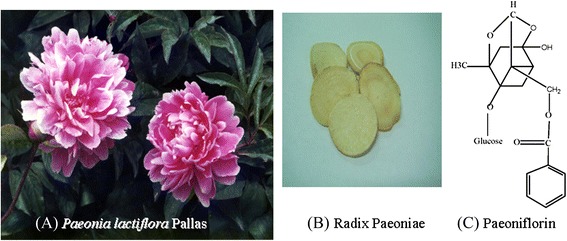
Pain, the most common reasons for physician consultation, is a major symptom in many medical conditions that can significantly interfere with a person's life quality and general functioning. Almost all painkillers have its untoward effects. Therefore, seeking for a safe medication for pain relieve is notable nowadays. Paeonia lactiflora is a well-known traditional Chinese medicine. Paeoniflorin is an active component found in Paeonia lactiflora, which has been reported to inhibit formalin-induced nociceptive behavior in mice. Aims of this present study were to investigate effects of paeoniflorin on excitatory amino acid agonist- or high-dose morphine-induced nociceptive behaviors in mice.
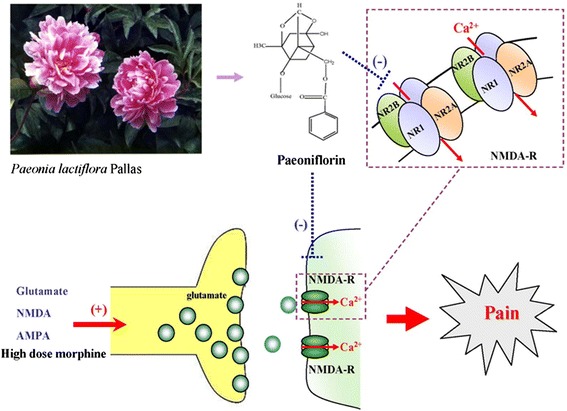
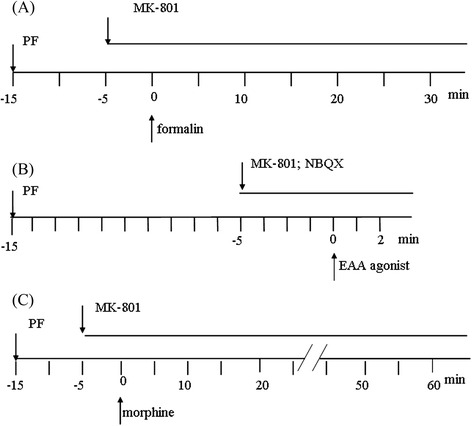
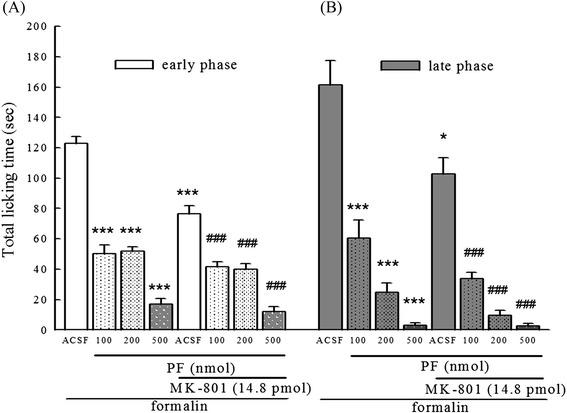
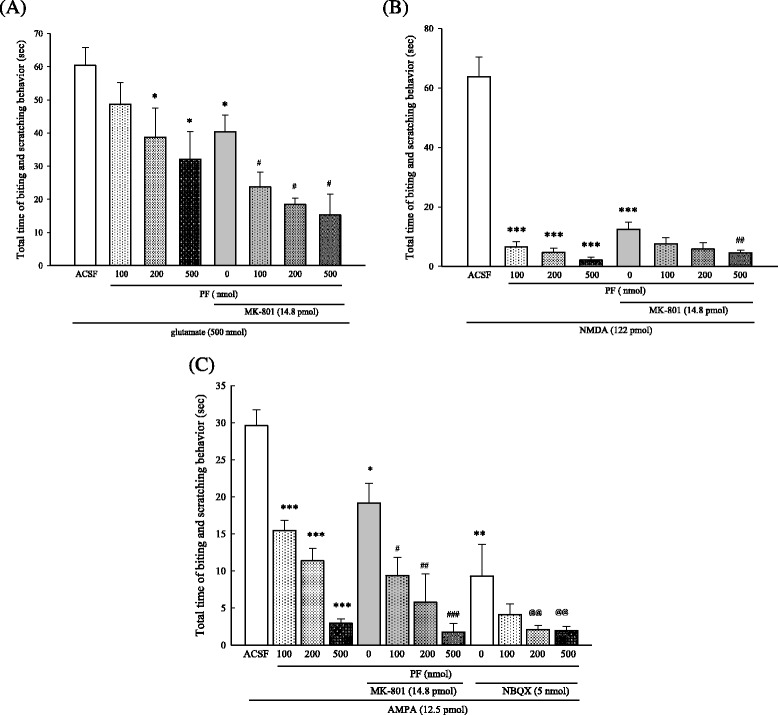
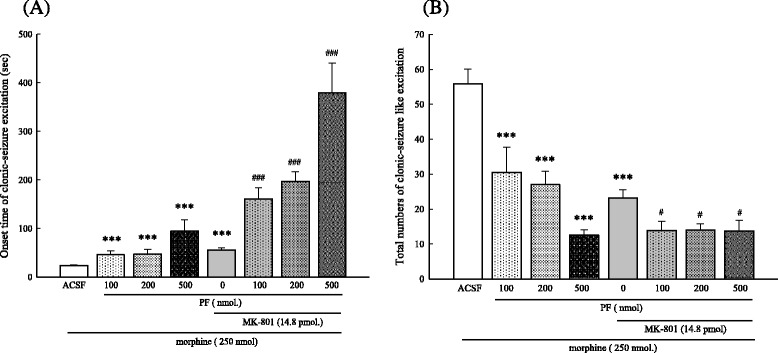
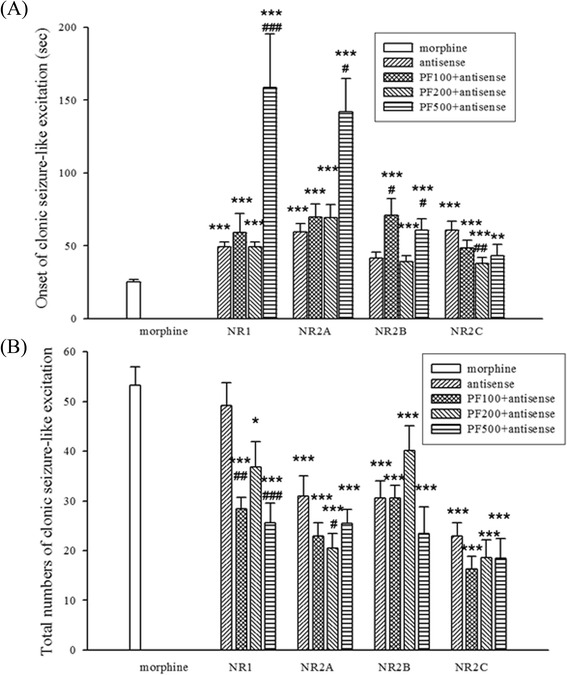
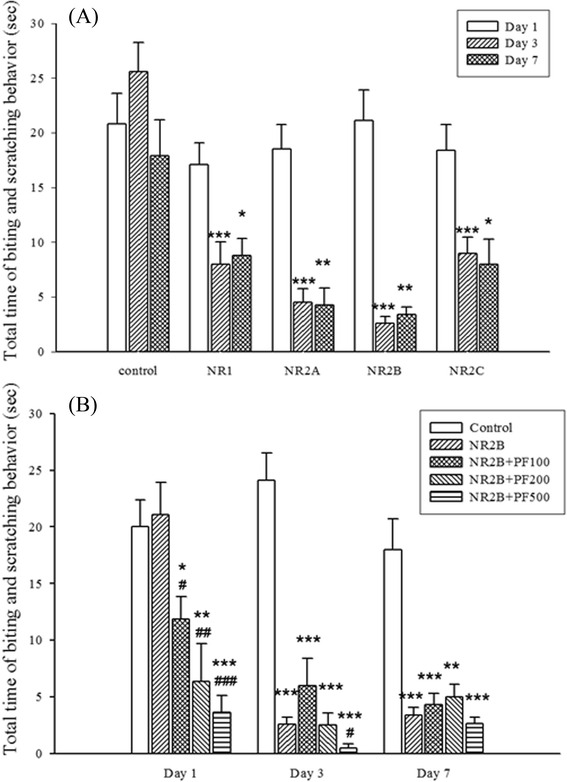
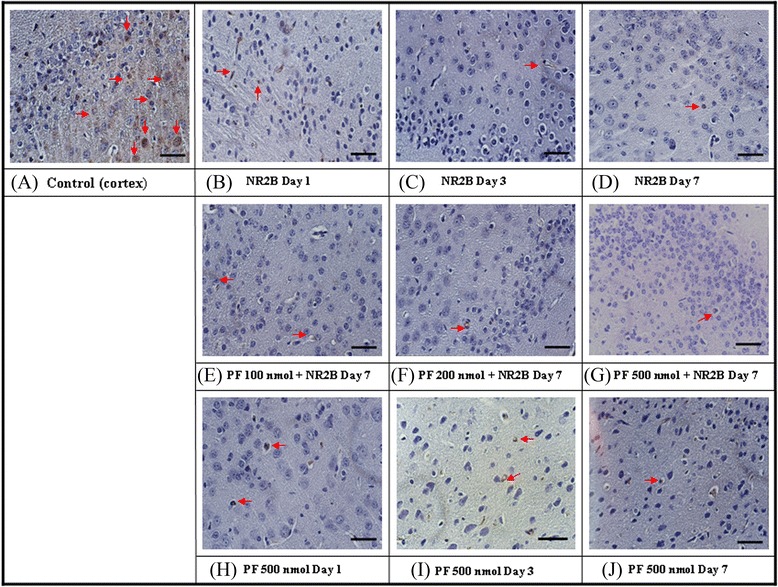
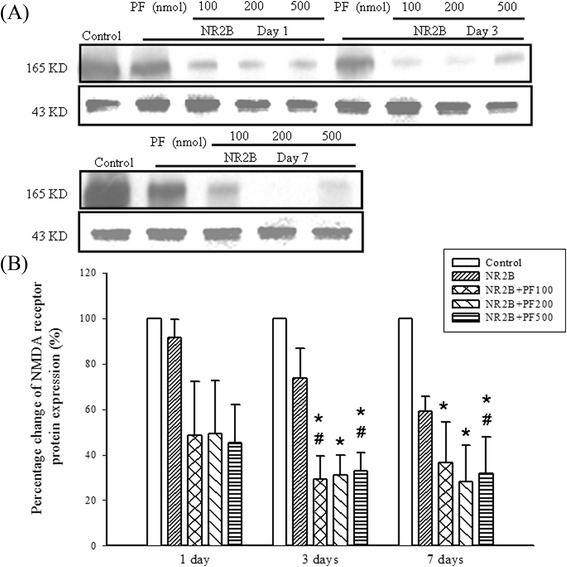
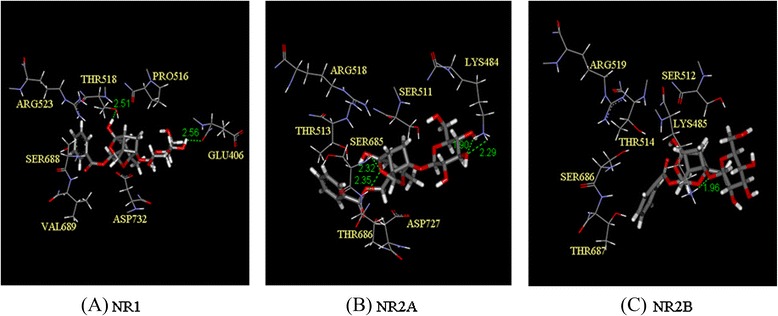
Paeoniflorin (100, 200, 500 nmol, i.c.v.) alone and combined with glutamatergic antagonists (MK-801 14.8 pmol, or NBQX 5 nmol, i.t.) inhibited nociception. Those agents also inhibited the clonic seizure-like excitation induced by high-dose morphine (250 nmol, i.t) in mice. Antisense oligodeoxynucleotides of NMDA receptor subunits NR1, NR2A, NR2B significantly enhanced the inhibition of paeoniflorin on excitatory amino acid-and high-dose morphine-induced nociception. Docking energy data revealed that paeoniflorin had stronger binding activity in NR2A and NR2B than NR2C of NMDA receptors.
Results of this study indicate that paeoniflorin-induced inhibition of excitatory amino acid agonist- and high-dose morphine-induced nociceptive behaviors might be due to modulation of NMDA receptors, specifically the NR2B subunit.
疼痛是就医最常见的原因,是许多疾病的主要症状,会严重影响人的生活质量和整体功能。几乎所有止痛药都有不良反应。因此,如今寻找一种安全的止痛药物很有必要。芍药是一种著名的传统中药。芍药苷是芍药中发现的一种活性成分,据报道它能抑制小鼠福尔马林诱导的伤害性行为。本研究的目的是研究芍药苷对兴奋性氨基酸激动剂或高剂量吗啡诱导的小鼠伤害性行为的影响。
单独使用芍药苷(100、200、500纳摩尔,脑室内注射)以及与谷氨酸能拮抗剂(MK-801 14.8皮摩尔,或NBQX 5纳摩尔,鞘内注射)联合使用均能抑制伤害感受。这些药物还能抑制高剂量吗啡(250纳摩尔,鞘内注射)诱导的小鼠阵挛性癫痫样兴奋。NMDA受体亚基NR1、NR2A、NR2B的反义寡脱氧核苷酸显著增强了芍药苷对兴奋性氨基酸和高剂量吗啡诱导的伤害感受的抑制作用。对接能量数据显示,芍药苷在NMDA受体的NR2A和NR2B中比NR2C具有更强的结合活性。
本研究结果表明,芍药苷诱导的对兴奋性氨基酸激动剂和高剂量吗啡诱导的伤害性行为的抑制可能是由于对NMDA受体的调节,特别是NR2B亚基。