Mittag Sonnhild, Valenta Tomas, Weiske Jörg, Bloch Laura, Klingel Susanne, Gradl Dietmar, Wetzel Franziska, Chen Yuan, Petersen Iver, Basler Konrad, Huber Otmar
Institute of Biochemistry, Department of Biochemistry II, Jena University Hospital, Friedrich-Schiller-University Jena , Jena, Germany.
Institute of Molecular Life Sciences, University of Zurich , Zurich, Switzerland.
Cell Discov. 2016 Jan 5;2:15039. doi: 10.1038/celldisc.2015.39. eCollection 2016.
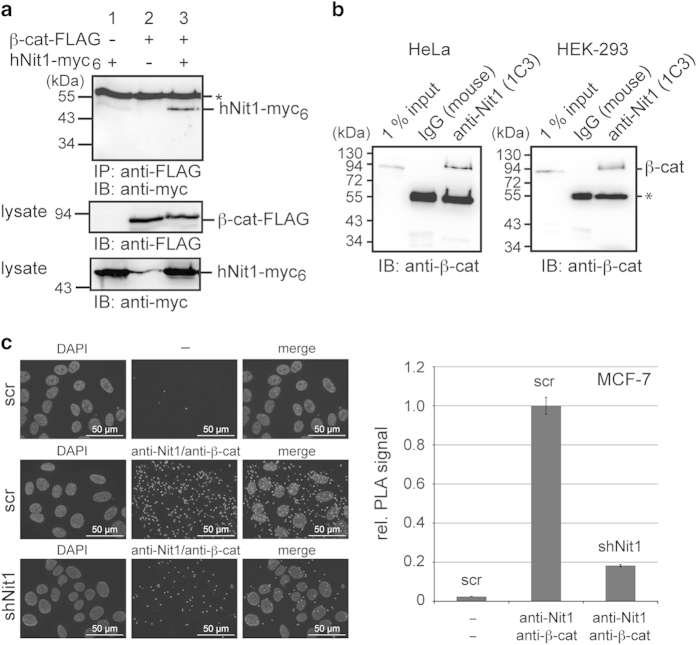
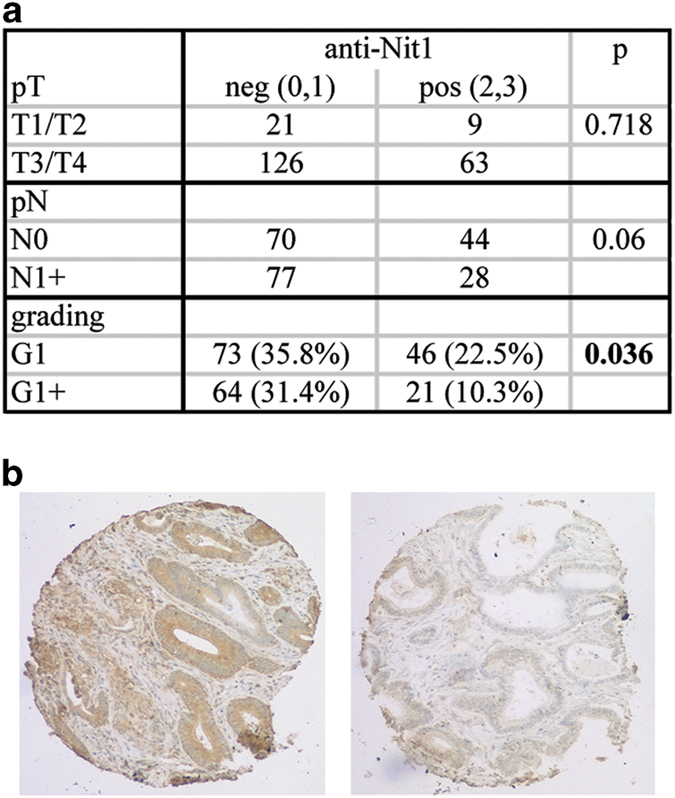
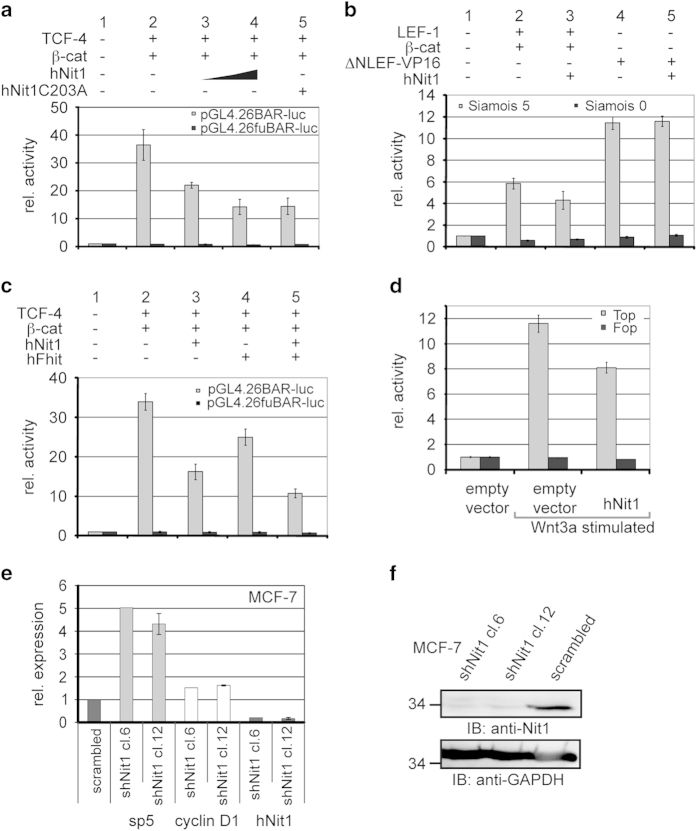
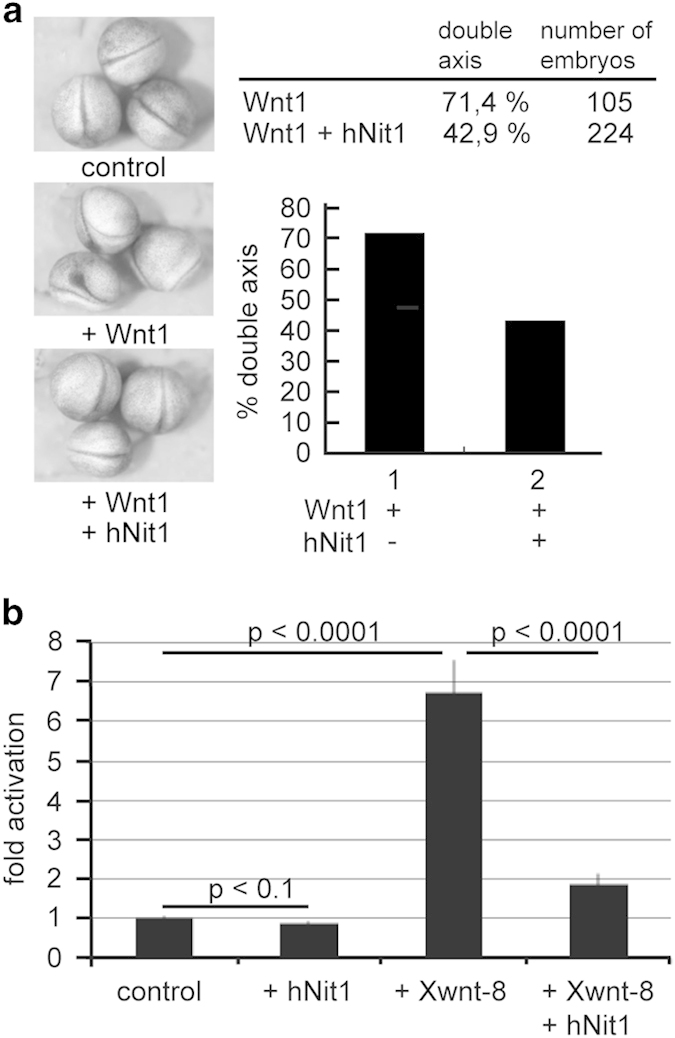
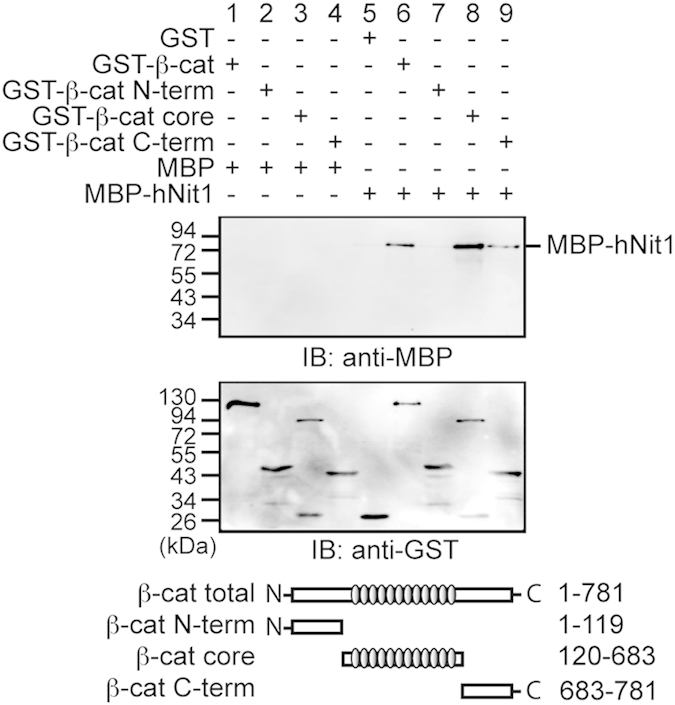
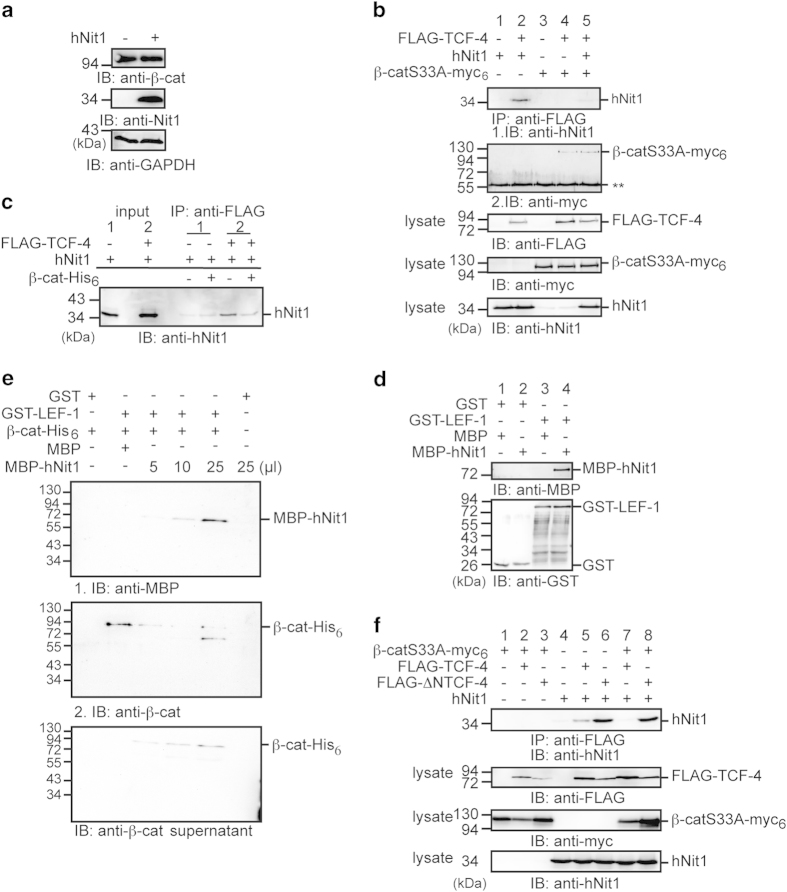
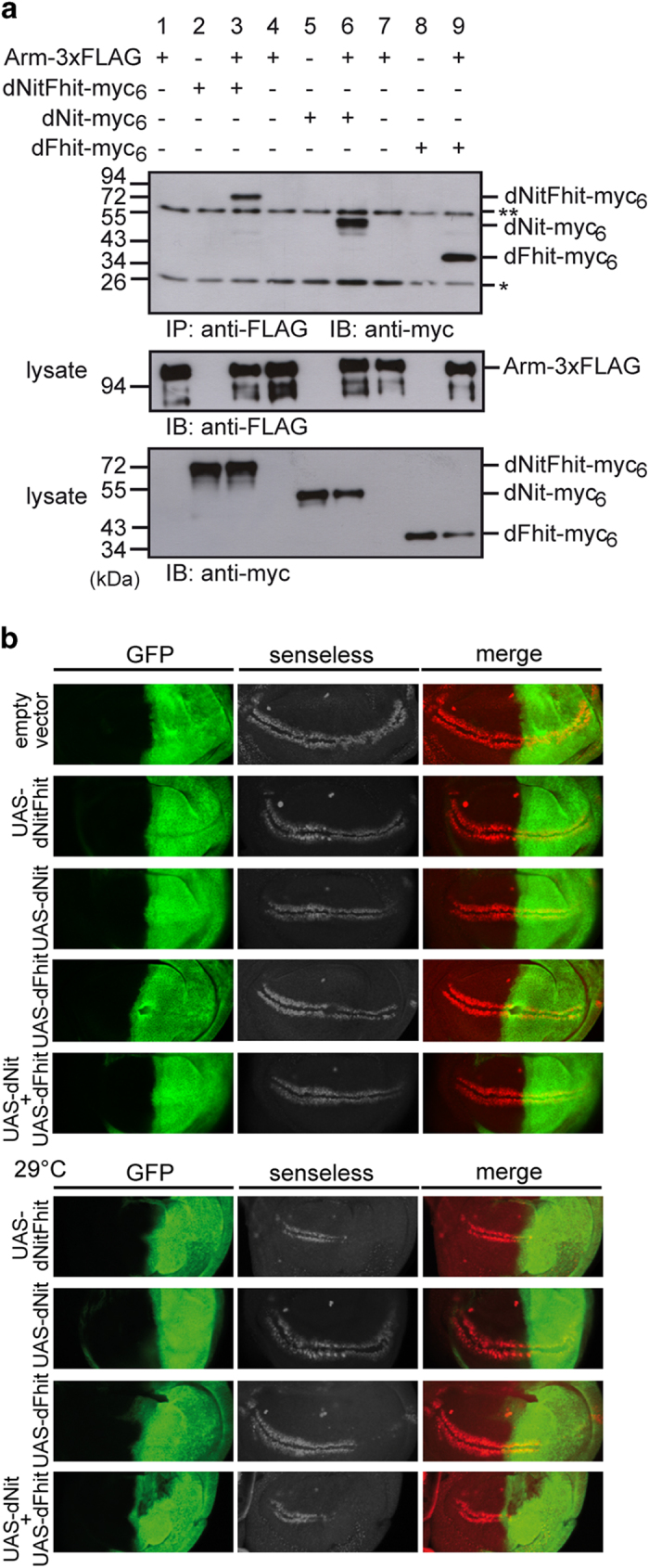
Nitrilase1 was classified as a tumour suppressor in association with the fragile histidine-triad protein Fhit. However, knowledge about nitrilase1 and its tumour suppressor function is still limited. Whereas nitrilase1 and Fhit are discrete proteins in mammals, they are merged in Drosophila melanogaster and Caenorhabditis elegans. According to the Rosetta-Stone hypothesis, proteins encoded as fusion proteins in one organism and as separate proteins in another organism may act in the same signalling pathway. Although a direct interaction of human nitrilase1 and Fhit has not been shown, our previous finding that Fhit interacts with β-catenin and represses its transcriptional activity in the canonical Wnt pathway suggested that human nitrilase1 also modulates Wnt signalling. In fact, human nitrilase1 forms a complex with β-catenin and LEF-1/TCF-4, represses β-catenin-mediated transcription and shows an additive effect together with Fhit. Knockdown of human nitrilase1 enhances Wnt target gene expression. Moreover, our experiments show that β-catenin competes away human nitrilase1 from LEF-1/TCF and thereby contributes to the activation of Wnt-target gene transcription. Inhibitory activity of human nitrilase1 on vertebrate Wnt signalling was confirmed by repression of Wnt-induced double axis formation in Xenopus embryogenesis. In line with this finding, the Drosophila fusion protein Drosophila NitFhit directly binds to Armadillo and represses the Wingless pathway in reporter gene assays. Genetic experiments confirmed the repressive activity of Drosophila NitFhit on Wingless signalling in the Drosophila wing imaginal disc. In addition, colorectal tumour microarray analysis revealed a significantly reduced expression of human nitrilase1 in poorly differentiated tumours. Taken together, repression of the canonical Wnt pathway represents a new mechanism for the human nitrilase1 tumour suppressor function.
腈水解酶1与脆性组氨酸三联体蛋白Fhit相关,被归类为一种肿瘤抑制因子。然而,关于腈水解酶1及其肿瘤抑制功能的知识仍然有限。在哺乳动物中,腈水解酶1和Fhit是离散的蛋白质,但在果蝇和秀丽隐杆线虫中它们是融合的。根据罗塞塔石碑假说,在一种生物体中编码为融合蛋白而在另一种生物体中编码为单独蛋白的蛋白质可能在同一信号通路中起作用。虽然尚未证明人腈水解酶1和Fhit之间存在直接相互作用,但我们之前的发现表明,Fhit与β-连环蛋白相互作用并在经典Wnt通路中抑制其转录活性,这提示人腈水解酶1也调节Wnt信号传导。事实上,人腈水解酶1与β-连环蛋白和LEF-1/TCF-4形成复合物,抑制β-连环蛋白介导的转录,并与Fhit显示出相加效应。敲低人腈水解酶1可增强Wnt靶基因的表达。此外,我们的实验表明,β-连环蛋白将人腈水解酶1从LEF-1/TCF上竞争下来,从而促进Wnt靶基因转录的激活。在非洲爪蟾胚胎发育中,通过抑制Wnt诱导的双轴形成,证实了人腈水解酶1对脊椎动物Wnt信号传导的抑制活性。与此发现一致,在报告基因实验中,果蝇融合蛋白果蝇NitFhit直接与犰狳蛋白结合并抑制无翅通路。遗传学实验证实了果蝇NitFhit对果蝇翅成虫盘无翅信号传导的抑制活性。此外,结直肠癌肿瘤微阵列分析显示,在低分化肿瘤中,人腈水解酶1的表达显著降低。综上所述,抑制经典Wnt通路代表了人腈水解酶1肿瘤抑制功能的一种新机制。