Hanson Ryan L, Hollingsworth Michael A
Eppley Institute for Research in Cancer and Allied Diseases, University of Nebraska Medical Center, Omaha, NE 68198, USA.
Biomolecules. 2016 Jul 30;6(3):34. doi: 10.3390/biom6030034.
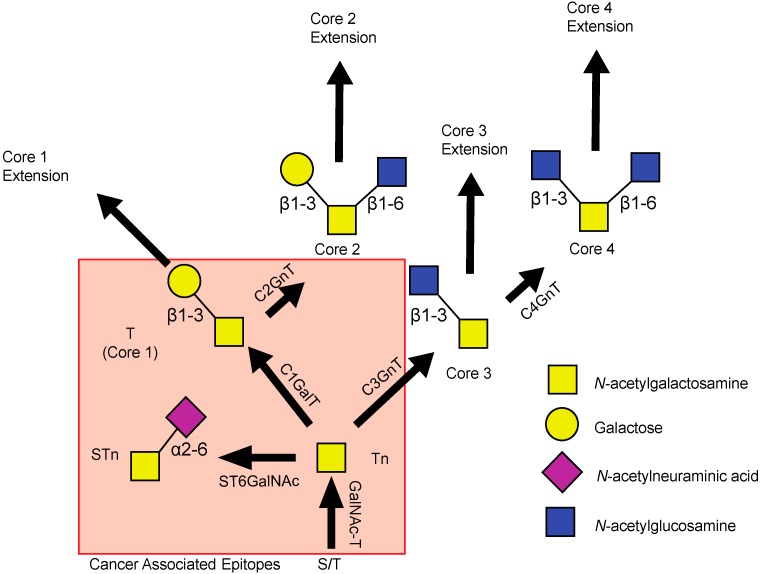
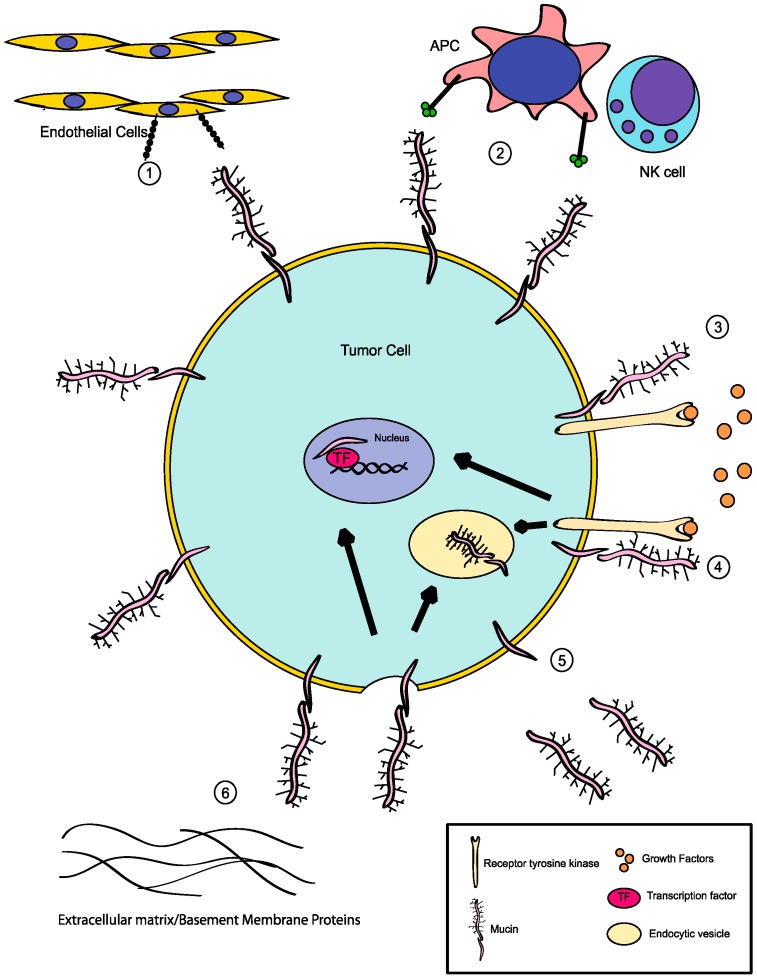
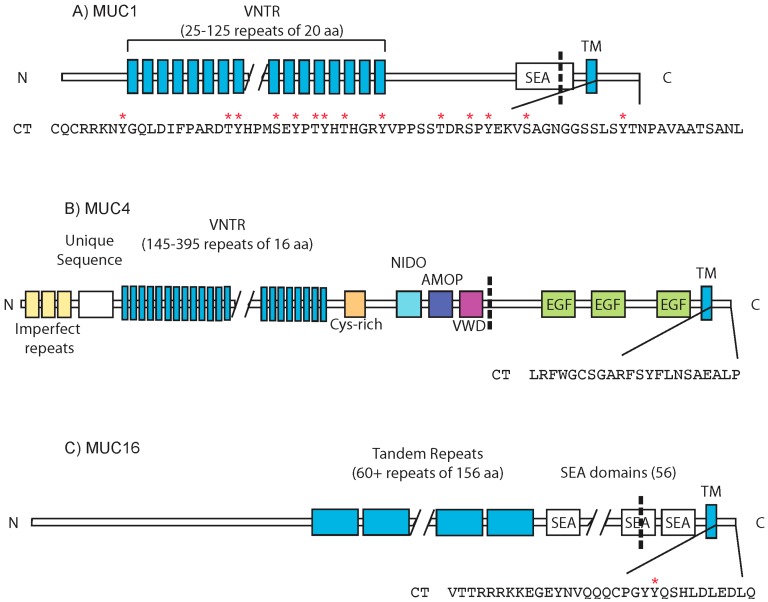
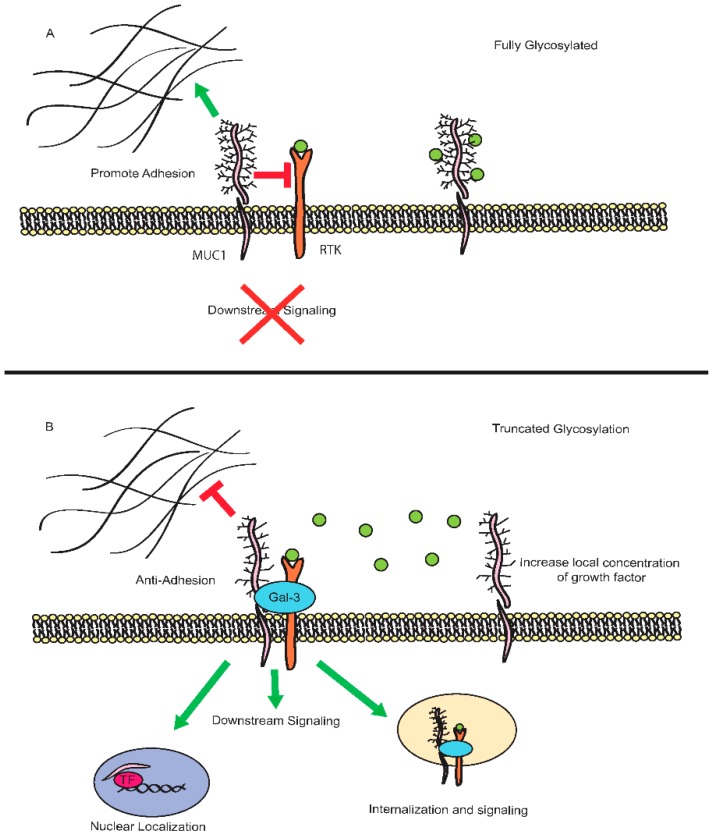
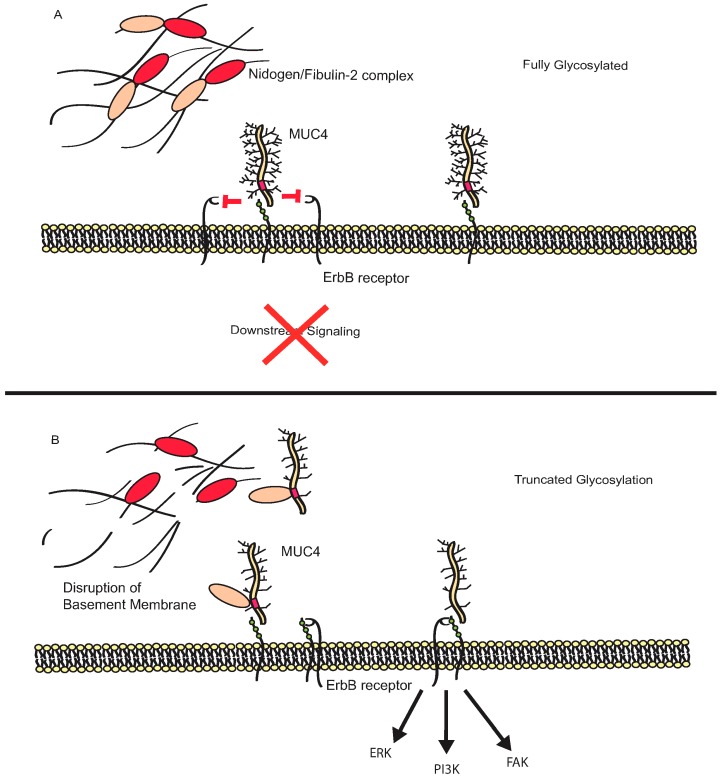
Glycosylation is one of the most abundant post-translational modifications that occur within the cell. Under normal physiological conditions, O-linked glycosylation of extracellular proteins is critical for both structure and function. During the progression of cancer, however, the expression of aberrant and truncated glycans is commonly observed. Mucins are high molecular weight glycoproteins that contain numerous sites of O-glycosylation within their extracellular domains. Transmembrane mucins also play a functional role in monitoring the surrounding microenvironment and transducing these signals into the cell. In cancer, these mucins often take on an oncogenic role and promote a number of pro-tumorigenic effects, including pro-survival, migratory, and invasive behaviors. Within this review, we highlight both the processes involved in the expression of aberrant glycan structures on mucins, as well as the potential downstream impacts on cellular signaling.
糖基化是细胞内发生的最丰富的翻译后修饰之一。在正常生理条件下,细胞外蛋白质的O-连接糖基化对于结构和功能都至关重要。然而,在癌症进展过程中,通常会观察到异常和截短聚糖的表达。粘蛋白是高分子量糖蛋白,在其细胞外结构域内含有多个O-糖基化位点。跨膜粘蛋白在监测周围微环境并将这些信号转导到细胞中也发挥着功能作用。在癌症中,这些粘蛋白通常发挥致癌作用,并促进许多促肿瘤发生效应,包括促生存、迁移和侵袭行为。在本综述中,我们强调了粘蛋白上异常聚糖结构表达所涉及的过程,以及对细胞信号传导的潜在下游影响。