Turnbull Matthew L, Wise Helen M, Nicol Marlynne Q, Smith Nikki, Dunfee Rebecca L, Beard Philippa M, Jagger Brett W, Ligertwood Yvonne, Hardisty Gareth R, Xiao Haixia, Benton Donald J, Coburn Alice M, Paulo Joao A, Gygi Steven P, McCauley John W, Taubenberger Jeffery K, Lycett Samantha J, Weekes Michael P, Dutia Bernadette M, Digard Paul
Division of Infection and Immunity, The Roslin Institute, The University of Edinburgh, Easter Bush, Midlothian, Edinburgh, United Kingdom.
Viral Pathogenesis and Evolution Section, Laboratory of Infectious Diseases, Division of Intramural Research, National Institute of Allergy and Infectious Diseases, Bethesda, Maryland, USA.
J Virol. 2016 Sep 29;90(20):9263-84. doi: 10.1128/JVI.01205-16. Print 2016 Oct 15.
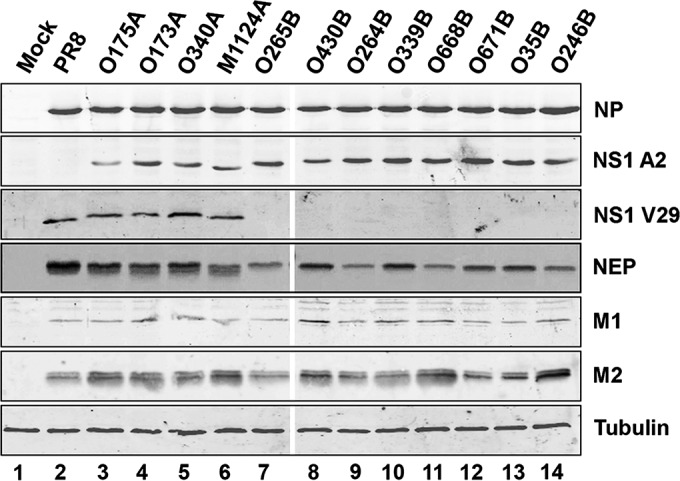
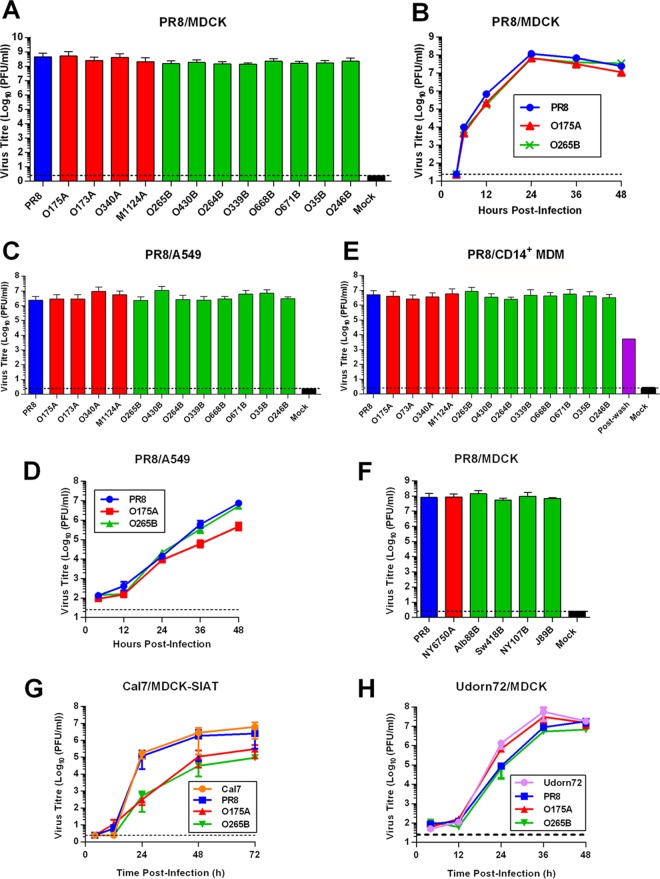
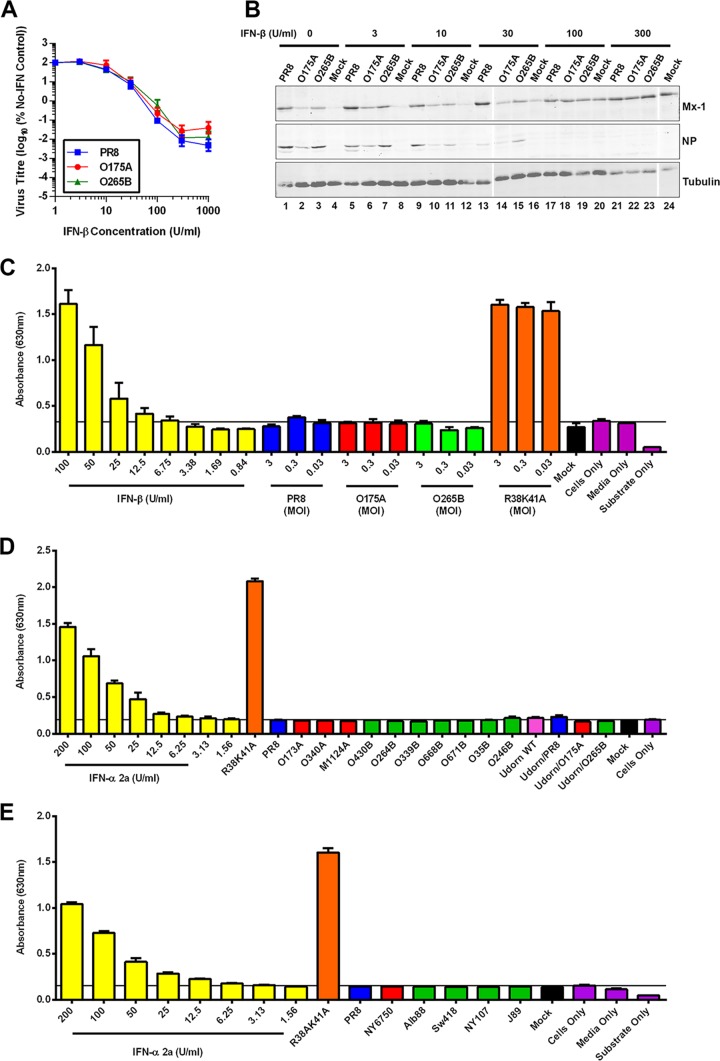
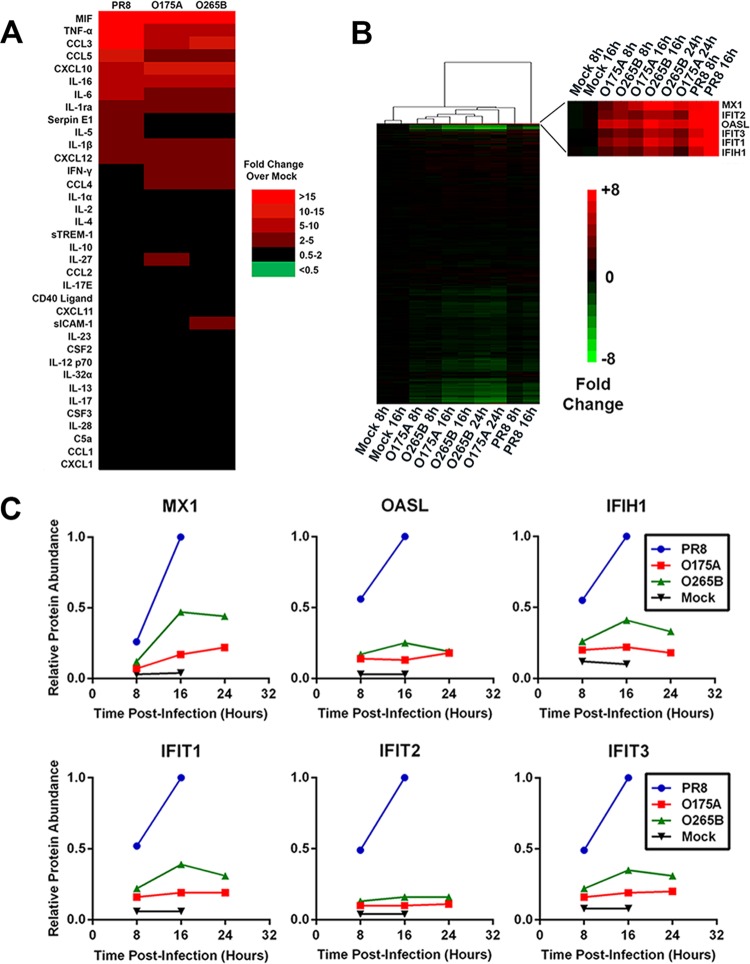
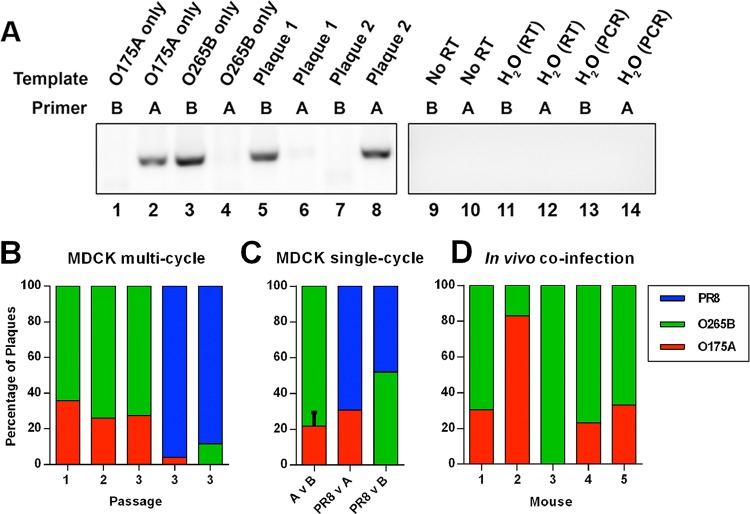
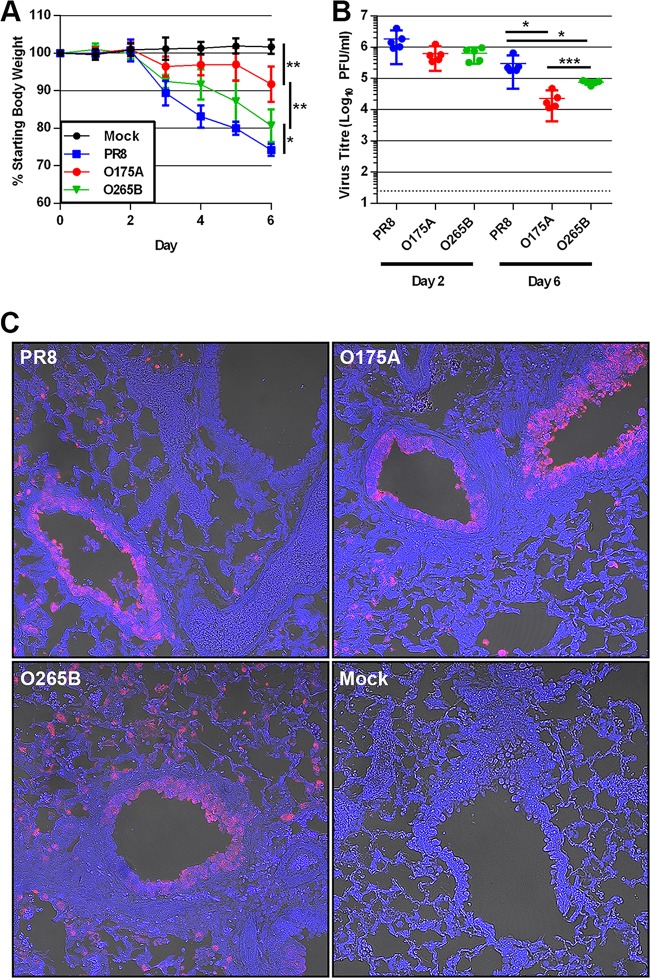
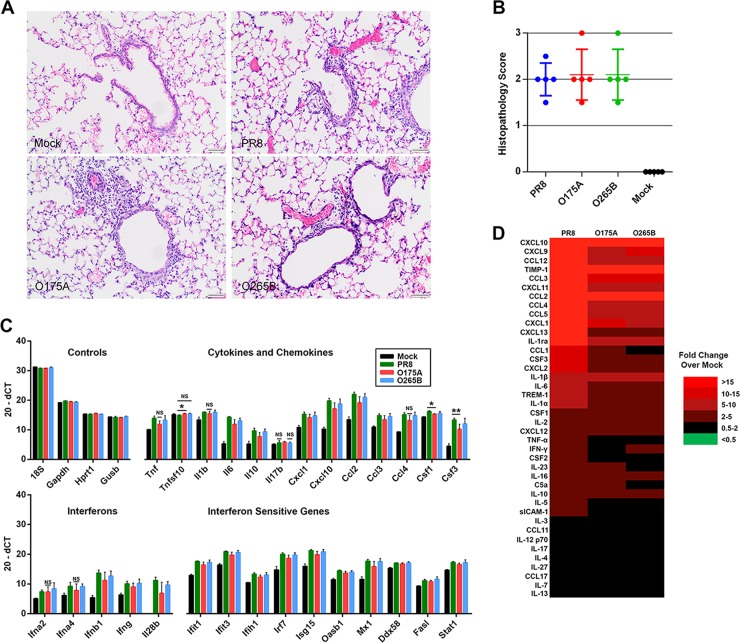
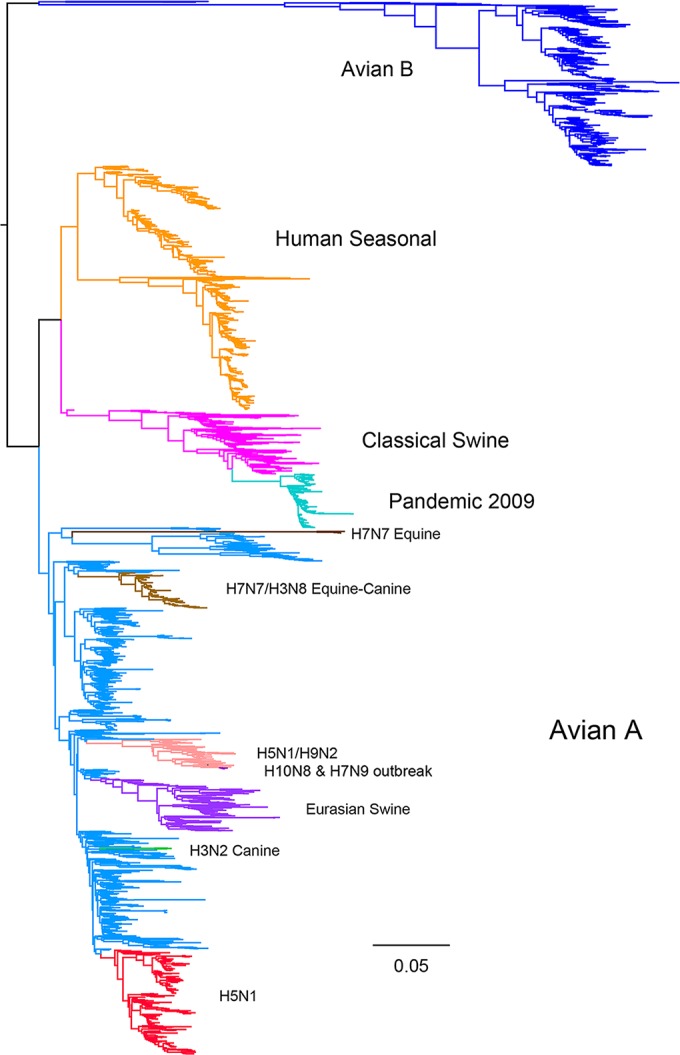
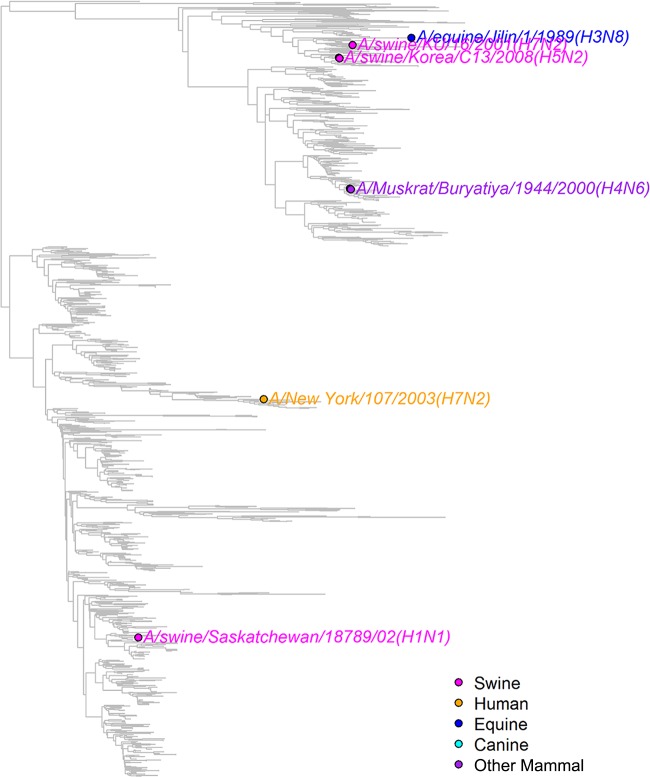
Two alleles of segment 8 (NS) circulate in nonchiropteran influenza A viruses. The A allele is found in avian and mammalian viruses, but the B allele is viewed as being almost exclusively found in avian viruses. This might reflect the fact that one or both of its encoded proteins (NS1 and NEP) are maladapted for replication in mammalian hosts. To test this, a number of clade A and B avian virus-derived NS segments were introduced into human H1N1 and H3N2 viruses. In no case was the peak virus titer substantially reduced following infection of various mammalian cell types. Exemplar reassortant viruses also replicated to similar titers in mice, although mice infected with viruses with the avian virus-derived segment 8s had reduced weight loss compared to that achieved in mice infected with the A/Puerto Rico/8/1934 (H1N1) parent. In vitro, the viruses coped similarly with type I interferons. Temporal proteomics analysis of cellular responses to infection showed that the avian virus-derived NS segments provoked lower levels of expression of interferon-stimulated genes in cells than wild type-derived NS segments. Thus, neither the A nor the B allele of avian virus-derived NS segments necessarily attenuates virus replication in a mammalian host, although the alleles can attenuate disease. Phylogenetic analyses identified 32 independent incursions of an avian virus-derived A allele into mammals, whereas 6 introductions of a B allele were identified. However, A-allele isolates from birds outnumbered B-allele isolates, and the relative rates of Aves-to-Mammalia transmission were not significantly different. We conclude that while the introduction of an avian virus segment 8 into mammals is a relatively rare event, the dogma of the B allele being especially restricted is misleading, with implications in the assessment of the pandemic potential of avian influenza viruses.
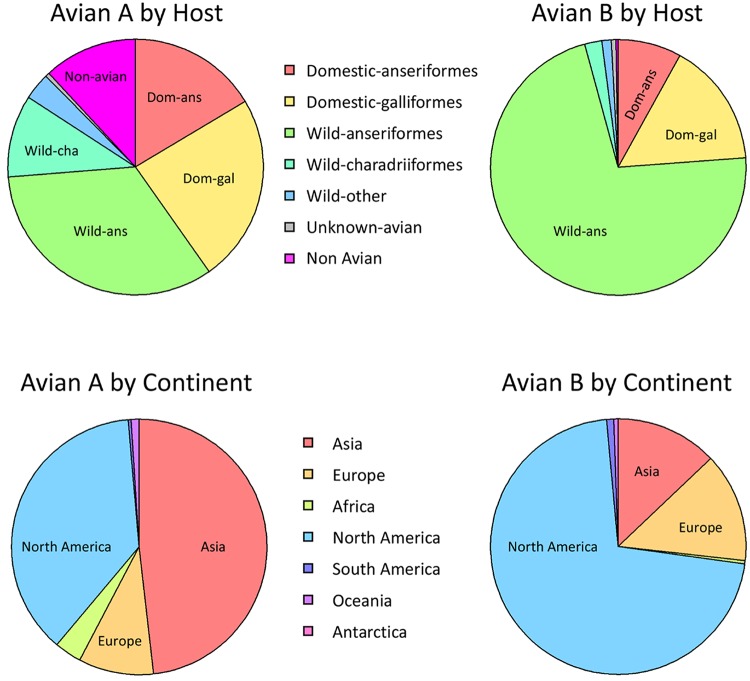
Influenza A virus (IAV) can adapt to poultry and mammalian species, inflicting a great socioeconomic burden on farming and health care sectors. Host adaptation likely involves multiple viral factors. Here, we investigated the role of IAV segment 8. Segment 8 has evolved into two distinct clades: the A and B alleles. The B-allele genes have previously been suggested to be restricted to avian virus species. We introduced a selection of avian virus A- and B-allele segment 8s into human H1N1 and H3N2 virus backgrounds and found that these reassortant viruses were fully competent in mammalian host systems. We also analyzed the currently available public data on the segment 8 gene distribution and found surprisingly little evidence for specific avian host restriction of the B-clade segment. We conclude that B-allele segment 8 genes are, in fact, capable of supporting infection in mammals and that they should be considered during the assessment of the pandemic risk of zoonotic influenza A viruses.
第8节段(NS)的两个等位基因在非翼手目甲型流感病毒中传播。A等位基因存在于禽源和哺乳动物源病毒中,但B等位基因几乎仅存在于禽源病毒中。这可能反映出其编码的一种或两种蛋白质(NS1和NEP)不适合在哺乳动物宿主中复制。为了验证这一点,将一些A和B分支禽源病毒衍生的NS节段引入人H1N1和H3N2病毒中。在感染各种哺乳动物细胞类型后,病毒滴度峰值均未大幅降低。典型的重配病毒在小鼠中也能复制到相似的滴度,尽管与感染A/波多黎各/8/1934(H1N1)亲本病毒的小鼠相比,感染含有禽源病毒衍生第8节段的病毒的小鼠体重减轻较少。在体外,这些病毒对I型干扰素的应对方式相似。对细胞感染反应的时序蛋白质组学分析表明,禽源病毒衍生的NS节段在细胞中引发的干扰素刺激基因表达水平低于野生型衍生的NS节段。因此,禽源病毒衍生的NS节段的A和B等位基因不一定会减弱病毒在哺乳动物宿主中的复制,尽管这些等位基因可以减轻疾病症状。系统发育分析确定有32次禽源病毒衍生的A等位基因独立侵入哺乳动物,而B等位基因有6次侵入。然而,来自鸟类的A等位基因分离株数量超过B等位基因分离株,且从鸟类到哺乳动物的传播相对速率并无显著差异。我们得出结论,虽然将禽源病毒第8节段引入哺乳动物是相对罕见的事件,但认为B等位基因特别受限的观点具有误导性,这对评估甲型禽流感病毒的大流行潜力具有重要意义。
甲型流感病毒(IAV)可适应家禽和哺乳动物物种,给农业和医疗保健部门带来巨大的社会经济负担。宿主适应性可能涉及多种病毒因素。在此,我们研究了IAV第8节段的作用。第8节段已进化为两个不同的分支:A和B等位基因。此前有观点认为B等位基因的基因仅限于禽源病毒物种。我们将一系列禽源病毒A和B等位基因的第8节段引入人H1N1和H3N2病毒背景中,发现这些重配病毒在哺乳动物宿主系统中具有完全的感染能力。我们还分析了目前关于第8节段基因分布的公开数据,令人惊讶的是,几乎没有证据表明B分支节段存在特定的禽源宿主限制。我们得出结论,事实上,B等位基因的第8节段基因能够支持在哺乳动物中的感染,在评估人畜共患甲型流感病毒的大流行风险时应予以考虑。