Liu Ping, Yang Xiao, Hei Changchun, Meli Yvonne, Niu Jianguo, Sun Tao, Li P Andy
1. Department of Endocrinology, General Hospital of Ningxia Medical University, Yinchuan 750004, China; 2. Department of Pharmaceutical Sciences, Biomanufacturing Research Institute Biotechnology Enterprise (BRITE), North Carolina Central University, 1801 Fayetteville Street, Durham, NC 27707, USA.
3. Neuroscience Center, General Hospital of Ningcia Medical University, and Key Laboratory of Craniocerebral Diseases of Ningxia Hui Autonomous Region, Yinchuan 750004, China; 2. Department of Pharmaceutical Sciences, Biomanufacturing Research Institute Biotechnology Enterprise (BRITE), North Carolina Central University, 1801 Fayetteville Street, Durham, NC 27707, USA.
Int J Biol Sci. 2016 Jul 18;12(8):1032-40. doi: 10.7150/ijbs.15624. eCollection 2016.
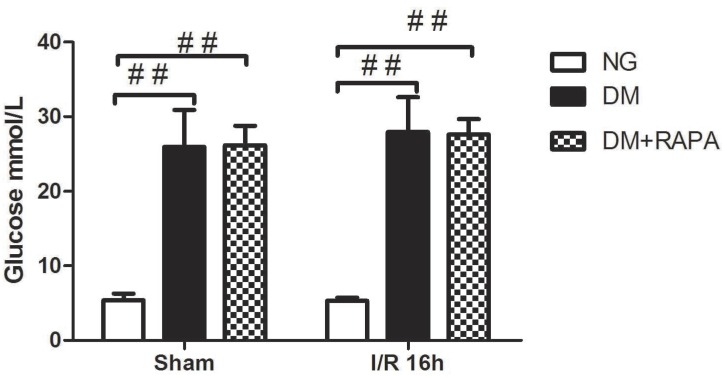
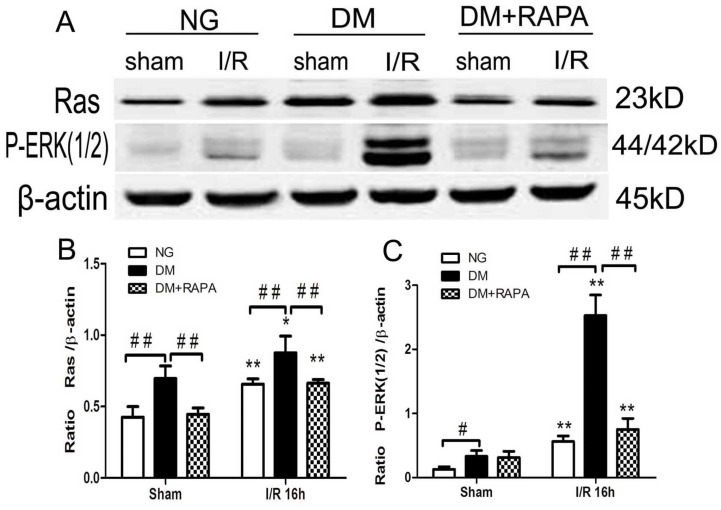
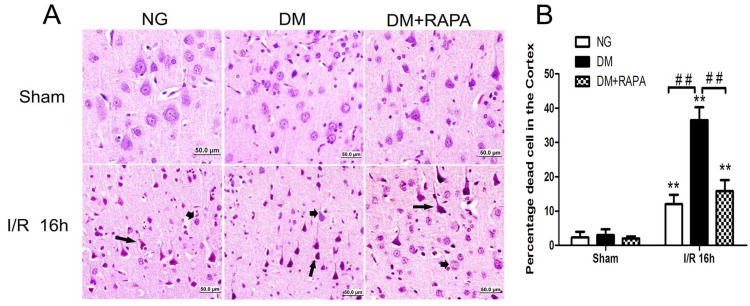
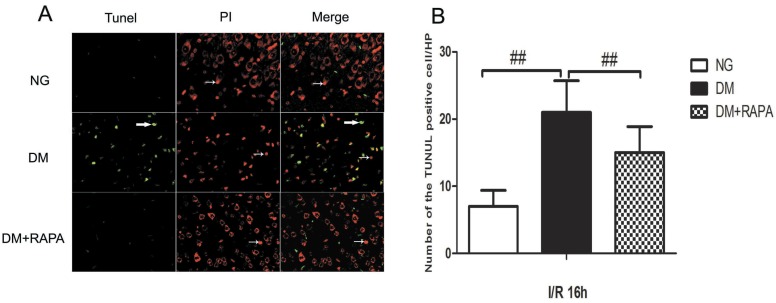
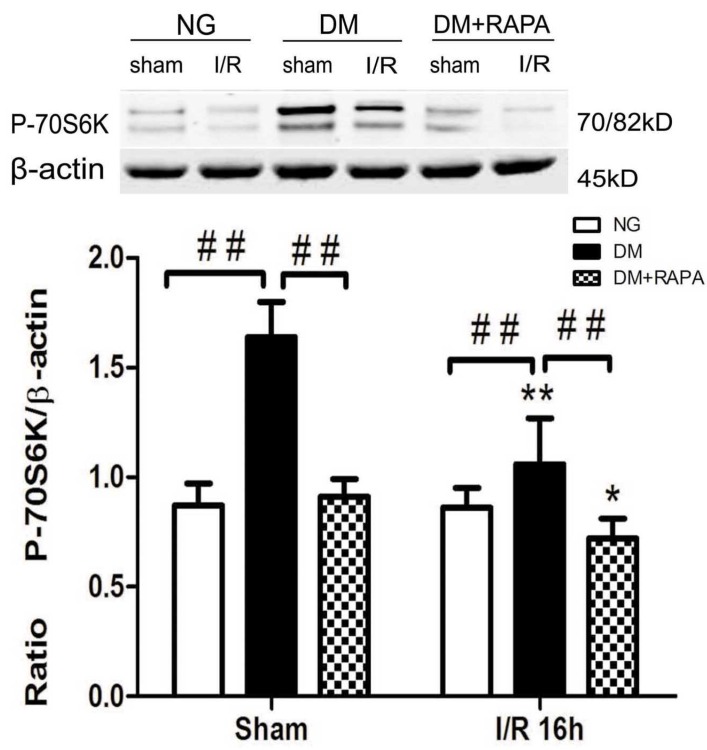
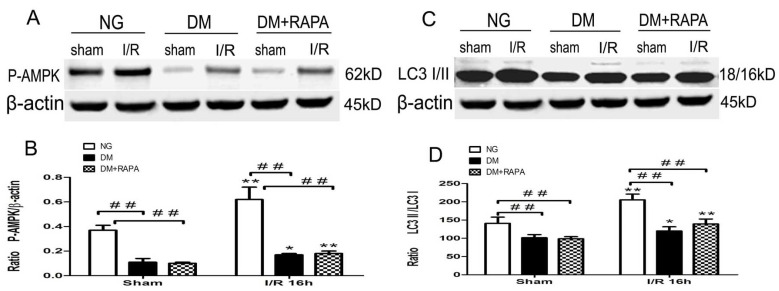
The objectives of the present study are to investigate the activation of mTOR and ERK1/2 signaling after cerebral ischemia in diabetic rats and to examine the neuroprotective effects of rapamycin. Ten minutes transient global cerebral ischemia was induced in straptozotocin-induced diabetic hyperglycemic rats and non-diabetic, euglycemic rats. Brain samples were harvested after 16 h of reperfusion. Rapamycin or vehicle was injected 1 month prior to the induction of ischemia. The results showed that diabetes increased ischemic neuronal cell death and associated with elevations of p-P70S6K and Ras/ERK1/2 and suppression of p-AMPKα. Rapamycin ameliorated diabetes-enhanced ischemic brain damage and suppressed phosphorylation of P70S6K and ERK1/2. It is concluded that diabetes activates mTOR and ERK1/2 signaling pathways in rats subjected to transient cerebral ischemia and inhibition of mTOR by rapamycin reduces ischemic brain damage and suppresses the mTOR and ERK1/2 signaling in diabetic settings.
本研究的目的是调查糖尿病大鼠脑缺血后mTOR和ERK1/2信号通路的激活情况,并检测雷帕霉素的神经保护作用。通过链脲佐菌素诱导糖尿病高血糖大鼠和非糖尿病正常血糖大鼠,使其经历10分钟的短暂全脑缺血。再灌注16小时后采集脑样本。在缺血诱导前1个月注射雷帕霉素或赋形剂。结果显示,糖尿病增加了缺血性神经元细胞死亡,并与p-P70S6K和Ras/ERK1/2的升高以及p-AMPKα的抑制有关。雷帕霉素改善了糖尿病加重的缺血性脑损伤,并抑制了P70S6K和ERK1/2的磷酸化。结论是,糖尿病激活了短暂性脑缺血大鼠的mTOR和ERK1/2信号通路,雷帕霉素抑制mTOR可减轻缺血性脑损伤,并在糖尿病环境中抑制mTOR和ERK1/2信号通路。