Li Dan, Liu Yajin, Zhang Xu, Lv Huizhen, Pang Wei, Sun Xiaoli, Gan Li-Ming, Hammock Bruce D, Ai Ding, Zhu Yi
Department of Physiology and Pathophysiology, Peking University Health Science Center, Beijing 100191, China.
Collaborative Innovation Center of Tianjin for Medical Epigenetics and Department of Physiology and Pathophysiology, Tianjin Medical University, Tianjin 300070, China.
J Mol Cell Cardiol. 2016 Sep;98:128-37. doi: 10.1016/j.yjmcc.2016.08.001. Epub 2016 Aug 3.
Circulating monocytes play pivotal roles in chronic inflammatory diseases. Epoxyeicosatrienoic acids (EETs), metabolites of arachidonic acid, are known to have anti-inflammatory effects and are hydrolyzed by soluble epoxide hydrolase (sEH).
We aimed to investigate the effect of sEH inhibition in atherogenesis.
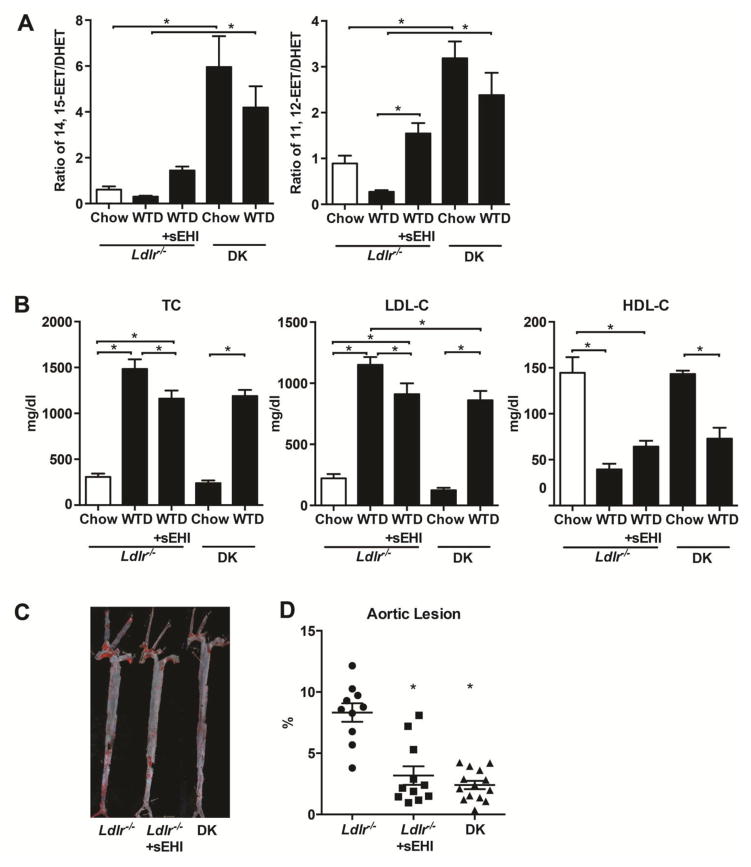
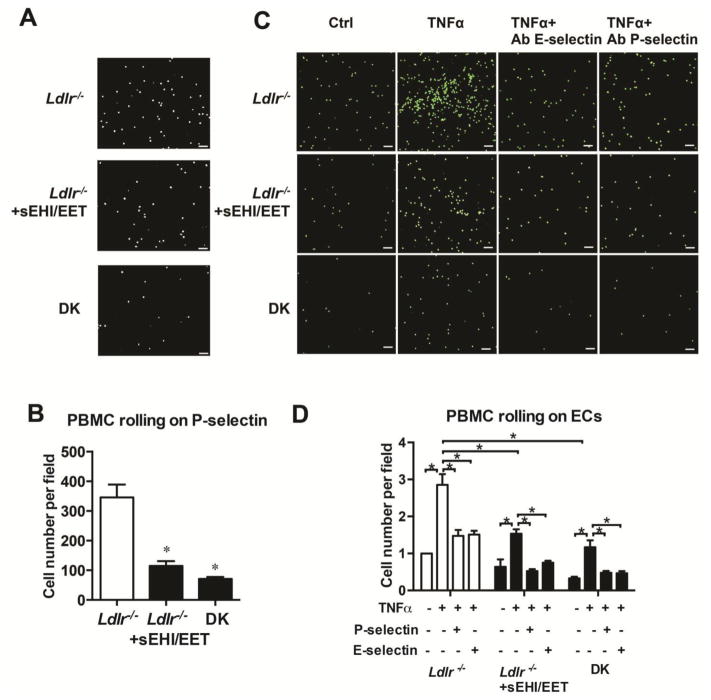
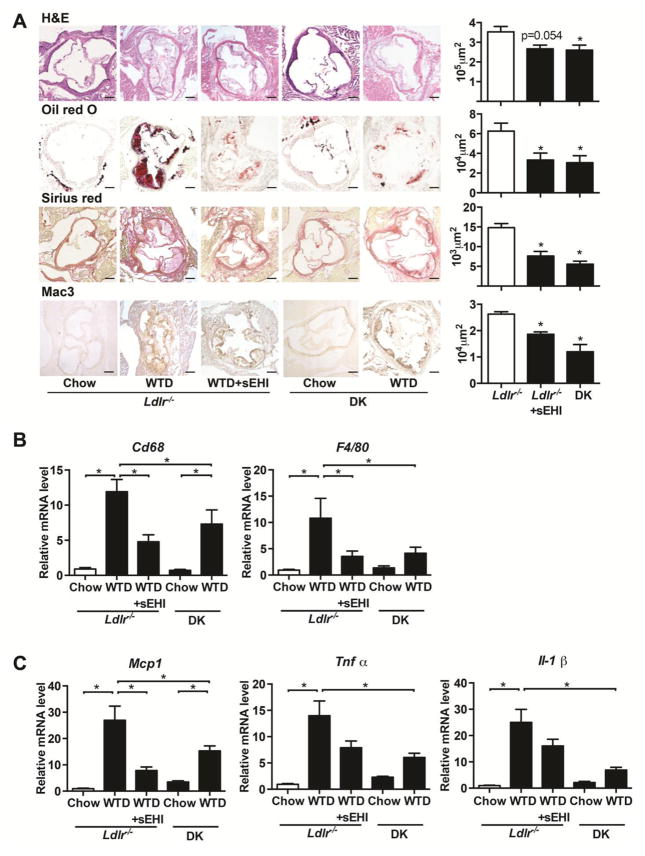
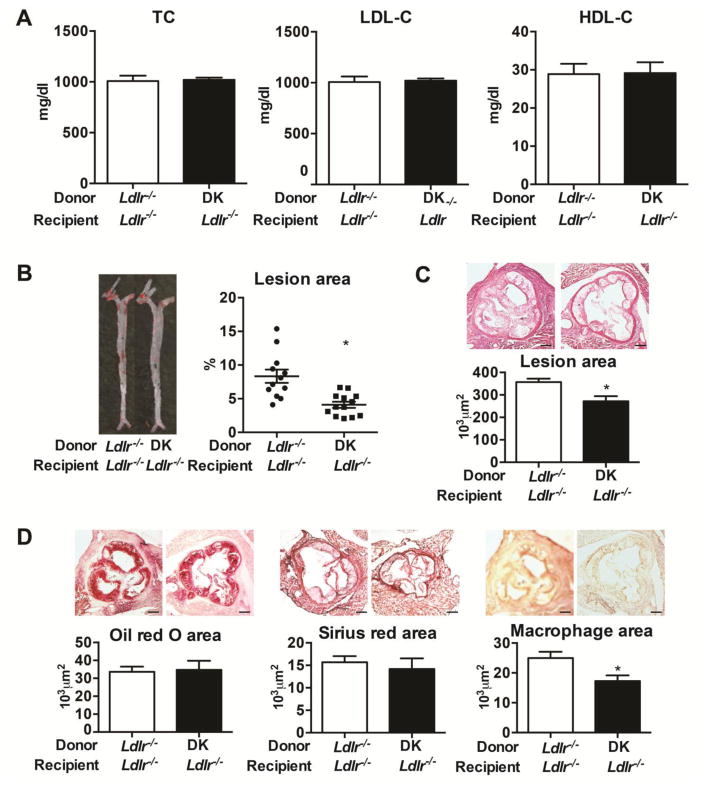
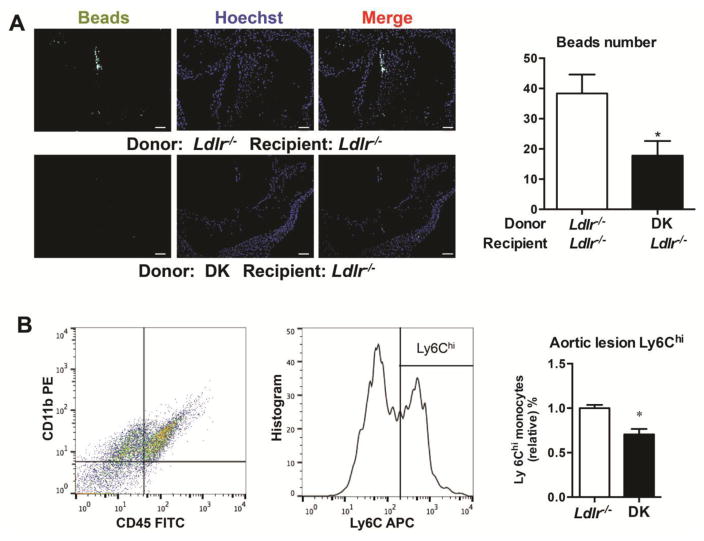
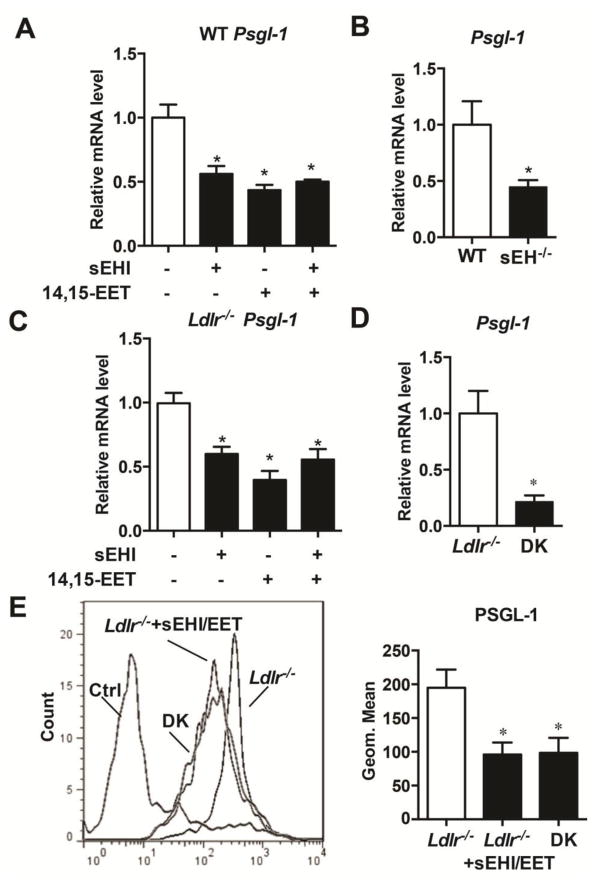
Mice with low-density lipoprotein receptor deficiency (Ldlr(-/-)) with or without sEH inhibitor, and Ldlr/sEH double-knockout (DK) mice were fed a Western-type diet (WTD) for 6weeks to induce arteriosclerosis. Both sEH inhibition and gene depletion decreased the WTD-induced hyperlipidemia, plaque area and macrophage infiltration in mice arterial wall. Ly6C(hi) infiltration of monocytes remained similar in blood, spleen and bone marrow of DK mice, but was decreased in aortic lesions. To further assess the role of sEH or EETs in monocyte/macrophage infiltration in atherogenesis, we transplanted DK bone marrow into Ldlr(-/-) recipients, and then fed mice the WTD. Aortic lesions and Ly6C(hi) monocyte infiltration were reduced in mice with transplanted bone marrow of DK mice without diminishing the cholesterol level. Furthermore, sEH inhibition or gene depletion increased the ratio of EETs/DHETs and diminished the expression of P-selectin glycoprotein ligand 1 (PSGL-1) in mice peripheral-blood mononuclear cells. Monocyte adhesion to P-selectin and to tumor necrosis factor α-activated endothelial cells was also diminished by sEH inhibition.
sEH inhibition and gene depletion attenuated atherosclerosis in mice by decreasing the infiltration of monocytes into the artery wall. EET and PSGL-1 may play pivotal roles in monocyte/macrophage infiltration and atherogenesis.
循环单核细胞在慢性炎症性疾病中起关键作用。环氧二十碳三烯酸(EETs)是花生四烯酸的代谢产物,已知具有抗炎作用,并可被可溶性环氧化物水解酶(sEH)水解。
我们旨在研究sEH抑制在动脉粥样硬化发生过程中的作用。
将低密度脂蛋白受体缺陷(Ldlr(-/-))小鼠,分别给予或不给予sEH抑制剂,以及Ldlr/sEH双敲除(DK)小鼠,喂食西式饮食(WTD)6周以诱导动脉硬化。sEH抑制和基因缺失均降低了WTD诱导的小鼠高脂血症、斑块面积以及动脉壁中的巨噬细胞浸润。DK小鼠血液、脾脏和骨髓中Ly6C(hi)单核细胞的浸润情况保持相似,但在主动脉病变中减少。为了进一步评估sEH或EETs在动脉粥样硬化发生过程中单核细胞/巨噬细胞浸润中的作用,我们将DK小鼠的骨髓移植到Ldlr(-/-)受体小鼠中,然后给小鼠喂食WTD。移植了DK小鼠骨髓的小鼠主动脉病变和Ly6C(hi)单核细胞浸润减少,而胆固醇水平未降低。此外,sEH抑制或基因缺失增加了小鼠外周血单核细胞中EETs/DHETs的比例,并降低了P-选择素糖蛋白配体1(PSGL-1)的表达。sEH抑制还减少了单核细胞与P-选择素以及肿瘤坏死因子α激活的内皮细胞的黏附。
sEH抑制和基因缺失通过减少单核细胞向动脉壁的浸润减轻了小鼠的动脉粥样硬化。EET和PSGL-1可能在单核细胞/巨噬细胞浸润和动脉粥样硬化发生过程中起关键作用。