McGuire Victoria A, Ruiz-Zorrilla Diez Tamara, Emmerich Christoph H, Strickson Sam, Ritorto Maria Stella, Sutavani Ruhcha V, Weiβ Anne, Houslay Kirsty F, Knebel Axel, Meakin Paul J, Phair Iain R, Ashford Michael L J, Trost Matthias, Arthur J Simon C
Division of Cell Signaling and Immunology, School of Life Sciences, Wellcome Trust Building, University of Dundee, Dow St, Dundee, DD1 5EH, UK.
Department of Chemistry and Biochemistry, Faculty of Pharmacy, CEU San Pablo University, Urbanización Montepríncipe, 28668 Madrid, Spain.
Sci Rep. 2016 Aug 8;6:31159. doi: 10.1038/srep31159.
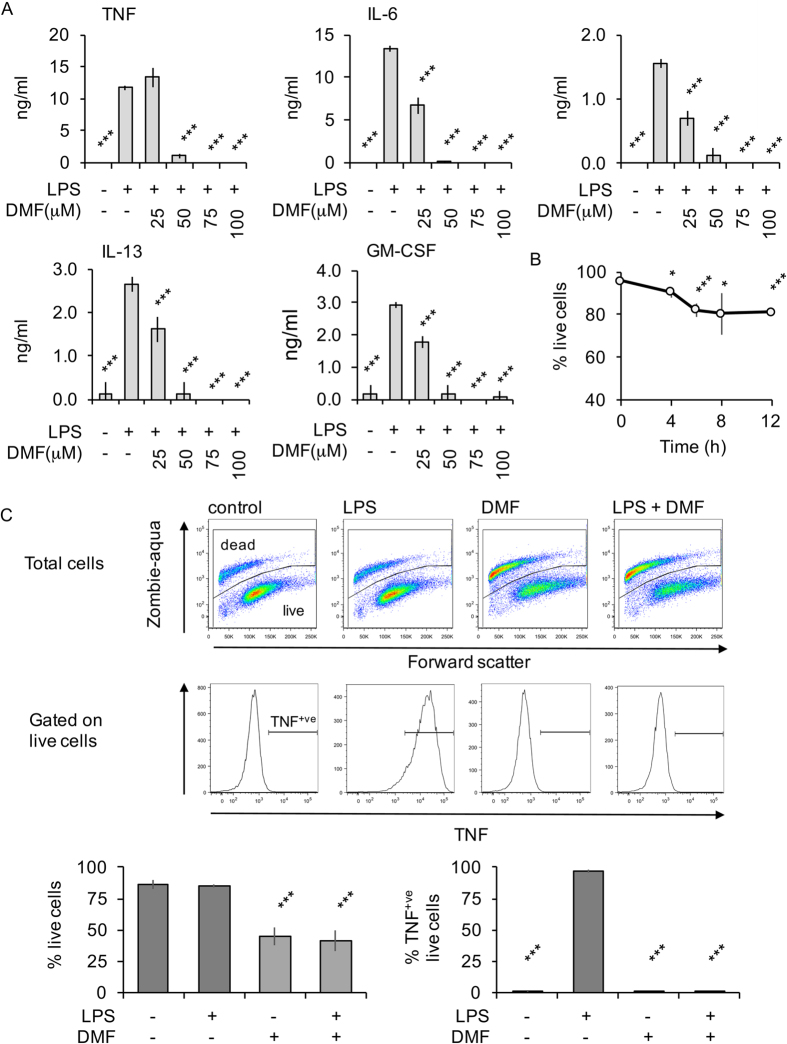
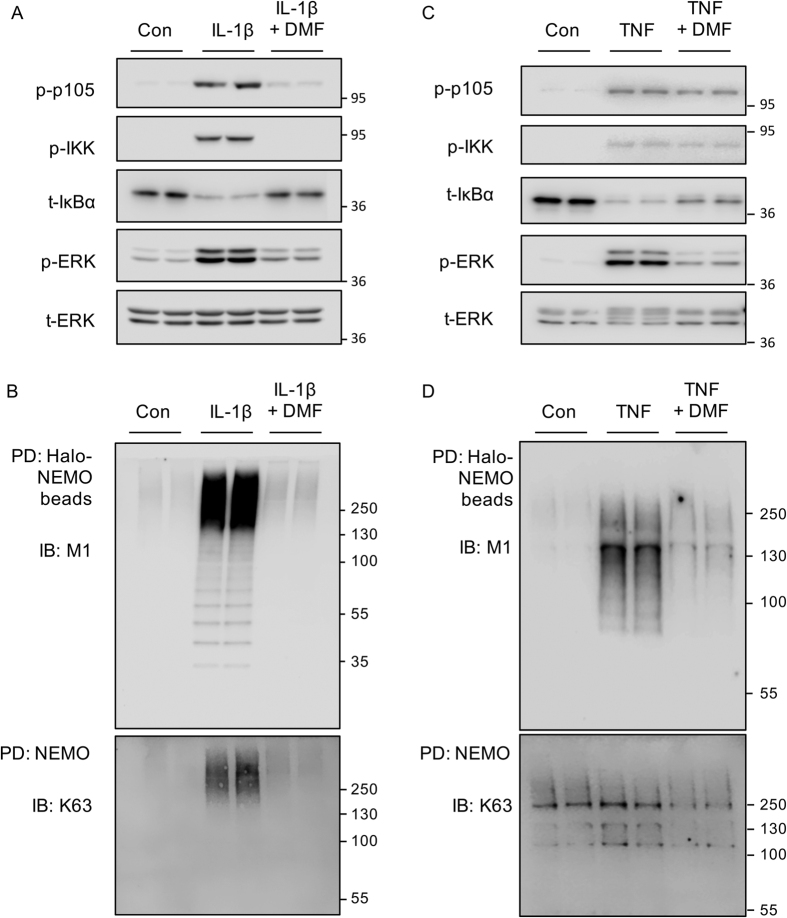
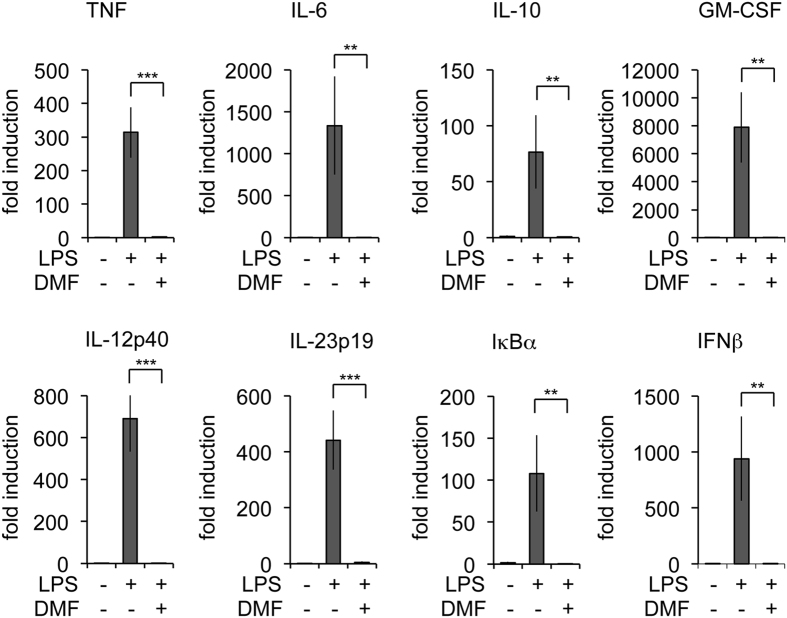
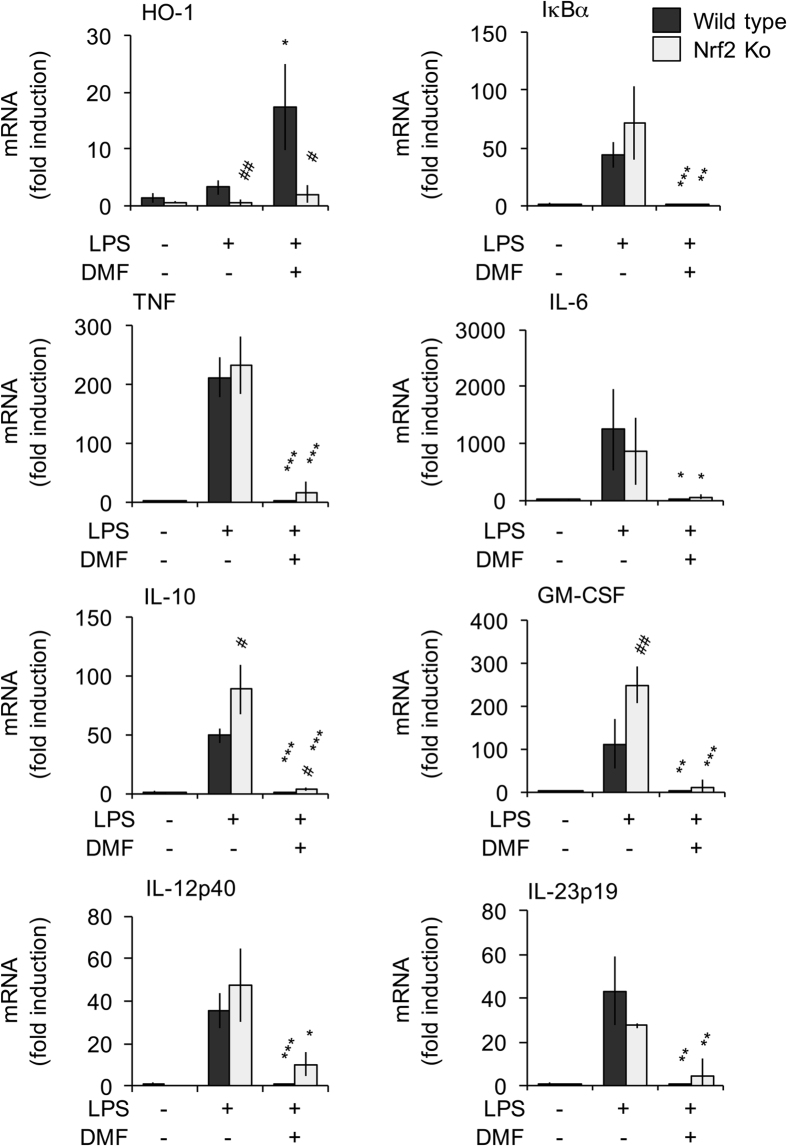
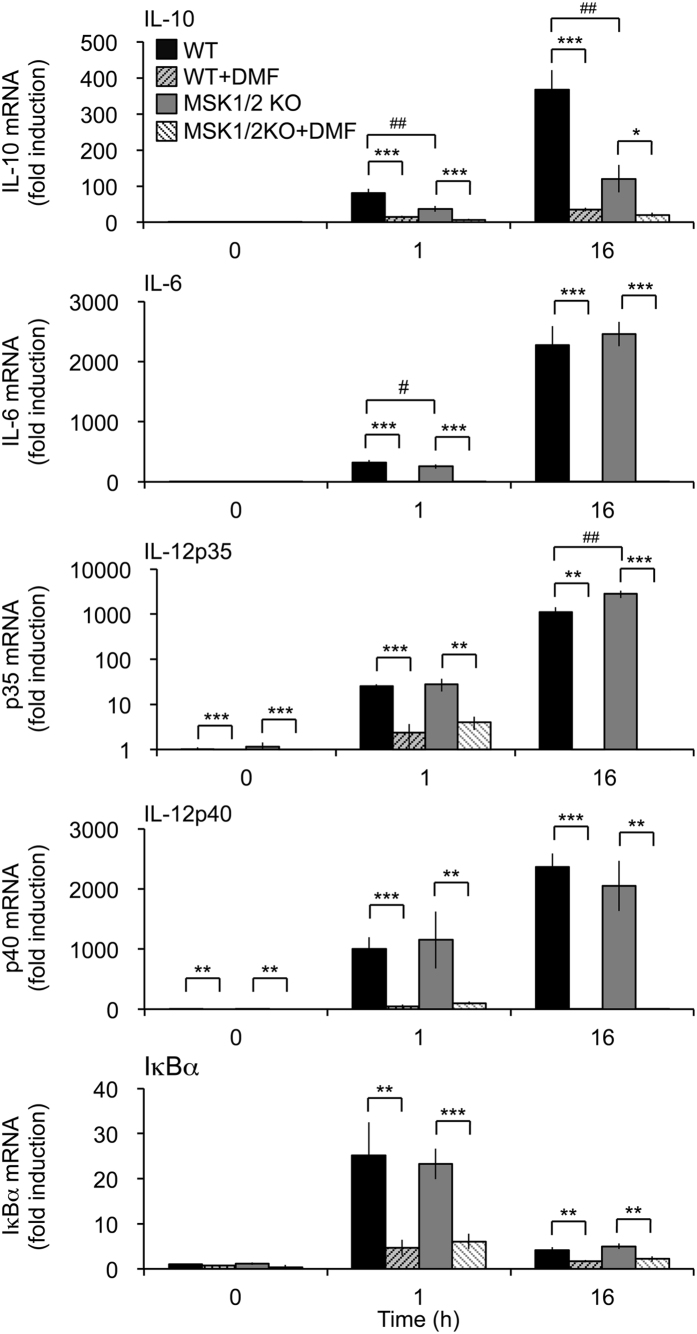
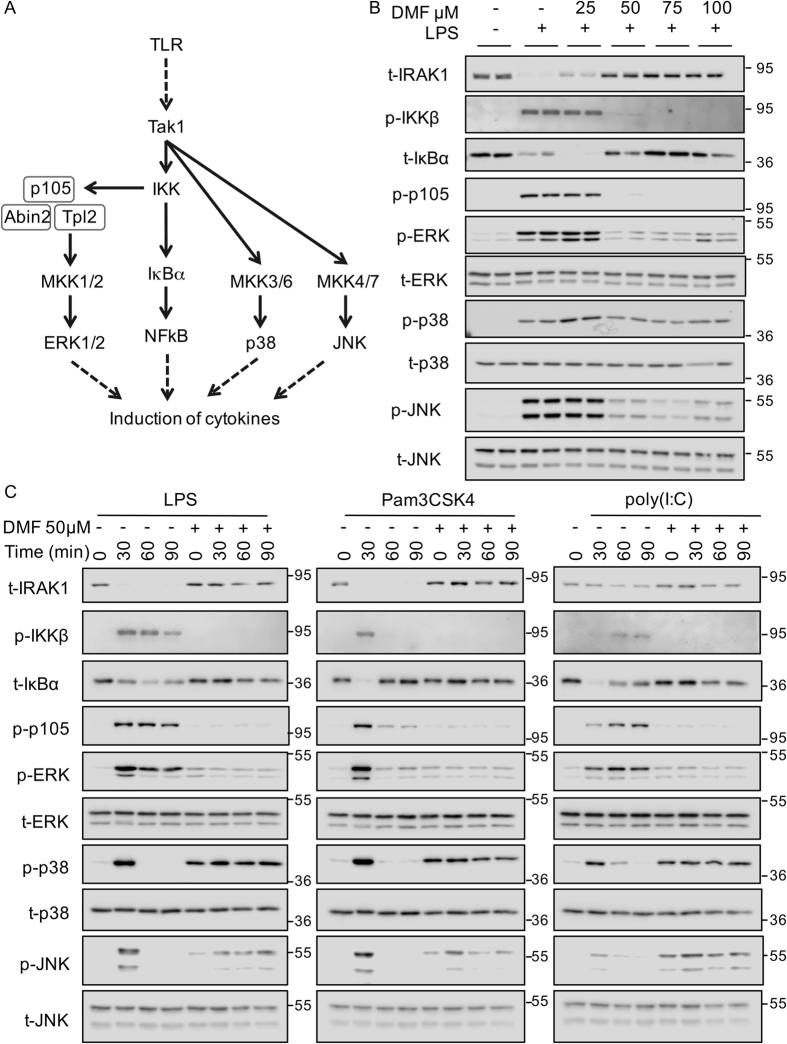
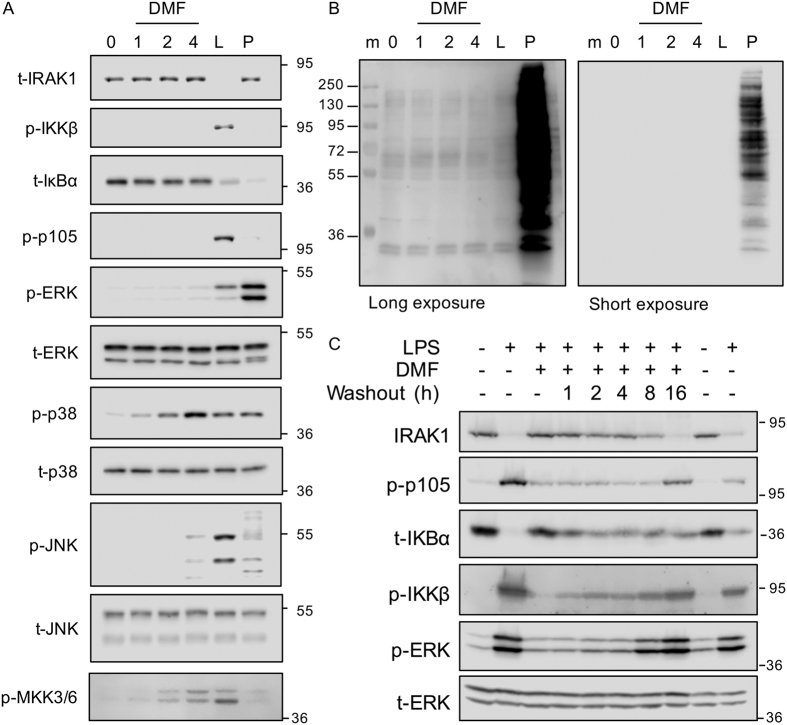
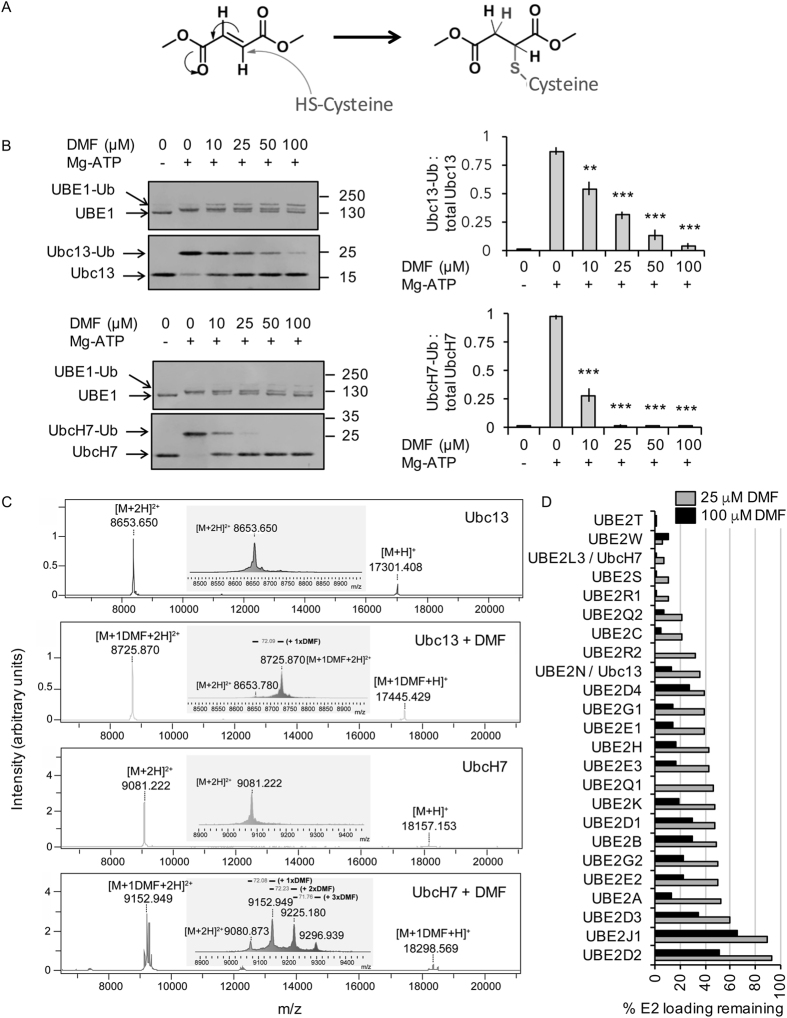
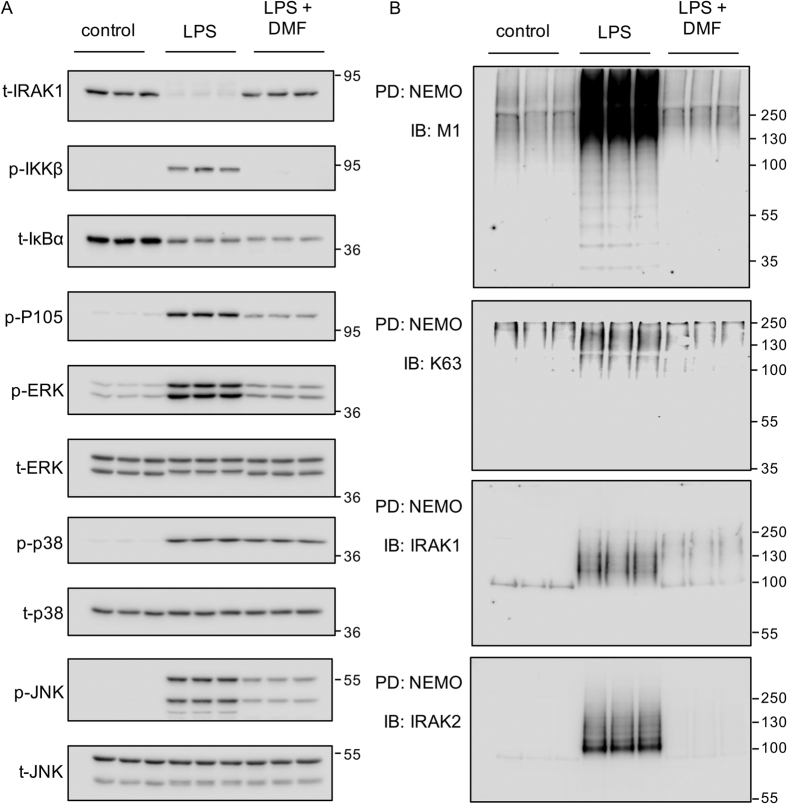
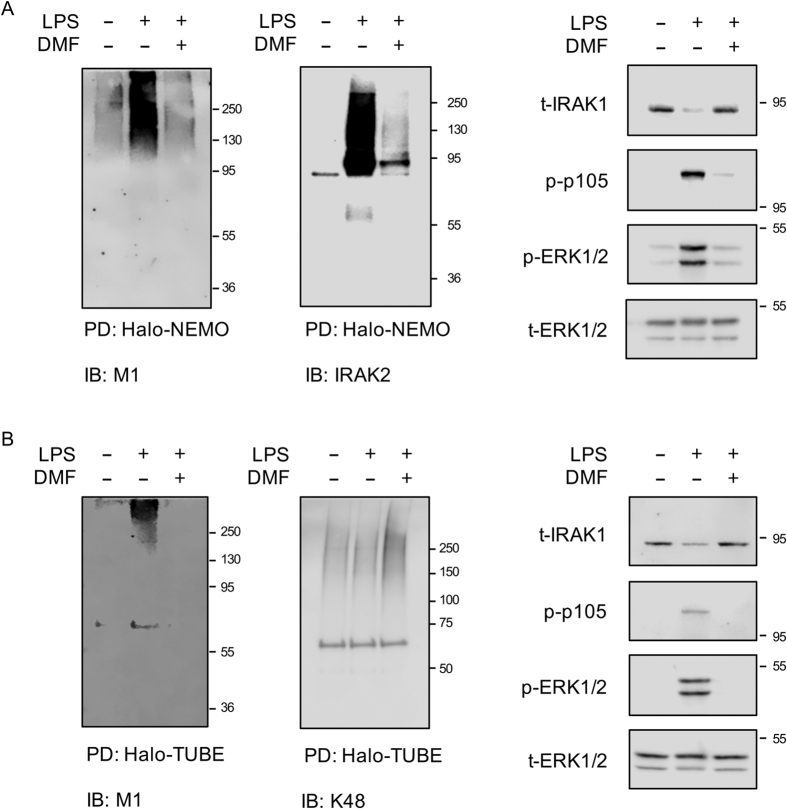
Dimethyl fumarate (DMF) possesses anti-inflammatory properties and is approved for the treatment of psoriasis and multiple sclerosis. While clinically effective, its molecular target has remained elusive - although it is known to activate anti-oxidant pathways. We find that DMF inhibits pro-inflammatory cytokine production in response to TLR agonists independently of the Nrf2-Keap1 anti-oxidant pathway. Instead we show that DMF can inhibit the E2 conjugating enzymes involved in K63 and M1 polyubiquitin chain formation both in vitro and in cells. The formation of K63 and M1 chains is required to link TLR activation to downstream signaling, and consistent with the block in K63 and/or M1 chain formation, DMF inhibits NFκB and ERK1/2 activation, resulting in a loss of pro-inflammatory cytokine production. Together these results reveal a new molecular target for DMF and show that a clinically approved drug inhibits M1 and K63 chain formation in TLR induced signaling complexes. Selective targeting of E2s may therefore be a viable strategy for autoimmunity.
富马酸二甲酯(DMF)具有抗炎特性,已被批准用于治疗银屑病和多发性硬化症。虽然在临床上有效,但其分子靶点仍不清楚——尽管已知它能激活抗氧化途径。我们发现,DMF可独立于Nrf2-Keap1抗氧化途径抑制Toll样受体(TLR)激动剂诱导的促炎细胞因子产生。相反,我们表明,DMF在体外和细胞内均可抑制参与K63和M1多聚泛素链形成的E2共轭酶。K63和M1链的形成是将TLR激活与下游信号传导联系起来所必需的,与K63和/或M1链形成受阻一致,DMF抑制核因子κB(NFκB)和细胞外信号调节激酶1/2(ERK1/2)的激活,导致促炎细胞因子产生减少。这些结果共同揭示了DMF的一个新分子靶点,并表明一种临床批准的药物可抑制TLR诱导的信号复合物中M1和K63链的形成。因此,对E2进行选择性靶向可能是一种可行的自身免疫治疗策略。