Department of Molecular, Cell and Cancer Biology, University of Massachusetts Chan Medical School, Worcester, MA, USA.
J Cell Biol. 2024 Mar 4;223(3). doi: 10.1083/jcb.202310005. Epub 2024 Feb 9.
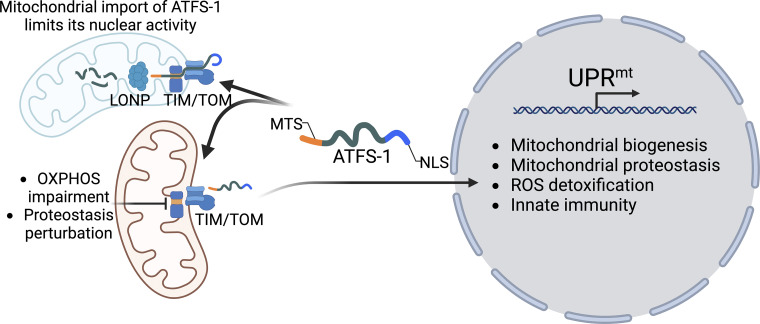
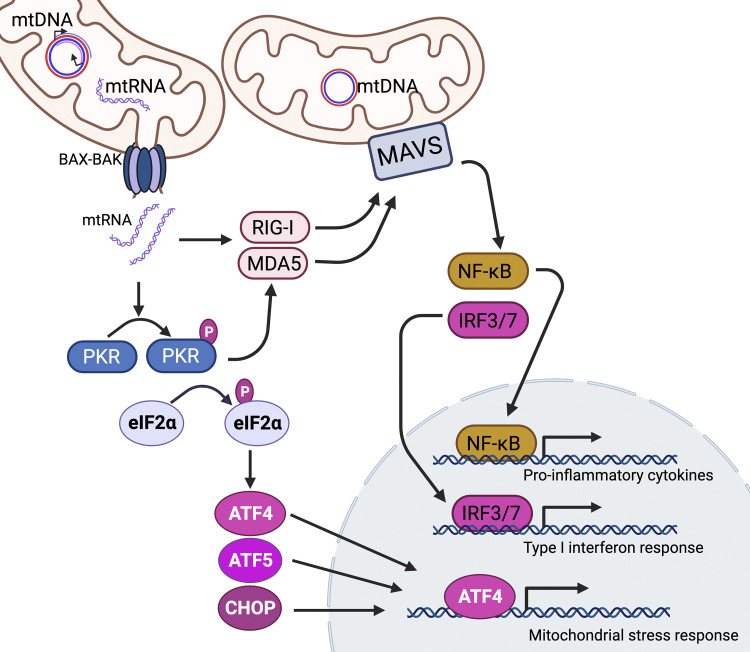
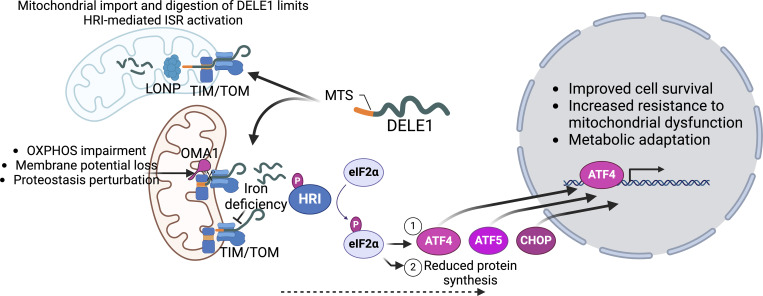
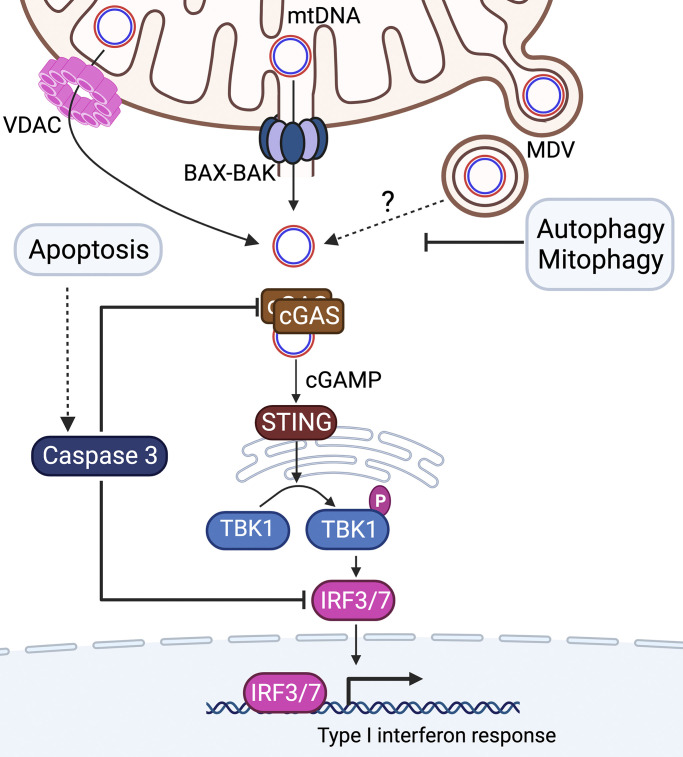
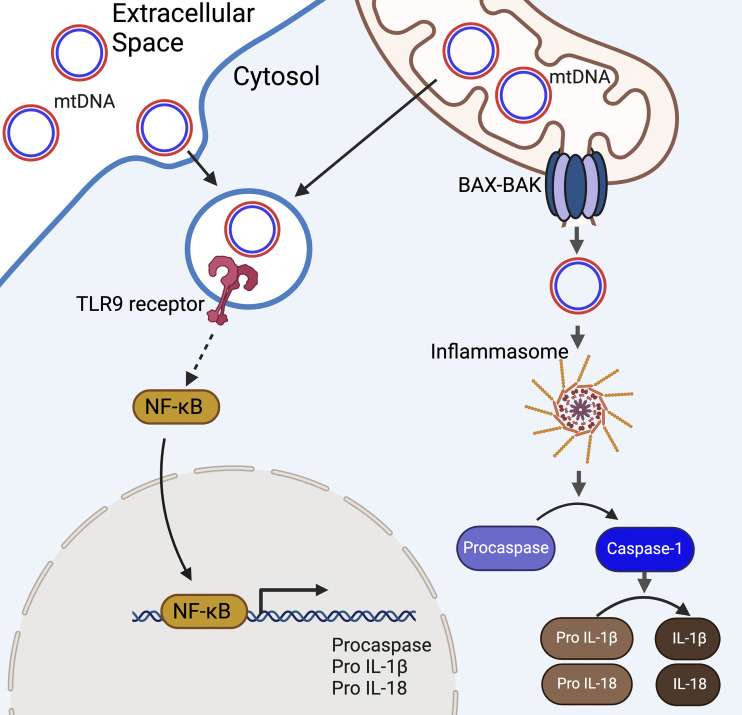
Mitochondria are perhaps best known as the "powerhouse of the cell" for their role in ATP production required for numerous cellular activities. Mitochondria have emerged as an important signaling organelle. Here, we first focus on signaling pathways mediated by mitochondria-nuclear communication that promote protein homeostasis (proteostasis). We examine the mitochondrial unfolded protein response (UPRmt) in C. elegans, which is regulated by a transcription factor harboring both a mitochondrial- and nuclear-targeting sequence, the integrated stress response in mammals, as well as the regulation of chromatin by mitochondrial metabolites. In the second section, we explore the role of mitochondria-to-nuclear communication in the regulation of innate immunity and inflammation. Perhaps related to their prokaryotic origin, mitochondria harbor molecules also found in viruses and bacteria. If these molecules accumulate in the cytosol, they elicit the same innate immune responses as viral or bacterial infection.
线粒体被称为细胞的“动力工厂”,因为它们在细胞的许多活动中都起着产生 ATP 的作用。线粒体已经成为一个重要的信号细胞器。在这里,我们首先关注由线粒体-核通讯介导的信号通路,这些信号通路促进蛋白质稳态(蛋白稳态)。我们研究了秀丽隐杆线虫中的线粒体未折叠蛋白反应 (UPRmt),它受一种同时具有线粒体和核靶向序列的转录因子的调节,哺乳动物中的综合应激反应,以及线粒体代谢物对染色质的调节。在第二部分,我们探讨了线粒体到核通讯在调节先天免疫和炎症中的作用。也许与它们的原核起源有关,线粒体拥有也存在于病毒和细菌中的分子。如果这些分子在细胞质中积累,它们会引发与病毒或细菌感染相同的先天免疫反应。