Nateghi Roshanak, Bricker Jeremy D, Guikema Seth D, Bessho Akane
School of Industrial Engineering and Division of Environmental and Ecological Engineering, Purdue University, West Lafayette, IN, United States of America.
International Research Institute of Disaster Science, Tohoku University, Sendai, Japan.
PLoS One. 2016 Aug 10;11(8):e0158375. doi: 10.1371/journal.pone.0158375. eCollection 2016.
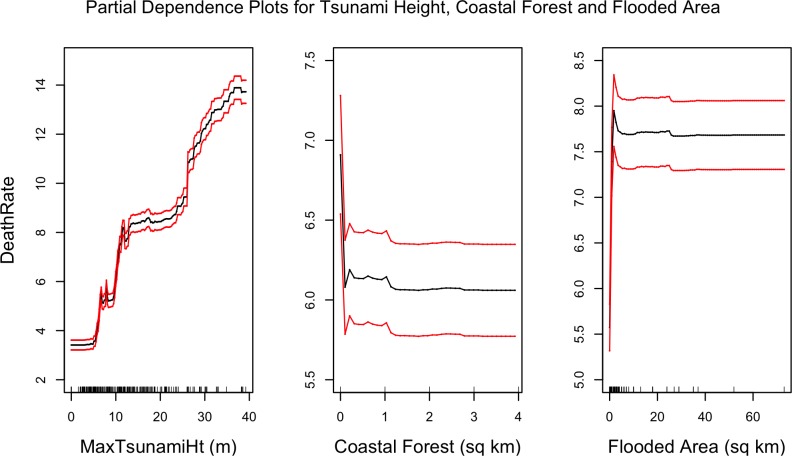
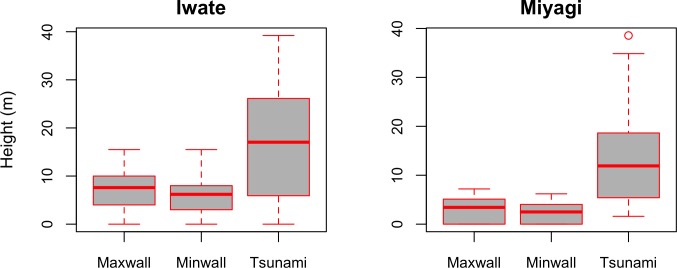
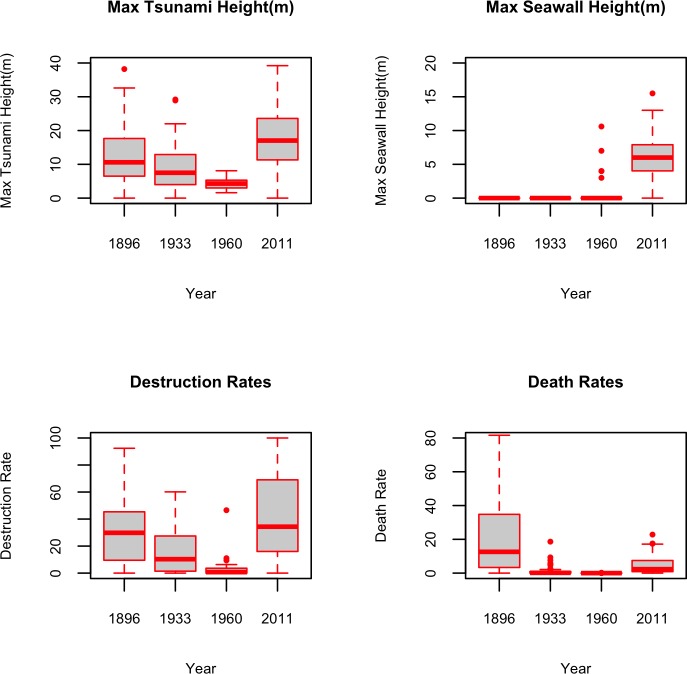
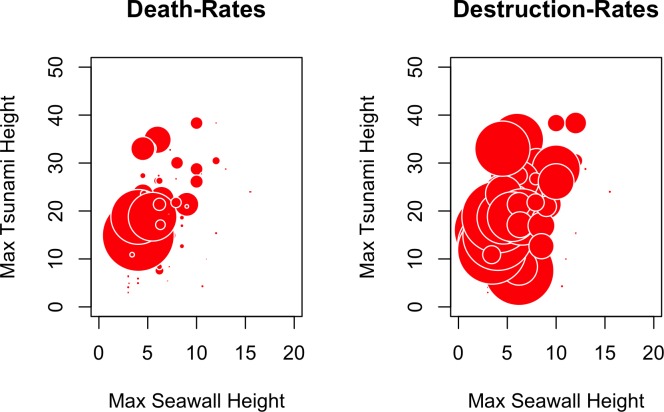
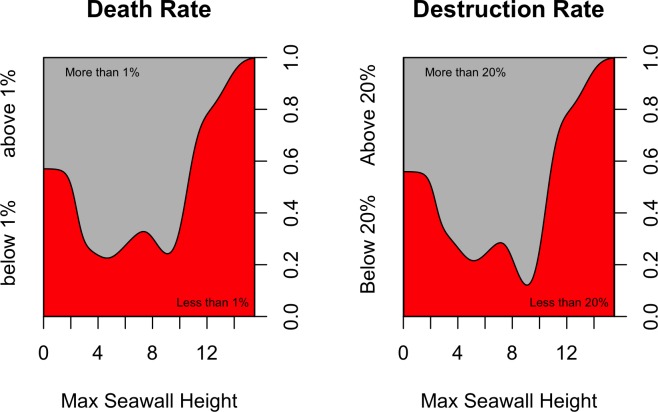
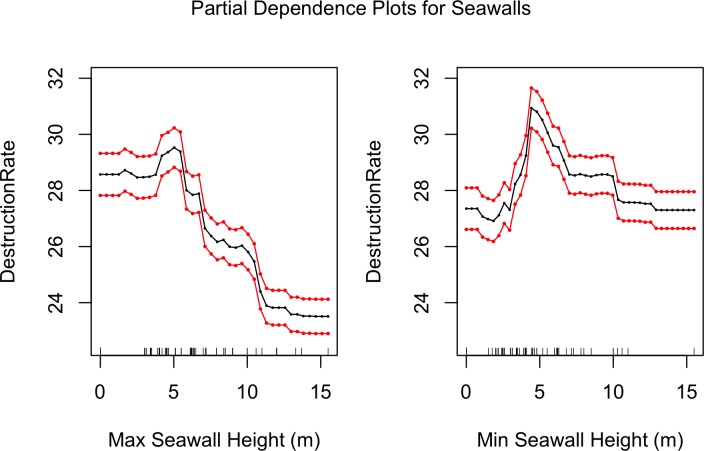
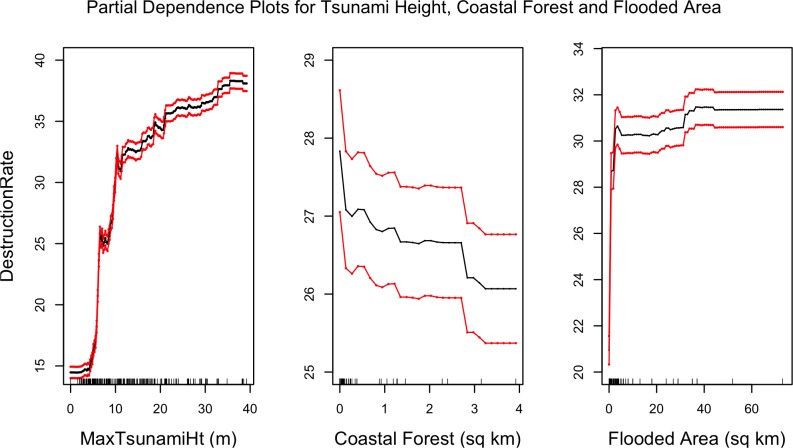
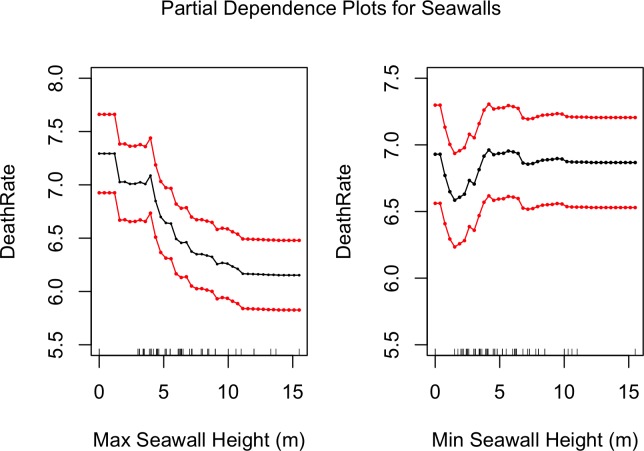
The Pacific coast of the Tohoku region of Japan experiences repeated tsunamis, with the most recent events having occurred in 1896, 1933, 1960, and 2011. These events have caused large loss of life and damage throughout the coastal region. There is uncertainty about the degree to which seawalls reduce deaths and building damage during tsunamis in Japan. On the one hand they provide physical protection against tsunamis as long as they are not overtopped and do not fail. On the other hand, the presence of a seawall may induce a false sense of security, encouraging additional development behind the seawall and reducing evacuation rates during an event. We analyze municipality-level and sub-municipality-level data on the impacts of the 1896, 1933, 1960, and 2011 tsunamis, finding that seawalls larger than 5 m in height generally have served a protective role in these past events, reducing both death rates and the damage rates of residential buildings. However, seawalls smaller than 5 m in height appear to have encouraged development in vulnerable areas and exacerbated damage. We also find that the extent of flooding is a critical factor in estimating both death rates and building damage rates, suggesting that additional measures, such as multiple lines of defense and elevating topography, may have significant benefits in reducing the impacts of tsunamis. Moreover, the area of coastal forests was found to be inversely related to death and destruction rates, indicating that forests either mitigated the impacts of these tsunamis, or displaced development that would otherwise have been damaged.
日本东北地区的太平洋沿岸多次遭受海啸袭击,最近的几次海啸发生在1896年、1933年、1960年和2011年。这些事件在整个沿海地区造成了巨大的生命损失和破坏。在日本,海堤在海啸期间减少死亡人数和建筑物损坏程度的作用程度尚不确定。一方面,只要不被海浪越过且不倒塌,它们就能为抵御海啸提供物理保护。另一方面,海堤的存在可能会引发一种虚假的安全感,鼓励在海堤后面进行更多开发,并在海啸发生时降低疏散率。我们分析了1896年、1933年、1960年和2011年海啸影响的市级和市级以下数据,发现高度超过5米的海堤在过去这些事件中通常起到了保护作用,降低了死亡率和住宅建筑的损坏率。然而,高度小于5米的海堤似乎鼓励了在易受影响地区的开发,并加剧了破坏。我们还发现,洪水泛滥的程度是估计死亡率和建筑物损坏率的关键因素,这表明额外的措施,如多条防线和抬高地形,可能在减少海啸影响方面有显著益处。此外,发现沿海森林面积与死亡率和破坏率呈负相关,这表明森林要么减轻了这些海啸的影响,要么取代了原本会遭受破坏的开发项目。