Ariosa Aileen R, Klionsky Daniel J
Life Sciences Institute, University of Michigan, Ann Arbor, MI, 48109, USA.
J Mol Med (Berl). 2016 Nov;94(11):1217-1227. doi: 10.1007/s00109-016-1461-9. Epub 2016 Aug 20.
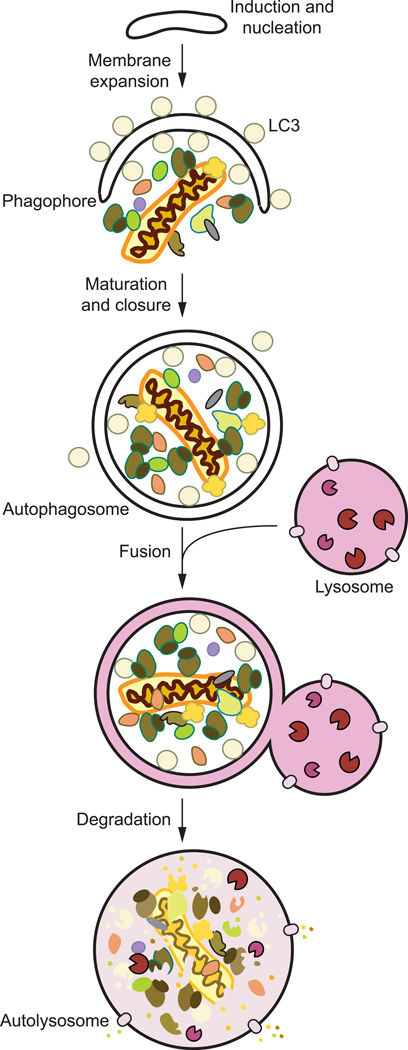
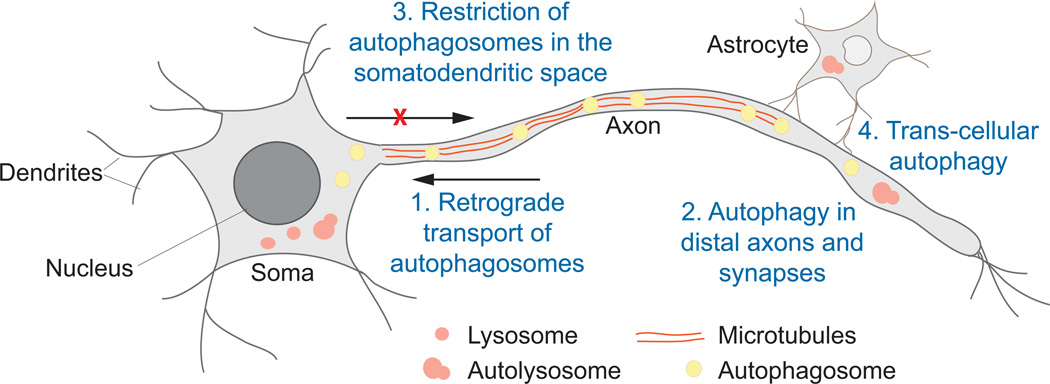
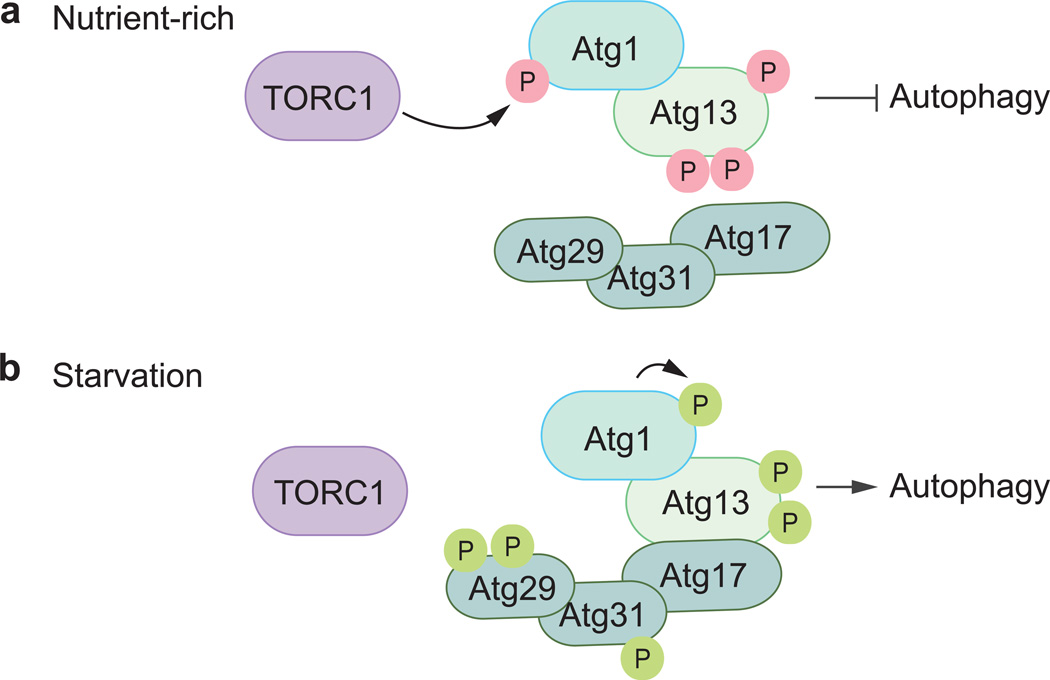
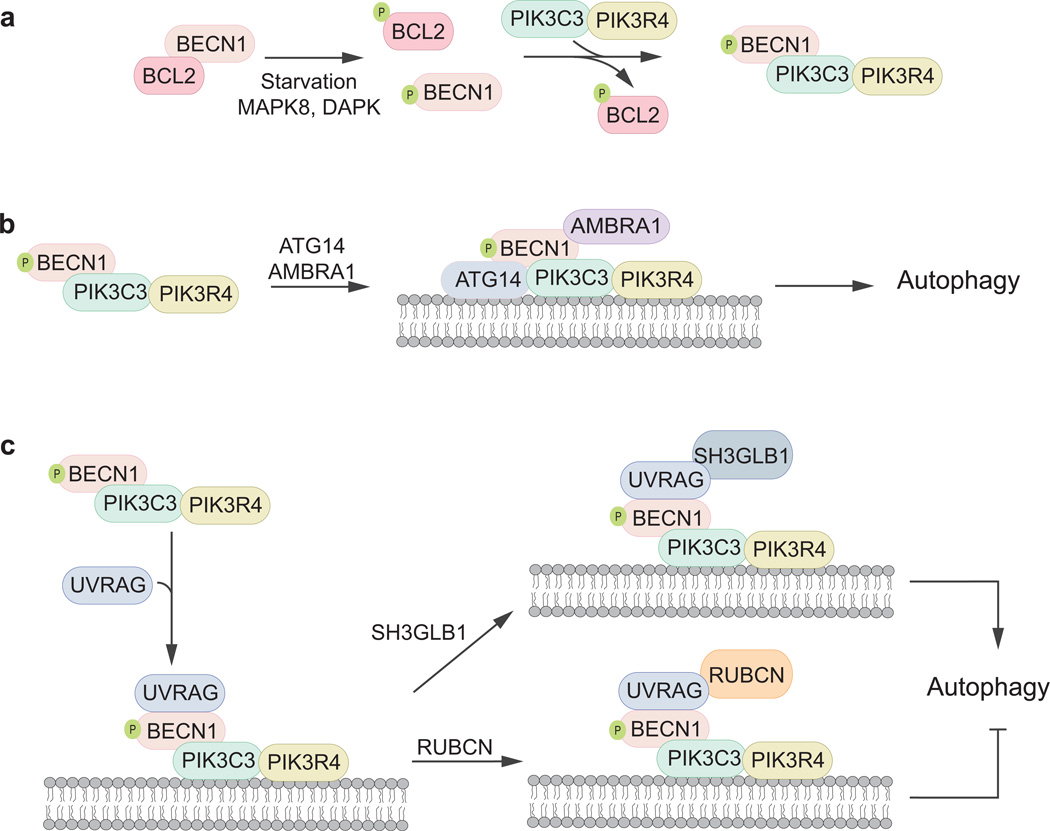
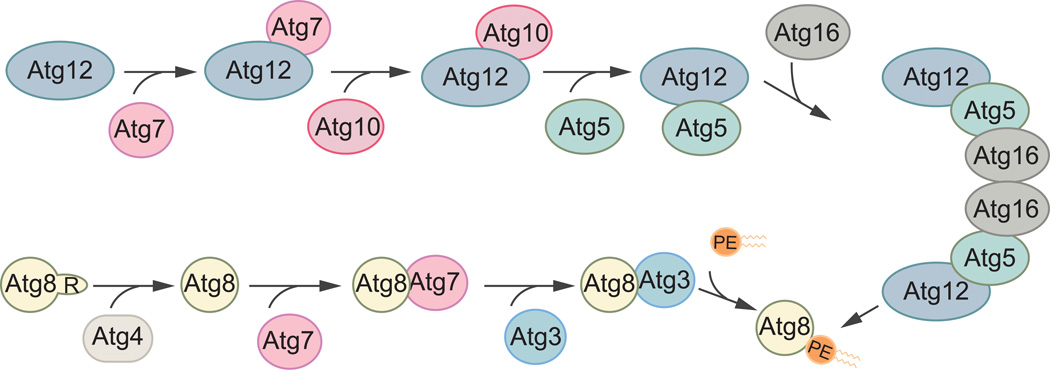
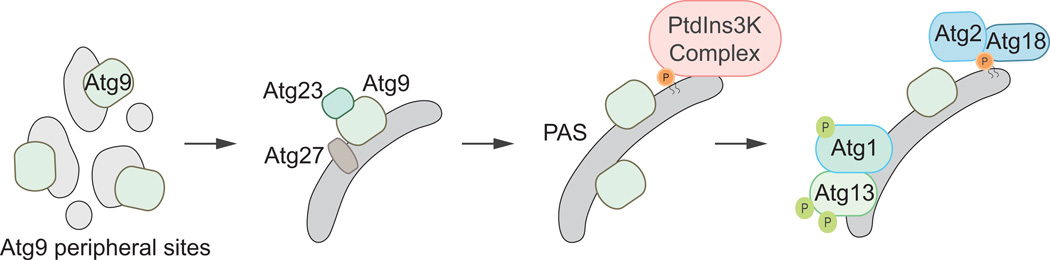
Autophagy is a major degradation pathway that engulfs, removes, and recycles unwanted cytoplasmic material including damaged organelles and toxic protein aggregates. One type of autophagy, macroautophagy, is a tightly regulated process facilitated by autophagy-related (Atg) proteins that must communicate effectively and act in concert to enable the de novo formation of the phagophore, its maturation into an autophagosome, and its subsequent targeting and fusion with the lysosome or the vacuole. Autophagy plays a significant role in physiology, and its dysregulation has been linked to several diseases, which include certain cancers, cardiomyopathies, and neurodegenerative diseases. Here, we summarize the key processes and the proteins that make up the macroautophagy machinery. We also briefly highlight recently uncovered molecular mechanisms specific to neurons allowing them to uniquely regulate this catabolic process to accommodate their complicated architecture and non-dividing state. Overall, these distinct mechanisms establish a conceptual framework addressing how macroautophagic dysfunction could result in maladies of the nervous system, providing possible therapeutic avenues to explore with a goal of preventing or curing such diseases.
自噬是一种主要的降解途径,它吞噬、清除和回收不需要的细胞质物质,包括受损的细胞器和有毒的蛋白质聚集体。自噬的一种类型,即巨自噬,是一个受到严格调控的过程,由自噬相关(Atg)蛋白促进,这些蛋白必须有效地通讯并协同作用,以使吞噬泡从头形成、成熟为自噬体,并使其随后靶向溶酶体或液泡并与之融合。自噬在生理学中发挥着重要作用,其失调与多种疾病有关,包括某些癌症、心肌病和神经退行性疾病。在这里,我们总结了构成巨自噬机制的关键过程和蛋白质。我们还简要强调了最近发现的神经元特有的分子机制,这些机制使它们能够独特地调节这种分解代谢过程,以适应其复杂的结构和非分裂状态。总体而言,这些独特的机制建立了一个概念框架,阐述了巨自噬功能障碍如何导致神经系统疾病,为探索预防或治愈此类疾病的目标提供了可能的治疗途径。