Takahashi Junko, Misawa Masaki, Iwahashi Hitoshi
Biomedical Research Institute, National Institute of Advanced Industrial Science and Technology, Tsukuba, Ibaraki 305-8566, Japan.
Human Technology Research Institute, National Institute of Advanced Industrial Science and Technology, Tsukuba, Ibaraki 305-8564, Japan.
Microarrays (Basel). 2015 Jan 27;4(1):25-40. doi: 10.3390/microarrays4010025.
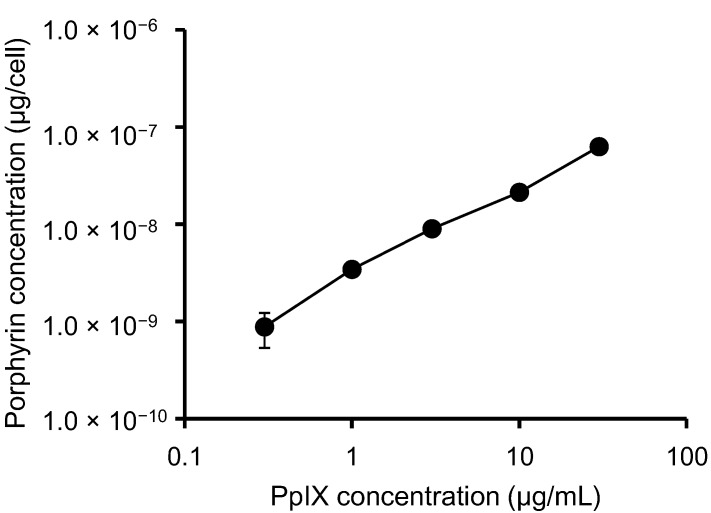
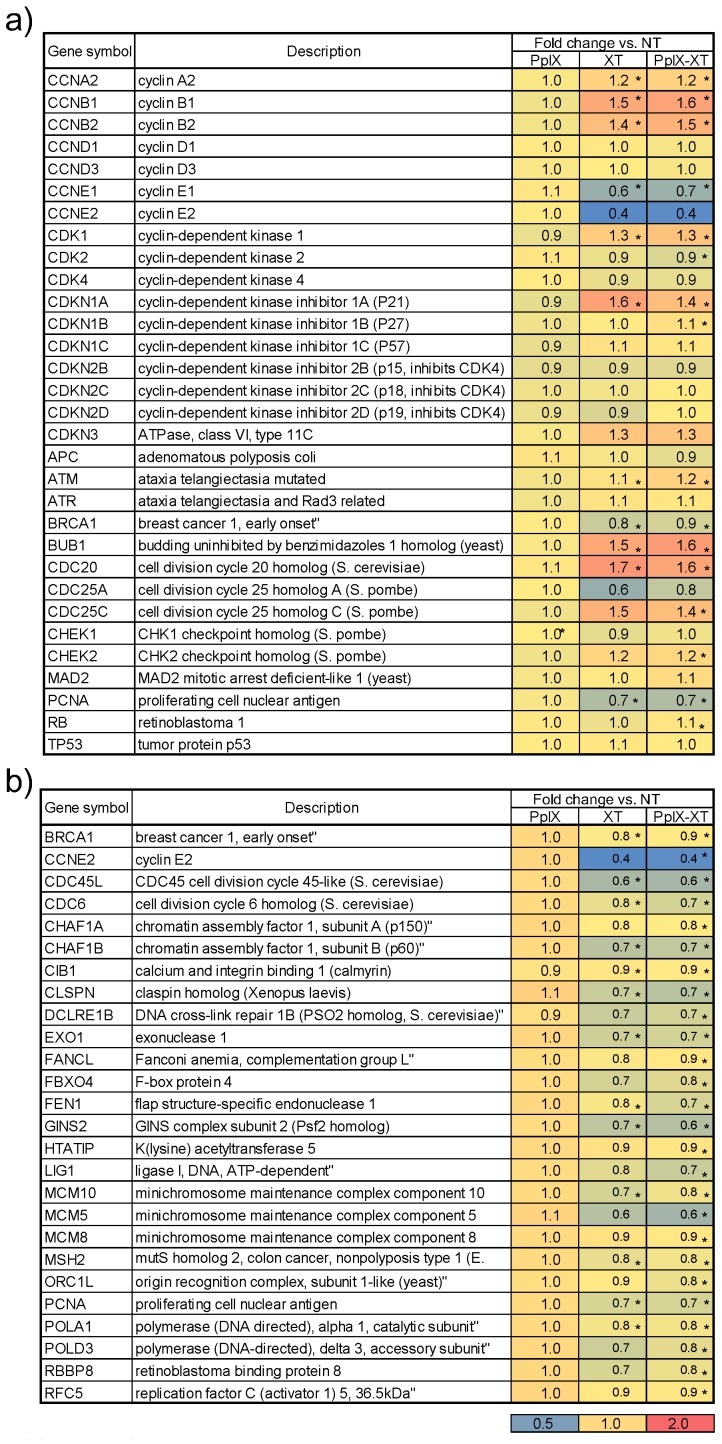
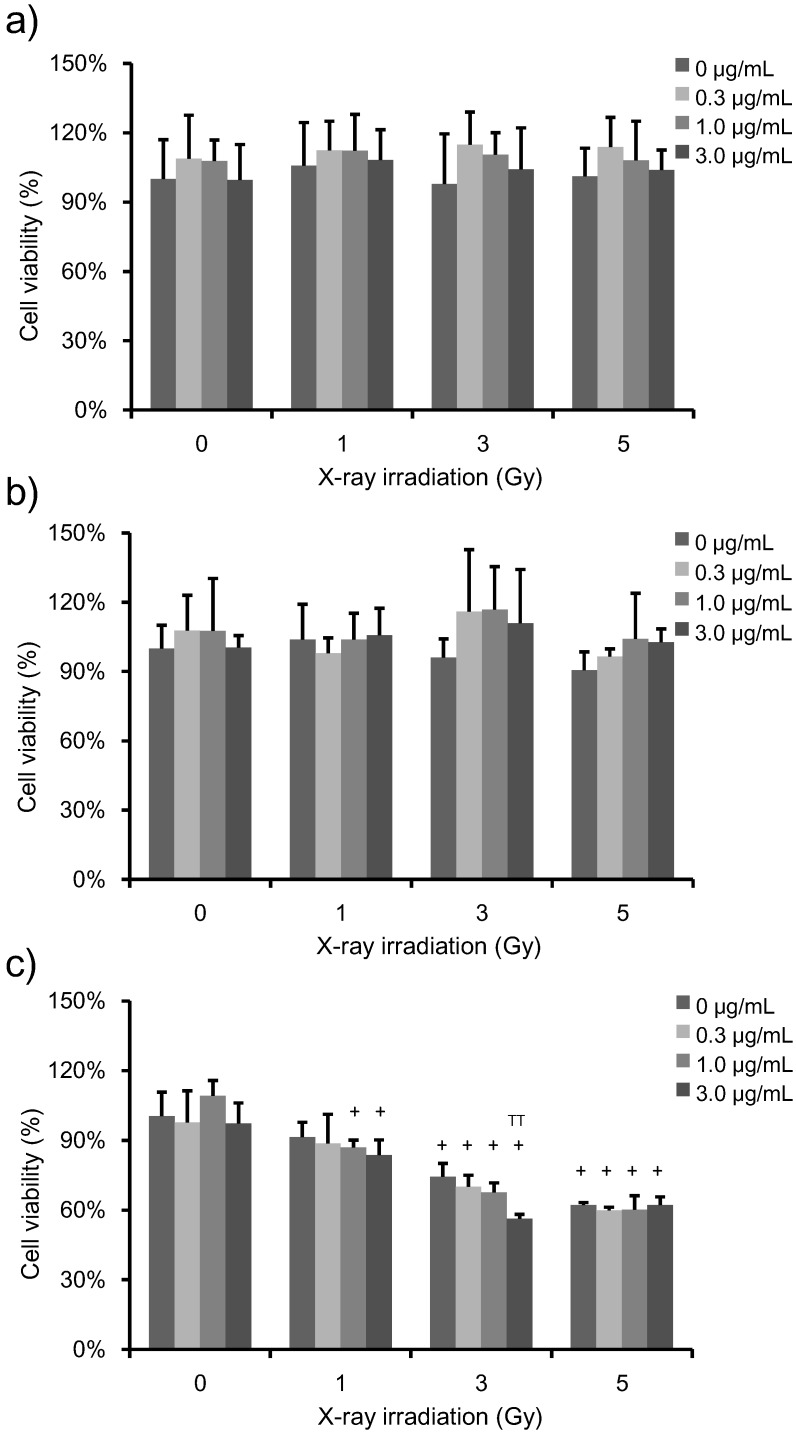
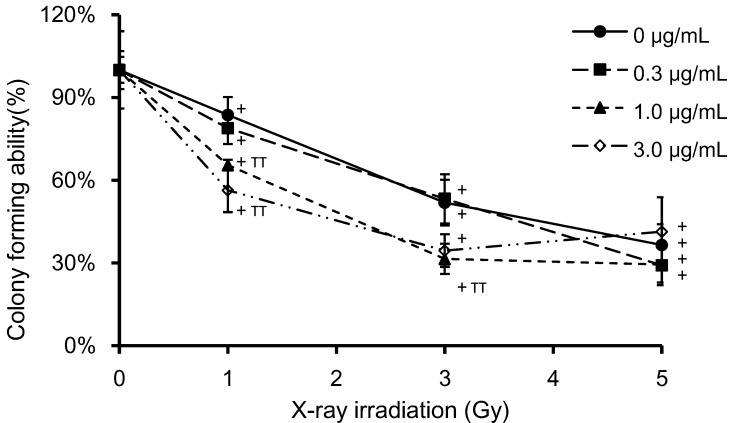
5-Aminolevulinic acid (ALA) is a precursor of the photosensitizer used in photodynamic therapy. It accumulates in tumor cells and subsequently metabolizes to protoporphyrin IX (PpIX), which generates singlet oxygen after light irradiation. PpIX enhances the generation of reactive oxygen species following physicochemical interactions with X-rays. ALA-based treatment using fractionated doses of irradiation suppressed tumor growth in a mouse melanoma model. To study the transcriptomic effects of PpIX, microarray analyses were conducted using HeLa cells with limited proliferation capacity. Based on the p-values (p < 0.01), we selected genes showing altered expression in each treatment group with reference to the non-treatment (NT) group. We detected 290, 196 and 28 upregulated genes, as well as 203, 146 and 36 downregulated genes after a 6 h-long PpIX treatment (1 μg/mL) prior to 3 Gy X-ray irradiation (PpIX-XT), 3 Gy X-ray irradiation alone (XT) and PpIX treatment alone (PpIXT), respectively. Functional analysis revealed that a majority of the regulated genes in the XT and PpIX-XT groups were related to cell-cycle arrest. The XT and PpIX-XT groups differed in the quantity, but not in the quality of their gene expression. The combined effect of PpIX and X-ray irradiation sensitized HeLa cells to X-ray treatment.
5-氨基酮戊酸(ALA)是光动力疗法中使用的光敏剂的前体。它在肿瘤细胞中积累,随后代谢为原卟啉IX(PpIX),后者在光照后产生单线态氧。PpIX与X射线发生物理化学相互作用后可增强活性氧的生成。在小鼠黑色素瘤模型中,采用分次照射剂量的基于ALA的治疗可抑制肿瘤生长。为了研究PpIX的转录组效应,我们使用增殖能力有限的HeLa细胞进行了微阵列分析。根据p值(p < 0.01),我们参照未治疗(NT)组选择了在每个治疗组中表达发生改变的基因。在3 Gy X射线照射(PpIX-XT)、单独3 Gy X射线照射(XT)和单独PpIX处理(PpIXT)之前,分别进行6小时的PpIX处理(1 μg/mL)后,我们检测到290、196和28个上调基因,以及203、146和36个下调基因。功能分析显示,XT组和PpIX-XT组中大多数受调控的基因与细胞周期停滞有关。XT组和PpIX-XT组在基因表达的数量上有所不同,但在质量上没有差异。PpIX和X射线照射的联合作用使HeLa细胞对X射线治疗更加敏感。