Institute of Materia Medica, College of Pharmacy, Third Military Medical University, Chongqing, China.
Center of Translational Medicine, College of Pharmacy, Third Military Medical University, Chongqing, China.
Sci Rep. 2016 Sep 12;6:32642. doi: 10.1038/srep32642.
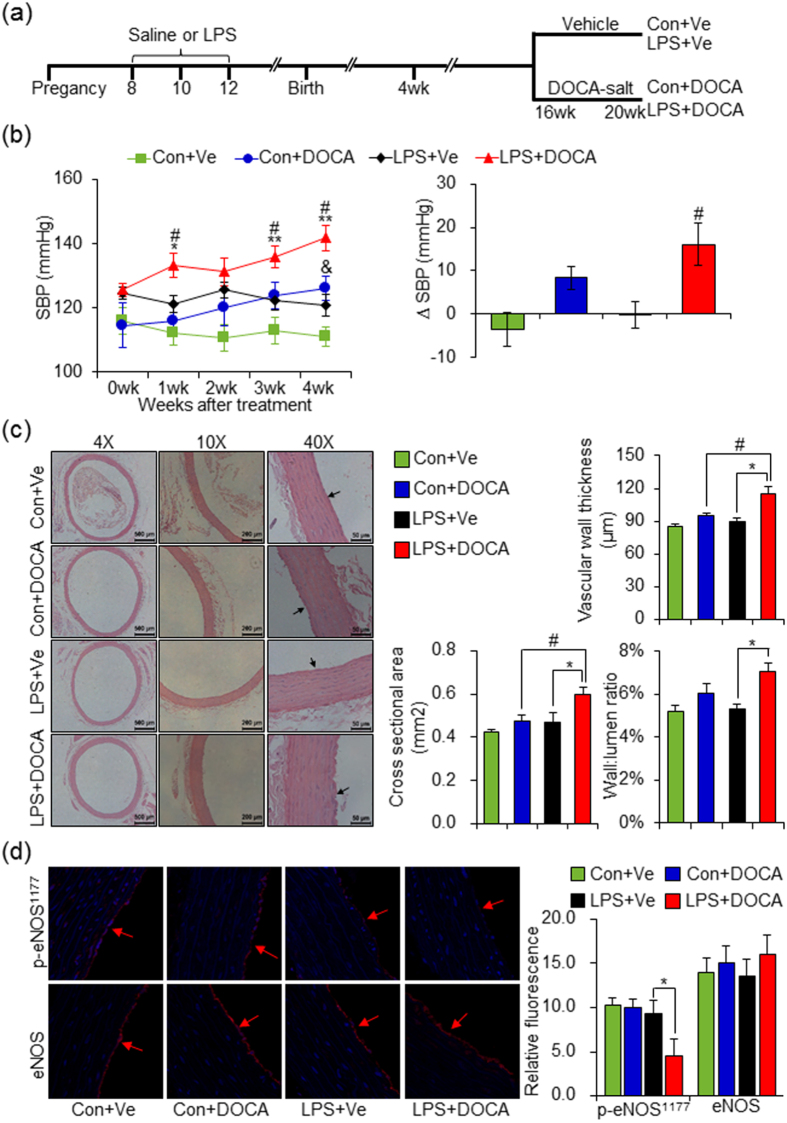
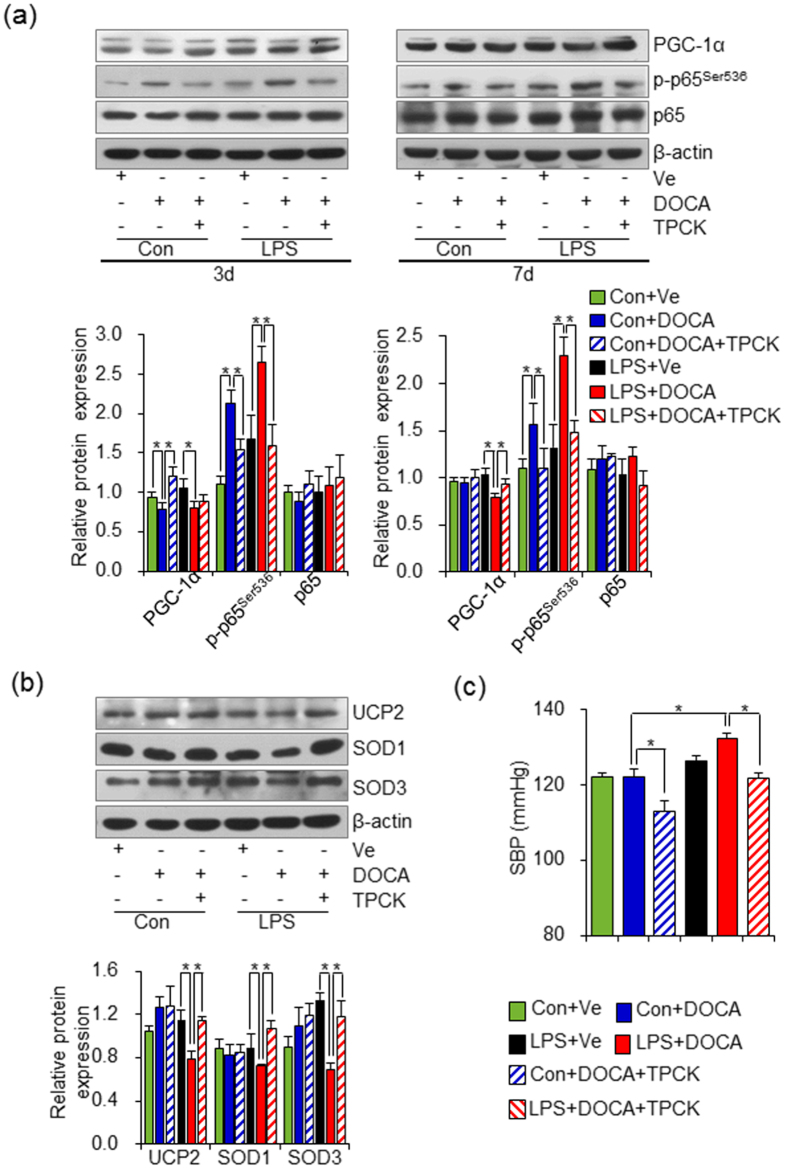
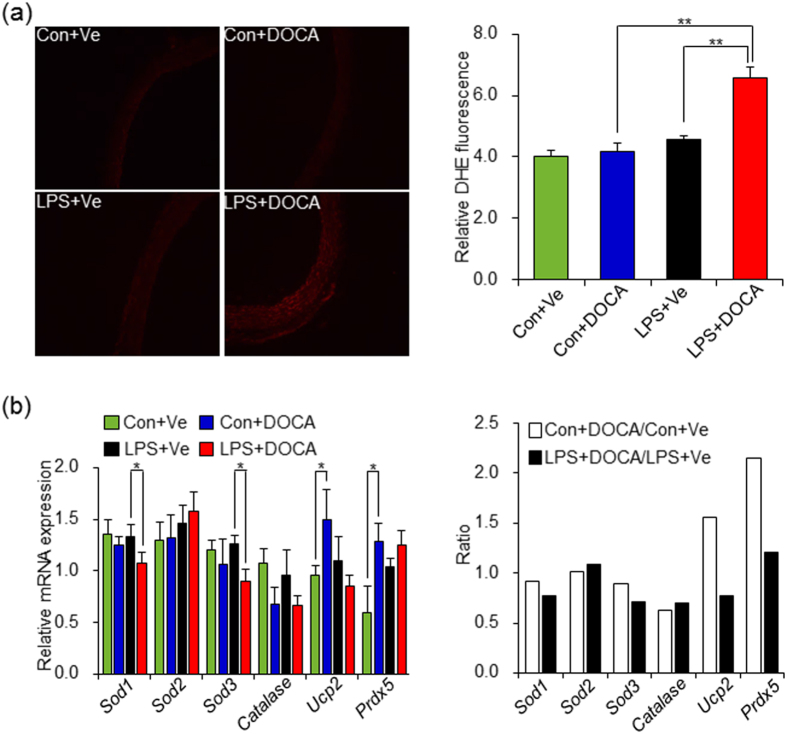
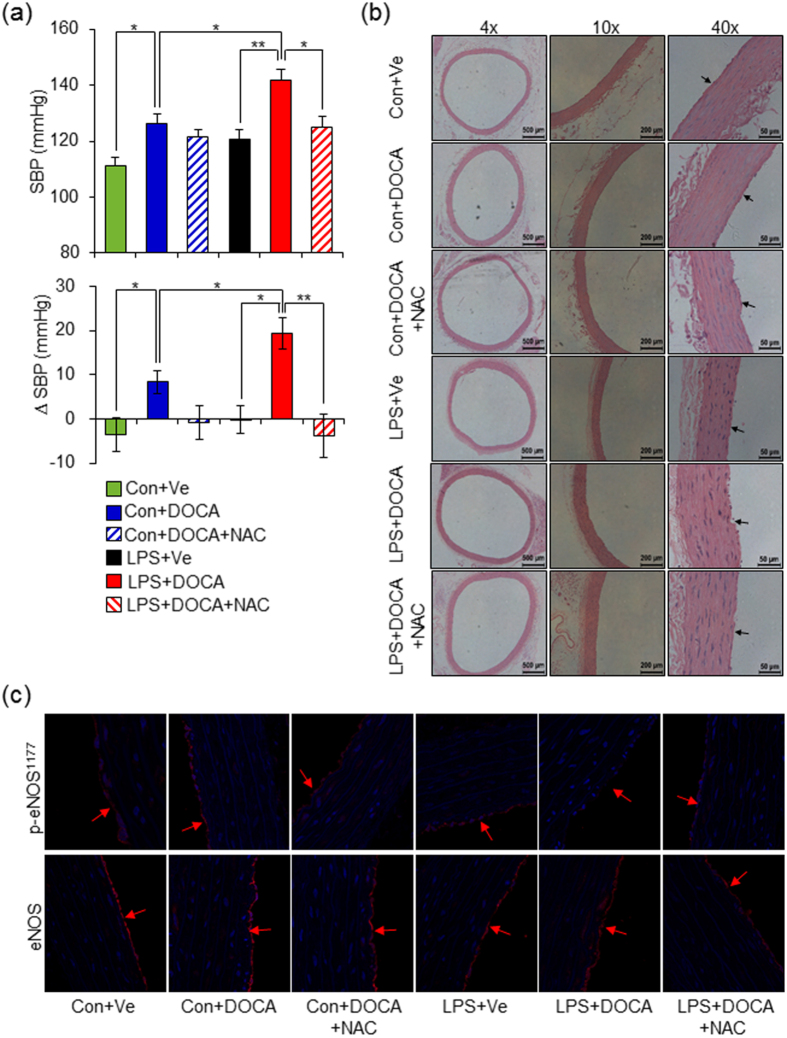
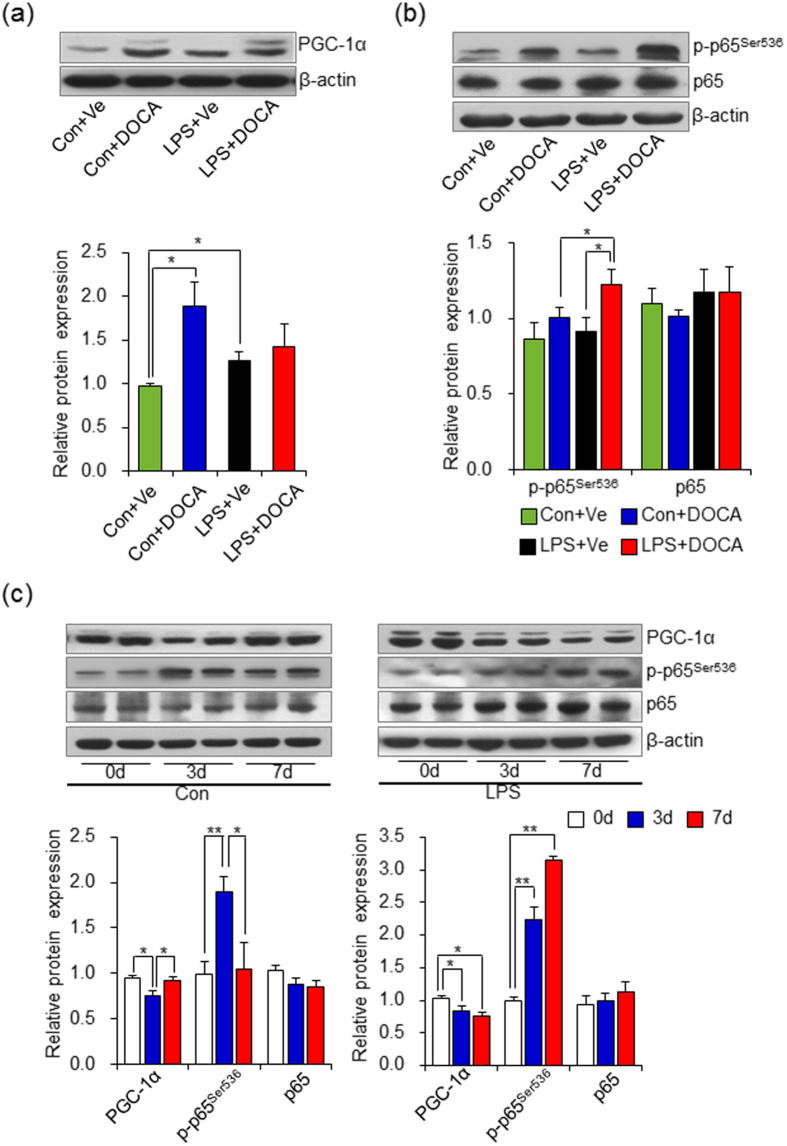
Growing evidence has demonstrated that maternal detrimental factors, including inflammation, contribute to the development of hypertension in the offspring. The current study found that offspring subjected to prenatal exposure of inflammation by lipopolysaccharide (LPS) challenge during the second semester showed significantly increased systolic blood pressure. In addition, these offspring also displayed augmented vascular damage and reactive oxygen species (ROS) levels in thoracic aortas when challenged with deoxycorticosterone acetate and high-salt diet (DOCA-salt). Interestingly, the antioxidant N-acetyl-L-cysteine markedly reversed these changes. Mechanistically, prenatal LPS exposure led to pre-existing elevated peroxisome proliferators-activated receptor-γ co-activator (PGC)-1α, a critical master of ROS metabolism, which up-regulated the ROS defense capacity and maintained the balance of ROS generation and elimination under resting state. However, continued elevation of NF-κB activity significantly suppressed the rapid recovery of PGC-1α expression response to DOCA-salt challenge in offspring that underwent prenatal inflammatory stimulation. This was further confirmed by using a NF-κB inhibitor (N-p-Tosyl-L-phenylalanine chloromethyl ketone) that restored PGC-1α recovery and prevented blood pressure elevation induced by DOCA-salt. Our results suggest that maternal inflammation programmed proneness to NF-κB over-activation which impaired PGC-1α-mediated anti-oxidant capacity resulting in the increased sensitivity of offspring to hypertensive damage.
越来越多的证据表明,母体有害因素,包括炎症,导致后代高血压的发展。本研究发现,在第二个学期通过脂多糖 (LPS) 挑战对胎儿进行产前炎症暴露的后代,其收缩压显著升高。此外,当这些后代受到去氧皮质酮醋酸盐和高盐饮食 (DOCA-salt) 的挑战时,它们的胸主动脉也显示出增强的血管损伤和活性氧 (ROS) 水平。有趣的是,抗氧化剂 N-乙酰-L-半胱氨酸显著逆转了这些变化。从机制上讲,产前 LPS 暴露导致预先存在的过氧化物酶体增殖物激活受体-γ 共激活因子 (PGC)-1α 升高,PGC-1α 是 ROS 代谢的关键主控器,它上调了 ROS 防御能力,并在静息状态下维持 ROS 生成和消除的平衡。然而,NF-κB 活性的持续升高显著抑制了在产前炎症刺激下经历的后代中 PGC-1α 对 DOCA-salt 挑战的快速恢复表达反应。这进一步通过使用 NF-κB 抑制剂 (N-p-Tosyl-L-phenylalanine chloromethyl ketone) 得到证实,该抑制剂恢复了 PGC-1α 的恢复并防止了 DOCA-salt 引起的血压升高。我们的结果表明,母体炎症编程易感性导致 NF-κB 过度激活,损害 PGC-1α 介导的抗氧化能力,从而导致后代对高血压损伤的敏感性增加。