Sudawan Boonyawat, Chang Chih-Sheng, Chao Hsiu-Fung, Ku Maurice S B, Yen Yung-Fu
Ph.D. Program of Agricultural Science, National Chiayi University, Chiayi, 60004, Taiwan.
Department of Farmers' Services, Council of Agriculture, Taipei, 10014, Taiwan.
BMC Plant Biol. 2016 Sep 15;16(1):202. doi: 10.1186/s12870-016-0889-y.
Hydrogen cyanamide (HC) and pruning (P) have frequently been used to break dormancy in grapevine floral buds. However, the exact underlying mechanism remains elusive. This study aimed to address the early mode of action of these treatments on accumulation of reactive oxygen species (ROS) and reactive nitrogen species (RNS) and expression of related genes in the dormancy breaking buds of grapevine in the summer.
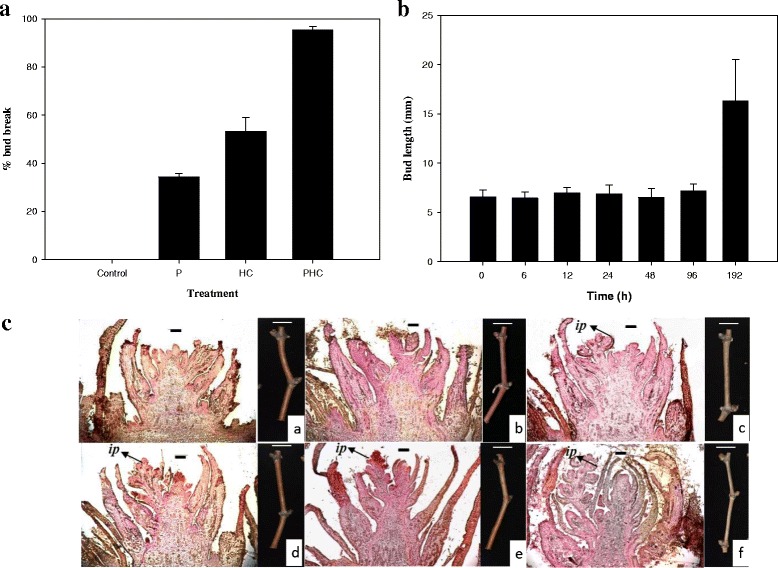
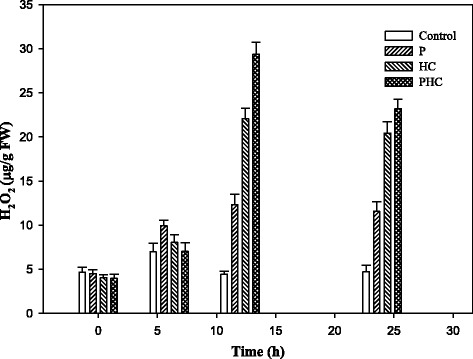
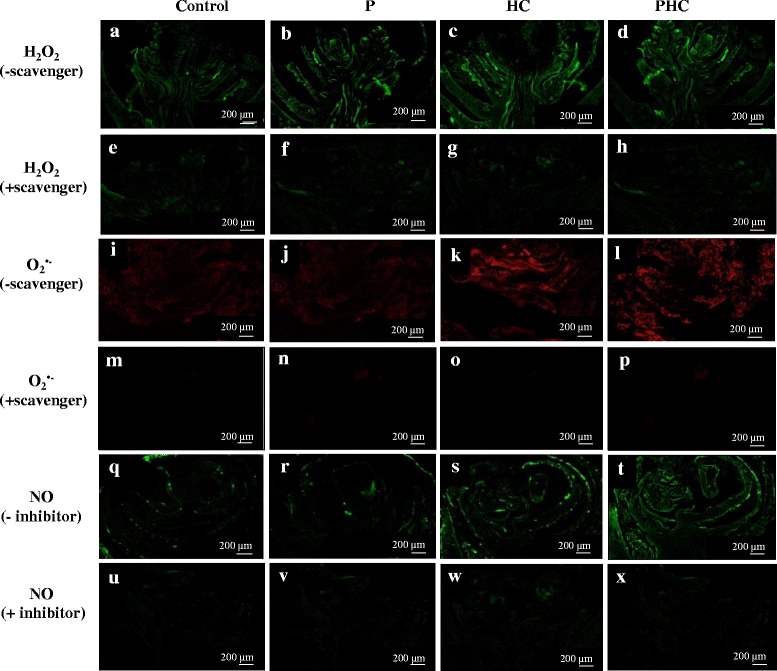
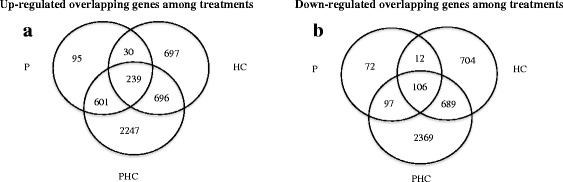
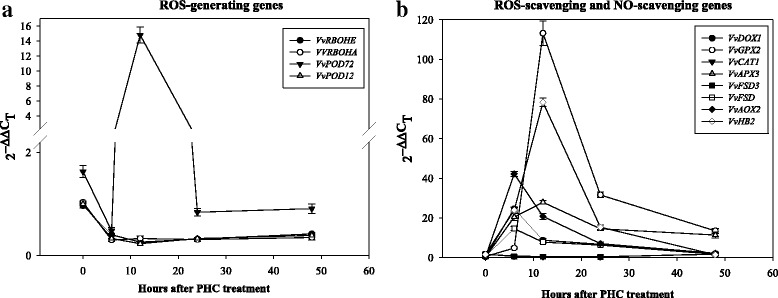
The budbreak rates induced by pruning (P), hydrogen cyanamide (HC), pruning plus hydrogen cyanamide (PHC) and water (control) after 8 days were 33, 53, 95, and 0 %, respectively. Clearly, HC was more effective in stimulating grapevine budbreak and P further enhanced its potency. In situ staining of longitudinal bud sections after 12 h of treatments detected high levels of ROS and nitric oxide (NO) accumulated in the buds treated with PHC, compared with HC or P alone. The amounts of ROS and NO accumulated were highly correlated with the rates of budbreak among these treatments, highlighting the importance of a rapid, transient accumulation of sublethal levels of ROS and RNS in dormancy breaking. Microarray analysis revealed specific alterations in gene expression in dormancy breaking buds induced by P, HC and PHC after 24 h of treatment. Relative to control, PHC altered the expression of the largest number of genes, while P affected the expression of the least number of genes. PHC also exerted a greater intensity in transcriptional activation of these genes. Gene ontology (GO) analysis suggests that alteration in expression of ROS related genes is the major factor responsible for budbreak. qRT-PCR analysis revealed the transient expression dynamics of 12 specific genes related to ROS generation and scavenge during the 48 h treatment with PHC.
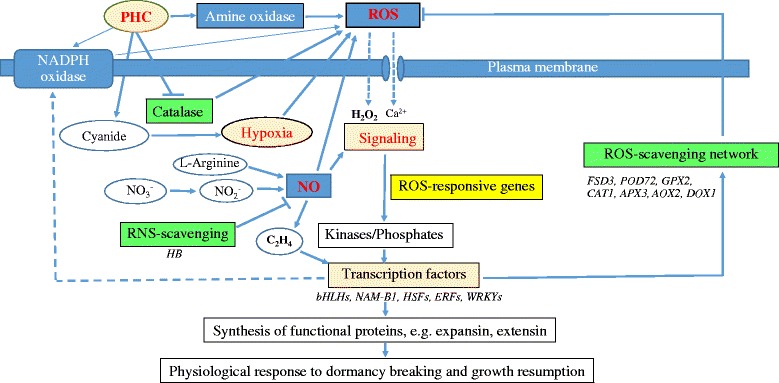
Our results suggest that rapid accumulation of ROS and NO at early stage is important for dormancy release in grapevine in the summer, and the identification of the commonly expressed specific genes among the treatments allowed the construction of the signal transduction pathway related to ROS/RNS metabolism during dormancy release. The rapid accumulation of a sublethal level of ROS/RNS subsequently induces cell wall loosening and expansion for bud sprouting.
氰胺(HC)和修剪(P)常用于打破葡萄花芽的休眠。然而,其确切的潜在机制仍不清楚。本研究旨在探讨这些处理对夏季葡萄休眠打破芽中活性氧(ROS)和活性氮(RNS)积累以及相关基因表达的早期作用模式。
修剪(P)、氰胺(HC)、修剪加氰胺(PHC)和水(对照)处理8天后的萌芽率分别为33%、53%、95%和0%。显然,HC在刺激葡萄萌芽方面更有效,而P进一步增强了其效果。处理12小时后对芽纵切片进行原位染色,发现与单独使用HC或P相比,PHC处理的芽中积累了高水平的ROS和一氧化氮(NO)。这些处理中ROS和NO的积累量与萌芽率高度相关,突出了在休眠打破过程中ROS和RNS亚致死水平的快速、短暂积累的重要性。微阵列分析揭示了处理24小时后P、HC和PHC诱导的休眠打破芽中基因表达的特定变化。相对于对照,PHC改变的基因数量最多,而P影响的基因数量最少。PHC在这些基因的转录激活方面也具有更大的强度。基因本体(GO)分析表明,ROS相关基因表达的改变是导致萌芽的主要因素。qRT-PCR分析揭示了在PHC处理48小时期间与ROS产生和清除相关的12个特定基因的瞬时表达动态。
我们的结果表明,早期ROS和NO的快速积累对夏季葡萄的休眠解除很重要,并且在处理中鉴定出共同表达的特定基因有助于构建休眠解除期间与ROS/RNS代谢相关的信号转导途径。随后,亚致死水平的ROS/RNS的快速积累诱导细胞壁松弛和扩张以促进芽萌发。