Du Peicheng, Sohaskey Charles D, Shi Lanbo
Office of Advanced Research Computing, Rutgers, The State University of New Jersey New Brunswick, NJ, USA.
VA Long Beach Healthcare System, United States Department of Veterans Affairs Long Beach, CA, USA.
Front Microbiol. 2016 Aug 31;7:1346. doi: 10.3389/fmicb.2016.01346. eCollection 2016.
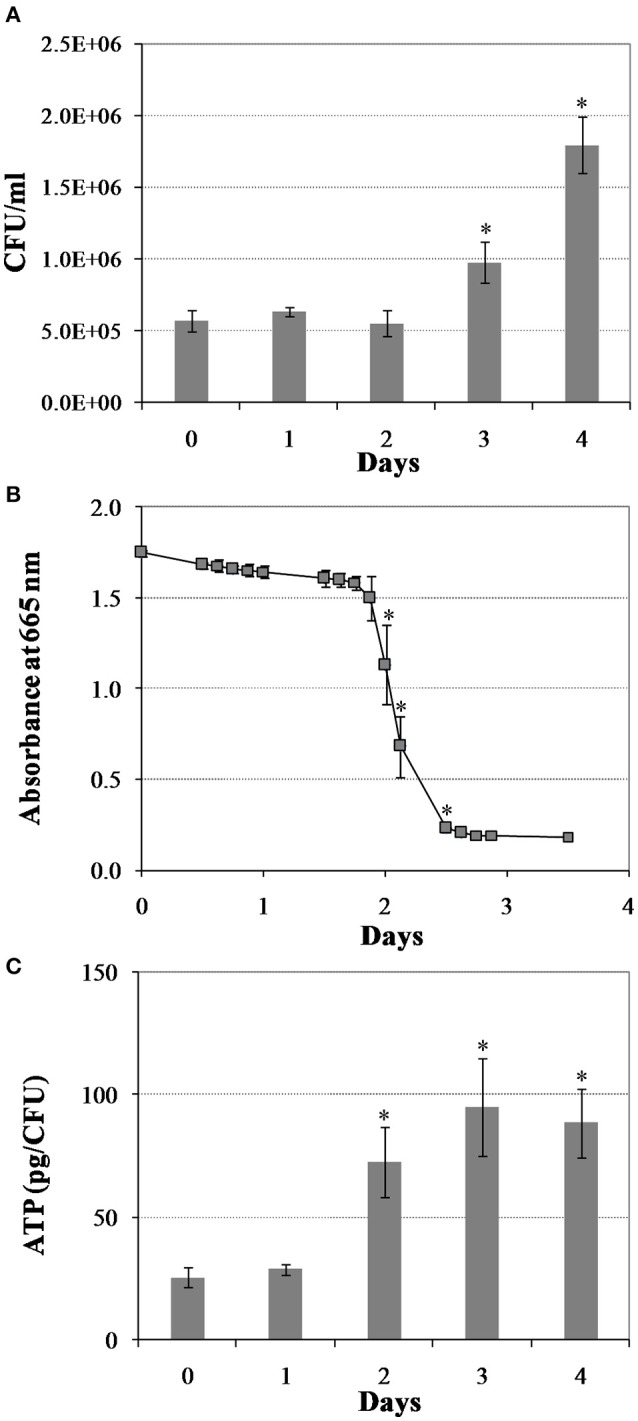
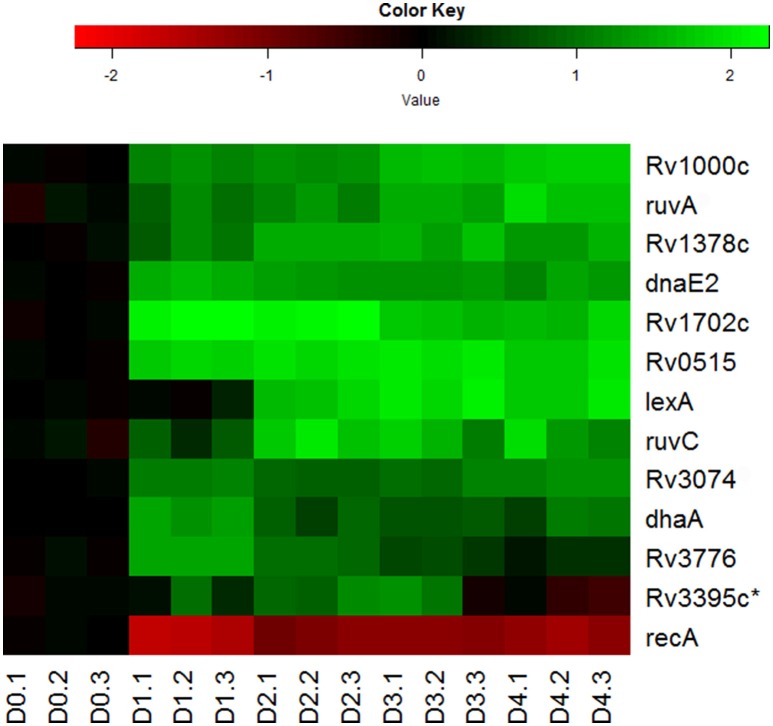
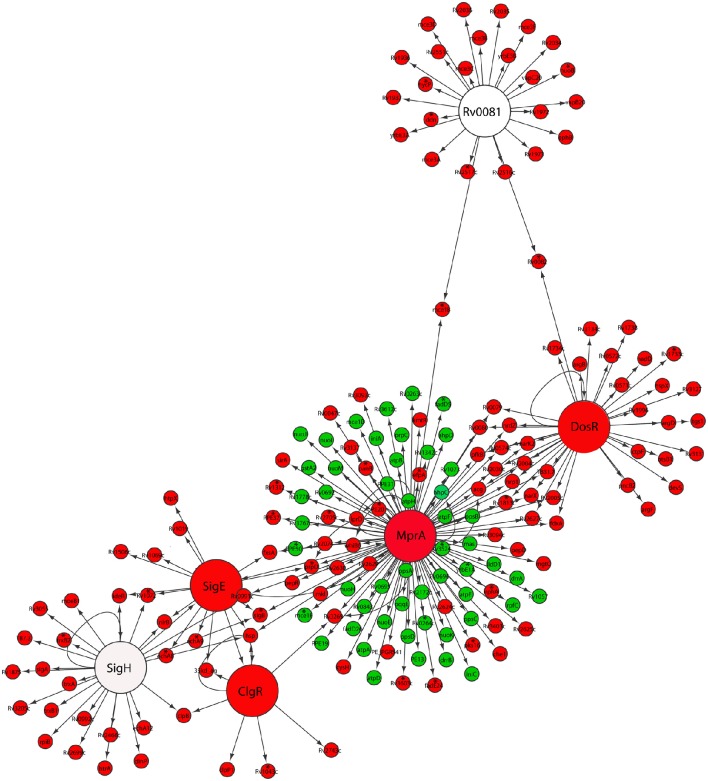
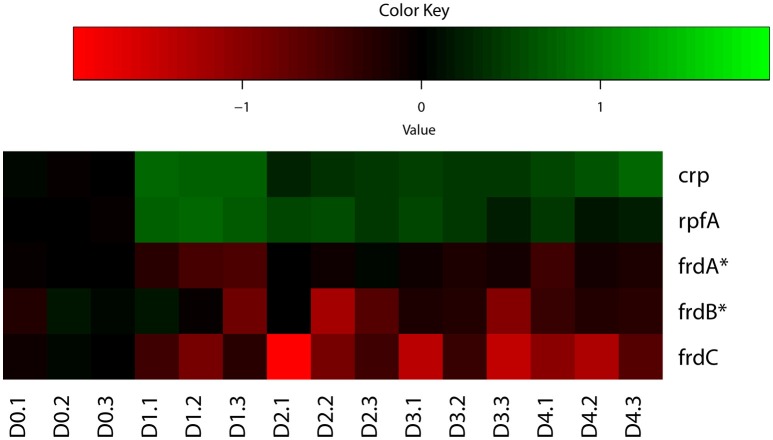
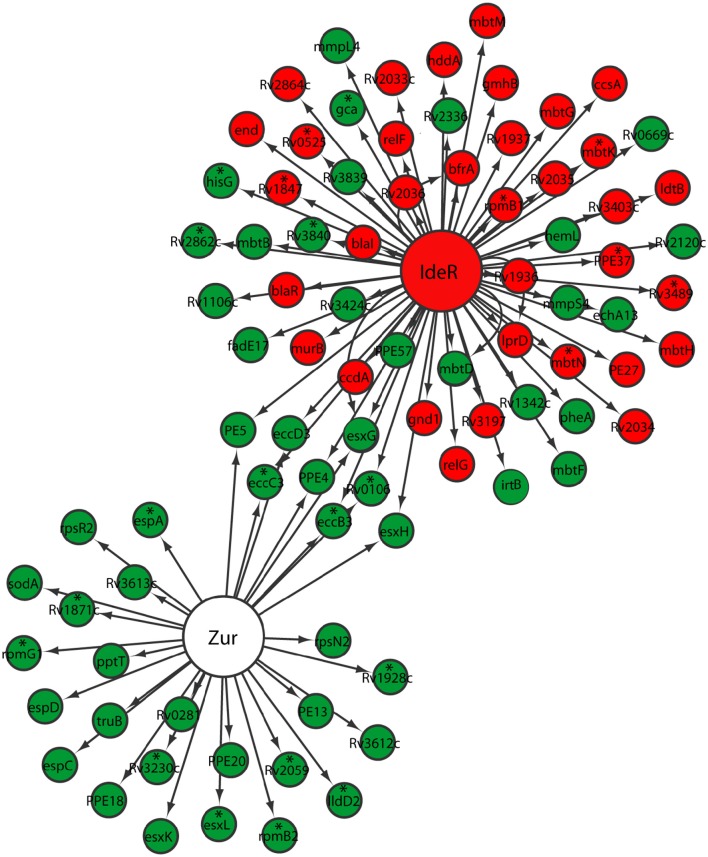
Mycobacterium tuberculosis can persist for years in the hostile environment of the host in a non-replicating or slowly replicating state. While active disease predominantly results from reactivation of a latent infection, the molecular mechanisms of M. tuberculosis reactivation are still poorly understood. We characterized the physiology and global transcriptomic profiles of M. tuberculosis during reactivation from hypoxia-induced non-replicating persistence. We found that M. tuberculosis reactivation upon reaeration was associated with a lag phase, in which the recovery of cellular physiological and metabolic functions preceded the resumption of cell replication. Enrichment analysis of the transcriptomic dynamics revealed changes to many metabolic pathways and transcription regulons/subnetworks that orchestrated the metabolic and physiological transformation in preparation for cell division. In particular, we found that M. tuberculosis reaeration lag phase is associated with down-regulation of persistence-associated regulons/subnetworks, including DosR, MprA, SigH, SigE, and ClgR, as well as metabolic pathways including those involved in the uptake of lipids and their catabolism. More importantly, we identified a number of up-regulated transcription regulons and metabolic pathways, including those involved in metal transport and remobilization, second messenger-mediated responses, DNA repair and recombination, and synthesis of major cell wall components. We also found that inactivation of the major alternative sigma factors SigE or SigH disrupted exit from persistence, underscoring the importance of the global transcriptional reprogramming during M. tuberculosis reactivation. Our observations suggest that M. tuberculosis lag phase is associated with a global gene expression reprogramming that defines the initiation of a reactivation process.
结核分枝杆菌能够在宿主的恶劣环境中以非复制或缓慢复制状态持续存在数年。虽然活动性疾病主要源于潜伏感染的重新激活,但结核分枝杆菌重新激活的分子机制仍知之甚少。我们对结核分枝杆菌从缺氧诱导的非复制性持续状态重新激活过程中的生理学和全转录组图谱进行了表征。我们发现,再通气后结核分枝杆菌的重新激活与一个延迟期相关,在此期间,细胞生理和代谢功能的恢复先于细胞复制的恢复。转录组动力学的富集分析揭示了许多代谢途径以及协调代谢和生理转变以准备细胞分裂的转录调控子/子网络的变化。特别是,我们发现结核分枝杆菌再通气延迟期与包括DosR、MprA、SigH、SigE和ClgR在内的与持续状态相关的调控子/子网络的下调以及包括参与脂质摄取及其分解代谢的代谢途径的下调有关。更重要的是,我们鉴定出了一些上调的转录调控子和代谢途径,包括参与金属转运和重新 mobilization、第二信使介导的反应、DNA修复和重组以及主要细胞壁成分合成的那些途径。我们还发现,主要的替代sigma因子SigE或SigH的失活破坏了从持续状态的退出,强调了结核分枝杆菌重新激活过程中全局转录重编程的重要性。我们的观察结果表明,结核分枝杆菌延迟期与定义重新激活过程起始的全局基因表达重编程相关。