Schiera Gabriella, Di Liegro Carlo Maria, Puleo Veronica, Colletta Oriana, Fricano Anna, Cancemi Patrizia, Di Cara Gianluca, Di Liegro Italia
Department of Biological Chemical and Pharmaceutical Sciences and Technologies (STEBICEF), I-90128 Palermo, Italy.
Center of Experimental Oncobiology (C.OB.S.), La Maddalena Hospital III Level Oncological Dept., Palermo, Italy.
Int J Oncol. 2016 Nov;49(5):1807-1814. doi: 10.3892/ijo.2016.3692. Epub 2016 Sep 15.
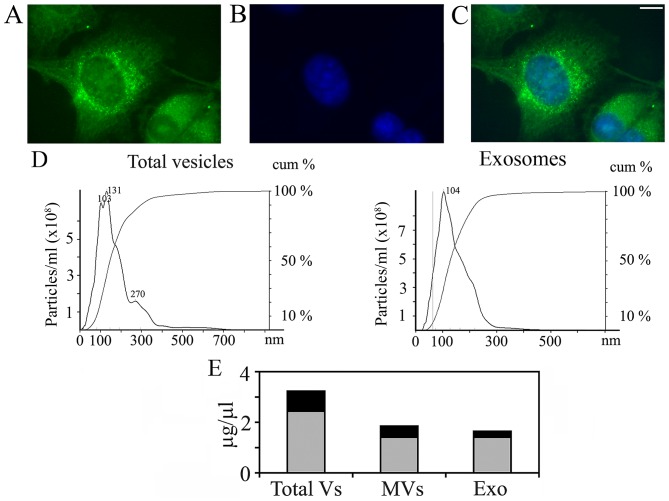
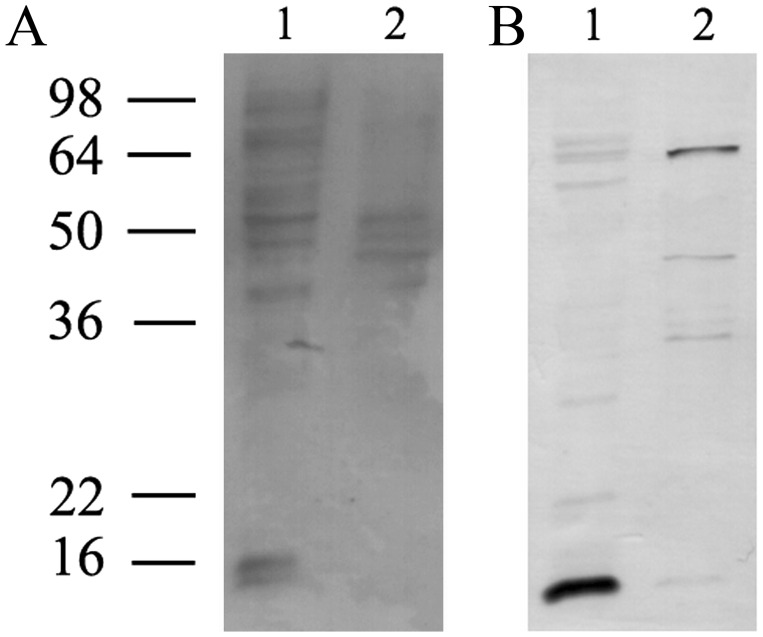
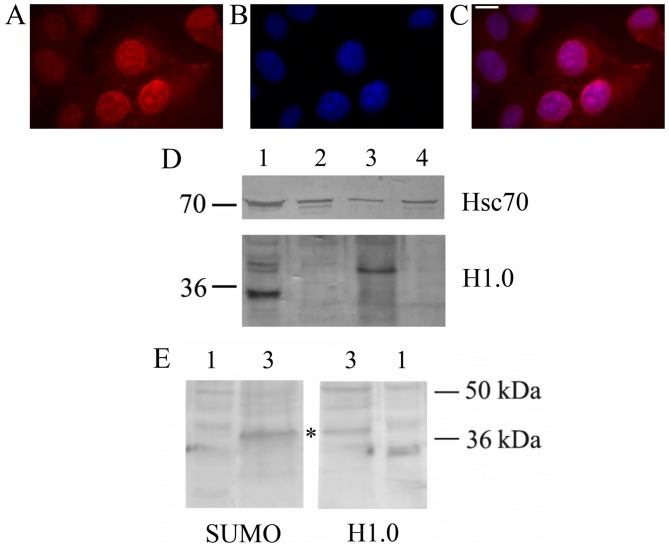
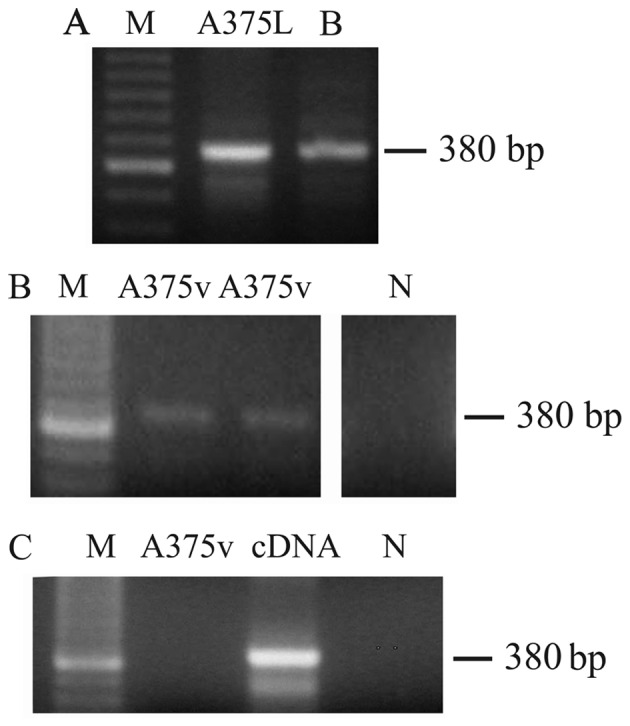
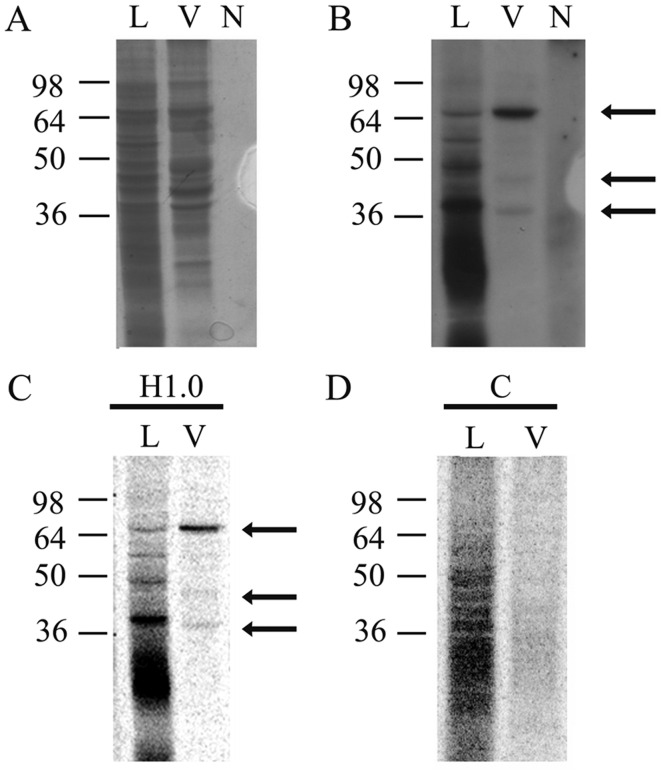
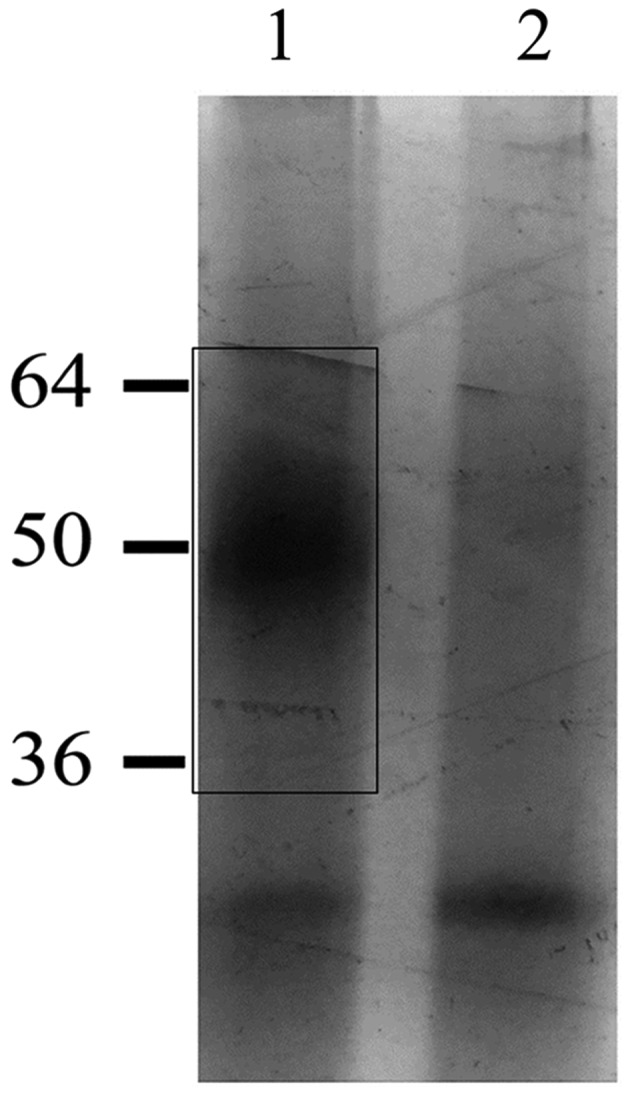
Extracellular vesicles (EVs) are now recognized as a fundamental way for cell-to-cell horizontal transfer of properties, in both physiological and pathological conditions. Most of EV-mediated cross-talk among cells depend on the exchange of proteins, and nucleic acids, among which mRNAs, and non-coding RNAs such as different species of miRNAs. Cancer cells, in particular, use EVs to discard molecules which could be dangerous to them (for example differentiation-inducing proteins such as histone H1.0, or antitumor drugs), to transfer molecules which, after entering the surrounding cells, are able to transform their phenotype, and even to secrete factors, which allow escaping from immune surveillance. Herein we report that melanoma cells not only secrete EVs which contain a modified form of H1.0 histone, but also transport the corresponding mRNA. Given the already known role in tumorigenesis of some RNA binding proteins (RBPs), we also searched for proteins of this class in EVs. This study revealed the presence in A375 melanoma cells of at least three RBPs, with apparent MW of about 65, 45 and 38 kDa, which are able to bind H1.0 mRNA. Moreover, we purified one of these proteins, which by MALDI-TOF mass spectrometry was identified as the already known transcription factor MYEF2.
细胞外囊泡(EVs)现在被认为是在生理和病理条件下细胞间特性水平转移的一种基本方式。细胞间大多数由EV介导的相互作用依赖于蛋白质和核酸的交换,其中包括mRNA以及不同种类的miRNA等非编码RNA。特别是癌细胞利用EVs来丢弃对它们可能有害的分子(例如分化诱导蛋白如组蛋白H1.0或抗肿瘤药物),转移进入周围细胞后能够改变其表型的分子,甚至分泌能够逃避免疫监视的因子。在此我们报告,黑色素瘤细胞不仅分泌含有修饰形式H1.0组蛋白的EVs,还运输相应的mRNA。鉴于一些RNA结合蛋白(RBPs)在肿瘤发生中已为人所知的作用,我们还在EVs中寻找此类蛋白。这项研究揭示了A375黑色素瘤细胞中至少存在三种RBPs,其表观分子量约为65、45和38 kDa,它们能够结合H1.0 mRNA。此外,我们纯化了其中一种蛋白,通过基质辅助激光解吸电离飞行时间质谱(MALDI-TOF)鉴定为已知的转录因子MYEF2。